

Reviewed · CUSCO TOURS
From Cusco: Inka Suspension Bridge Qeswachaca – Qeswachaka
The best part of this long day is the Qeswachaka Bridge, a handwoven grass crossing suspended above the Apurimac River. Four nearby communities rebuild it each year using ichu, the same kind of highland grass used in traditional Andean rope work. You cross it on foot, look straight down into the river valley, and quickly understand why this is more than a photo stop.
I like the chance to compare this living Inca tradition with the Colonial Inca Bridge at Checacupe, and I like the quiet chain of lakes around Pomacanchi and Acopia. The main drawback is the amount of time spent in the minibus. This is a 12-hour outing with long road stretches, early pickup, limited scheduled stops, and some extras that cost more.
Key points before you book

- The bridge is the reason to go: Qeswachaka is rebuilt each year by four local communities using handwoven ichu grass.
- You cross the bridge yourself: The crossing takes place above the Apurimac River and can feel high and wobbly.
- Expect a very early start: Hotel pickup is scheduled between 4:30 and 5:10 AM, with return near Cusco’s Plaza de Armas around 5:00 PM.
- The lakes add scenery, not major sightseeing: Pomacanchi, Acopia, Asnaqocha, and Pampamarca or Tungasuca provide peaceful photo stops.
- Budget for extra fees: The bridge entrance is S/20, and the mini-volcano visit is S/2. An optional boat ride may also involve an additional charge.
- Guide quality may vary by language: Roland received especially strong praise for his explanations, while English service has not always been consistent.
Why Qeswachaka is worth the long ride

Qeswachaka is not simply an old bridge left behind for visitors. It is a working tradition. The bridge is renewed every year by residents of four surrounding communities, who gather to twist and weave plant fibers into a crossing over the Apurimac River.
That renewal gives the visit its meaning. You are seeing a structure that belongs to present-day community life, not only to the Inca past. The bridge connects old engineering with a living practice, and the guide can explain how the fiber is prepared, woven, and maintained.
The bridge itself is narrow, suspended, and flexible. It moves when people walk across it. That is part of the appeal, but it also means you should expect a physical crossing rather than a quiet museum visit. If you dislike heights or unstable footing, you may prefer to admire it from the riverbank.
The tour includes about an hour at Qeswachaka, including the visit, explanations, and sightseeing. That is enough time to understand the construction and cross the bridge, though it is not a long cultural workshop.
A few more Peru days worth weighing up
- Cusco: Humantay Lake Tour with Breakfast and Buffet Lunch
★ 4.9 · 2,976 reviews - Cusco: Half-Day City Tour with Sacsayhuaman and Q’enco
★ 4.6 · 1,129 reviews - From Cusco: Vinicunca Rainbow Mountain ATV Tour with Meals
★ 4.6 · 1,060 reviews
The early departure from Cusco
Pickup takes place from your hotel between 4:30 and 5:10 AM. You should wait in the lobby at least 10 minutes before the scheduled time, but keep your phone nearby because an early arrival has happened. One passenger had a vehicle arrive about an hour ahead of the quoted time, although the driver returned at the agreed time.
The first major road section takes roughly two hours. That matters because the day is built around a wide loop through the Cusco Region, not a quick trip to one nearby attraction. You will spend much of the day seated in a vehicle, so this tour suits you best if the bridge matters enough to justify the ride.
Breakfast and lunch are included. The food has been described as varied and plentiful, which is a real help on a day that begins before sunrise. Still, the timing can be awkward. The gap between meals may be long, so carry a small snack if you need regular food.
A first-aid kit and oxygen are provided. The itinerary takes you into high Andean country, and the long drive can feel tiring even before you reach the bridge. Dress for changing conditions and bring water, though the supplied details do not specify a clothing list.
Pomacanchi and the highland lake route

Lake Pomacanchi is listed as a 25-minute photo stop, and the wider route also includes Acopia, Asnaqocha, and Pampamarca or Tungasuca. These lakes are valued for their open views and calm setting rather than elaborate facilities or long guided walks.
I like this part of the day because it breaks up the drive and shows you a quieter side of the Cusco Region. The water, hills, and rural surroundings give the trip a slower rhythm before the main bridge visit. You get time to pause, take pictures, and enjoy the setting without the crowds associated with Cusco’s best-known archaeological sites.
Keep your expectations measured. The lake stops are short, and some may be viewed mainly from the roadside. They are scenic additions, not full excursions with extensive activities. If you are booking for the lakes alone, the long drive may feel out of proportion. If Qeswachaka is your main goal, the lakes make the journey more varied.
The exact sequence can include Pampamarca or Tungasuca, depending on the day’s route. That flexibility is worth noting if you are expecting every named lake to receive the same amount of time.
Pabellones Volcano and the small extra charge

Near Yanaoca, the route stops at the small Pabellones Volcano. The visit is brief and costs S/2, separate from the tour price.
This is a modest stop. You should not expect a major volcanic site or a long geological visit. The volcano can be interesting as a quick roadside feature, but it is not the main event. One useful way to view it is as a pause during the road journey, not as a reason to book the tour.
The extra fee is small, but it illustrates an important point about the advertised price. At $47 per person, the tour includes transport, hotel pickup, guide, breakfast, lunch, first aid, and oxygen. It does not include every admission. Add S/20 for Qeswachaka and S/2 for the mini-volcano, plus any personal purchases.
Same base, a completely different kind of day:
- From Cusco: Sacred Valley & Maras Salt Mines Tour with Lunch
★ 4.8 · 2,227 reviews - From Cusco: Moray, Maras Salt Mines & Chinchero Weavers Tour
★ 4.8 · 1,925 reviews - From Lima: Paracas and Huacachina Oasis Full Day Guided Tour
★ 4.7 · 1,780 reviews - From Cusco: Full-Day Group Tour of Machu Picchu
★ 4.7 · 1,767 reviews
Crossing the Qeswachaka Bridge
The bridge is in the district of Quehue, over the Apurimac River. It is made from ichu, a local plant fiber, and maintained by residents from four communities. The construction method is the heart of the visit.
Before crossing, your guide explains the technique and the idea behind the bridge. A strong guide can make this section much more rewarding by connecting the physical structure to Andean community life. Roland, in particular, received warm praise for explaining the bridge, its weaving method, the Inca connection, local climate, lakes, plants, and animals. If he is leading your departure, you can expect a broad explanation rather than only a quick photo stop.
The crossing itself is short, but the impression lasts. The bridge sits high enough above the river to feel dramatic, and it moves underfoot. You may find yourself gripping the side ropes and laughing at how different it feels from a stone bridge.
You should also know that the bridge visit is not designed for wheelchair users. The walk to the bridge and the crossing require mobility, and the uneven setting makes this a poor fit for anyone who needs step-free access.
The bridge entrance is not included. Set aside S/20 per person. This is a modest addition compared with the total cost, but it should be clear before you reserve.
Checacupe puts the bridge in context
On the way back toward Cusco, the group stops at the Colonial Inca Bridge of Checacupe. This is one of the tour’s smartest choices because it gives you a direct comparison.
Qeswachaka is light, flexible, and made from plant fibers. Checacupe uses a more permanent architectural approach. Seeing both helps you notice the difference between a bridge renewed through community weaving and one built as a fixed structure.
The stop also adds historical range to the day. Instead of seeing Qeswachaka as an isolated curiosity, you can compare two ways of solving the same basic problem: crossing a river valley. Your guide’s explanation is useful here, especially if you want more than a quick picture.
The visit is shorter and less dramatic than the main bridge crossing. Still, it earns its place because it helps explain what makes Qeswachaka unusual.
Meals, transport, and the real pace of the day
The tour lasts about 12 hours, from early morning pickup to a finish near Plaza Kusipata, about one block from Cusco’s Plaza de Armas. The return point is convenient if you want to continue walking through the historic center or reach a nearby hotel.
The transport is a major part of the experience. The route includes roughly two hours at the beginning, more time to reach the bridge, and about two hours on the return. Some schedules also include a long stretch between breakfast, the volcano stop, the bridge, and lunch.
I would not book this expecting a relaxed morning with frequent activity. You may spend several hours watching the highland countryside from a vehicle. The benefit is that you reach a remote and distinctive bridge without arranging private transport. The cost is comfort and time.
Bathroom planning deserves attention. The schedule does not promise regular restroom breaks, and one account described the stops as poorly spaced. Use facilities whenever they are available and ask the guide about the next planned stop. This is simple advice, but it can make a long day much easier.
An optional boat ride may be offered near the bridge or lakes. It is not part of the included package, and an additional fee may apply. Ask exactly what it costs and what you will see before agreeing. The ride can give you another angle on the bridge, but it is not essential to the main experience.
Guide language and what to expect
The tour is offered in English and Spanish with a live bilingual guide. In practice, the quality of English explanation may vary. Some departures have had a guide who spoke mainly Spanish despite an English booking, while other visitors found the guide friendly and sufficiently helpful in English.
That makes the guide a key part of the value. You are not only paying for a ride to a bridge. You are paying for an explanation of the weaving method, the communities that maintain it, the lakes, the Andean environment, and the comparison with Checacupe.
Roland is the guide name most worth noting. He received especially strong praise for answering questions and explaining Peru, the Andes, climate, flora, and fauna in addition to Qeswachaka. If clear English interpretation is essential to you, confirm the language before departure rather than assuming every guide will be equally fluent.
Is $47 a fair price?
At $47, the tour offers reasonable value if you want a guided visit to Qeswachaka without arranging transport, meals, and the remote route yourself. Hotel pickup, a full-day vehicle, breakfast, lunch, a bilingual guide, a first-aid kit, and oxygen are included.
The value drops if you are mainly interested in the lakes or the mini-volcano. Those stops are pleasant but brief, and neither justifies the long road journey on its own. The bridge is the part that gives the price its purpose.
Remember to add S/20 for the bridge and S/2 for the mini-volcano. If you take the optional boat ride, ask about that charge first. Personal expenses are not included.
Free cancellation up to 24 hours before departure and reserve-now, pay-later booking make it easier to keep your plans flexible. Those terms are useful, but they do not change the basic question: do you want to spend a full day on the road for one unusual bridge?
Who should book this day trip?
I would recommend it to you if you have already seen Cusco’s main sights and want something less standard. It suits people interested in living Andean traditions, regional scenery, and unusual engineering.
It also works well if you enjoy a full day with several short stops rather than one polished attraction. You will get lakes, a volcano, the bridge, a second bridge, meals, and a guide, but the day will not feel tightly paced.
I would hesitate if you dislike long vehicle rides, need frequent restroom stops, or want a deep cultural program with extended time at each location. I would also think twice if you have limited mobility, since the tour is not suitable for wheelchair users.
Should you book the Qeswachaka tour?
Book it if the idea of crossing a handwoven bridge rebuilt each year by local communities genuinely interests you. That single experience is unusual, memorable, and hard to duplicate from Cusco without a long day of independent planning.
Skip it if you are looking for a short excursion, polished facilities, or constant activity. The lakes and Pabellones Volcano are supporting stops, and the road time is substantial.
My practical verdict is simple: Qeswachaka makes this worthwhile, not the filler stops. Confirm the guide language, carry a snack, budget for the extra entrance fees, and prepare for a full day in the vehicle. With those expectations, the bridge can be a rewarding change from Cusco’s more familiar sights.
FAQ
Where does the Qeswachaka tour begin?
Pickup is provided from your hotel in Cusco. The scheduled pickup window is between 4:30 and 5:10 AM.
Where does the tour finish?
The tour finishes at Plaza Kusipata, about one block from Cusco’s Plaza de Armas, at around 5:00 PM.
How long does the tour last?
The experience lasts approximately 12 hours.
What language is the guide?
Live guiding is offered in English and Spanish. English fluency may vary by departure, so confirm your preferred language when booking.
Is the Qeswachaka Bridge entrance included?
No. The bridge entrance costs S/20 per person and is paid separately.
Is the Pabellones Volcano ticket included?
No. The mini-volcano visit has a separate S/2 fee.
Are breakfast and lunch included?
Yes. Breakfast and lunch are included in the tour price.
Are hotel pickup and transportation included?
Yes. Hotel pickup and transportation are included.
Is the tour suitable for wheelchair users?
No. The experience is not suitable for wheelchair users.
Can I cancel the booking?
You can cancel up to 24 hours in advance for a full refund. You can also reserve now and pay later, according to the booking terms.
Just added around Peru
- Waqrapukara 1 day trekking + meals★ 3.9 · 3 reviews
- Zipline over the Sacred Valley Trip★ 5.0 · 11 reviews
- Visit Pisac from Cusco: Private Transport★ 4.6 · 9 reviews
- Visit to the Cochahuasi Animal Sanctuary with rescued animal★ 4.1 · 4 reviews
- Walking tour through the Historic Center of Arequipa★ 4.0 · 3 reviews
- Vinicunca Mountain Tour – Full Day Tour to Rainbow Mountain★ 3.4 · 4 reviews
- VISIT THE NATIONAL RESERVE OF PARACAS BY ATV★ 4.8 · 23 reviews
- Valle Sur Cusco | half day★ 4.3 · 3 reviews
Cusco Tours, compared.
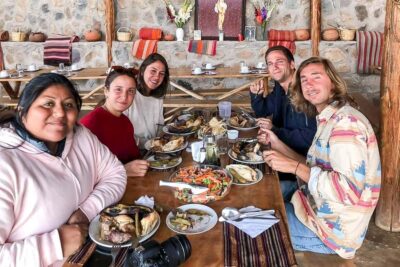
Humantay Lake Tour with Breakfast and Buffet Lunch
Read our review →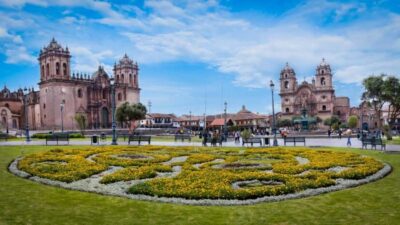
Half-Day City Tour with Sacsayhuaman and Q’enco
Read our review →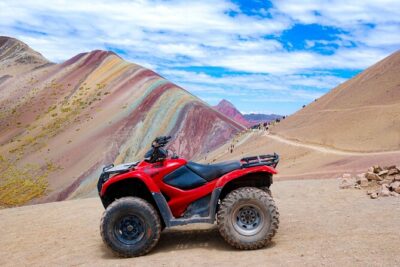
Vinicunca Rainbow Mountain ATV Tour with Meals
Read our review →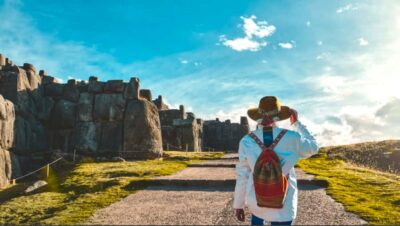
City Tour Cusco Qoricancha Sacsayhuaman y Tambomachay
Read our review →
Peruvian Cooking Class, Cocktails & Local Market Tour
Read our review →
7 Lakes Ausangate Trek with Breakfast and Lunch
Read our review →
Browse the lists this tour appears in