
Reviewed · HISTORICAL TOURS
Cusco: Full-Day Sacred Valley History Tour
The best part of this day is its range. In one long sweep from Cusco, you see Pisac’s terraces, the stonework of Ollantaytambo, the Urubamba River, and Chinchero’s living textile traditions. It is a useful first look at the Sacred Valley because the stops show both the Inca past and the Quechua culture that continues today.
I like the small-group size, limited to 15 people, and the route’s mix of ruins, mountain views, and local craft. Guides such as Eddy and Manuel have been praised for clear explanations in both English and Spanish. I also like that buffet lunch is included, which keeps the day simple.
The main caution is the schedule. Pickup can be slow, and the day lasts about 11 hours. Lunch may come late and take longer than you expect. Also check whether your booking includes the entrance option, since the separate tourist ticket costs S/70 per person.
Key points to know before booking
- Pisac combines a market visit with Inca terraces and stonework, giving you both a town stop and an archaeological site.
- Ollantaytambo is the strongest Inca architecture stop, with massive construction and rock forms linked to Wiracocha.
- Chinchero shows living Quechua traditions, including natural dye-making and textile work with alpaca and sheep wool.
- The guide matters on this bilingual tour, and Eddy and Manuel are two guides named in connection with especially strong departures.
- The $45 price includes transport, a guide, and buffet lunch, but the S/70 tourist ticket is separate unless you select an entrance-inclusive option.
- Expect a full day, with pickup around 7:30 AM and return near 7:00 PM at Plaza Regocijo.
Why this Sacred Valley route works
The Sacred Valley is not one single sight. It is a long corridor of fertile land north of Cusco, shaped by the Urubamba River and enclosed by high Andes peaks. The Incas valued it for its farmable plains, irrigation channels, and terraces, and this tour lets you see how those pieces fit together.
You travel by road from Cusco, with the van winding around the mountains. That makes the ride part of the experience, though it also means you should expect a long day in a vehicle. The route is best for you if you want a broad introduction rather than one site studied at a slow pace.
A bilingual guide explains the history in English and Spanish. On a mixed-language departure, explanations may alternate between the two languages, so some stops can take longer. Still, that arrangement allows English-speaking visitors to join a mostly Spanish-speaking group without losing the main information.
The group limit of 15 is helpful. You do not get the privacy of a private tour, but you also avoid the very large coaches that can make archaeological sites feel impersonal. If the van fills, expect a social day with several pickup stops at the start.
More Historical Tours in Sacred Valley:
- Lima’s Vibrant Heritage: Exploring the City’s Landmarks Half-day
★ 4.5 · 581 reviews - Lima: Historic Center Street Food, Market, and Eateries Tour
★ 4.9 · 216 reviews - Walking tour in the Historic Center of Arequipa
★ 4.4 · 180 reviews
The El Mirador view over the valley
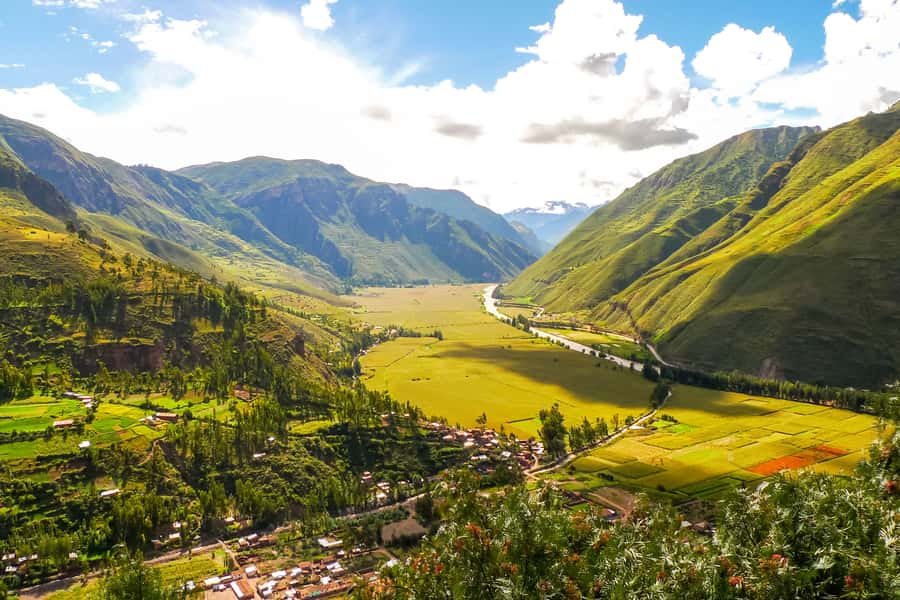
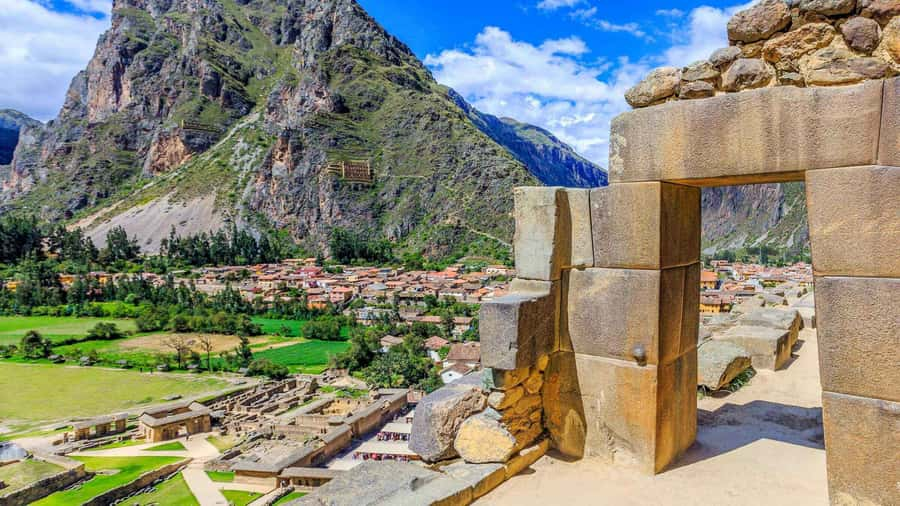
Your first major stop is El Mirador, a lookout above the Sacred Valley. From here, you can see the broad valley floor, steep mountain sides, and the pattern of old agricultural terraces.
This is where the guide gives the valley its meaning. The Incas did not simply build monuments in dramatic places. They used the fertile plains, directed water through irrigation channels, and cut terraces into slopes to make high-altitude farming more productive.
The lookout is valuable because it lets you see the valley as a working area rather than a string of ruins. Take a moment to study the shape of the fields and the scale of the mountains before returning to the van. Bring a light layer, since conditions can feel cooler and more exposed at a viewpoint than in town.
This early stop also sets expectations for the rest of the day. You will get big views and useful historical context, but you will not have unlimited time at each place. Keep your camera ready, listen for the meeting time, and stay aware of the guide’s instructions.
Pisac, from terraces to market stalls
The Pisac portion usually brings together two different experiences: the archaeological area and the town’s market. The ruins sit above the valley and are known for their stonework and large agricultural terraces.
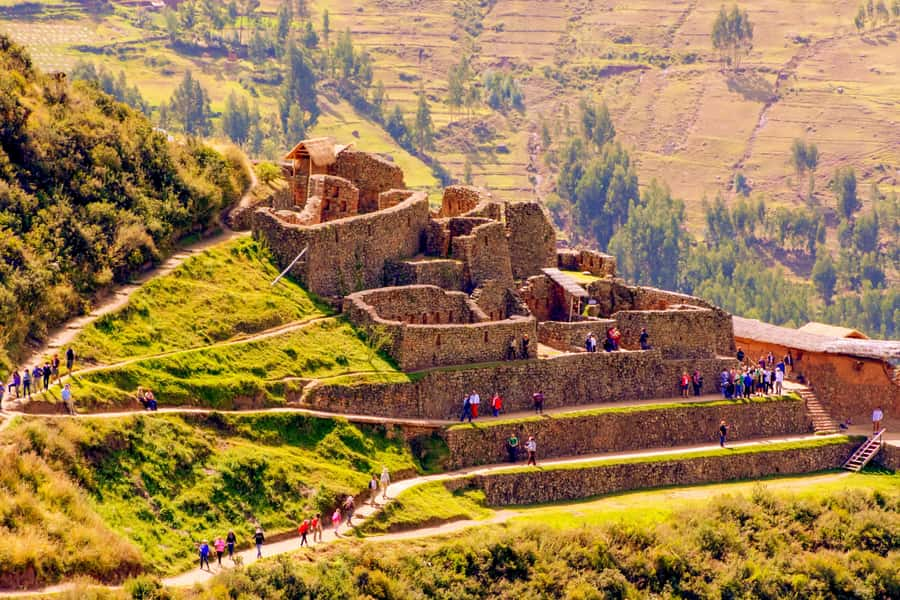
The terraces are the real lesson here. They show how the Incas adapted steep ground for farming, using careful construction and water management. You can also see examples of precise stonework, which the guide will connect to Inca building methods and local culture.
The market adds a more modern, commercial side to the stop. It is a colorful place to browse textiles, souvenirs, and local crafts. A jewelry presentation may also be included in the Pisac visit, with an explanation of Inca-inspired designs and materials.
You should think of Pisac as a place for looking and buying, not just sightseeing. If you want handmade goods, compare items before purchasing and keep small bills available. The tour does not promise a long independent shopping period, so do not assume you can spend the whole morning at the stalls.
The combination is useful, but it can feel busy. The ruins need walking and attention, while the market encourages browsing. Wear shoes with good grip, since the archaeological areas include uneven paths and steps. Comfortable footwear is specifically recommended, and you will be glad you followed that advice.
Urubamba lunch and the long middle of the day
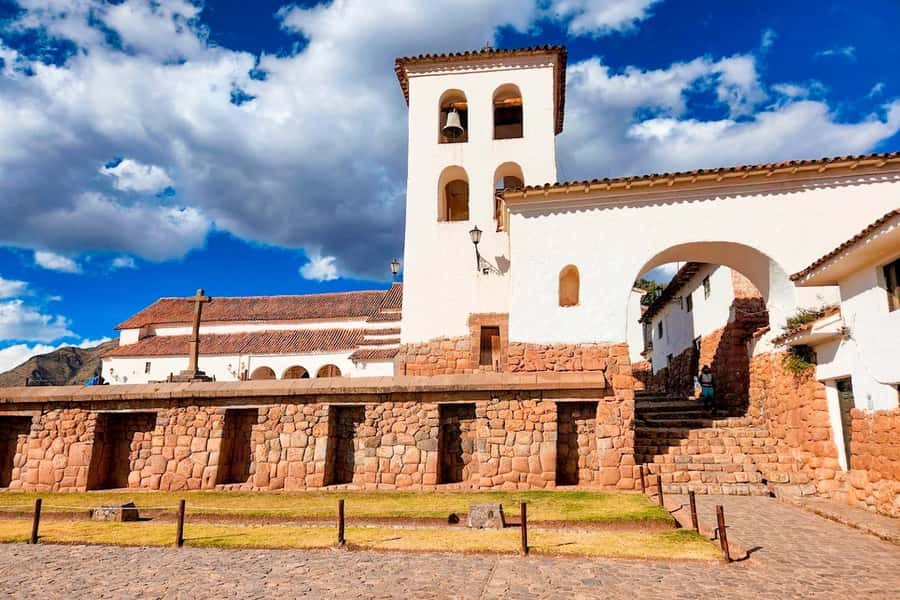
After Pisac, the group continues toward Urubamba for buffet lunch. This is a practical break in an otherwise demanding schedule, and the included meal means you do not need to arrange lunch on your own.
The buffet is served at a restaurant in Urubamba, with T’ika Wasi mentioned as one dining stop. The setting may be attractive, but the food can be plain and less exciting than the surroundings. Treat lunch as fuel rather than the culinary centerpiece of the day.
Timing matters here. The meal may begin around 1:30 PM and last until roughly 2:45 PM, which can feel late if you have been up since early morning. Some people may want only 30 minutes to eat, while the group schedule allows longer.
I suggest carrying a small snack for the morning, especially if you dislike late lunches. The tour includes buffet lunch, but it does not include other meals, so breakfast and snacks are your responsibility. You will also want water for the ride and the walking portions.
The break does give you a chance to sit down before the afternoon ruins. That matters because Ollantaytambo and Chinchero come after several hours of travel and sightseeing.
A few more Sacred Valley days worth weighing up
- Full-Day Excursion to Sacred Valley, Pisac and Ollantaytambo from Cusco
★ 4.5 · 174 reviews - Food and Culture Full day Tour in the Sacred Valley
★ 5.0 · 144 reviews - Sacred Valley Full-Day Private Tour from Urubamba & Ollantaytambo
★ 5.0 · 112 reviews - Excursion to Sacred Valley Full Day & Buffet Lunch |Group Tour|
★ 5.0 · 81 reviews
Following the Urubamba River to Ollantaytambo
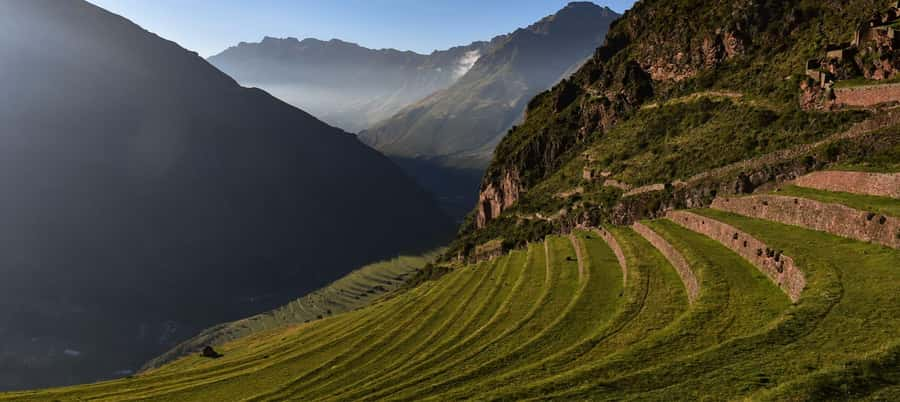
After lunch, the road follows the Urubamba River toward Ollantaytambo. The ride connects the valley’s towns and gives you more views of cultivated land, mountain slopes, and the river corridor.
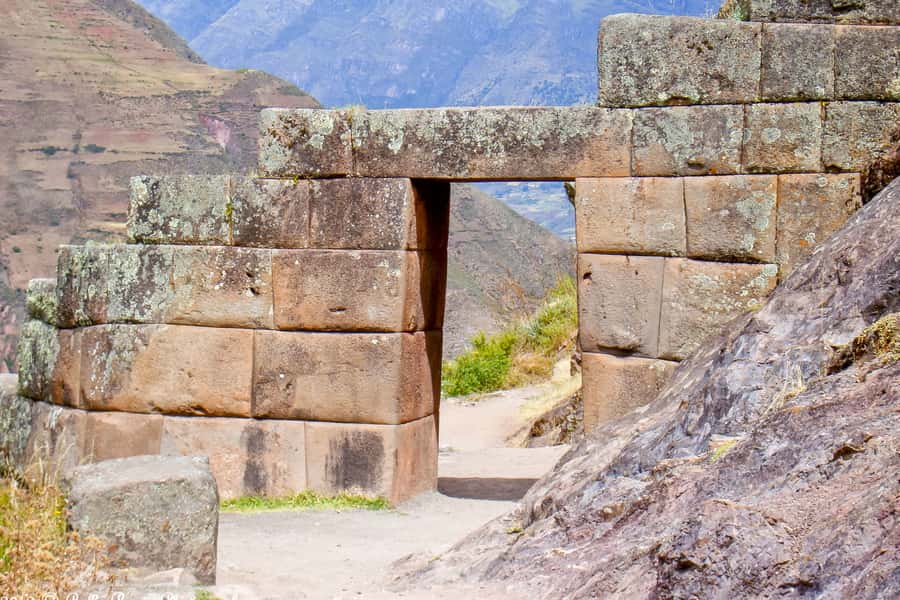
Ollantaytambo is the architectural high point of the tour. It was an important Inca construction center, and its massive stonework makes the scale of the Inca building program easier to understand. The site includes rock formations associated with Wiracocha, an important Inca deity.
This is not a quick photo stop. You will want to listen to the explanation of how the site was planned and why its stonework matters. The ruins also require walking, so save some energy after Pisac.
One practical detail can affect the feel of this stop: not everyone in the vehicle may be completing the same day. Some people may leave at Ollantaytambo to catch a train toward Machu Picchu, while others continue to Chinchero and Cusco. That can create a shift in the group during the afternoon.
If you are staying with the full Sacred Valley tour, confirm with your guide where and when to regroup. The changing group can be useful if you are continuing to another destination, but it may make the day feel less uniform.
Chinchero and the craft traditions that continue
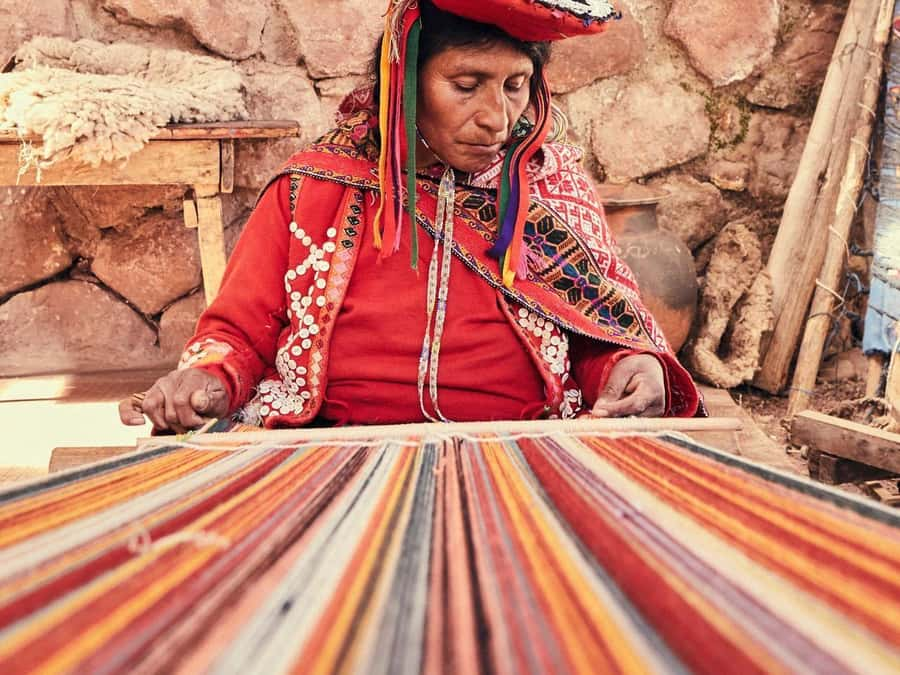
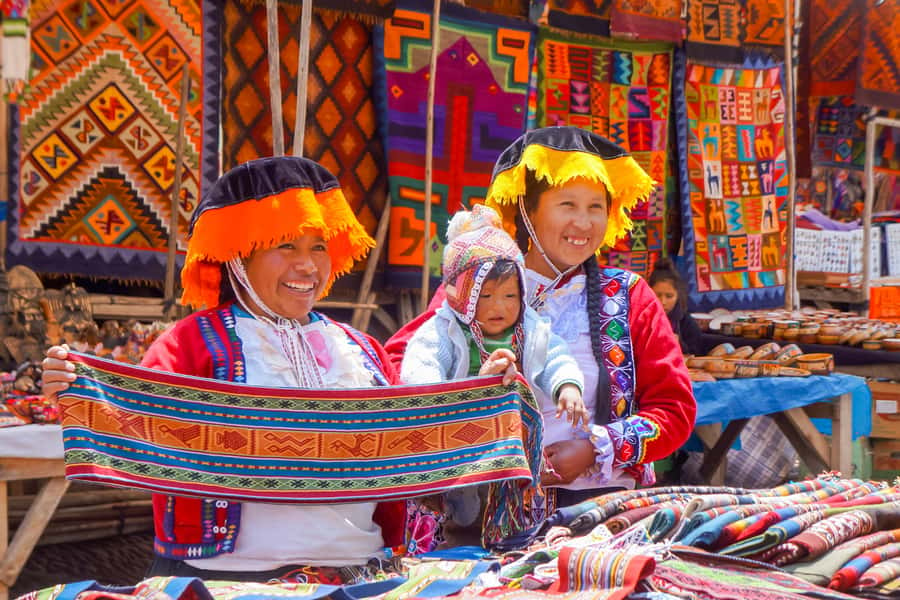
Chinchero gives the tour its strongest connection to present-day Quechua life. The town’s residents maintain old customs, wear multicolored clothing, and in some cases speak Quechua as their only language.
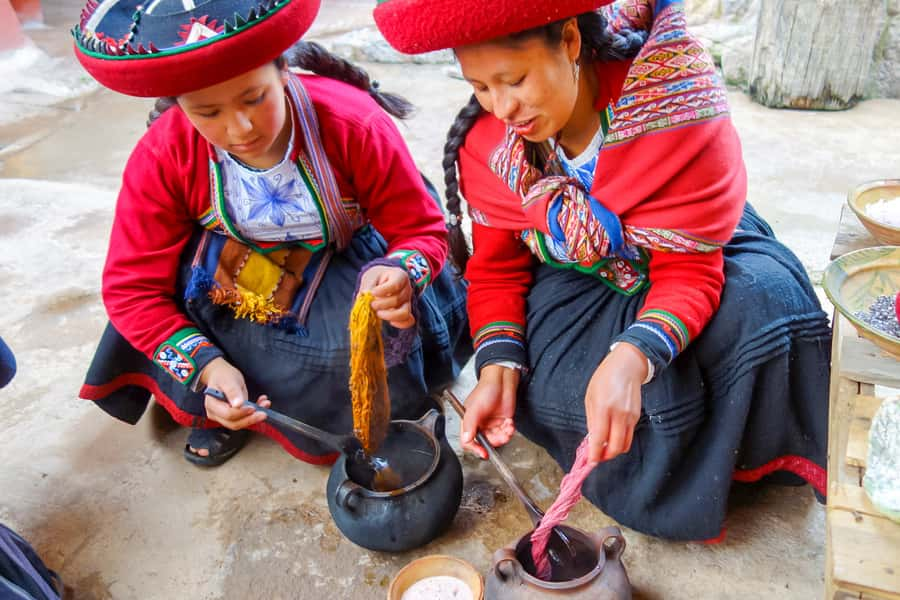
The textile demonstration focuses on how natural dyes are made and how wool is prepared for weaving. You may see techniques using alpaca and sheep wool, along with explanations of how colors are produced from natural materials.
This part of the day matters because it moves beyond ruins. The Inca past is not confined to stones and terraces. Clothing, language, weaving, and community customs continue to shape life in the region.
Chinchero is also a good place to consider buying a textile, but shop carefully. High-quality alpaca pieces can cost more than ordinary tourist goods, and cash is useful. Bring cash if you hope to purchase something, since card payment is not guaranteed by the tour details.
The stop can be tiring after a full day, but it gives the route a human scale. You are not only looking at what the Incas built. You are seeing skills passed through generations and still used in local communities.
What the $45 price really includes
At $45 per person, this is a low-cost way to cover a large section of the Sacred Valley in one day. The value comes from combining transportation, a bilingual professional guide, buffet lunch, and several major stops.
The price is strongest if you are staying in Cusco and want an overview without arranging several separate rides. Private transport to Pisac, Urubamba, Ollantaytambo, and Chinchero would cost more and require careful planning.
The main extra cost is the tourist ticket, listed at S/70 per person. Entrance to the ruins is included only if you choose the appropriate option, so read the booking choices closely before paying. A cheap tour can become less cheap if you discover the entrance fee at the meeting point.
The tour includes pickup from hotels in Cusco’s historic center. At the end, drop-off is at Plaza Regocijo rather than necessarily at your hotel. That is convenient if you want to continue into central Cusco, but you should plan your walk back, especially after 7:00 PM.
Free cancellation up to 24 hours before departure and the option to reserve now and pay later add flexibility. These features are useful when your Cusco plans depend on altitude adjustment, train schedules, or weather.
The early pickup and return schedule
Pickup begins around 7:30 AM, though the exact time depends on your accommodation and the order of hotel stops. Allow extra time. A departure can involve collecting passengers, driving to a transport area, and waiting before the van finally leaves Cusco.
One departure had almost an hour of delay before the main route began. That is not a reason to reject the tour, but it is a reason not to schedule an important evening activity too close to the expected 7:00 PM return.
The full day runs for about 11 hours. You will spend a good deal of it in the vehicle, with walking at the lookout, Pisac, Ollantaytambo, and Chinchero. It is not suitable for wheelchair users, and anyone with mobility concerns should consider the uneven archaeological areas and long duration.
Wear comfortable shoes, bring sun protection, and carry water. The supplied information specifically calls for comfortable footwear, and that is the most important clothing advice for a day with several ruins and terraces.
How the guides shape the experience
A strong guide makes a major difference on this route because the sites can otherwise blur together. The best explanations connect the terraces, irrigation, stonework, farming, language, and textiles into one story about the valley.
Eddy has been singled out for explaining Cusco, its people, and local culture during the drives, as well as introducing each stop. Manuel has also been praised for clear explanations and for covering Inca jewelry, archaeological sites, and textile production.
You may not have either guide on your departure, but their approach shows what to expect from a good bilingual tour: history on the road, site explanations in both languages, and enough cultural context to make the stops meaningful.
Because the group can include Spanish and English speakers, listen for the start of each explanation and stay near the guide if you want every detail. A mixed-language tour can take longer, but it also keeps the price down and opens the route to a wider group.
Who should book this day tour
I would choose this tour if you have limited time in Cusco and want to see the Sacred Valley’s main highlights in one organized day. It suits first-time visitors, budget-conscious couples, and anyone who prefers a guide and included lunch over independent transport planning.
It is also a good fit if you want more than ruins. Pisac brings market culture, Ollantaytambo brings major Inca construction, and Chinchero brings living textile traditions. That range is the tour’s strongest feature.
I would hesitate if you dislike early starts, long van rides, late lunches, or fixed group schedules. You may also prefer a private or slower tour if your main goal is detailed photography at one site.
Should you book the Sacred Valley History Tour?
Book it if you want broad coverage at a sensible price and can accept a full, busy day. The most worthwhile parts are the Pisac terraces, Ollantaytambo’s stonework, and Chinchero’s natural dye demonstration, with the guide’s explanations tying them together.
Before booking, confirm the entrance-ticket option, prepare for a possible slow pickup, and keep your evening free. With those expectations, the $45 cost offers a practical introduction to the Sacred Valley, especially for someone who wants history, scenery, crafts, and lunch handled in one day.
FAQ
How long does the Sacred Valley tour last?
The tour lasts about 11 hours. Pickup is around 7:30 AM, and return to Cusco is expected around 7:00 PM.
Where does pickup take place?
Pickup is available from hotels in the historic center of Cusco.
Where does the tour end?
Drop-off is at Plaza Regocijo in Cusco.
Is lunch included?
Yes. A buffet lunch in Urubamba is included. Other meals are not included.
Is the tourist ticket included?
The tourist ticket costs S/70 per person and is not included. Entrance to the ruins is included only when you select the option that includes it.
Which languages are available?
The live guide service is available in English and Spanish.
How many people are in the group?
The tour is described as a small-group experience limited to 15 participants.
Is the tour suitable for wheelchair users?
No. The experience is not suitable for wheelchair users.
Just added around Sacred Valley
- Zipline over the Sacred Valley Trip★ 5.0 · 11 reviews
- Visit Pisac from Cusco: Private Transport★ 4.6 · 9 reviews
- Maras and Huaypo lagoon by ATV from Cuzco | Local Operator★ 4.7 · 4 reviews
- Transfer from Cusco to Ollantaytambo★ 5.0 · 30 reviews
- Sacred Valley VIP Tour with Maras and Moray from Cusco★ 4.5 · 35 reviews
- Sacred Valley Private Tour, Moray & Salt Mines Incluided★ 5.0 · 41 reviews
- Salt Mines(Maras),Moray and Chincheros★ 5.0 · 41 reviews
- Excursion to Sacred Valley of the Incas tour – Private service.★ 5.0 · 35 reviews
Historical Tours, compared.
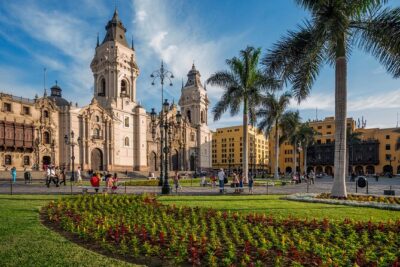
Lima’s Vibrant Heritage: Exploring the City’s Landmarks Half-day
Read our review →
Historic Center Street Food, Market, and Eateries Tour
Read our review →
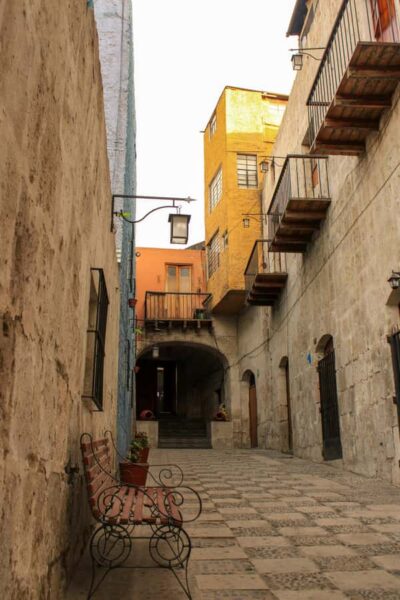
Walking tour in the Historic Center of Arequipa
Read our review →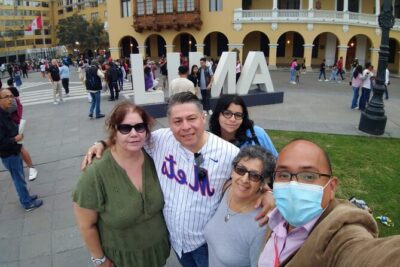
Historic Downtown, Miraflores & Catacombs Private Tour
Read our review →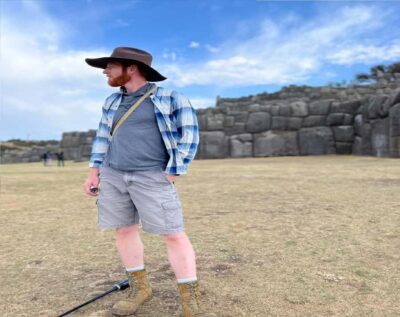
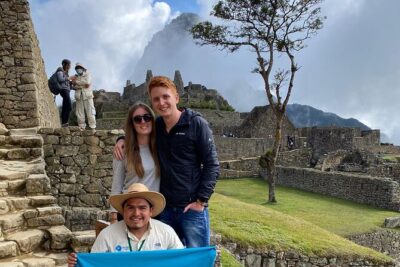
Machu Picchu Private Archaeological and Historical Guided Tour
Read our review →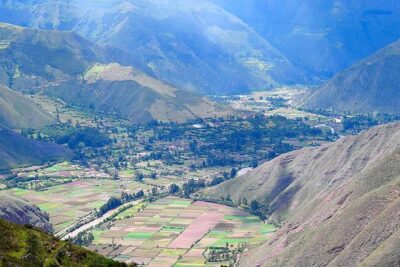
Browse the lists this tour appears in