
Reviewed · CUSCO TOURS
Cusco: Alpaca and Llama Farm Tour w/ Transfer & Weaving Demo
The most memorable part of this Cusco outing is the chance to see four South American camelids in one place: llamas, alpacas, vicuñas, and huanacos. You can get close to the animals, feed some of them by hand, and then see how alpaca wool becomes traditional cloth.
I like the easy hotel transfer, which gets you out of central Cusco in about 20 minutes, and I like the clear link between animals, Inca culture, and modern Andean weaving. The main caution is the retail stop at the end. It can be useful for learning about textiles, but prices may be much higher than in Cusco shops, and one visitor found the visit a little rushed.
What makes this farm visit worth your time
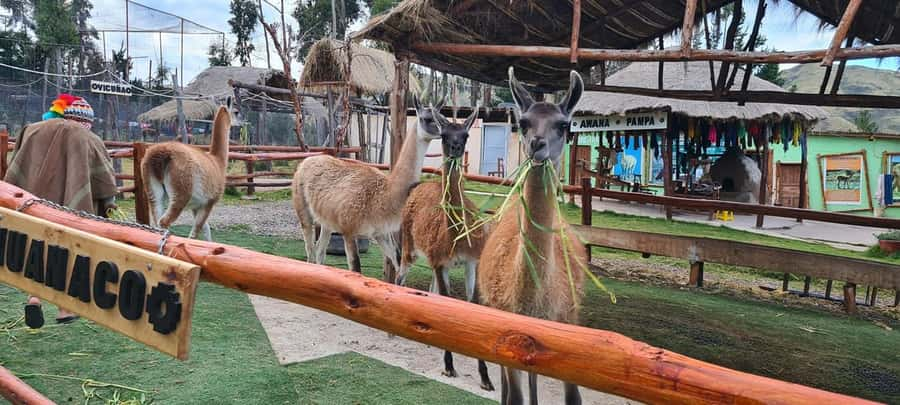
- Four camelid species together: Compare two types of alpaca and four types of llama, along with vicuñas and huanacos.
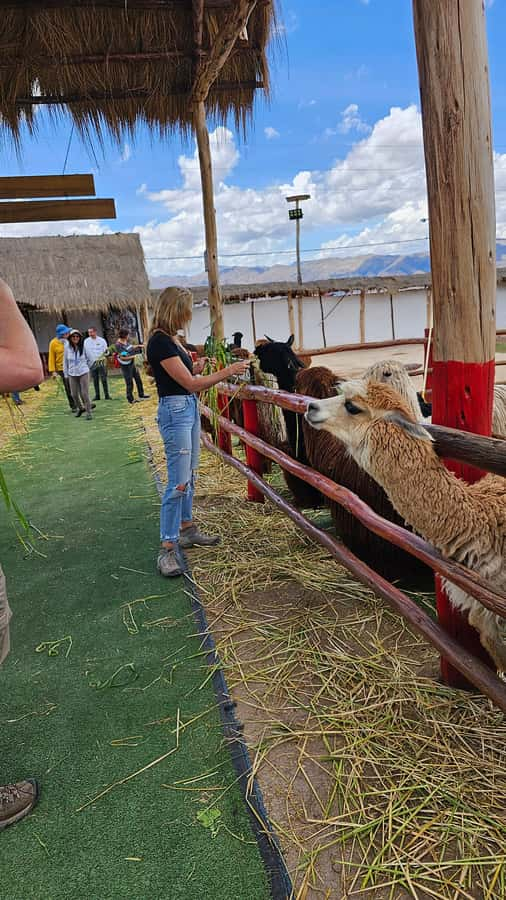
- Hands-on animal time: You may feed and pet the llamas and alpacas while learning how their behavior and appearance differ.
- A short ride from central Cusco: The farm is about 20 minutes from the historic center, so this fits neatly into a half-day plan.
- Traditional weaving in practice: Watch local textile workers spin, dye, and weave wool, and learn how to spot genuine baby alpaca fabric.
- A gentle first activity in Cusco: The relaxed pace suits your first days at altitude better than a demanding mountain excursion.
- A strong guide component: Guides including Marileth, Marlith, Holger, Olga, and Olger have been praised for clear explanations and helpful answers.
From Cusco streets to Andean camelids
Your day begins with pickup in Cusco and a drive to Manos de la Comunidad. The ride takes roughly 20 minutes from the historic center, though the route climbs and can offer broad views back toward the city.
That short transfer matters. You get a change of setting without committing a whole day to the Sacred Valley or a more strenuous excursion. If you have just arrived in Cusco, this is a sensible way to begin seeing the region while keeping your walking and physical effort modest.
The experience lasts about 150 minutes overall, with around 80 minutes listed for the guided farm visit. In practice, the exact pace may depend on transfers, the group, and how much time you spend with the animals and textiles. One visitor felt the tour finished sooner than expected, so I would not book it assuming every minute will be spent at the pens.
The setting is designed for close viewing and photographs rather than a wild-animal safari. You are visiting a working cultural attraction where the animals, educational displays, weaving, and shopping are all part of the program. That makes it accessible and convenient, but it also means the visit has a commercial side.
A few more Cusco days worth weighing up
- Private Ollantaytambo, Pisac Ruins Tour with Farm Visit, Gourmet Picnic Lunch
★ 5.0 · 52 reviews - From Cusco: Private Pisac Ruins and Alpaca Farm Day Trip
★ 5.0 · 9 reviews
Meeting alpacas, llamas, vicuñas, and huanacos
The farm visit begins with an explanation of the ancient South American camelids. You learn how these animals were domesticated and how Andean societies, including the Incas, developed particular varieties for wool, transport, and other uses.
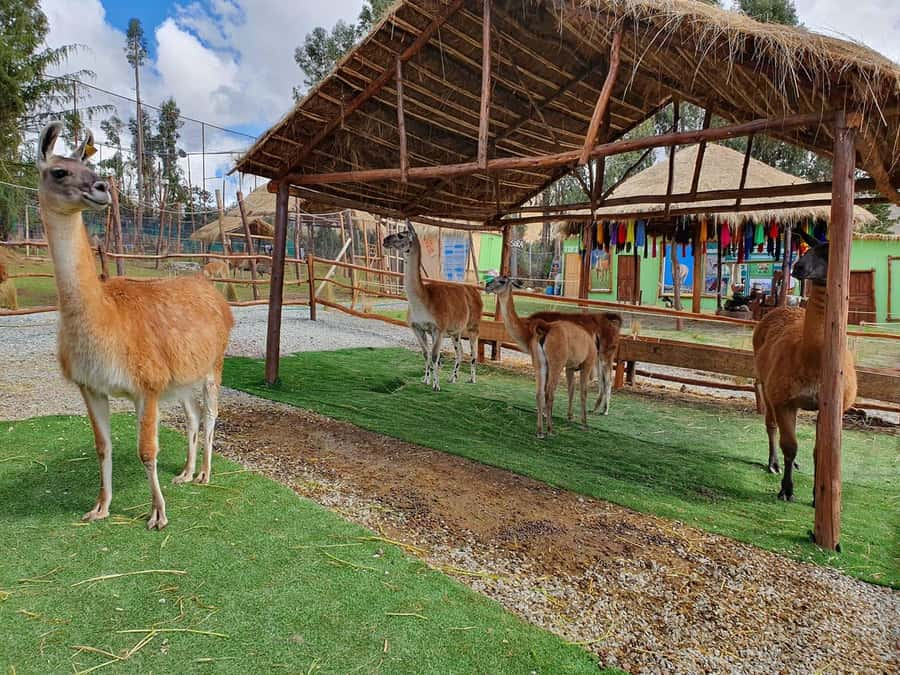
The animal names can blur together before a visit like this. The guide helps sort them out. You see two varieties of alpaca and four types of llama, then compare those domesticated animals with their wild ancestors and relatives, the vicuña and huanaco.
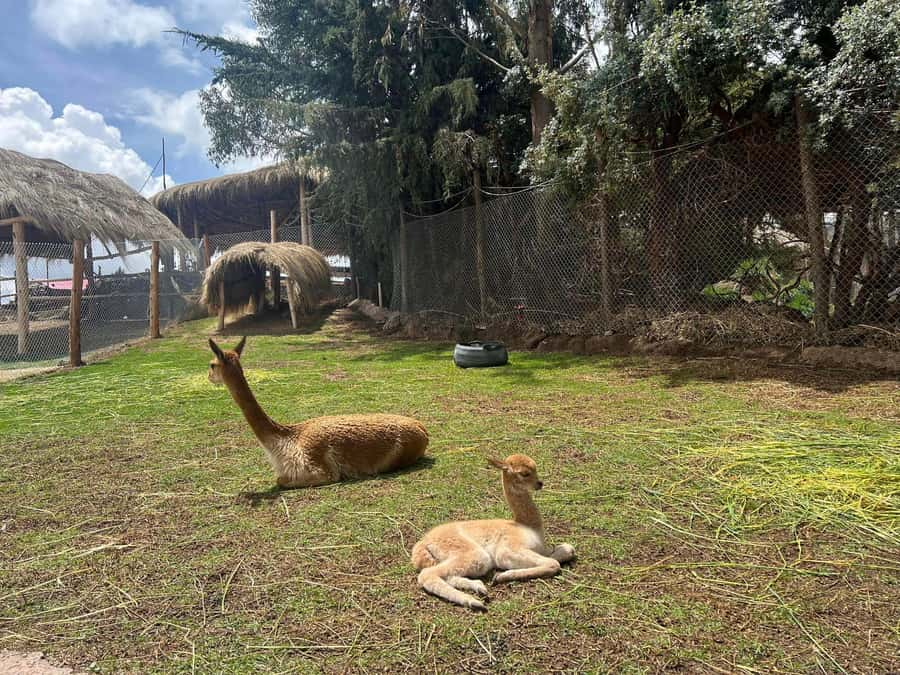
Vicuñas are especially important in Andean culture and are often called the gold of the Andes because of the value of their fine wool. Seeing one beside an alpaca makes the differences easier to understand than a museum label alone. The huanacos add another useful comparison, even if the alpacas are likely to attract most of your attention.
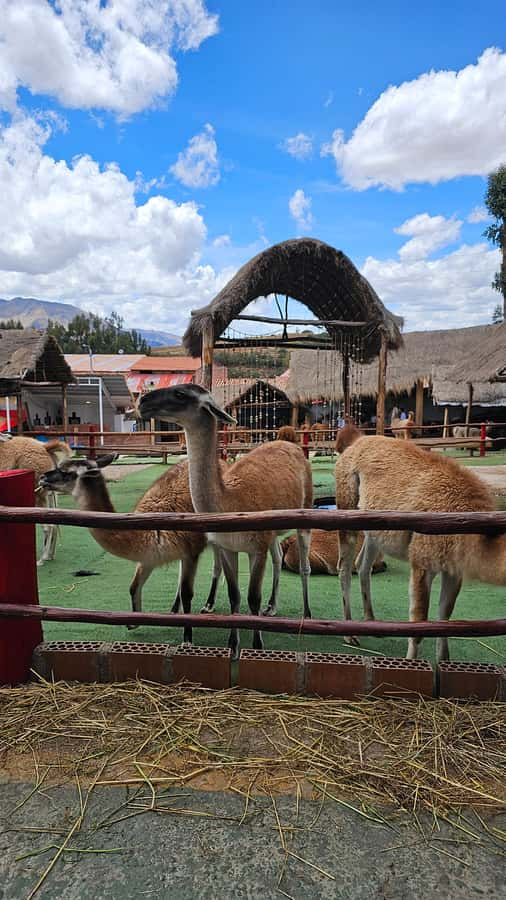
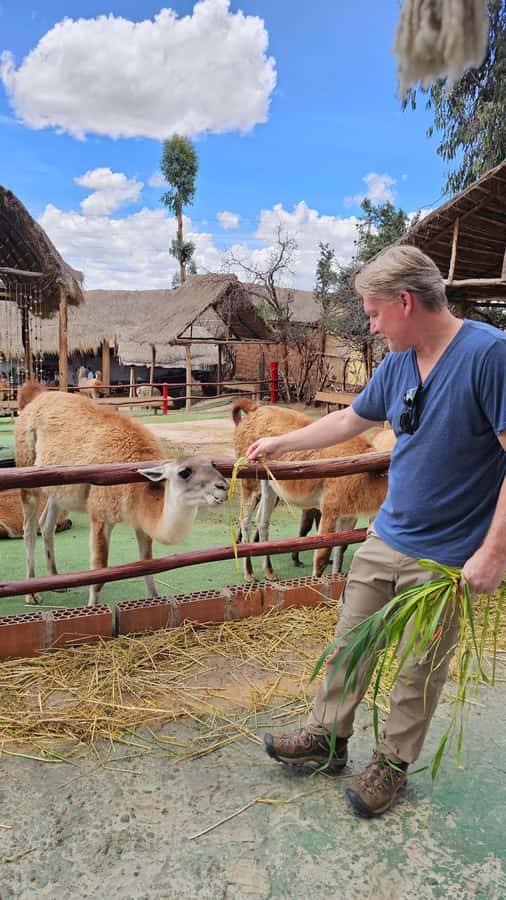
Expect plenty of photo opportunities. You may be able to feed and pet some of the llamas and alpacas by hand, depending on the animals and the guide’s instructions. Several guides have been praised for helping with photographs, which is handy when you are trying to frame an animal that has decided to turn its head at exactly the wrong moment.
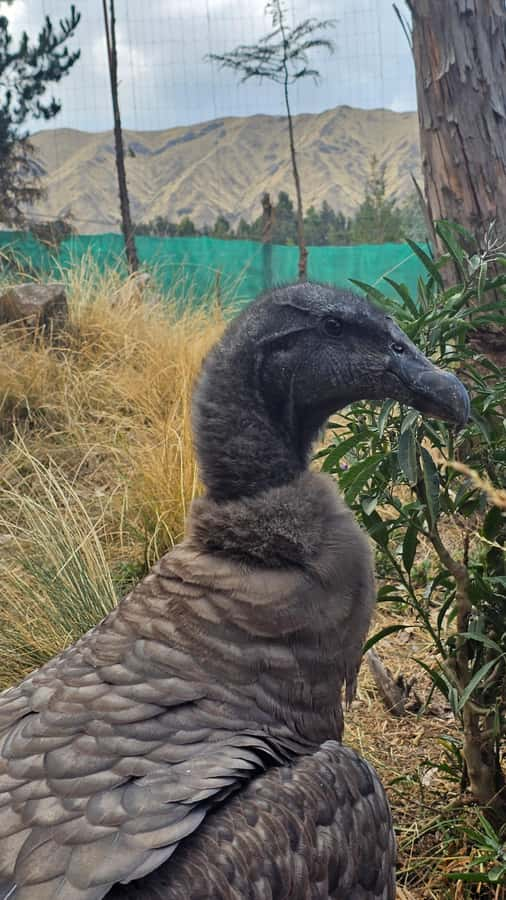
The experience can include more than the main camelid group. Reports from the visit describe rescued condors, deer, guinea pigs, and other animals on the grounds. These extras are not the central promise of the outing, so treat them as a bonus rather than a guaranteed highlight of equal length.
The animals are a major reason to book this activity, but the guide’s interpretation gives the visit its purpose. Without the explanations, it could be little more than a photo stop. With them, you begin to see how wool, farming, trade, status, and Andean identity are connected.
Why the Inca connection adds value
The farm is not only about cute animals. The guide places them in the story of the Andes, explaining domestication and the species developed during the Inca period.
That historical link is brief rather than a full archaeological lesson, but it gives you a useful frame for later visits to Cusco, the Sacred Valley, or Machu Picchu. Textiles were not simply souvenirs in the Inca world. Cloth carried practical, social, and ceremonial value, and the animals supplied materials that supported this system.
Guides such as Holger and Marileth have been praised for answering questions about Cusco, Peruvian culture, and the Incas without turning the tour into a lecture. That balance suits this short format. You get enough context to understand what you are seeing, then return to the animals before your attention wanders.
I especially like this aspect for families and first-time visitors. Children can begin with the llamas, while adults get a clearer sense of why these animals matter beyond their photogenic faces. The same mix works for anyone who wants an introduction to Andean culture without spending hours inside a museum.
Watching wool become cloth
After the animal portion, you see a weaving demonstration showing how local textile workers use traditional methods to produce cloth. The exact presentation can include spinning, dyeing, weaving, and explanations of wool quality.
This is where the visit moves from observation to practical understanding. You see that a soft scarf or sweater represents several steps, not just a pretty pattern on a shop shelf. The guide may explain the differences among alpaca fibers and show how genuine baby alpaca fabric can be distinguished from imitations.
That information is useful if you plan to buy textiles in Peru. You should still compare prices and ask questions before purchasing. One person found yarn at the farm’s shop for 60 soles that was available in Cusco for 15 soles. The difference does not automatically mean the farm’s product is poor, since quality, design, labor, and support for local work may vary, but you should not assume the shop has the lowest price.
Ancient fabrics and textile examples may also be shown. These pieces help connect current weaving to older Andean techniques. The demonstration is not a workshop, so you should not expect to make your own textile, but it gives you a better eye for the work you will see throughout Peru.
The retail area follows the educational demonstration. It is large and offers attractive products, and some people appreciate having time to browse. I would simply set a budget before entering. One person felt watched while shopping, although there was no pressure to buy. You can look, ask about materials, and leave without purchasing a souvenir.
Same base, a completely different kind of day:
- Cusco: Humantay Lake Tour with Breakfast and Buffet Lunch
★ 4.9 · 2,976 reviews - Cusco: Half-Day City Tour with Sacsayhuaman and Q’enco
★ 4.6 · 1,129 reviews - From Cusco: Vinicunca Rainbow Mountain ATV Tour with Meals
★ 4.6 · 1,060 reviews - City Tour Cusco Qoricancha Sacsayhuaman y Tambomachay
★ 4.7 · 617 reviews
Guides who make the difference
This is a guide-led experience, and the quality of the explanation matters as much as the animals. The names that appear repeatedly in the feedback include Marileth and Marlith, along with Holger, Olger, and Olga. Spelling may vary, but the recurring strength is the same: clear explanations, patience, humor, and help with questions and photographs.
Marileth and Marlith were praised for explaining the animals, wool, and weaving in an approachable way. Holger was noted for answering questions about Cusco, Inca culture, and Peru without overloading the visit with detail. Olga was described as especially well prepared on the animal and textile subjects.
You may receive one of these guides or another member of the English or Spanish-speaking team. The activity is offered in English and Spanish. If you have a question about fiber quality, conservation, or the difference between camelid species, ask it during the visit. The experience gains much of its value through conversation.
The driver can also add to the outing. One account specifically praised the winding uphill drive and the views of Cusco along the way. Do not expect a sightseeing drive with scheduled viewpoints, but keep an eye outside the vehicle as you leave the city.
Is $34 a fair price?
At $34 per person, the package is good value if you want several small experiences in one outing. The price includes hotel pickup and drop-off, the guide, farm entry, the weaving demonstration, and water. You are paying for transport as well as the visit, which makes the cost more attractive than a simple admission ticket.
The 150-minute duration is also useful. You get animals, cultural explanation, and textiles in one compact block, leaving the rest of your day open for Cusco’s churches, markets, museums, or a meal.
The value drops if you are looking only for a long animal encounter. The guided farm portion is around 80 minutes, and the total time includes transfers. If you want hours with alpacas or a hands-on weaving class, this is not that kind of activity.
The included return transfer is a real benefit. Cusco traffic, hills, and unfamiliar roads can make a short trip more complicated than it appears on a map. Having transport arranged lets you focus on the visit rather than finding a taxi back.
Souvenirs are not included. That is standard, but the shop prices mean you should treat shopping as optional. You may find similar yarn and textiles for less in Cusco, so enjoy the demonstration first and buy only if the item and price make sense to you.
Who should book this Cusco farm tour?
I would recommend it for families, animal lovers, photographers, and anyone who wants a light first activity after arriving in Cusco. It also suits you if you are curious about Peruvian textiles but do not want to spend a full day visiting weaving communities.
It is particularly useful during acclimatization. Several people chose it during their first days in Cusco because it involves a short transfer and a leisurely visit rather than a demanding walk at high altitude. You still need to take altitude seriously, but the program does not ask you to hike long distances or climb a major archaeological site.
The tour also works well for visitors with limited time. The farm is close to the historic center, and hotel pickup and drop-off reduce the planning needed. Wheelchair access is listed, though you should confirm the exact route and surfaces with the provider if you have specific mobility needs.
You may prefer another activity if your main interest is wildlife in natural surroundings, an in-depth archaeology tour, or a serious textile workshop. This is a polished educational visit with a shop, not a remote rural farm stay.
Booking details to know before you go
The activity offers free cancellation up to 24 hours before the scheduled start, and you can reserve now while paying later. Starting times depend on availability, so check the date carefully before booking.
English and Spanish guides are available. Hotel pickup and drop-off are included in Cusco, and the experience uses a separate entrance, which may help keep arrival straightforward.
Wear comfortable clothing and bring your camera. The visit is outdoors around animals, and Cusco weather can change quickly, so a light layer is sensible. Water is included, but you may want extra drinks if you are sensitive to altitude.
Keep your expectations realistic about timing. Most people find the pace easy and informative, but one person felt rushed and said the full experience was shorter than expected. If you want more time for photographs, tell your guide early rather than waiting until the final shop stop.
Should you book it?
Book this tour if you want an easy, well-priced introduction to Cusco’s camelids and textile traditions. The combination of close animal encounters, Inca context, weaving, and hotel transport gives you more substance than a quick photo stop.
I would especially choose it for your first or second day in Cusco, when you want to see something meaningful without taking on a demanding excursion. Just allow for a commercial finish, compare textile prices before buying, and remember that the listed 150 minutes includes transportation.
For $34, the visit earns its place on a Cusco schedule. It is friendly, educational, and compact, with enough cultural background to make the llamas and alpacas feel like part of Peru’s story rather than just a cute backdrop.
FAQ
Where does the tour take place?
The visit takes place at Manos de la Comunidad in the Cusco Region, about 20 minutes from Cusco’s historic center.
How long does the activity last?
The listed duration is 150 minutes. The guided farm visit itself is listed as 80 minutes, with the remaining time covering transportation and other parts of the experience.
Is hotel transportation included?
Yes. Pickup from your Cusco hotel and return drop-off are included.
Which animals can I see?
You can see two varieties of alpaca, four types of llama, vicuñas, and huanacos. The grounds may also include condors, deer, guinea pigs, and other animals.
Can I feed or pet the animals?
You may be able to feed and pet the llamas and alpacas by hand, depending on the guide’s instructions and the animals at the time of your visit.
Is there a weaving demonstration?
Yes. The tour includes a demonstration of traditional weaving techniques, along with information about wool and textile production.
Can I learn how to identify baby alpaca fabric?
The weaving presentation may explain how to distinguish genuine baby alpaca fabric from imitations.
What languages are available?
The tour is offered with live guides in English and Spanish.
Is the activity wheelchair accessible?
The activity is listed as wheelchair accessible. If you have specific mobility requirements, confirm the route and conditions with the provider before booking.
Can I cancel for a full refund?
Yes. You can cancel up to 24 hours in advance for a full refund.
Just added around Cusco
- Waqrapukara 1 day trekking + meals★ 3.9 · 3 reviews
- Visit to the Cochahuasi Animal Sanctuary with rescued animal★ 4.1 · 4 reviews
- Vinicunca Mountain Tour – Full Day Tour to Rainbow Mountain★ 3.4 · 4 reviews
- Valle Sur Cusco | half day★ 4.3 · 3 reviews
- Trek to Humantay Lake from Cusco★ 4.9 · 8 reviews
- Trek to Choquequirao 4 days★ 3.8 · 4 reviews
- rainbow mountain full day★ 5.0 · 44 reviews
- Tour to the HUMANTAY LAGOON from CUSCO★ 5.0 · 35 reviews
Cusco Tours, compared.
Humantay Lake Tour with Breakfast and Buffet Lunch
Read our review →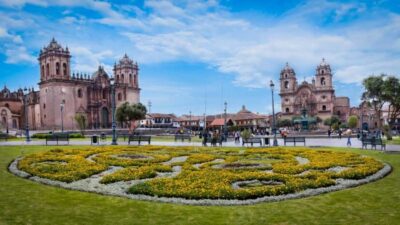
Half-Day City Tour with Sacsayhuaman and Q’enco
Read our review →
Vinicunca Rainbow Mountain ATV Tour with Meals
Read our review →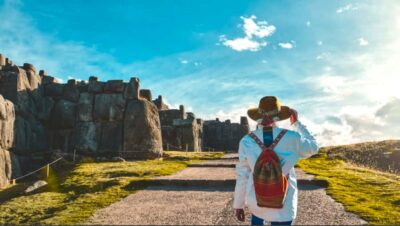
City Tour Cusco Qoricancha Sacsayhuaman y Tambomachay
Read our review →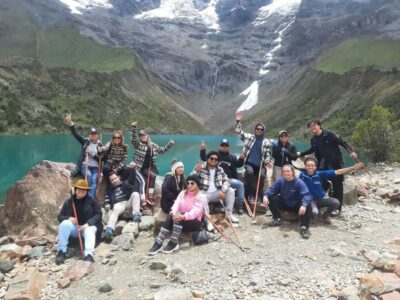
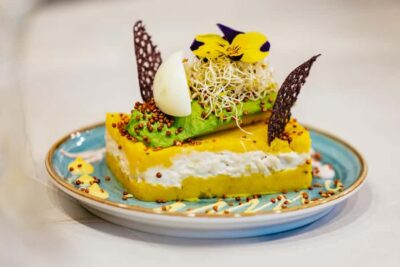
Peruvian Cooking Class, Cocktails & Local Market Tour
Read our review →
7 Lakes Ausangate Trek with Breakfast and Lunch
Read our review →
Browse the lists this tour appears in