
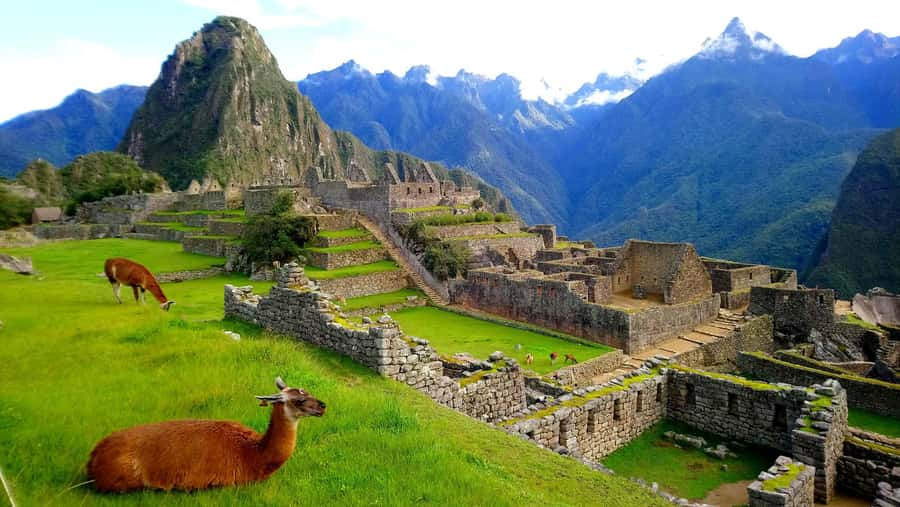
Reviewed · INCA TRAIL TREKS
Cusco: 4-Day Inca Trail to Machu Picchu with Accommodation
The best thing about this four-day route is its variety. You start with a 50-kilometer downhill bike ride from high Andes to cloud forest, then walk through coffee and coca country before reaching Machu Picchu. It feels less like a single long march and more like a moving tour of the Cusco region.
I like the hands-on coffee roasting at the forest eco-house, and I like the stop at Cocalmayo thermal baths, which arrives at just the right moment after a long day. The main consideration is comfort: the accommodation is simple, especially near Machu Picchu, and the hiking days still demand decent fitness.
Key points at a glance
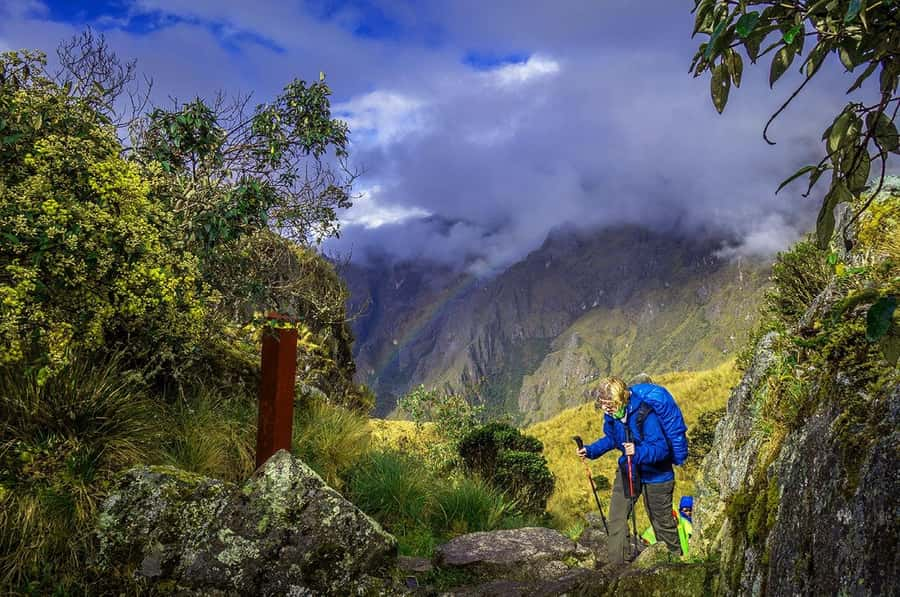
- A high-to-low bike ride: Begin at Abra Málaga and descend through Puna and cloud forest toward Huaman Marq’a.
- A small group of up to nine: The group size allows guides such as Francis, Gerson, Luis, and Amaru to give personal help and keep the pace together.
- Coffee made where it grows: Roast and grind coffee at the Pispitayoc eco-house, with a local forest setting for the first night.
- A long second day: Expect a hike through the Qhapaq Ñan network, plantations, and mountain viewpoints before the thermal baths.
- Machu Picchu is included: The entrance ticket, guided citadel tour, return train, and bus back to Cusco are part of the package.
- A strong price for a packed trip: At $470 per person, meals, three nights, transport, activities, tickets, and guiding are included, though extras still need cash.
A livelier alternative to the classic Inca Trail
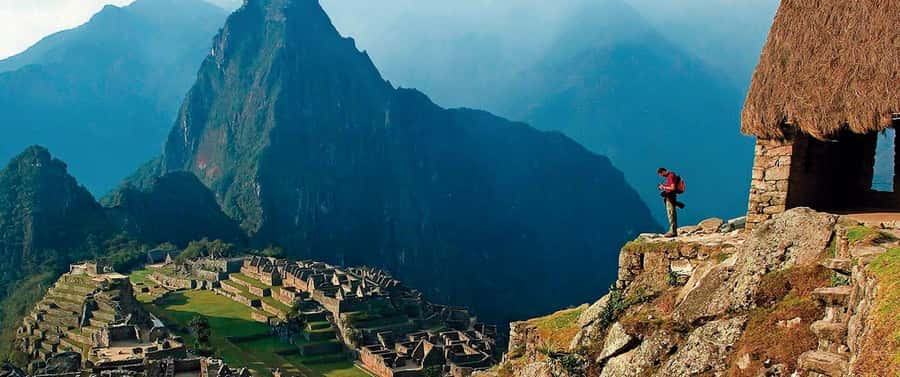
This is called an Inca Trail trip, but it is not the famous four-day route from the high-altitude trailhead through the Sun Gate. Instead, you follow the Inca Jungle route toward Machu Picchu, with roads, plantations, villages, train tracks, and sections of the wider Qhapaq Ñan network.
That difference matters. You do not get the stone stairways and remote campsites of the classic trail every day. You do get more variety, easier transport between sections, and several activities beyond walking. If your dream is to hike the traditional Inca Trail from start to finish, choose a different tour. If you want to reach Machu Picchu with biking, jungle paths, coffee, hot springs, and a little adrenaline, this route makes a strong case.
The small-group format is another plus. Groups are limited to nine, and the guides named in the bookings include Francis, Gerson, Luis, Amaru, Armando, Richard, Franchesco, and others. The guide you receive will vary, but the best guides do more than point out ruins. They explain Andean culture, local plants, Inca customs, and the practical details that keep the trip moving.
More Inca Trail departures:
- Cusco: Machu Picchu 2-Day Inca Trail with Panoramic Train
★ 4.9 · 260 reviews - From Cusco: 2-Day Inca Trail to Machu Picchu
★ 4.2 · 244 reviews - Machu Picchu: Inca Trail 2-Day Overnight Guided Tour
★ 4.9 · 203 reviews
Day 1: From Cusco at 6:00 AM to the cloud forest
Your morning starts early at the Plaza Mayor in Cusco. The guide looks for you by name and wears the agency jacket, so arrive ready for a quick meeting in the busy main square. The drive passes through Chinchero, Urubamba, and Ollantaytambo, giving you an early look at the Sacred Valley before the adventure begins.
At Abra Málaga, the high pass, you receive a Kona bicycle and safety gear. The package includes a helmet, goggles, gloves, elbow pads, knee pads, and a rain jacket. The descent runs for about three hours and covers roughly 50 kilometers, moving from the high Puna zone into cloud forest.
This is the trip’s easiest way to cover serious ground. You get wide mountain views without spending the first day climbing uphill, though downhill riding still requires attention. Wet weather can make the road feel more demanding, and the supplied safety gear is not decoration. Use it.
The route ends near the Huaman Marq’a ruins. After a short van ride and walk, you continue toward Santa Maria and then Pispitayoc village. Your first night is in an eco-house in the forest, with dinner included.
The Pispitayoc stay is one of the most memorable parts of the trip because it feels connected to local life rather than like a standard hotel. The setting is basic, and comfort levels can vary, but the forest atmosphere gives the night a sense of place that a generic room in town cannot match.
Day 2: Coffee, Qhapaq Ñan paths, and Cocalmayo
After breakfast, your guide introduces you to coffee roasting. You take part in roasting and grinding the beans, a simple activity that adds meaning to the plantations you will see later. Several guides also add small cultural explanations and rituals along the way, depending on the group and the person leading it.
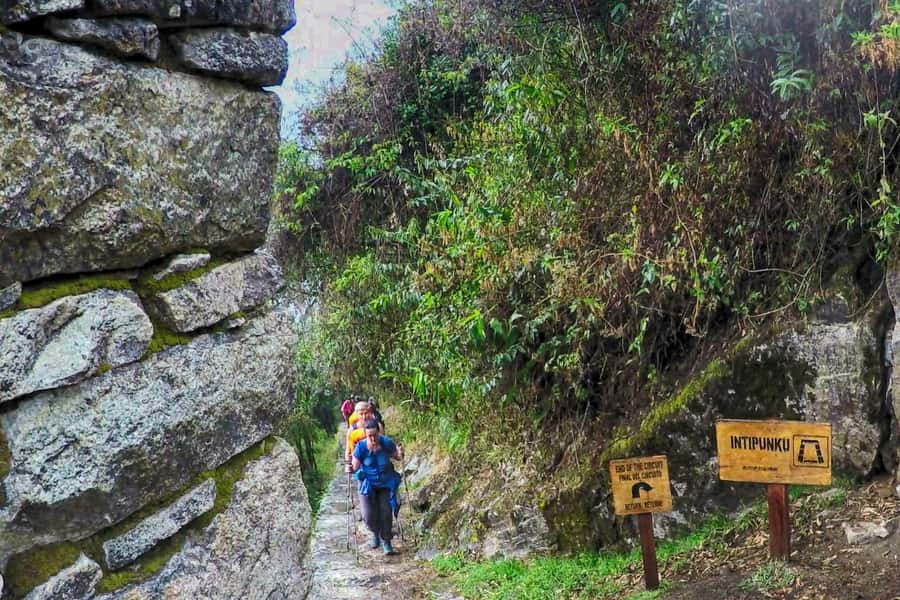
The hike follows part of the Qhapaq Ñan, the old Inca road network. This is the day for people who want the walking to carry some cultural weight. You pass plantations of coffee, coca, and fruit trees, and you may see a range of birds in the warmer forest zone.
At Huancarcasa viewpoint, around 1,750 meters, you stop for a break and broad views over the surrounding valleys. The trail then drops to Qellomayo at about 1,200 meters for lunch. The changing altitude and vegetation make this feel like a proper journey through different zones, not just a walk between two hotels.
The final two hours lead toward Cocalmayo, at roughly 1,450 meters. The thermal baths are optional and are not included in the tour price, so bring soles for the entrance. They are a smart add-on after the day’s walking, especially if your legs are beginning to complain.
You finish in Santa Teresa, at about 1,515 meters, with dinner and a hostel night. The day combines steady hiking, cultural stops, and a warm-water break, but it is also one of the more tiring days. Pace yourself early. The frequent pauses help, yet this is not a gentle sightseeing stroll.
Day 3: Plantations, Hidroeléctrica, and the train tracks
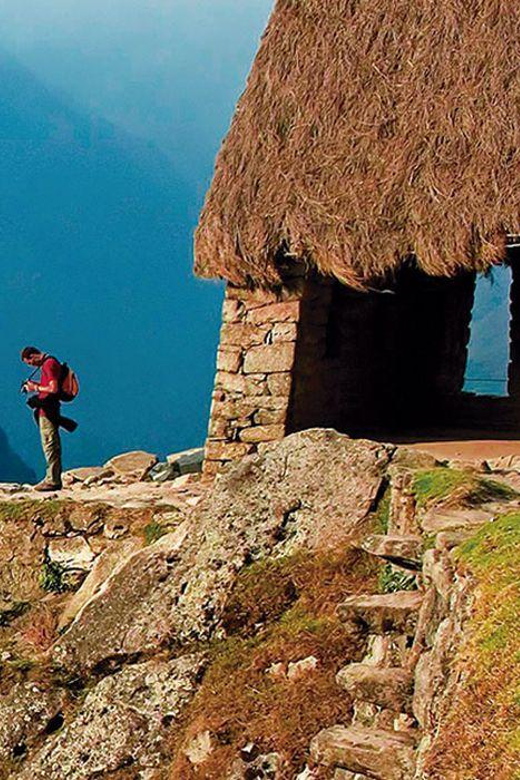
Breakfast in Santa Teresa starts the third day. The next three hours take you through coffee and coca plantations toward Hidroeléctrica, around 1,900 meters.
The route gives you more time in the warmer agricultural zone and continues the trip’s focus on local produce. You are not simply passing through a famous monument. You see the working countryside that supports communities along the approach to Machu Picchu.
Lunch and a rest at Hidroeléctrica break up the day. Afterward, you walk for another three hours along the train track to Aguas Calientes, also called Machu Picchu Pueblo. The track section is relatively flat compared with the mountain paths, but three hours on foot is still a substantial afternoon.
This walk is part of the appeal for some people and a drawback for others. You get a slow approach to Machu Picchu, with time to notice the river valley and the steep surroundings. You also spend several hours walking beside a railway rather than on a quiet wilderness trail. Keep your expectations clear.
Aguas Calientes gives you a free afternoon. You can rest, walk around town, or prepare for the early start. Dinner is included, and the guide explains the next morning’s climb and schedule.
The accommodation here is functional rather than luxurious. One person described the hotels and hostels as clean and sufficient, while another hoped for more comfort. That is the fair expectation: you are paying for a coordinated adventure with Machu Picchu tickets and transport, not a hotel holiday.
A few more Machu Picchu days worth weighing up
- Cusco Sacred Valley and Machupicchu 4 Days
★ 5.0 · 80 reviews - Ancascocha Trek To Machu Picchu 4 Days And 3 Nights
★ 5.0 · 77 reviews - 4 Day Inca Trail Trek to Machu Picchu Multi day tour
★ 5.0 · 70 reviews - Classic Inca Trail 4 Days to Machu Picchu
★ 5.0 · 69 reviews
Day 4: The 4:00 AM climb to Machu Picchu
The final morning starts at 4:00 AM. You hike uphill for about 1.5 hours from Aguas Calientes to the Machu Picchu entrance, reaching the citadel at about 2,400 meters.
You can pay separately for the optional bus up and down if you want to save your legs. The bus is not included, while the walking route is. This is one place where your choice depends on energy, budget, and how much time you want before the guided visit.
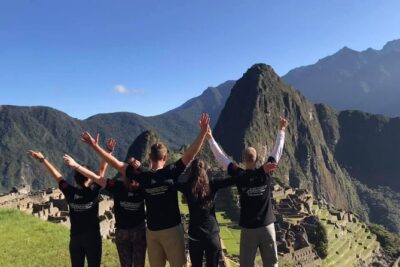
Inside Machu Picchu, the guide leads a two-hour tour of the key parts of the citadel. The site itself is the payoff, but the guide’s explanation helps you read the terraces, structures, and setting rather than simply taking photographs. Several guides are praised for explaining Inca culture in clear English and for keeping the group organized around the entrance rules.
After the guided visit, you have free time for personal exploration, subject to the access conditions attached to your ticket. Machu Picchu entry rules and circuits can change, so confirm the exact circuit assigned to your booking during the briefing. One group was especially pleased when its guide managed the logistics for Circuit 2, but you should not assume every booking receives the same circuit.
You return to Aguas Calientes to collect your belongings, then take the train to Ollantaytambo. A bus continues to Cusco. The return journey is long, but it is included, and the train provides a comfortable finish after three days of active travel.
What the $470 price really covers
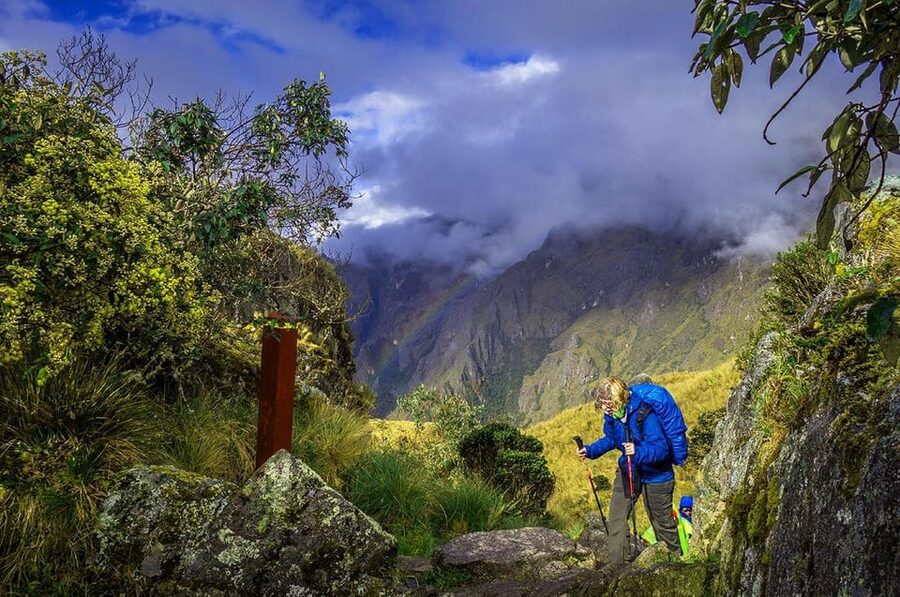
At $470 per person, this is a strong package if you value convenience. The price includes:
- Transport from central Cusco to Abra Málaga and Santa Maria
- The mountain bike and protective equipment
- Three breakfasts, three lunches, and three dinners
- Three nights of accommodation
- Machu Picchu entrance
- A professional bilingual guide
- The return train to Ollantaytambo
- The bus from Ollantaytambo to Cusco
- First aid support and the pre-trip briefing
That list explains why the tour can cost less than some classic Inca Trail packages while still covering the main ticket and return transport. You are not paying separately for every transfer or meal.
Still, budget for extras. The Cocalmayo entrance is separate, as is the optional Machu Picchu bus. Optional activities such as rafting and ziplining are offered on some departures, but they are not part of the listed inclusions. One booking also noted a small extra car fee connected to a zipline activity. Ask your guide for the full price before joining any add-on.
Food is one of the stronger parts of the package. Meals are included for three days, and portions are described as generous, with good vegetarian options available. Water is not included, so bring a refillable bottle and enough cash. Stops along the route can charge high prices for bottled water.
Accommodation and packing: keep it practical
The three nights are in different types of accommodation: an eco-house in Pispitayoc, a hostel in Santa Teresa, and a hostel in Aguas Calientes. The first is the most atmospheric. The last two are mainly places to sleep, wash, and prepare for the next day.
Pack light. You will appreciate not carrying a large bag on the hikes, and luggage transfer may be available for an extra fee on some sections. Take a small daypack with your passport or accepted copy, water, snacks, rain protection, sun protection, and a change of clothes.
The operator specifically asks you to bring a passport or ID card, and a copy is accepted. Keep it dry and accessible because it is needed for the Machu Picchu portion.
Good shoes matter more than fancy gear. You will bike, hike on uneven paths, walk beside railway tracks, and climb toward the citadel. A light rain jacket is still useful even though a rain jacket is included in the biking equipment, since weather and clothing needs can change during the day.
Who will enjoy this route most
I would choose this trip if you want Machu Picchu but do not want four straight days of hard mountain hiking. The biking, van transfers, flatter train-track walk, and optional activities break up the effort.
It suits active first-time visitors, solo travelers who like meeting a small group, and anyone who enjoys a trip with several different experiences packed into four days. The guides often help the group become friendly quickly, which is useful if you arrive alone.
It is less suitable if you need quiet, private accommodation or want a slow schedule. The 6:00 AM first pickup, 4:00 AM final start, long walking days, and basic lodging can feel demanding. It is also not suitable for pregnant women, wheelchair users, or people with back problems.
The overall rating is 4.8 from 432 reviews, with the strongest praise focused on the guides. Francis, Gerson, Luis, Amaru, Armando, and Richard are repeatedly singled out for energy, cultural explanations, encouragement, and careful organization. The guide can make a major difference here, so take advantage of the briefing and ask practical questions before setting out.
Should you book it?
Book this tour if you want a high-value, active route to Machu Picchu with biking, jungle walking, coffee, hot springs, and included transport. The mix is the real strength. You get more than a basic transfer to the ruins, but you avoid the cost and commitment of a full classic Inca Trail trek.
Skip it if you want hotel comfort, a completely traditional Inca Trail route, or a relaxed timetable. Pack light, carry cash for water and optional stops, and expect simple rooms. For the right kind of visitor, $470 buys four full days of movement, culture, scenery, and one spectacular final morning.
FAQ
Where does the tour begin?
Pickup is from the Plaza Mayor of Cusco, also called the Cusco Main Square. The guide calls the guest’s name and wears the agency jacket.
How large is the group?
The tour is limited to nine participants. Guiding is available in English and Spanish.
Is the famous classic Inca Trail included?
No. This route uses the Inca Jungle path toward Machu Picchu and includes a section of the Qhapaq Ñan network, along with roads, plantations, and the train-track walk from Hidroeléctrica.
Is Machu Picchu entrance included?
Yes. The Machu Picchu entrance ticket and a two-hour guided visit are included.
Are the thermal baths included?
No. Entry to the Cocalmayo thermal baths is an extra cost. The baths are visited on Day 2 near Santa Teresa.
Is the bus to Machu Picchu included?
No. The optional bus up and down to Machu Picchu is not included. You can instead walk from Aguas Calientes to the citadel, which takes about 1.5 hours uphill.
Just added around Machu Picchu
- Private Tour Guide in Machupicchu from Aguas Calientes.★ 5.0 · 40 reviews
- Machupicchu Guide Service★ 5.0 · 42 reviews
- Inca Trail Machu Picchu 4 Days★ 5.0 · 39 reviews
- Machu Picchu, Cusco & Lima 7-Day Tour★ 5.0 · 30 reviews
- 7 Days: Lima, Ica, Cusco & Machupicchu with local flights★ 5.0 · 52 reviews
- Machu picchu one day by train all included★ 4.5 · 53 reviews
- Exclusive Huayna Picchu Tour in 1 Day from Cusco★ 5.0 · 31 reviews
- Wonderful Cusco 5-Day Tour with Entrance to Machupicchu★ 5.0 · 46 reviews
Inca Trail Treks, compared.
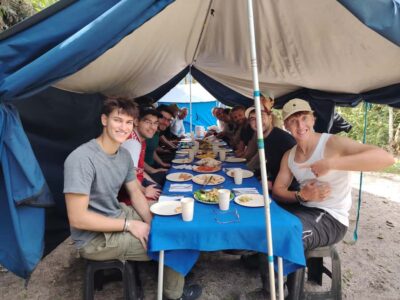
Machu Picchu 2-Day Inca Trail with Panoramic Train
Read our review →
Short Inca trail to MachuPicchu || 2days – 1nigth ||
Read our review →
4 Day Inca Trail Trek to Machu Picchu Multi day tour
Read our review →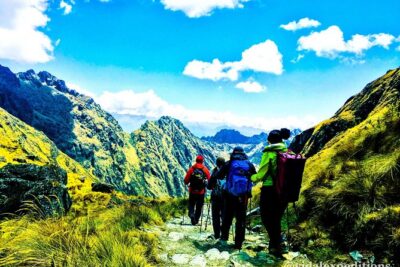
Browse the lists this tour appears in