
Reviewed · FOOD & DRINK
Lima Street Food Tour Beyond Netflix
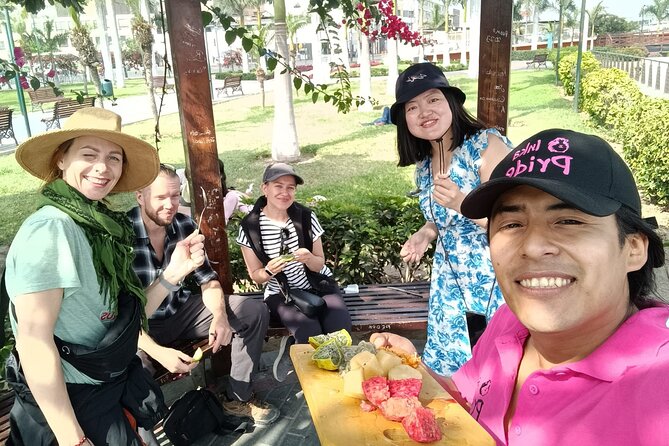
Lima’s best food story is not limited to ceviche. This 3.5-hour walk takes you through the Central Market, Chinatown, Barrios Altos, and the historic center, linking everyday dishes to Peru’s Chinese immigration and local street life. Bruce leads the route with humor and plenty of food, including items rarely covered by television food shows.
I like the wide range of tastes, from lucuma juice and seasonal fruit to anticuchos, carapulcra, Sopa Seca, dim sum, and street ceviche. I also like the small maximum group of 13, which makes a market walk easier to manage and gives Bruce room to explain what you are eating.
The main consideration is the pace and amount of food. You need an open mind and a very empty stomach, and the tour is not recommended for people with diabetes. Transport and the optional Pisco Sour cost extra.
Key points at a glance
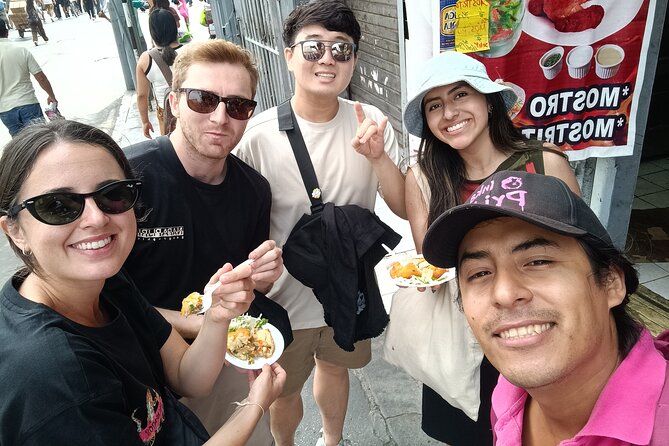
- Market-to-plaza route: Walk from the Central Market through Chinatown and Barrios Altos to San Martin Square.
- Bruce as your guide: Expect food explanations, local history, humor, and practical suggestions for other places to visit.
- A full tasting menu: Try choclo con queso, papa rellena, chicha morada, carapulcra, Sopa Seca, dim sum, ceviche, anticuchos, picarones, and seasonal fruit.
- Chinese-Peruvian food culture: Chinatown is used to explain Chinese immigration and its effect on Lima’s cooking.
- Small group size: The tour accepts no more than 13 people.
- Useful afternoon timing: The walk begins at 1:30 pm and finishes near Plaza San Martin, a handy spot for an evening plan.
A food walk through Lima’s everyday center
This is the kind of tour for you if a city makes more sense after you taste it. Instead of staying with the familiar trio of ceviche, pisco, and potatoes, the route moves through food stalls, market counters, Chinese-Peruvian cooking, and old central neighborhoods.
The tour costs $50 per person. That is not the cheapest way to eat in Lima, but the price covers a certified guide and a long list of tastings. You are paying for a meal-sized series of samples, plus the explanations that connect them. If you bought every item separately, you would still miss the background about how these foods fit into Lima’s culture.
Bruce guides the tour and brings a light, humorous tone to the walk. He also gives suggestions for places to visit beyond the route. If you have limited time in Lima, that extra local orientation can help you decide where to go next.
The route begins at the Great Lima Public Library on Avenida Abancay at 1:30 pm. It ends at San Martin Square, near a useful central meeting point for an evening walk, an Uber ride, or another historical-center activity.
More Food Tours in Lima
- Lima: Ultimate Peruvian Food Tour
★ 4.9 · 700 reviews - Lima: Historic Center Street Food, Market, and Eateries Tour
★ 4.9 · 216 reviews - Experience Lima: Taste 12 Snacks and Visit Top Monuments
★ 5.0 · 138 reviews
Central Market: where the food story starts
The first stop lasts about an hour and gives you the broadest look at Lima’s ingredients. You will see produce and other market foods, hear explanations about what you are looking at, and try lucuma juice. You also buy fruit and eat local dishes around the market.
Lucuma has a sweet, distinctive flavor and is one of Peru’s best-known native fruits. Tasting it as juice gives you a quick introduction to an ingredient that you might otherwise meet only in a dessert or smoothie. The seasonal fruit tasting adds another useful touch, since availability changes during the year.
This portion is not simply a snack stop. It gives you a way to understand how many Peruvian dishes begin with basic market ingredients. Choclo con queso, for example, pairs large-kernel corn with cheese. Papa rellena places seasoned filling inside a potato shell. Chicha morada, made from purple corn, provides a sweet and fruity drink that is different from the more familiar Inca Kola.
You will also receive carapulcra and Sopa Seca during the tour. These are hearty dishes, so do not assume the route is made up of tiny bites. The food adds up quickly.
The market setting may feel crowded and noisy, and you will be walking through an active public place rather than a polished food hall. That is part of the point, but it also means you should pay attention to the group and keep your belongings secure. The supplied information does not promise a seated meal, so expect a moving food experience with stops along the way.
Chinatown and the Chinese-Peruvian connection
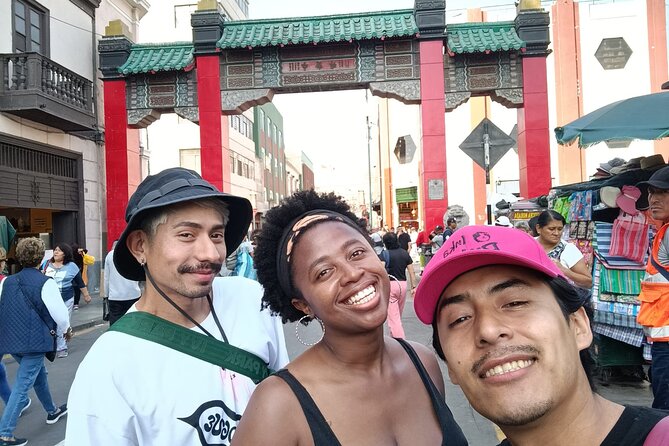
The Chinatown visit lasts about 30 minutes. Here you try siu mai and learn about Chinese immigration to Peru and the way Chinese cooking became part of local food culture.
This is one of the most useful parts of the tour because it broadens your idea of Peruvian cuisine. Lima’s food is not only indigenous and Spanish. Chinese traditions also changed the city’s cooking, producing the fusion often associated with chifa restaurants and Chinese-Peruvian flavors.
Siu mai gives you a direct taste of that connection. It is a small steamed dumpling, easy to sample and familiar enough to provide a break after the market foods. The short stop keeps the route moving, though 30 minutes does not allow for a long lesson or a full meal in Chinatown.
If you are cautious about unfamiliar food, this is a manageable place to ask questions. The guide offers alternatives for people who are less adventurous with food, so you do not have to force yourself to eat something you know you will dislike. Still, you should tell Bruce about concerns early in the walk.
Barrios Altos and food beyond the famous names
The hour in Barrios Altos is built around Bruce’s personal street-food recommendations. This is where the tour moves furthest from the dishes most people already know.
The included foods feature street ceviche and anticuchos. Ceviche is one of Lima’s signature foods, but tasting it in a street setting gives you a different context from ordering it in a formal restaurant. Anticuchos bring a smoky, savory note to the route and are a classic part of Peruvian street eating.
You will also have Inca Kola again, along with picarones. Picarones are sweet fritters, usually associated with a warm, syrupy finish, and they give the food walk a dessert course without turning it into a restaurant meal.
Barrios Altos is an important setting for this part of the experience. The route aims to show you personal favorites rather than only the most famous tourist stops. That can be rewarding if you want to see how local food fits into ordinary city life. It also means the experience may feel less controlled than a tasting menu at a restaurant.
I would treat this hour as the tour’s most unpredictable section. The exact feel of a street-food stop can depend on the day, the food available, and the pace of the group. The supplied information confirms the dishes and recommendations, but not the names of specific vendors or the seating arrangements.
Same base, a completely different kind of day:
- Lima’s Vibrant Heritage: Exploring the City’s Landmarks Half-day
★ 4.5 · 581 reviews - Private transfers from Lima Airport or to Lima Airport
★ 4.0 · 359 reviews - Lima: The Charm of Barranco & Pre Inca Pyramid in Miraflores
★ 4.9 · 322 reviews - Lima: Pachacamac Ruins & Barranco Half-Day Guided Tour
★ 4.6 · 296 reviews
Lima’s historic center and the optional Pisco Sour
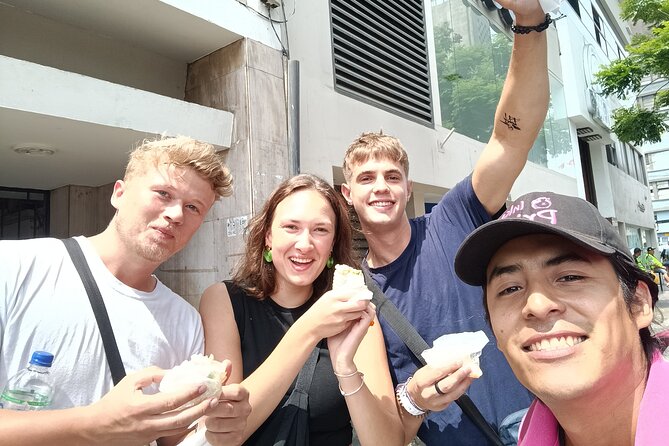
The final hour takes you through the Centro Historico de Lima and ends at San Martin Square. The food stops are paired with a walk through central Lima, so you are not only eating. You are also getting a basic orientation to the city’s historic core.
The end point is practical. San Martin Square is a good place to continue exploring, meet a ride, or begin another historical-center tour. Since the food walk finishes there, you can build a second activity around it without crossing the city.
A classic Pisco Sour is available for an additional $8. It is optional, not part of the $50 price. That is useful if you want to finish with Peru’s best-known cocktail, but you should budget for it separately. If you do not drink alcohol, or if you are already full, skipping it is easy.
The final hour also helps balance the tour. Without it, the experience would be mainly a market and food route. With the historic center included, you get a broader sense of central Lima and a better idea of where to spend the rest of your afternoon.
What you will actually eat
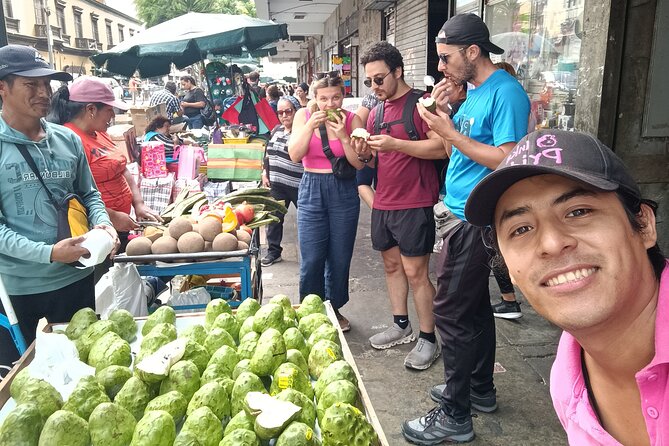
The tasting list is long enough to function as lunch for many people. Included items are:
- Choclo con queso
- Papa rellena
- Chicha morada
- Carapulcra
- Sopa Seca
- Inca Kola
- Street ceviche
- Dim sum
- Anticuchos
- Picarones
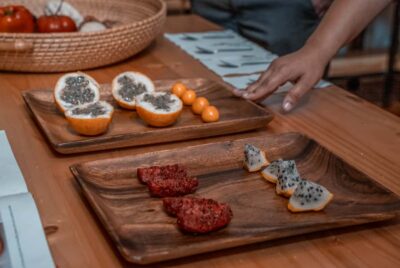
- Seasonal exotic fruits
- Lucuma juice
- A bottle of water
The variety is the main value. You move between sweet, salty, sour, creamy, grilled, fried, steamed, and fruity flavors. You also get a look at how food traditions overlap rather than sit in separate boxes.
The list includes repeat drinks, with Inca Kola appearing alongside different food stops. That makes sense as a refreshment during a long walk, but you should not expect every tasting to be a large portion. The tour works best when you think of it as a succession of samples rather than several complete restaurant meals.
I would avoid eating a heavy lunch before the start. Bruce’s advice to arrive with an empty stomach is practical. A bottle of water is included, which helps during the afternoon, but the supplied details do not promise special dietary substitutions or a fully customized menu.
Guide style, group size, and the feel of the walk
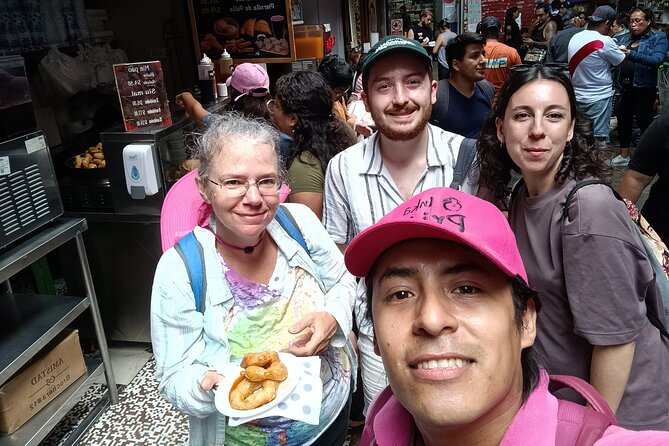
The maximum group size is 13 people. That is small enough for a guide to keep the group together through market streets and for you to hear explanations without a microphone. It is not a private tour, so you will still need to share stops and wait for the group.
Bruce’s role is more than pointing out food. He explains the culture behind the dishes, discusses Chinese immigration and Peruvian fusion, and talks about Lima’s society and history. His humorous approach suits a tour with many stops, especially when the group needs energy after several rounds of eating.
The group can also help nervous eaters. Alternatives are offered for people who are not keen on every unusual dish. Still, I would not book this as a highly controlled culinary class. You are walking through public areas, sampling local foods, and following a guide’s recommendations.
Most people can take part, and the route is near public transportation. The start and finish are both in central Lima, which keeps the logistics simple. Transport is not included, but pickup or drop-off can be arranged for $10 per person. Since the tour already begins and ends at central locations, many people may not need that add-on.
Is $50 a fair price?
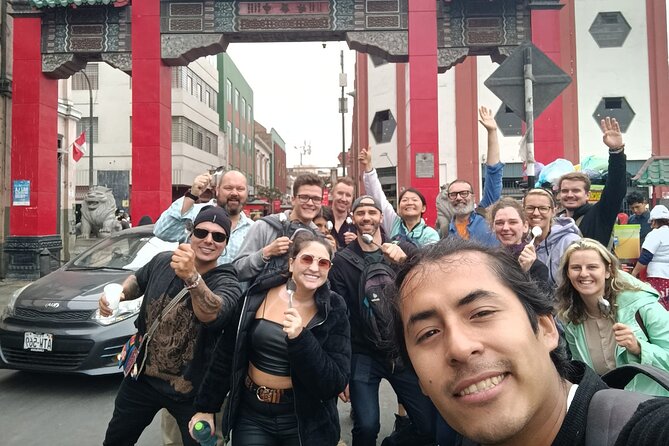
At $50, the value depends on how much you want from the tour. If you only want cheap street food, you can spend less by eating independently. If you want to understand what you are ordering, taste many different items in one afternoon, and get a guide’s advice about Lima, the price is easier to justify.
The included food is a real part of the value. This is not a walk where you pay $50 and then buy lunch at every stop. You receive water, drinks, several savory foods, dessert, fruit, and a range of market tastings. The certified guide and small group add the rest.
The price does not include transport or the $8 Pisco Sour. Those costs are clear and optional, but include them in your budget if you want door-to-door service or a cocktail at the finish.
Free cancellation is available if you cancel at least 24 hours before the 1:30 pm start. A cancellation made less than 24 hours in advance is not refunded, and late changes are not accepted.
Who should book this Lima food tour?
I would choose this experience if you want food with cultural context, prefer local markets to formal dining rooms, and are happy to try several kinds of dishes in one afternoon. It is especially useful early in a Lima visit, since Bruce’s suggestions may help shape the rest of your plans.
It also suits people who want more than the standard ceviche stop. The Chinese-Peruvian food section, Barrios Altos recommendations, and market ingredients give the route a wider range than a simple list of famous dishes.
I would think twice if you have a strict diet, need precise ingredient information, or dislike eating on the move. The tour is not recommended for people with diabetes, and the food list contains many starches, sweet drinks, fried foods, and desserts. Anyone with serious allergies should confirm arrangements before booking, since the supplied details do not promise allergen-free substitutions.
Should you book it?
Book this tour if you want a generous introduction to Lima’s street food and the stories behind it. The strongest reasons are the broad tasting list, Bruce’s humorous guidance, the Chinese-Peruvian history in Chinatown, and the finish near San Martin Square.
Skip it if you want a quiet restaurant meal, a private itinerary, or a tightly controlled menu. For everyone else, $50 buys a useful afternoon of food, walking, and orientation, with enough variety to make Lima’s cooking feel much bigger than its most famous dishes.
FAQ
Where does the tour start?
It starts at the Great Lima Public Library, Av. Abancay 4, Lima 15001, Peru.
What time does the tour begin?
The start time is 1:30 pm.
Where does the tour end?
The tour ends at San Martin Square, on Av. Nicolás de Piérola, block 9, Lima 15001, Peru.
How long does the experience last?
It lasts approximately 3 hours and 30 minutes.
How much does the tour cost?
The listed price is $50 per person.
Is transportation included?
No. Pickup or drop-off transportation is available for an additional $10 per person.
Is a Pisco Sour included?
No. A classic Pisco Sour is optional and costs $8.
How many people can join the tour?
The maximum group size is 13 people.
Is the tour suitable for everyone?
Most people can participate, but the tour is not recommended for people with diabetes.
What is included in the food tasting?
Included items include water, lucuma juice, choclo con queso, papa rellena, chicha morada, carapulcra, Sopa Seca, Inca Kola, street ceviche, dim sum, anticuchos, picarones, and seasonal exotic fruits.
Can I cancel for a refund?
Yes. You can receive a full refund if you cancel at least 24 hours before the experience start time. Cancellations made less than 24 hours in advance are not refunded.
Just added around Lima
- Guided Tours in Colonial and Modern Lima★ 5.0 · 54 reviews
- Full Day Pilgrims★ 5.0 · 28 reviews
- Sandboarding and Off Road in Lima (National Park Lomas de Ancón)★ 5.0 · 54 reviews
- Tour Miraflores + Fotografía Profesional★ 5.0 · 47 reviews
- Lima Airport Transfers by SUV/Van★ 5.0 · 34 reviews
- In Lima: Sandboarding Off Road Half Day!!★ 5.0 · 36 reviews
- Lima City tour and Catacombs Museum (04 hours) Private Tour with guide in Lima★ 5.0 · 32 reviews
- Peruvian Experience: Interactive, Cultural & Gastronomic Guided Tour★ 5.0 · 42 reviews
Food & Drink, compared.
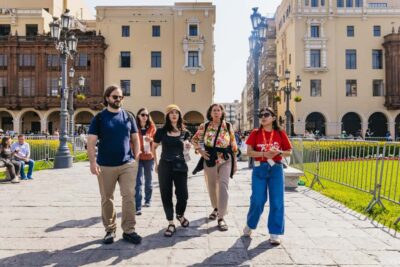
Historic Center Street Food, Market, and Eateries Tour
Read our review →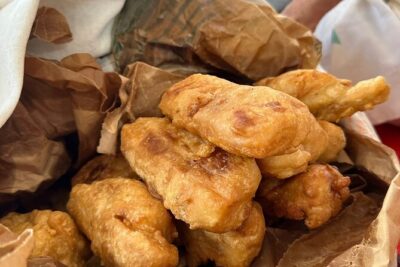
Food and Culture Full day Tour in the Sacred Valley
Read our review →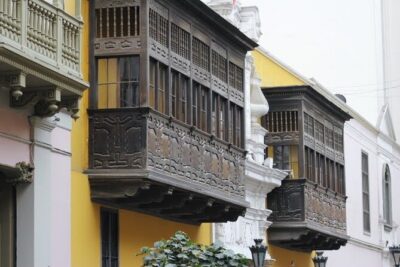
Experience Lima: Taste 12 Snacks and Visit Top Monuments
Read our review →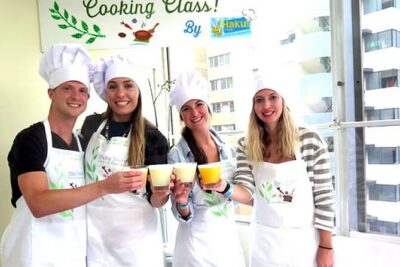
Cook an Authentic Ceviche And Peruvian Pisco Sour!
Read our review →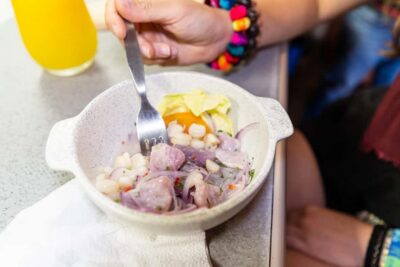
Miraflores Trending Flavors Half-Day Walking Tour
Read our review →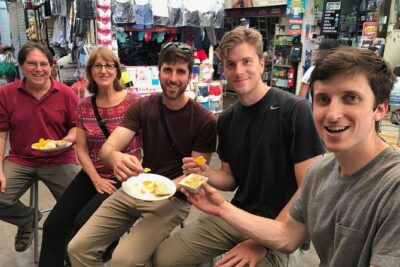
Browse the lists this tour appears in