
Reviewed · COOKING CLASSES
Private Andean Cooking Class, Pachamanca
The best part of this Cusco class is that it treats Peruvian food as a doorway into Andean life. You taste native corn, potatoes, fruits, peppers, grains, and pisco before cooking with them, then sit down to a meal that connects those ingredients to the land. The private format also lets the chef adjust the pace for your group.
I like the hands-on cooking and the mix of dishes, especially Andean tamales, uchucuta pepper sauce, ceviche, lomo saltado, and cocktails. I also like that chefs such as Alejandro, Fernando, Christina, and Jose have been praised for warmth, humor, and clear instruction. The main consideration is the price: at $150 per person, this is not a cheap lunch, though the private class, drinks, meal, and cultural context make it stronger value for food-focused visitors.
Key points to know before booking
- Three hours of hands-on cooking: You prepare food rather than simply watch a chef work.
- A private class for your group: The pace and food can be adjusted more easily than in a large class.
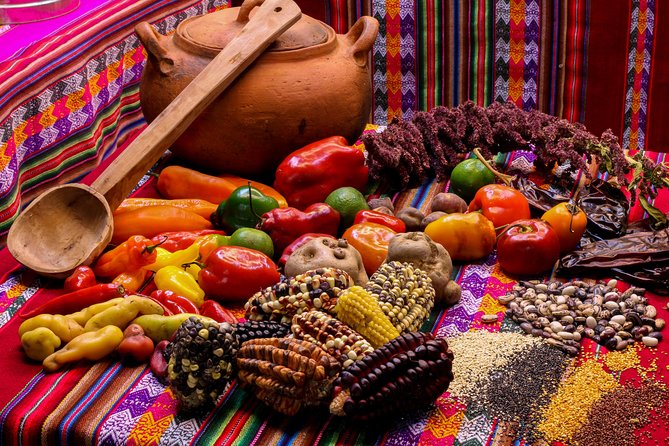
- Andean ingredients take center stage: Expect corn, ancient grains, superfoods, peppers, fruits, and local condiments.
- Food and drinks are included: Lunch, bottled water, other beverages, and pisco-based cocktails are part of the experience.
- A good family option: Mocktails, kid-friendly music, and cooking help are available when arranged with the chef.
- English or Spanish instruction: Request your preferred language when booking.
Why this class works well in a Cusco itinerary
Cusco days often fill up with ruins, churches, museums, and early departures to the Sacred Valley. A cooking class gives you a different kind of contact with Peru. Instead of looking at carved stone or taking another guided walk, you handle the ingredients and learn how they fit into daily food culture.
The class begins at 9:00 a.m. at Marcelo Batata Cooking Classes, C. Palacio 135, in central Cusco. It lasts about three hours and ends back at the same meeting point. That timing makes it a useful morning activity with lunch built in, although you should avoid placing it on a day when you need to rush to another major sight.
The experience is private, so only your group participates. That matters here. Cooking instruction can become awkward when several unrelated groups share one counter, but a private setup gives you more room to ask questions, repeat a technique, or slow down for children and older family members.
The class has earned a five-star rating from 54 submitted ratings, with 100 percent of listed participants recommending it. I would treat that as a strong sign of consistent satisfaction, while still keeping the price and three-hour commitment in mind.
More Cooking Classes in Cusco
- Cusco: Peruvian Cooking Class, Cocktails & Local Market Tour
★ 4.9 · 512 reviews - Cooking class and market tour with a local chef
★ 5.0 · 186 reviews - Vegan Peruvian Cooking Class Cocktails and Local Market in Cusco
★ 5.0 · 46 reviews
Starting with marinades and the logic of Peruvian flavor
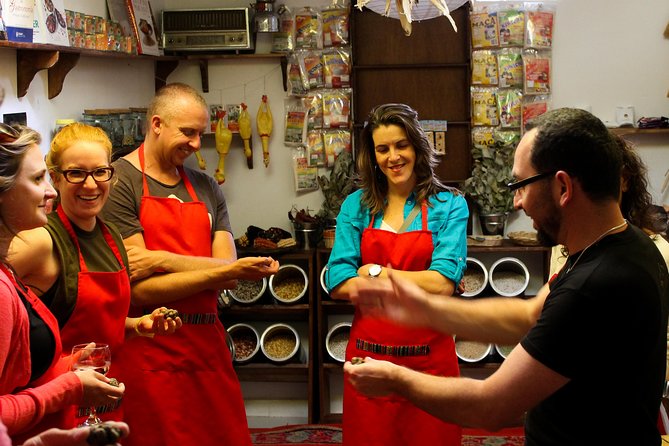
The opening lesson focuses on marination. You prepare meats and other ingredients in a special sauce before cooking, learning how seasoning changes flavor and helps prepare food for the heat.
This is a useful place to begin because Peruvian cooking is not just about collecting unusual ingredients. It is also about balancing acid, spice, herbs, salt, and texture. The exact recipe can vary by chef and menu, but the point is practical: you leave with a method you can use at home, not just a list of dishes you once sampled in Cusco.
Several chefs have led versions of this class. Alejandro has been praised for explaining Peruvian food in a clear, lively way, while Fernando has been noted for making the class work well for children. Christina has also been singled out for her instruction and for sending recipes afterward. Your chef may differ, but the activity is designed around professional guidance rather than a fixed demonstration with no participation.
Andean tamales connect corn to the region
The tamale lesson brings the class closer to Andean food traditions. You work with corn and learn an ancestral preparation method that links cooking to local agriculture and family traditions.
Corn has a central place in the Andes, and tamales show how a basic crop can become a carefully prepared dish. This part of the class is valuable even if you already know how to make tamales in another style, because the ingredients and technique reflect the region around Cusco.
The tamales are also a good reason to book this experience instead of a generic Peruvian cooking lesson. Ceviche and lomo saltado are famous outside Peru, but Andean tamales give you a more local point of contact. You get a sense of how food traditions continue alongside the better-known restaurant dishes.
Keep in mind that the supplied menu description does not promise a set number of tamales or a particular filling. The experience may adapt to the group and the chef’s planned menu, so ask about exact dishes if you have your heart set on one recipe.
A private market of Andean products
The next stage takes you to a private market area with Andean products. You look at ancient grains, superfoods, corn, potatoes, peppers, fruits, herbs, and other ingredients, while learning about their place in Andean diets and culture.
This is one of the class’s strongest features for people who want context. A market visit can turn an unfamiliar ingredient into something you recognize later on a restaurant menu. It also gives you a better idea of why Peruvian cooking has such a broad range of textures, colors, and flavors.
The tasting aspect matters. You do not simply hear names and move on. The class includes samples of local fruits and ingredients, according to the dishes prepared that day. You might taste varieties that are hard to identify by sight, then use some of them in a recipe.
The market portion is not a public sightseeing stop with a long walking route. It is part of the cooking experience at the class location. That keeps the focus on food, though you should not book this expecting a full tour of Cusco’s larger public markets.
More Private Tours in Cusco
- City Tour in Cusco & visit Museum South American Camelid Private.
★ 5.0 · 147 reviews - Private Rainbow Mountain Full Day Tour from Cusco
★ 5.0 · 129 reviews - Private Palccoyo Rainbow Hike Without the Crowds
★ 5.0 · 86 reviews - Cusco Airport Pickup and Private Transfer
★ 5.0 · 82 reviews
Uchucuta gives the meal Andean heat
Uchucuta is a spicy pepper sauce associated with Inca-era food traditions. In the class, you prepare it with traditional methods passed through generations.
For you, this is a chance to see how a sauce can define a meal. Peruvian food is often described through major dishes, but sauces and condiments carry much of the character. Uchucuta can provide heat, freshness, and a direct connection to Andean flavors without requiring a complicated main course.
Spice tolerance varies, so tell the chef about your preferences. The class description confirms that dietary needs and vegetarian requirements can be communicated in advance, but it does not promise a particular spice level or a replacement for every ingredient. The safest move is to share those details when you book.
Chicha, pisco, and the drinks portion
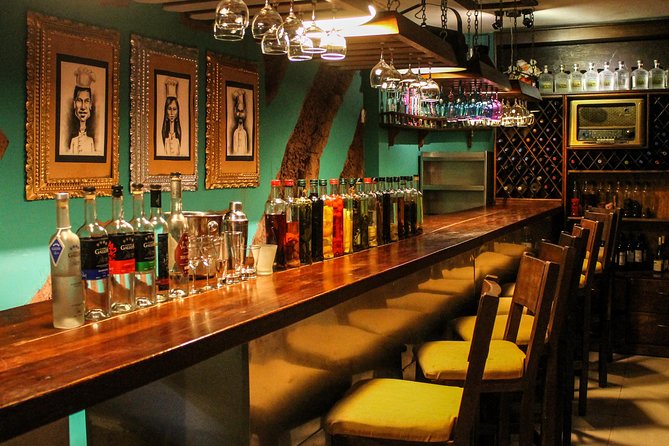
The chicha tasting introduces you to an ancestral fermented drink linked with the Incas. This is a cultural tasting, not simply a beverage add-on. It shows how drinks fit into the food traditions of the Andes and gives you another way to compare modern Peruvian cuisine with older practices.
The class also includes cocktails made with Peruvian pisco. Past sessions have featured pisco tastings, pisco sours, and Chilcanos. These drinks are a major part of the experience for adults who want to understand Peru’s bar culture as well as its cooking.
Alcohol is included, but the class can also work for families. Fernando has been praised for preparing mocktails and using kid-friendly music during a family session. If children are joining you, mention them ahead of time so the chef can plan suitable drinks and tasks.
This is one area where the class may feel more like a social food experience than a formal culinary course. You will learn cocktail techniques, but the focus is enjoyment and local flavor, not professional bartender certification.
Ceviche and lomo saltado bring Peru to the table
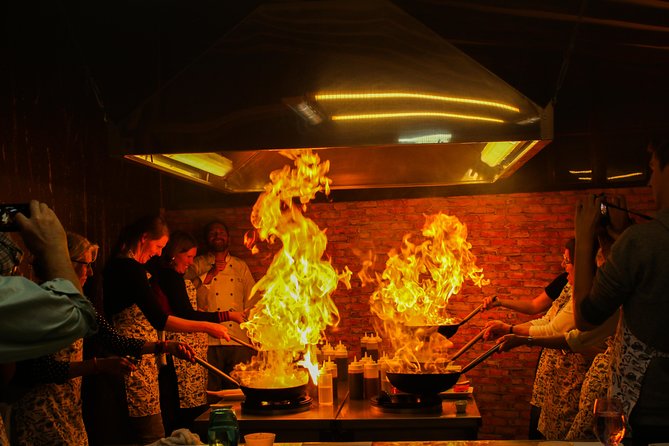
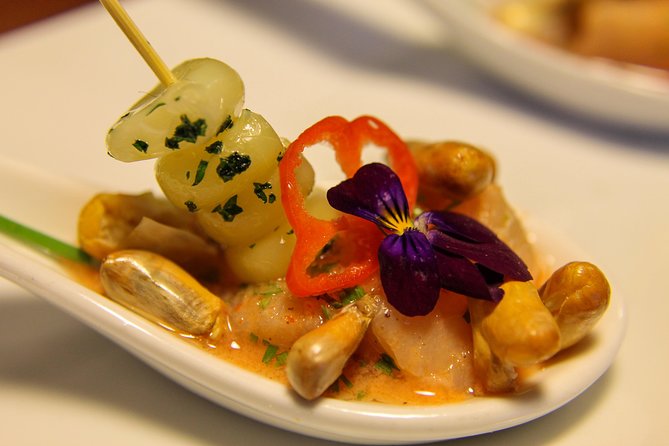
The dishes most often associated with this class are ceviche and lomo saltado. You prepare ceviche with guidance from the chef, then cook lomo saltado in a wok. Some sessions have used alpaca for the lomo saltado, adding another local ingredient to the lesson.
Ceviche is especially useful to learn in Peru because the dish depends on freshness, seasoning, and timing. The chef can demonstrate the process and help you adjust it to your preferences. If you do not eat certain ingredients, make that clear before cooking begins. The class has accommodated individual food preferences in past sessions, but you should not assume every substitution is automatic.
Lomo saltado brings a different skill set. You work with high heat and a wok, and the cooking may include a dramatic flambé. That moment adds theater, but it also teaches you how quickly the dish comes together. The contrast between bright ceviche and hot, savory stir-fry makes the meal feel varied rather than repetitive.
The exact menu can depend on the scheduled class. The formal description highlights one appetizer and one main course, while past sessions have included ceviche, lomo saltado, cocktails, fruit tastings, and local samples. Ask for the day’s planned menu if specific dishes matter to you.
Finishing with clay-pot cooking and lunch
The final tasting centers on ingredients cooked in clay pots. You sit down to enjoy the finished food, including one appetizer and one main dish, along with beverages and bottled water.
Clay cooking gives the meal a strong sense of place. It is not only about flavor; it points back to older cooking methods and the close connection between Andean food and the earth. The class does not state that you will take part in a full underground pachamanca, so you should not expect the large outdoor earth oven often associated with that name. Here, the experience is presented through clay-pot cooking and hands-on preparation.
The lunch is important when judging the $150 price. You are paying for more than food on a plate. The cost includes a private three-hour class, professional chef instruction, ingredients, lunch, beverages, bottled water, and a guided look at Andean products. For a couple or small family that values personal attention, that can be fair value. For someone seeking only an inexpensive meal, it will feel costly.
Several chefs have also shared recipes after class. That adds lasting value because you can recreate dishes such as ceviche, lomo saltado, or pisco drinks at home. Confirm this with your chef, since recipe follow-up is not listed as a formal inclusion for every booking.
Who should book this Cusco cooking class
I would recommend it most strongly to food-focused visitors, couples, families, and anyone who wants a rest day between archaeological sites. It works especially well for people who like to ask questions and take an active role rather than sit through a long demonstration.
Families can do well here because the class is private and the chef can adjust the tone. Children may receive mocktails and help with cooking, while adults can take part in pisco tasting. Still, the three-hour length and food preparation may not suit very young children who dislike waiting or unfamiliar flavors.
The experience is also a good choice for honeymooners and special trips. Alejandro, Fernando, Christina, Jose, and Jose Luis have all been praised for friendly, engaging instruction in different sessions. Since the guide is assigned by availability, book it for the format and food rather than for a guaranteed specific chef.
Vegetarians can participate if they request the option at booking. You should also report allergies and other dietary needs in advance. The class is not presented as a medical-diet specialist service, so detailed communication is important.
Practical details that can affect your day
Bring your original passport at the beginning of the course for tax purposes. This is a firm requirement, so do not leave it locked in your hotel if you plan to attend.
The class is available in English or Spanish, depending on your request. State your preferred language when booking rather than assuming the session will be bilingual.
Confirmation is provided at booking. Free cancellation is available until 24 hours before the start time. Cancellations or changes made inside that window are not refunded, and the activity requires a minimum number of participants. If that minimum is not met, you are offered another date or experience, or a full refund.
The class returns to the starting point at C. Palacio 135. Since it begins at 9:00 a.m., allow enough time to arrive without rushing. A late morning meal makes this a natural replacement for lunch, not a small snack before another full restaurant meal.
Should you book the Private Andean Cooking Class?
Book it if you want food, culture, and personal instruction in one compact Cusco activity. The private setting, Andean ingredients, clay-pot cooking, tamales, uchucuta, chicha, ceviche, lomo saltado, and pisco drinks give the class more range than a basic recipe lesson.
Skip it if your main goal is the lowest-cost meal, a full public market tour, or a guaranteed underground pachamanca cooked in the earth. At $150 per person, the value depends on using the teaching, tasting, and private attention, not just eating lunch.
For most food-minded visitors, I see this as a smart break from ruins and mountain excursions. You leave with a meal in you, a better understanding of Peru’s ingredients, and practical recipes that can keep the Cusco experience going after you fly home.
FAQ
Where does the cooking class begin?
The class begins at Marcelo Batata Cooking Classes, C. Palacio 135, Cusco 08002, Peru.
What time does the class start?
The scheduled start time is 9:00 a.m.
How long does the experience last?
The cooking class lasts approximately three hours.
Is the class private?
Yes. Only your group participates in this private activity.
Is instruction available in English?
Yes. The class operates in English or Spanish depending on your request.
Is a vegetarian option available?
Yes. You must advise the provider at the time of booking if you need a vegetarian option or have other dietary requirements.
What is included in the price?
The $150 per-person price includes a professional chef, private instruction, beverages, bottled water, and lunch with one appetizer and one main course.
Just added around Cusco
- Waqrapukara 1 day trekking + meals★ 3.9 · 3 reviews
- Visit to the Cochahuasi Animal Sanctuary with rescued animal★ 4.1 · 4 reviews
- Vinicunca Mountain Tour – Full Day Tour to Rainbow Mountain★ 3.4 · 4 reviews
- Valle Sur Cusco | half day★ 4.3 · 3 reviews
- Trek to Humantay Lake from Cusco★ 4.9 · 8 reviews
- Trek to Choquequirao 4 days★ 3.8 · 4 reviews
- rainbow mountain full day★ 5.0 · 44 reviews
- Tour to the HUMANTAY LAGOON from CUSCO★ 5.0 · 35 reviews
Cooking Classes, compared.
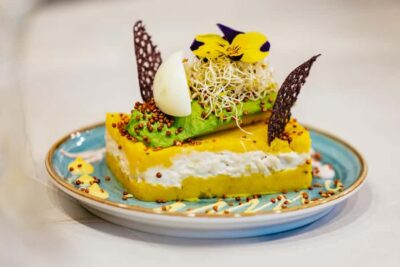
Peruvian Cooking Class, Cocktails & Local Market Tour
Read our review →
Cooking class and market tour with a local chef
Read our review →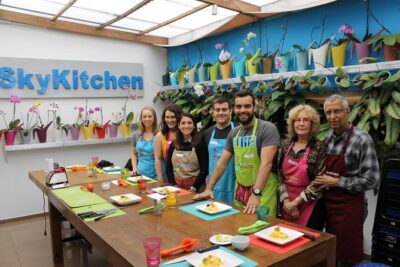
Market Tour, Tasting of 35 Fruits, and 4-Course Peruvian Cooking Class in Lima
Read our review →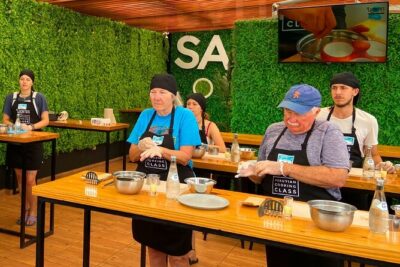
#1 Rated Cooking Classes with Local Market Tour & Pickup
Read our review →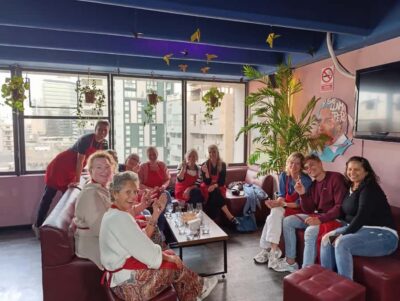
Amazing Peruvian Cooking Class Ceviche Seafood and Pisco Sour
Read our review →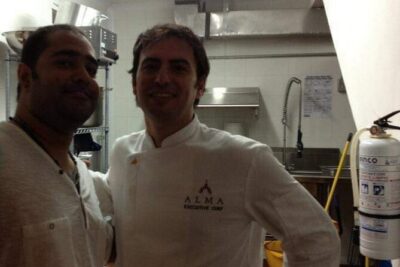
Private Cooking + Market with Maido’s Former Creative Chef (+trasportation)
Read our review →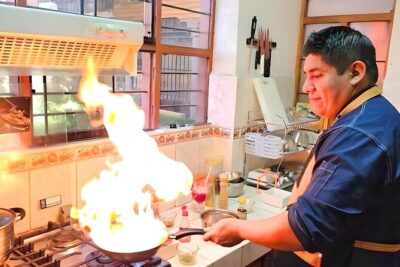
Vegan Peruvian Cooking Class Cocktails and Local Market in Cusco
Read our review →
Browse the lists this tour appears in