
Reviewed · TRAIN EXPERIENCES
Sacred Valley & Machu Picchu by Train: 2-Day, 1-Night Tour
The best part of this two-day Sacred Valley and Machu Picchu tour is how much ground it covers without making you arrange a dozen separate tickets. You move from alpacas and Andean farming country to Inca ruins, salt pans, a train ride, and an early visit to Machu Picchu.
I like the small group of up to 16 people, which gives you a better chance to hear the guide at the ruins. I also like that the price includes transport, entrance tickets, meals on day one, the train, and a hotel night. The trade-off is a very full first day, with long road transfers and little free time to wander on your own.
Key points at a glance
- Pisac combines ruins and shopping: See terraces, stone walls, irrigation works, and the Inca cemetery before bargaining for crafts at the market.
- Moray and Maras add variety: One site shows unusual circular agricultural terraces, while the other is made up of salt pools.
- Ollantaytambo is your rail gateway: Explore its Inca citadel before taking the Expedition train to Aguas Calientes.
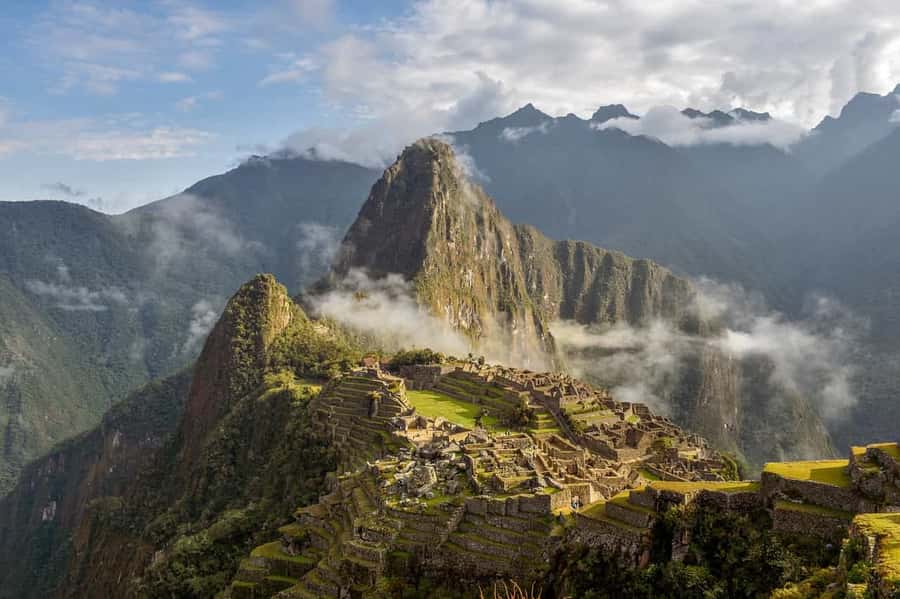
- Machu Picchu begins early: You take one of the first buses up, with a roughly three-hour guided visit inside the citadel.
- The price covers the major costs: Tickets, transport, hotel, selected meals, guides, and round-trip train travel are included.
- Guide quality matters here: Past guides named Herbert Vidal, Alex, and Oliver were praised for clear explanations, patience, and quick answers.
A big two-day loop from Cusco
At $698 per person, this is not a bargain-basement excursion. It is a tightly arranged package for people who want the major Sacred Valley stops and Machu Picchu handled in one booking. Your hotel pickup, road transport, entrance tickets, meals listed in the program, one night in Aguas Calientes, buses to Machu Picchu, and Expedition train are covered.
That matters in Peru, where the practical work can pile up quickly. You need to coordinate different archaeological sites, train schedules, buses, and hotel transfers. Here, the tour company handles the chain from Cusco and back again.
The pace is the main compromise. You visit several places on day one, then rise early for Machu Picchu on day two. I would choose this tour for a first visit when your priority is seeing the key sights, not taking a slow, flexible trip through the valley.
The group is limited to 16 people, and the guide speaks English or Spanish. Pickup is available from a hotel, hostel, or Airbnb in Cusco, but you need to send your lodging details and contact information after booking so the operator can arrange the collection.
More train journeys to Machu Picchu:
- Cusco: Machu Picchu 2-Day Inca Trail with Panoramic Train
★ 4.9 · 260 reviews - The First Class Machu Picchu Train by Inca Rail
★ 4.0 · 182 reviews - From Cusco: 1-day Machu Picchu Tour by Train
★ 4.6 · 138 reviews
Alpacas, textiles, and the first Andean views
Your first stop is an alpaca center and textile farm, about a 30-minute drive from Cusco. You can see llamas, alpacas, vicuñas, and guanacos, then watch a demonstration of weaving and natural dyeing.
This stop works well as an introduction to Andean culture because it connects the finished textile in a shop with the animals and plant-based colors behind it. You can buy goods here, though you should treat the shopping as optional rather than the main reason for choosing the tour.
After another drive of about 30 minutes, you reach the Taray viewpoint, written in the program as Morador Taray. From here, you look across the Urubamba River and the Sacred Valley’s agricultural land. The view helps you understand why the Incas valued this region: the valley floor and mountain slopes supported farming, while settlements and terraces occupied the surrounding heights.
Bring your camera, but also give yourself a few quiet minutes at the viewpoint. This is one of the stops where the setting does the work, and a guide’s explanation can help you read the terraces and river below rather than simply take a quick photograph.
Pisac ruins followed by a real market stop
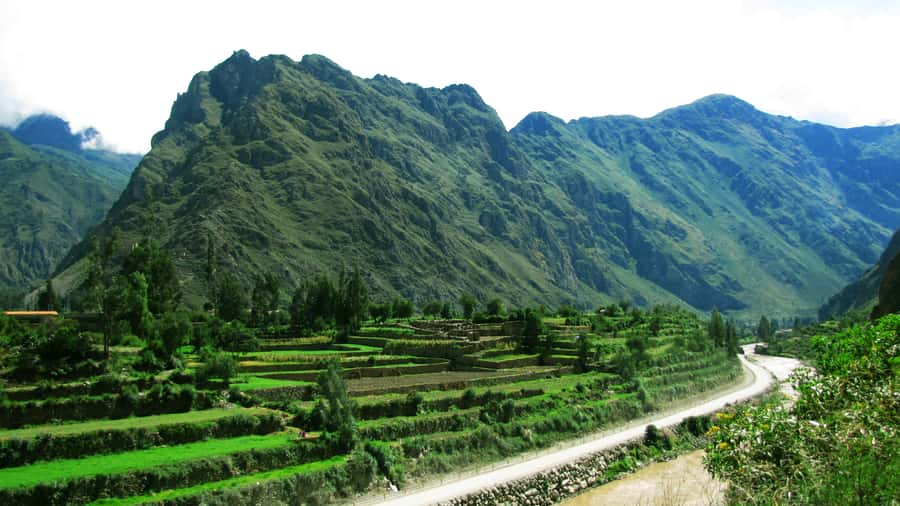
Pisac gives you two quite different experiences in one visit. First comes the archaeological site, high on the mountainside. You’ll see stone walls, agricultural terraces, irrigation systems, temples, and the large Inca cemetery associated with the site.
The terraces are not just decorative. They show how the Inca shaped steep ground for farming and managed water in a difficult mountain setting. The elevated position also gives the site strong views over the valley, though reaching and walking around the ruins requires comfort with uneven paths and slopes.
Your guide is especially useful here. The tour includes a guided visit, and the strongest part of this kind of stop is learning how the separate walls, terraces, and storehouses fit together. Past guides including Herbert Vidal, Alex, and Oliver received praise for answering questions well and explaining the Inca period clearly. Your assigned guide may be different, but the tour is built around that kind of interpretation.
After the ruins, you head to the Pisac Market. Artisans sell ceramics, textiles, jewelry, Andean instruments, alpaca products, and souvenirs. You’ll have a chance to bargain, so compare a few items before buying and keep your daypack organized in the crowd.
I like the order here. You see an ancient site first, then visit a modern market in the same area. It gives the stop more meaning than a quick shopping break added to a road trip. Still, market time is not described as a long independent visit, so do not expect hours to browse at your own pace.
Lunch in Urubamba and the unusual circles at Moray
After Pisac, the group drives about an hour to Urubamba for a buffet lunch in a local restaurant. The meal includes fresh local products and Peruvian dishes. This is one of the included meals, so you do not need to budget separately for lunch on the first day.
The buffet format suits a packed schedule. You can eat without waiting for a long made-to-order meal, and you can choose among the available local dishes. The program does not specify the exact menu, so anyone with dietary needs should ask the operator before departure.
Next comes Moray, one of the most visually unusual stops in the Sacred Valley. Its broad circular terraces descend into the ground in stepped rings. From above, the site looks almost like a natural amphitheater, but the terraces were made for agricultural use.
This is a place where your guide’s explanation adds real value. Without context, you may simply see a series of giant circles. With an explanation of the terraces and irrigation, you get a better sense of the planning behind Inca farming.
The tour then visits the Salineras of Maras, a network of salt pools cut into the mountainside. The bright pools contrast with the surrounding rock, and the site offers a different view of how local communities used the area’s natural resources.
Moray and Maras are often paired because they are close enough to visit in one outing, but they feel very different. Moray is about agricultural design. Maras is about salt production and the layered appearance of hundreds of small pools. You should expect walking at both sites, and the day’s repeated stops can feel tiring by this point.
A few more Machu Picchu days worth weighing up
- From Cusco: 2-Day Trip to the Sacred Valley and Machu Picchu
★ 4.6 · 265 reviews - From Cusco: 2-Day Inca Trail to Machu Picchu
★ 4.2 · 244 reviews - Machu Picchu: Inca Trail 2-Day Overnight Guided Tour
★ 4.9 · 203 reviews - Short Inca trail to MachuPicchu || 2days – 1nigth ||
★ 5.0 · 103 reviews
Ollantaytambo before the Expedition train
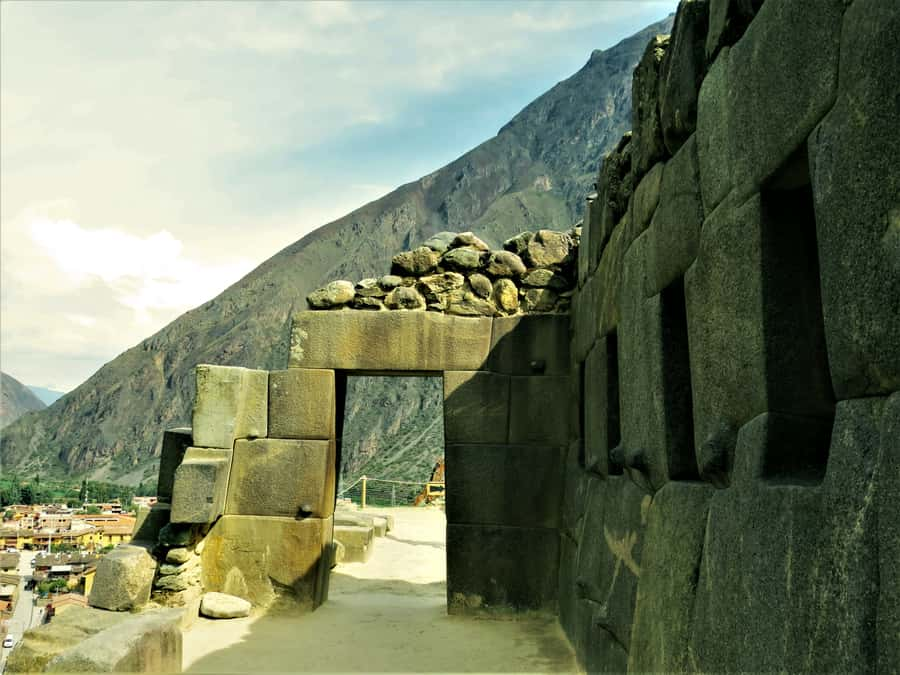
The final major stop on day one is Ollantaytambo, described as the last standing Inca citadel. The town is built among ancient Inca structures, so the archaeological area is not separate from everyday settlement in the way many ruins are.
You’ll see temples, terraces, storehouses, and a large monolithic stone. The terraces rise dramatically above the town, while the stonework gives you another chance to compare Inca building methods with what you saw at Pisac.
Ollantaytambo is more than a sightseeing stop. It is also the transfer point for the train to Aguas Calientes. That makes the timing important. You explore the ruins, then board the Expedition train for the journey toward Machu Picchu.
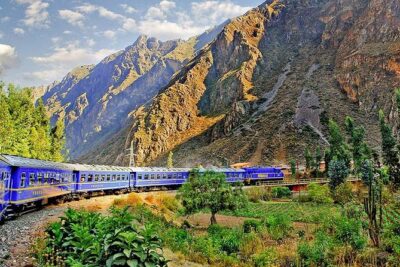
The train ride is part of the appeal of this tour. It breaks up the road travel and carries you into the next stage of the trip without requiring a separate transport plan. The Expedition service is included in both directions, although train schedules are set by the tour operator. One past participant specifically wished for more choice over the departure times, so do not book this expecting to select every train hour yourself.
You spend the night in a three-star hotel in Aguas Calientes. The hotel category is practical rather than luxurious. Its main value is location within the overnight plan: you are already in the town used as the base for Machu Picchu, rather than returning to Cusco after the Sacred Valley day.
An early bus to Machu Picchu
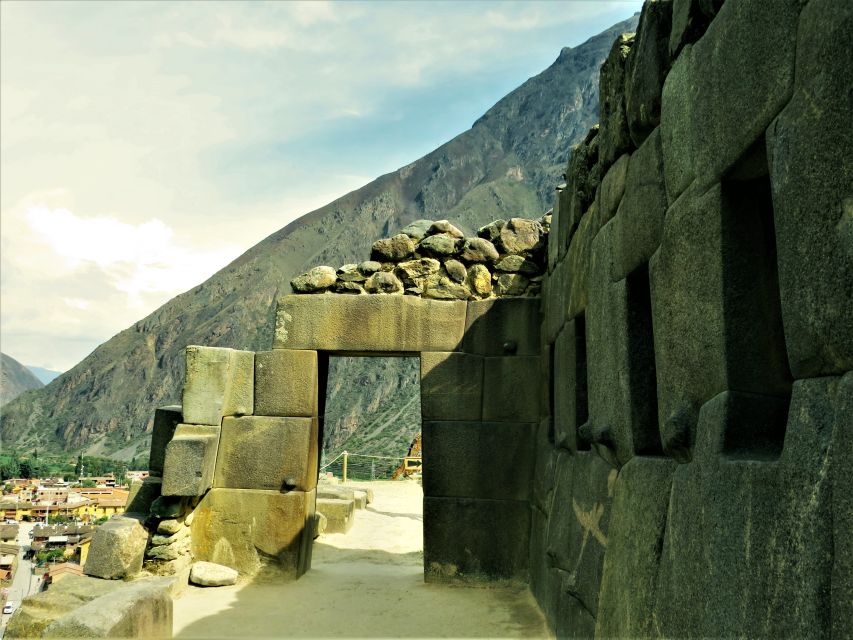
Day two starts early. After breakfast, you take one of the first buses from Aguas Calientes up to Machu Picchu. The early departure is designed to help you catch the morning light and the sunrise experience highlighted by the tour.
The exact sunrise conditions and timing can vary, so keep your expectations flexible. The important point is that the schedule aims to put you at the citadel early, before a later crowd and heat become bigger factors.
At the entrance, you must show your original passport. A photocopy is not described as sufficient, so keep the original in a secure but accessible place. You should also carry only a daypack, since large bags and luggage are not allowed on the experience.
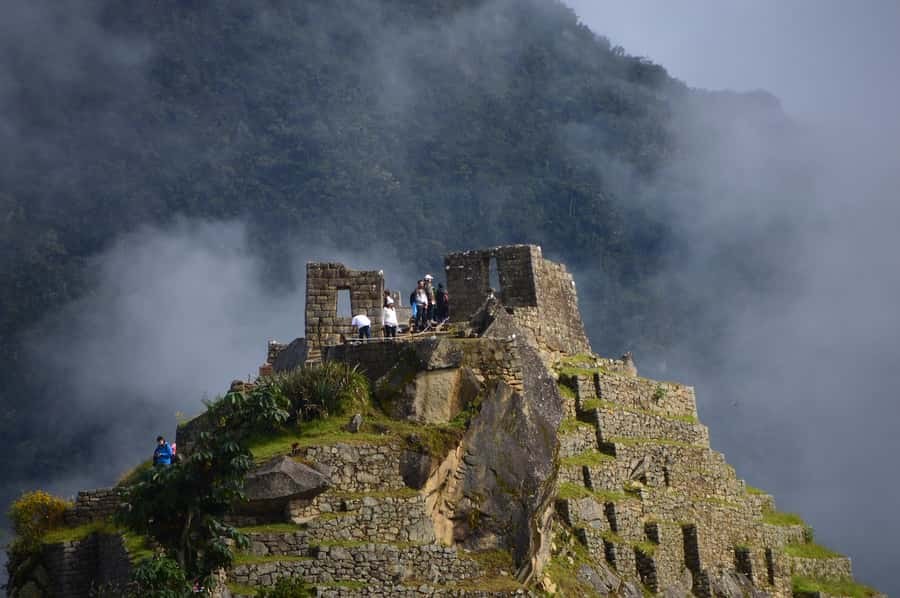
Inside Machu Picchu, the guided visit lasts about three hours. The route includes terraces, storehouses, temples, and palaces. This is not a quick photo stop. You’ll have time to understand the site’s layout and hear how the buildings relate to the mountain setting.
A guide can make a major difference here. The archaeological remains are impressive, but many structures are easier to appreciate when someone points out their function and explains what you are seeing. The strongest praise for this tour has focused on guides who explain thoroughly, remain patient, and respond well when you ask more questions.
After the main circuit, an optional extra hike to Huayna Picchu or Machu Picchu Mountain may be available for an additional cost. These hikes are not included. You should arrange and confirm the extra ticket requirements before assuming you can add one at the last minute.
Returning through Aguas Calientes and Cusco
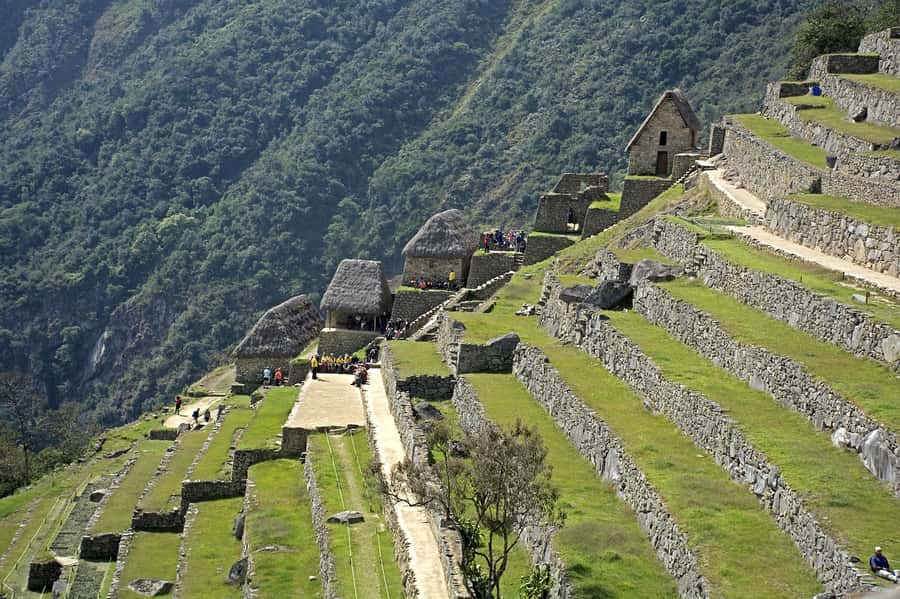
After the citadel visit, you take the bus back down to Aguas Calientes. Lunch there is optional and not included, so keep money available for that meal.
You then board the Expedition train back toward Ollantaytambo. Once you arrive, a van takes you back to your hotel in Cusco. This final road transfer is useful because the tour ends at your Cusco lodging rather than leaving you to arrange a taxi or another connection.
The return day is still a long one. You have an early start, a three-hour guided visit, a bus ride, lunch, a train, and a van transfer. I would avoid scheduling an important evening commitment in Cusco if you can. A past participant found the transport comfortable but noted a train delay, a reminder that rail timing is not entirely under your control.
What the $698 price really buys
The $698 cost makes the most sense if you value convenience and want the main expenses settled in advance. Included are:
- Hotel pickup and return to your Cusco lodging
- Transportation throughout the trip
- Pisac, Moray, Maras, Ollantaytambo, and Machu Picchu entrance tickets
- Buffet lunch in Urubamba
- Dinner in Ollantaytambo
- One night in a three-star Aguas Calientes hotel
- Round-trip buses to Machu Picchu
- Round-trip Expedition train travel
- English or Spanish guide service
- Taxes and reservation charges
You still need to pay for meals not listed, including lunch in Aguas Calientes on day two. Travel insurance is also excluded, as are the Huayna Picchu and Machu Picchu Mountain hikes.
Could you arrange similar services for less? Possibly. One past participant felt the trip might have cost less independently, but also considered the organization worth the price. That is the useful way to judge this tour. You are paying for a coordinated schedule, not simply for admission to Machu Picchu.
The package is strongest for a short Peru visit, a first-time visitor, or anyone who does not want to manage train reservations and multiple entrance tickets. Independent planners may find better flexibility or lower cost, but they will need to handle the details themselves.
Pace, packing, and practical limits
Pack a small daypack rather than a suitcase. Large bags are not allowed, and the program specifically asks you to bring your passport and a daypack. Keep your passport safe but ready for the Machu Picchu checkpoint.
Wear practical walking clothing and shoes you trust on uneven ground. The tour includes several archaeological sites, terraces, viewpoints, and salt pools, so this is not a vehicle-only sightseeing trip.
The first day is especially demanding. You move from Cusco to the alpaca center, Taray, Pisac, Urubamba, Moray, Maras, and Ollantaytambo before taking the evening train. If you prefer slow mornings, long meals, and time to linger at every ruin, this schedule may feel too compressed.
The tour is not suitable for people over 95, according to the activity information. More generally, you should be comfortable with a full day of sightseeing and an early second morning. The operator asks for a phone number, WhatsApp contact, or email for each booking so it can reach you if plans need attention.
Cancellation is non-refundable, so confirm your dates, passport details, and Cusco accommodation before paying. The tour is offered in English and Spanish, and group size is limited to 16.
Should you book this Sacred Valley and Machu Picchu tour?
Book it if you want the major Sacred Valley sights, Machu Picchu, trains, buses, tickets, meals, and hotel arranged as one compact trip. The guide-led visits, especially at Pisac, Moray, Ollantaytambo, and Machu Picchu, are a strong reason to choose an organized tour. The small group and included door-to-door transport also add practical value.
Think twice if you want to choose your own train times, spend longer at the markets, or travel at a slower pace. The $698 price is fair for the amount of transport and admission it includes, but flexibility is limited and the first day is packed.
For a first visit with only two days available, I would consider this a sensible, well-organized choice. Just arrive ready for early starts, carry your original passport, and treat the schedule as an efficient overview rather than a leisurely exploration.
FAQ
How long is the tour?
The tour lasts two days and one night. You spend the first day visiting Sacred Valley sites and traveling by train to Aguas Calientes, then visit Machu Picchu on the second day before returning to Cusco.
Is hotel pickup in Cusco included?
Yes. Pickup is available from a hotel, hostel, or Airbnb in Cusco, followed by return service to your Cusco hotel. You need to provide your accommodation details after booking.
What languages are available?
The live guide service is available in English and Spanish.
What is included in the price?
The price includes Cusco hotel pickup and return, transportation, listed entrance tickets, the Expedition train, buses to Machu Picchu, one night in a three-star Aguas Calientes hotel, a buffet lunch in Urubamba, dinner in Ollantaytambo, guides, taxes, and reservation charges.
Is lunch in Aguas Calientes included?
No. Lunch in Aguas Calientes on day two is optional and must be paid for separately. Meals not listed in the program are also excluded.
Can I hike Huayna Picchu or Machu Picchu Mountain?
An extra hike to Huayna Picchu or Machu Picchu Mountain may be available, but it is not included in the tour price and carries an additional cost.
What should I bring to Machu Picchu?
Bring your original passport and a daypack. Luggage or large bags are not allowed. Drones, alcohol, drugs, and feeding animals are also prohibited.
Just added around Machu Picchu
- Private Tour Guide in Machupicchu from Aguas Calientes.★ 5.0 · 40 reviews
- Machupicchu Guide Service★ 5.0 · 42 reviews
- Inca Trail Machu Picchu 4 Days★ 5.0 · 39 reviews
- Machu Picchu, Cusco & Lima 7-Day Tour★ 5.0 · 30 reviews
- 7 Days: Lima, Ica, Cusco & Machupicchu with local flights★ 5.0 · 52 reviews
- Machu picchu one day by train all included★ 4.5 · 53 reviews
- Exclusive Huayna Picchu Tour in 1 Day from Cusco★ 5.0 · 31 reviews
- Wonderful Cusco 5-Day Tour with Entrance to Machupicchu★ 5.0 · 46 reviews
Train Experiences, compared.
Machu Picchu 2-Day Inca Trail with Panoramic Train
Read our review →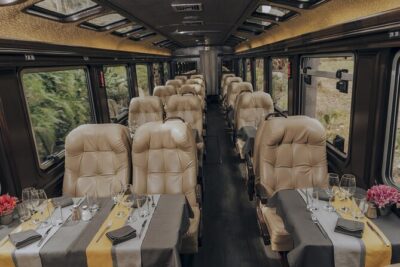
The First Class Machu Picchu Train by Inca Rail
Read our review →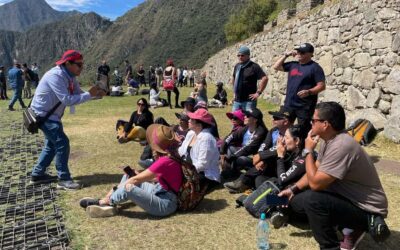

2-Day Machu Picchu Tour by train from Cusco ( All included )
Read our review →
Sacred Valley & Machu Picchu 2-Day Tour by Train
Read our review →
Machu Picchu 2-Day Adventure by Train with Overnight Stay
Read our review →
Browse the lists this tour appears in