

Reviewed · SACRED VALLEY TOURS
From Cusco: Sacred Valley of the Incas Full-Day Tour
Pisac gives this Sacred Valley tour its best opening: a local market below high Inca ruins, followed by steep terraces, temples, and lookouts over the valley. I like the mix of daily culture and major archaeological sites, and I like that the tour includes an Andean weaving demonstration rather than treating the valley as a string of photo stops.
The two things I would watch are the long day and the extra costs. Lunch and entrance fees are not included in the $26 price, and the uphill ruins at Pisac require steady walking. Still, the small-group option, comfortable transport noted by past participants, and guides such as Rosa and Giancarlo can make this a strong value.
Key points to know before you book

- Pisac combines a market and Inca ruins: You get local crafts in the village, then climb toward old temples and houses above it.
- Ollantaytambo is the day’s great fortress stop: The ruins tower over a living Inca town and can be especially useful if you plan to continue toward Machu Picchu.
- Chinchero adds a traditional market: It gives the return journey a different feel from Pisac, with another chance to see local goods.
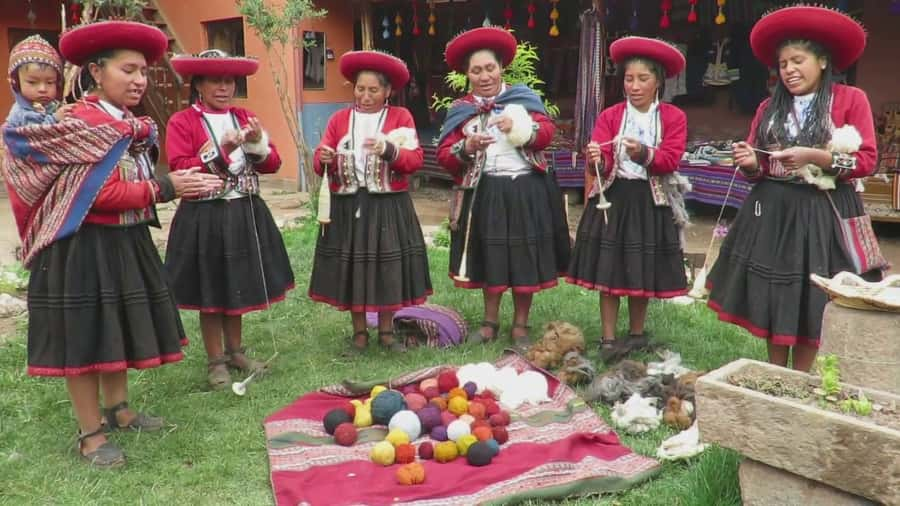
- The weaving demonstration has real cultural value: An Andean weaver shows methods dating to pre-Columbian times.
- The $26 base price is only part of your budget: Add the entrance fee, lunch, and cash for market purchases.
- You can finish in Ollantaytambo: This is useful if the next leg of your trip takes you toward Machu Picchu.
Why the Sacred Valley works well as a full-day outing
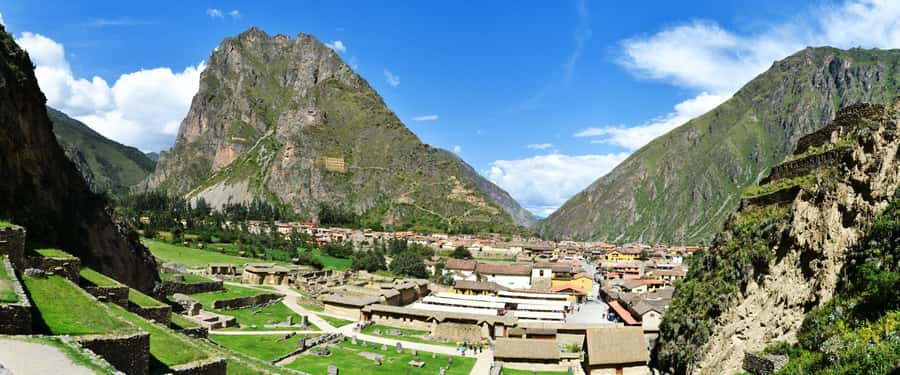
The Sacred Valley is not one single sight. It is a long corridor of villages, farmland, markets, and Inca sites, so a full day helps you connect places that would be awkward to visit on your own.
This outing runs from Cusco to Urubamba and back, with stops at Pisac, Ollantaytambo, and Chinchero. The order gives you a broad sample of the valley: a village market, a hillside archaeological site, an old Inca settlement, a weaving presentation, and a second market.
I like this format for a first visit because you do not spend the whole day at one ruin. You get context from a live guide in English or Spanish, plus time to browse and look around. The tradeoff is obvious: each stop has a schedule, so you will not have unlimited time for shopping or quiet exploration.
The tour is offered as a small group or private outing. A group of about 10 was used on one departure, which is small enough for discussion without the cost of a fully private vehicle. If you care most about flexible timing, the private option is the better fit.
A few more Sacred Valley days worth weighing up
- Full-Day Excursion to Sacred Valley, Pisac and Ollantaytambo from Cusco
★ 4.5 · 174 reviews - Food and Culture Full day Tour in the Sacred Valley
★ 5.0 · 144 reviews - Sacred Valley Full-Day Private Tour from Urubamba & Ollantaytambo
★ 5.0 · 112 reviews
Starting in Pisac, where the market meets the mountains
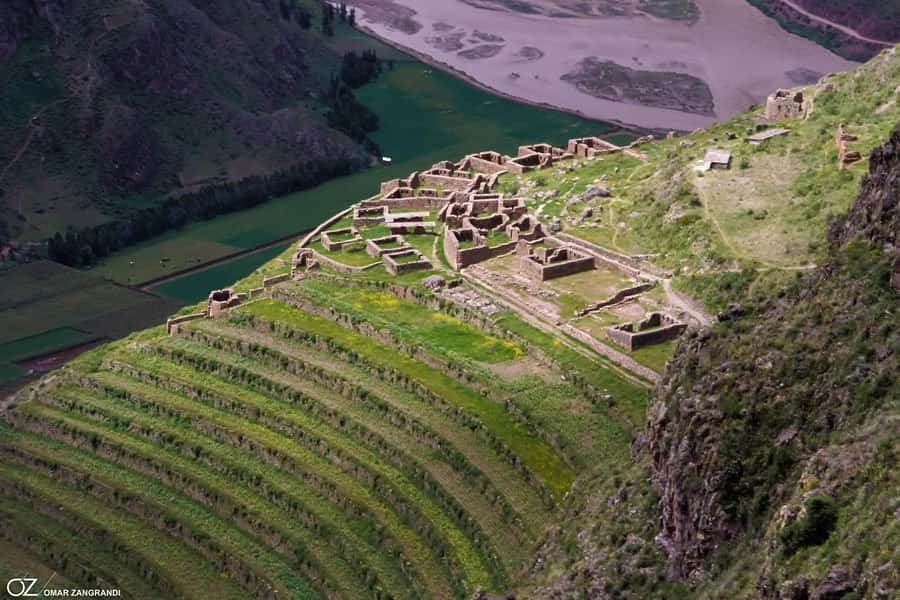
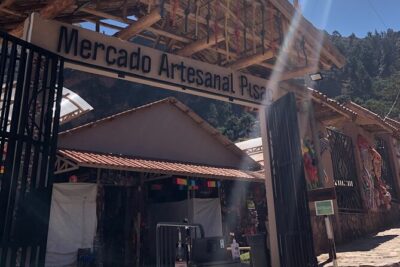
Pisac village sits at the foot of a hill topped by the remains of an Inca settlement. That contrast makes it a useful first stop. At ground level, you see a working town and its market activity. Above it, the ruins show the scale and care of Inca building.
The market is held on Sundays, Tuesdays, and Thursdays. Local people bring products, and artisans from around the area sell woven alpaca wool blankets, ponchos, jewelry, engraved gourds, antique reproductions, and other handicrafts.
You should bring cash if you want to shop. The tour information specifically advises it, and markets are far easier to enjoy when you are not worrying about finding a cash machine during a fixed schedule.
I would give yourself a simple rule here: browse first, buy later. Pisac is only the beginning of the day, and carrying bulky blankets or several fragile crafts through the remaining stops can become tiresome. The market is also a place to compare products, not just a quick souvenir stall.
Because the market operates on set days, check the departure date carefully if this part matters most to you. On another day, you can still visit the village and ruins, but you should not expect the same market activity described for Sunday, Tuesday, and Thursday.
Climbing to the Pisac ruins
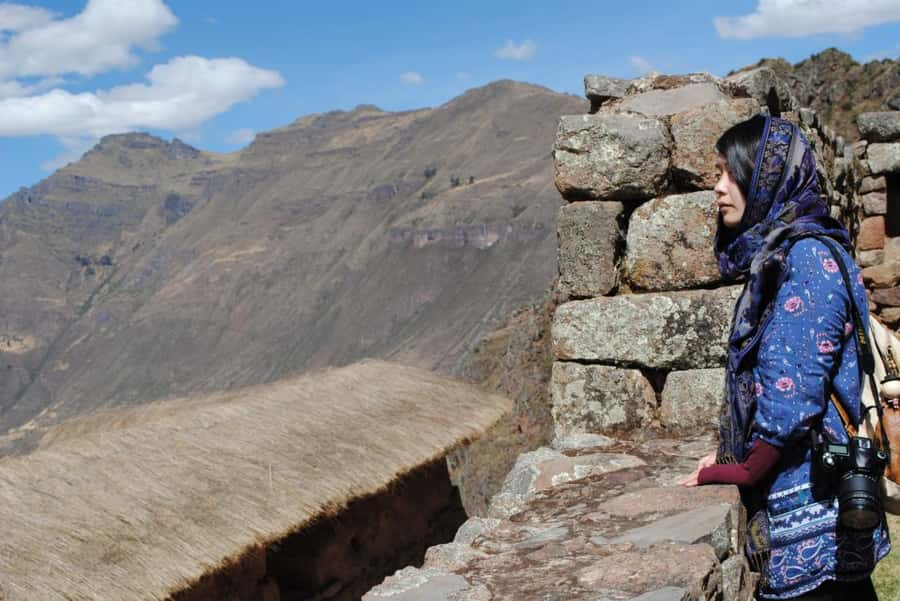
After the village, the vehicle continues uphill toward the archaeological site. The ruins include houses and temples built with the careful stonework associated with Inca construction. Lookouts open across the Sacred Valley, making this one of the strongest photo stops of the day.
The appeal is not only the stone. From above, the site helps you understand how the Inca used high ground, terraces, and carefully planned settlements. Your guide can add meaning to what might otherwise look like scattered walls and foundations.
You will need hiking shoes here. The tour is not suited to people with mobility impairments, and the uphill route can be demanding if you are not comfortable walking over uneven ground. This is not a casual roadside viewpoint. Plan for a real walk, even though the exact walking time is not stated.
Take sunscreen and water, and keep your pace sensible. The high viewpoints are worth reaching, but rushing the climb can make the rest of the day less enjoyable. If you have limited energy, tell the guide early so you can understand which parts of the site are practical for you.
One useful feature is the skip-the-ticket-line arrangement. It can reduce time spent waiting at the entrance, though you still need to pay the entrance fee because it is not included in the tour price.
Lunch and the road toward Ollantaytambo
Lunch comes after Pisac, but it is not included unless you select the private option described with the activity. That means you need to budget for the meal and pay attention to the day’s plan.
The available information does not specify a restaurant, menu, or exact lunch break. I would therefore avoid assuming that a particular meal or dining style is part of the standard booking. Ask for the lunch details when you reserve, especially if you have dietary needs or prefer to keep the stop short.
After lunch, the route continues to Ollantaytambo. The changing rhythm is welcome: Pisac begins with shopping and a hilltop site, while Ollantaytambo brings you into a more concentrated archaeological setting.
The drive is part of the experience, but it also explains why the tour takes a full day. You are covering several valley towns rather than visiting a single attraction near Cusco. Settle in for a road-based outing, and do not judge the tour only by the amount of time spent walking at each ruin.
Same base, a completely different kind of day:
- From Cusco: Sacred Valley & Maras Salt Mines Tour with Lunch
★ 4.8 · 2,227 reviews - From Cusco: Moray, Maras Salt Mines & Chinchero Weavers Tour
★ 4.8 · 1,925 reviews - Cusco: Sacred Valley, Pisac, Ollantaytambo, Salt Mines Moray
★ 4.6 · 1,058 reviews - Cusco:Chinchero,Moray & Salt Mines drop-off in Ollantaytambo
★ 4.8 · 793 reviews
Ollantaytambo, the most memorable ruin stop

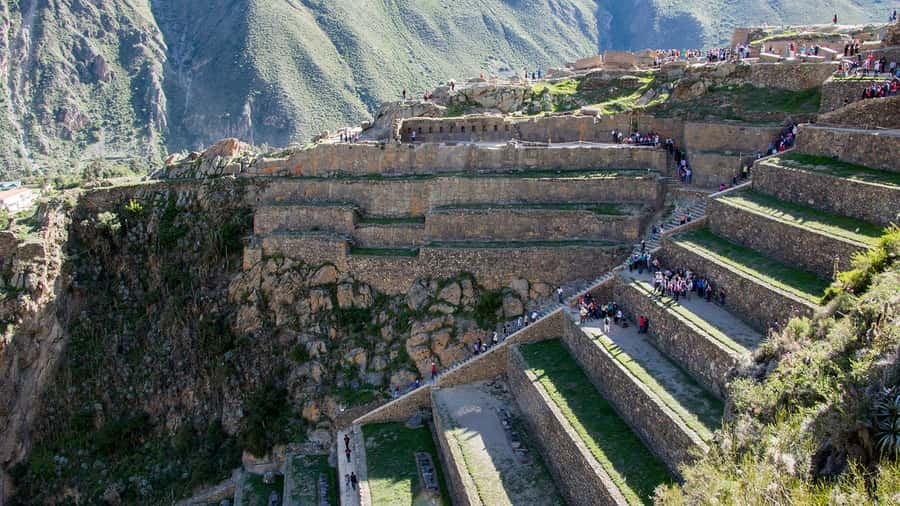
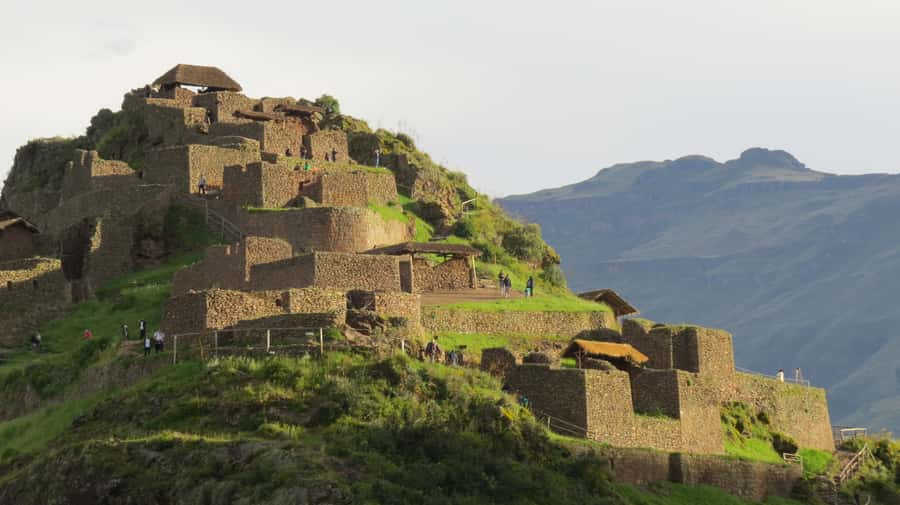
Ollantaytambo is described as the only Inca town not overthrown by the conquistadores. Its ruins rise above the town, creating a strong sense of connection between the old settlement and the place below.
You can explore the remains of the complex with your guide, looking up at the structures that tower over the town. The site is valuable because it is not just an isolated ruin. The town itself is part of the story, and the position of the archaeological remains gives the stop a different character from Pisac.
For many people, this will be the most important stop of the day. The buildings above Ollantaytambo are dramatic, and the town can also serve as a practical break in a larger Peru itinerary.
The tour allows you to finish in Ollantaytambo instead of returning to Cusco. That option matters if you are continuing toward Machu Picchu. You should confirm the arrangement before booking, since the tour normally returns to Cusco in the late afternoon but can also end in Ollantaytambo.
This flexibility may save you a separate return trip. It can also make the tour a better fit for a multi-stop route, but only if your luggage and onward plans are handled properly. The supplied details do not state luggage procedures, so ask the local partner before relying on this option.
Chinchero and the value of the weaving stop
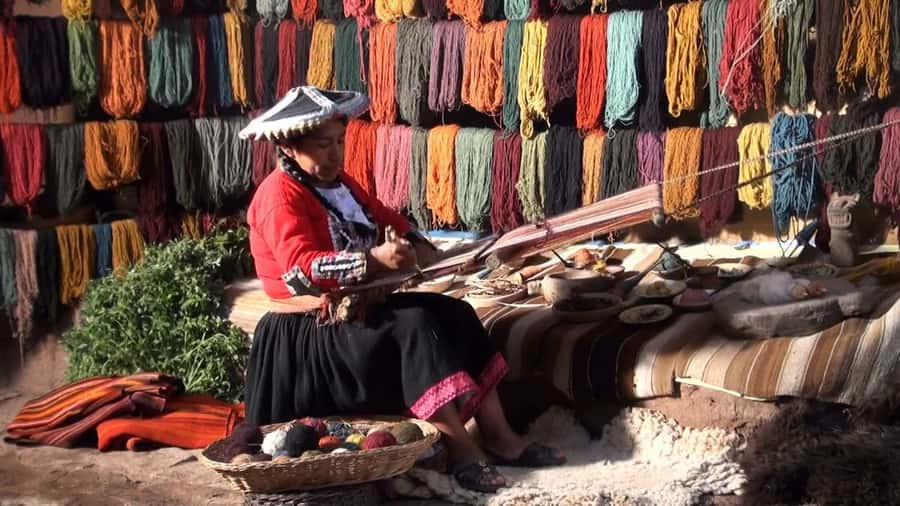
On the way back to Cusco, the tour visits the traditional market of Chinchero. It gives you another look at local products after Pisac, but the two markets need not feel identical. Chinchero is also tied to the weaving demonstration, which adds more depth than simply browsing finished goods.
You meet an expert Andean weaver who demonstrates techniques that date to pre-Columbian times. This is one of the most worthwhile parts of the day for anyone who wants to understand how a textile is made rather than only purchase one.
Pay attention to the process. The colors, patterns, and finished garments mean more when you have seen the skill behind them. It also gives you a better basis for judging what you buy in the markets.
The stop is especially useful if you are unsure about alpaca products. The tour information does not promise a particular product demonstration or shopping arrangement, so I would treat this as a cultural presentation first and a buying opportunity second.
Because Chinchero comes late in the day, energy may be lower by then. That is another reason to avoid filling your schedule with a separate evening plan in Cusco. The stated return is in the late afternoon, but traffic, weather, and other unforeseen changes can affect timing.
What the $26 price really covers
At $26 per person, this is an inexpensive way to connect three important valley stops. The price includes transportation, a professional guide, and pickup from downtown hotels. It does not include lunch or entrance fees, so the final cost will be higher.
That base price is strongest for people who value transport and explanation. Hiring separate rides between Pisac, Ollantaytambo, and Chinchero could be inconvenient, and you would lose the guide’s interpretation at the ruins and weaving stop.
The price is less attractive if you want a slow, independent day. A standard group schedule means moving on when the itinerary says it is time, even if you are still bargaining at Pisac or taking photographs at Ollantaytambo.
The small-group option helps. A group of around 10 was used on one outing, and that size allows questions without the feel of a large coach excursion. Past departures also included positive comments about punctuality, a comfortable vehicle, and the guide. Rosa received especially warm praise, while Giancarlo was noted for detailed explanations. Guide assignment is not guaranteed, but those names give you a useful standard to ask about.
How to prepare for the day
Pickup is available from downtown hotels only. If you are staying outside that area, confirm the meeting point before you pay.
Bring your passport or ID card, hiking shoes, sunscreen, and cash. The first three items are practical for identification, walking, and sun protection. Cash matters for market purchases and any expenses not covered by the tour.
Pets are not allowed. The activity is also not suitable for people with mobility impairments, mainly because of the uphill ruins and the amount of movement between sites.
The operator can change the schedule without prior notice because of climate conditions, river water levels, transport arrivals and departures, or other unforeseen events. That is standard for a day crossing the Andes and Sacred Valley, but it is worth keeping in mind when planning a tight connection.
The booking is non-refundable. Since lunch and entrance fees are extra, check your budget and date before committing.
Who should choose this Sacred Valley tour
I would recommend it to a first-time visitor who wants the major stops without arranging several separate rides. It also suits you if you want a guide to explain the ruins and prefer a small group to a large bus.
It is a good match for shoppers who want both Pisac and Chinchero, especially when the departure falls on a Sunday, Tuesday, or Thursday and the Pisac market is active. It also suits anyone interested in textiles, since the weaving demonstration adds a clear cultural focus.
You may want another plan if you need a very slow pace, have trouble with uphill walking, or want long, unstructured time at one archaeological site. The tour covers a lot of ground in one day, and that efficiency comes with a schedule.
It is also a smart option if you want to end in Ollantaytambo and continue toward Machu Picchu. Confirm the details first, but this route can reduce backtracking.
Should you book it?
Book this tour if you want a practical introduction to the Sacred Valley at a low starting price. You get Pisac, Ollantaytambo, Chinchero, markets, ruins, transport, and a live guide in one day, with the chance to choose a small group or private format.
Go in with clear expectations: lunch and entrance fees cost extra, the day involves uphill walking, and the schedule can change. If you prepare for those points, the combination of strong sites, useful cultural context, and the option to finish in Ollantaytambo makes this a sensible choice for many Cusco itineraries.
FAQ
How long does the Sacred Valley tour last?
The activity lasts one full day. The stated plan returns to Cusco in the late afternoon, though schedules can change because of weather, transport, or other unforeseen conditions.
Where does the tour start?
Pickup is available from downtown hotels in Cusco only. Confirm the meeting point if your accommodation is outside the downtown pickup area.
Which places does the tour visit?
The route includes Pisac village and ruins, Ollantaytambo ruins, and the traditional market of Chinchero. It also includes a demonstration by an Andean weaver.
Is lunch included?
Lunch is not included in the standard option. It is included only if the private option selected provides for it.
Are entrance fees included?
No. Entrance fees are not included in the listed price.
Can I visit the Pisac market?
You can visit the Pisac market when it is operating. The market is held on Sundays, Tuesdays, and Thursdays.
What languages are available?
The tour offers a live guide in Spanish or English.
Can I finish the tour in Ollantaytambo?
Yes. You can finish in Cusco or in Ollantaytambo, where you can continue your trip toward Machu Picchu.
Is the tour available as a private experience?
Yes. Private and small-group options are available.
What should I bring?
Bring your passport or ID card, hiking shoes, sunscreen, and cash. Pets are not allowed.
Just added around Sacred Valley
- Zipline over the Sacred Valley Trip★ 5.0 · 11 reviews
- Visit Pisac from Cusco: Private Transport★ 4.6 · 9 reviews
- Maras and Huaypo lagoon by ATV from Cuzco | Local Operator★ 4.7 · 4 reviews
- Transfer from Cusco to Ollantaytambo★ 5.0 · 30 reviews
- Sacred Valley VIP Tour with Maras and Moray from Cusco★ 4.5 · 35 reviews
- Sacred Valley Private Tour, Moray & Salt Mines Incluided★ 5.0 · 41 reviews
- Salt Mines(Maras),Moray and Chincheros★ 5.0 · 41 reviews
- Excursion to Sacred Valley of the Incas tour – Private service.★ 5.0 · 35 reviews
Sacred Valley Tours, compared.
Sacred Valley & Maras Salt Mines Tour with Lunch
Read our review →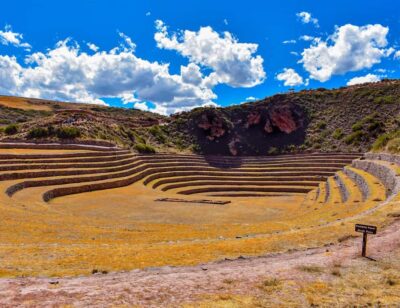
Moray, Maras Salt Mines & Chinchero Weavers Tour
Read our review →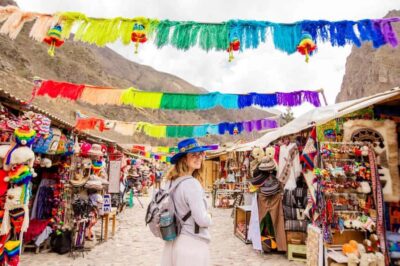
Sacred Valley, Pisac, Ollantaytambo, Salt Mines Moray
Read our review →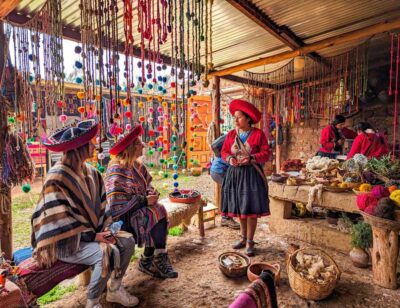
Chinchero,Moray & Salt Mines drop-off in Ollantaytambo
Read our review →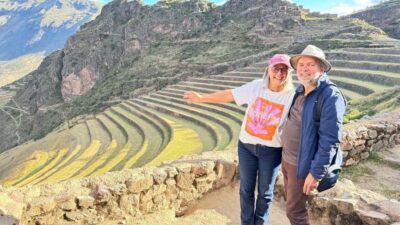
Pisac Indian Market and Ollantaytambo Fortress with Lunch
Read our review →
Browse the lists this tour appears in