
Reviewed · ZIP LINES
Sam’s Zip Line in Sacred Valley
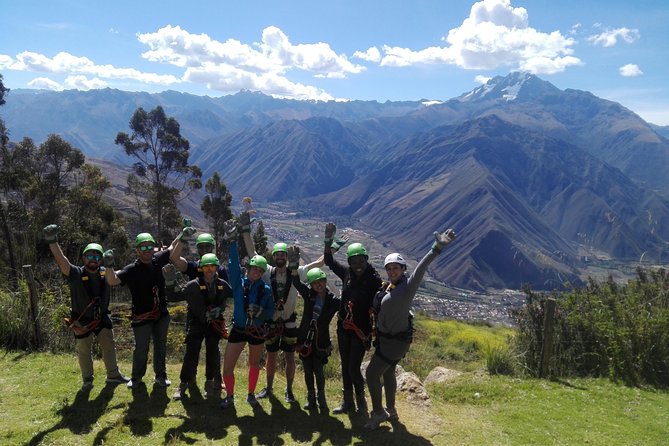
Four zip lines carry you from hill to hill above the Sacred Valley, with the Andes spread out below and the Racchi Ayllu community nearby. I like the four different cables, which let you try several positions, and the private transport, which can make this far easier than arranging a taxi from Cusco. Guides including Sam, Richard, and Jonathan focus closely on safety.
The main catch is altitude and uphill movement between cables. The zip lines themselves take about an hour, but climbing from one launch point to the next can feel tiring, especially if you are still adjusting to Cusco’s elevation. Bring water, since neither food nor drinks are included.
Key points at a glance
- Four cables and a Tibetan bridge: You get more than one short ride, with several zipline positions and a suspension bridge.
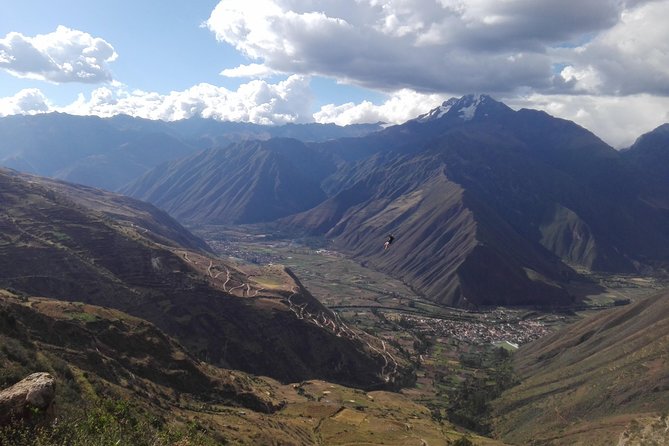
- Racchi viewpoint scenery: The route looks across the Sacred Valley and toward the eastern Andes.
- Safety-first setup: Harness, helmet, gloves, Petzl equipment, and a clear briefing are part of the activity.
- Private transportation: Pickup and return transport have been especially useful for people staying in Cusco.
- Three aerial photos included: Keep your hands free during the ride and leave with at least three pictures.
- Small group size: The activity accepts a maximum of 12 people, which helps keep instructions personal.
Flying above the Sacred Valley at Racchi viewpoint
Sam’s Zipline is not just a single cable stretched across a roadside slope. The activity uses four cables at the Racchi viewpoint, letting you cross from hill to hill above the Sacred Valley. You also cross a Tibetan bridge, a suspended walkway that adds a short balance challenge between the rides.
I like this format because the experience has a natural rhythm. You receive your equipment, listen to the safety instructions, try a few simple obstacles, and then move through the cables one at a time. The rides can be done in different positions, including the Superman style, and an upside-down option is available for people who want more flair.
The setting is the real reason to choose this over an ordinary amusement-park zip line. From above, you can look across the valley toward the mountain chain east of the Andes. The view is broad and open, with the Sacred Valley below rather than a row of buildings or a fenced attraction around you.
The activity also takes place near the community of Racchi Ayllu. That gives the experience a local setting instead of making it feel completely detached from the area’s living culture. The supplied itinerary also lists Chinchero and a handicraft market, so the day can connect the zip line with the valley’s textile traditions, depending on the transport plan arranged for you.
More zipline and canopy runs in Sacred Valley:
- Rafting & Zip line Urubamba River 1 Day
★ 5.0 · 75 reviews - Zipline over the Sacred Valley Trip
★ 5.0 · 11 reviews - Cusco: Zipline + ATV’s | Salt Mines of Maras and Moray |
★ 5.0 · 4 reviews
What happens on the four cables
You begin by putting on a harness, helmet, and gloves. The staff then explain how to position your body, how to hold yourself, and what to do when arriving at the far platform. That briefing matters, especially if this is your first zip line or you are traveling with children.
Guides Sam, Richard, and Jonathan are named as members of the operating team. The experience is designed to feel active but controlled. The equipment is described as Petzl-certified, and the facilities have been validated by Civil Defense and institutions involved with adventure tourism. A health agreement is also in place for unexpected situations.
The first cable gives you the basic feel of the ride. After that, the positions can change, with Superman and upside-down styles available for those who want something more dramatic. Do not feel pressured to choose the most theatrical position. The standard seated or upright approach still gives you a clear view and is often the better choice if you are nervous.
Between cables, you may need to walk or climb to the next launch area. This is the part that can surprise people. The zip line itself is brief and exciting, but the route between platforms requires effort, and thin air can make that effort more noticeable. If you have just arrived in Cusco, plan at an easy pace and tell the guides if you need a moment.
The Tibetan bridge adds balance work without requiring the same speed or height as the cables. It is a useful change of pace, and it explains why the tour includes practice with balance rather than only flying from one platform to another.
The Sacred Valley views are the main reward
The scenery around Racchi is the strongest reason to pay for this particular activity. You are looking over the Sacred Valley of the Incas, with mountains forming the eastern edge of the Andes. The ride gives you a short bird’s-eye view that you will not get while sitting in a vehicle or walking through a market.
The views are also part of the value for people who have already seen major archaeological sites. A morning at ruins gives you history and architecture. This activity gives you height, motion, and a different sense of the valley’s shape. It works well as a change of pace during a Cusco trip.
The included photos help here. At least three pictures of you in the air are provided, so you do not need to ask someone in your group to stand aside and take pictures at every platform. Keep personal items stored during the ride, and let the staff handle the activity while you concentrate on your position and the view.
Photo coverage may be especially useful for solo visitors. You can enjoy the ride without trying to manage a phone, camera, or loose belongings. Just remember that three pictures are promised, not a full photo package or continuous video.
Private transport makes the outing simpler
Private transportation is included, and many bookings use pickup from a Cusco hotel. The drive to the site has been described as roughly 45 minutes to an hour in some arrangements, although the exact timing depends on your starting point and road conditions.
This is an important part of the price. At $61.54 per person, the activity costs more than simply paying for a short zip line at a local recreation park. You are paying for the mountain setting, four cables, safety equipment, staff, photos, and transport. For a person staying in Cusco without a car, the private ride can make the total cost easier to justify.
The driver may also stop at a local alpaca textile facility or in Chinchero on the way back. Chinchero is known for its market and textile work, making it a useful cultural addition to an otherwise adrenaline-focused outing. Treat this as a possible stop within the transport plan, not as a separate guaranteed tour component.
The stated itinerary also lists Mercado de Artesanias and Complejo Arqueologico Chinchero. These names suggest that the outing may include or pass through craft and archaeological points, but the core activity remains the zip line at Racchi. If those stops matter to your plans, confirm the exact route before booking.
There is a practical location detail to check. The activity is described as taking place in the Sacred Valley near Cusco, while the meeting-point information gives an address in Corongo, Ancash. That does not match the usual Cusco description, so I would confirm the pickup point and route directly with Sam’s Zipline before payment or departure.
A few more Sacred Valley days worth weighing up
- From Cusco: Sacred Valley & Maras Salt Mines Tour with Lunch
★ 4.8 · 2,227 reviews - From Cusco: Moray, Maras Salt Mines & Chinchero Weavers Tour
★ 4.8 · 1,925 reviews - Cusco: Sacred Valley, Pisac, Ollantaytambo, Salt Mines Moray
★ 4.6 · 1,058 reviews - Cusco:Chinchero,Moray & Salt Mines drop-off in Ollantaytambo
★ 4.8 · 793 reviews
Safety equipment and group size
The included equipment is straightforward: harness, helmet, and gloves. You also have a place to store personal belongings while you ride. That means you can avoid carrying a phone, bag, or loose camera through the cables.
The company describes the facilities as validated by Civil Defense and the equipment as certified by Petzl. Those details do not remove the need to listen carefully, but they provide useful reassurance. The guides explain the process before you start, and the operation includes a health agreement for unforeseen events.
The maximum group size is 12 people. That is small enough for staff to give individual instructions, while still large enough that you may need to wait briefly for the person ahead of you. The team has been praised for being patient with first-time participants and for helping people feel ready before launch.
Families should ask about the exact arrangement for children. Children as young as 5 and 8 have taken part with guides riding alongside them, according to the supplied information, and both enjoyed the activity. Still, the data does not state a formal minimum age, height, or weight rule, so confirm those requirements before booking for a child.
Altitude, effort, and who will enjoy it
This is a good choice if you want a short adventure that fits into a wider Sacred Valley day. You get real mountain scenery without committing to a full-day trek. The activity itself lasts about one hour, although transport and any added stops make the whole outing longer.
You should be comfortable with heights and with walking between platforms. The most demanding part may not be the flight. It may be climbing from cable to cable while adjusting to Cusco’s high elevation. People ranging in age from 60 to 73 have taken part, but their experience also points to the need for a steady pace.
I would choose this for:
- Couples who want a lively break from archaeological visits
- Families whose children meet the operator’s requirements
- Solo visitors who want photos and organized transport
- First-time zipliners who prefer a careful safety briefing
- Experienced zipliners who want Superman and upside-down positions
- Anyone who wants a broad Sacred Valley view from above
I would think twice if you dislike heights, need a completely level activity, or have just arrived at high altitude and are not feeling well. The company says most people can participate, but that is not the same as saying every person should take part without checking personal health needs.
Chinchero and the craft-market stops
Chinchero adds a useful cultural note to the outing. If your transport includes a stop there, you may meet local people and see alpaca textiles rather than spending the entire day inside an adventure facility.
This can be a welcome contrast after the zip lines. The activity gives you speed and mountain views, while Chinchero connects you with craft traditions and a town setting. It also gives you a chance to buy a textile if that interests you.
The tradeoff is time. A stop at the market or archaeological complex may extend the outing beyond the advertised one-hour activity. If you have a fixed afternoon plan, ask how much time is allowed for these stops. If you want a fuller day in the Sacred Valley, they may add value.
The listed itinerary also includes Mercado de Artesanias. Since the details do not specify exactly when this stop occurs or how long it lasts, confirm it in advance rather than building your whole day around it.
What the $61.54 price buys you
At $61.54 per person, this is a mid-priced adventure rather than a bargain short ride. The cost makes more sense when you count the four cables, bridge, gear, guides, private transportation, storage, and aerial photos.
The transport is the biggest practical benefit. A cheaper zip line can become less appealing if you must arrange a taxi, find the site, and pay for return transport separately. Here, the private car can pick you up and bring you back to the meeting point, with possible stops along the way.
Food and bottled water are not included. Bring your own water and a small snack if needed, but store personal items before riding. Since the activity is short, you do not need to pack heavily.
The price is also easier to justify for a group that wants a shared memory without spending a full day on a demanding outdoor route. For a solo visitor who already has transport arranged, the value may feel less strong. The photos and multiple cables help close that gap.
Booking, timing, and cancellation
The activity operates daily from 9:00 a.m. to 4:00 p.m. It is often booked about 50 days ahead, so popular dates may not remain open close to departure. Confirmation is provided at booking.
Free cancellation is available if you cancel at least 24 hours before the start time. Cancellations or changes made within 24 hours are not accepted for a refund, and the cut-off follows local time.
Because the supplied meeting address does not clearly match the Cusco and Sacred Valley description, confirm the exact pickup details before setting out. This is the one logistical point I would not leave unclear.
Should you book Sam’s Zipline?
I would book it if you want a compact, well-organized adventure with big Sacred Valley views, several rides instead of one quick pass, and private transport from Cusco. The four cables, Tibetan bridge, aerial photos, and patient safety instruction give the experience more substance than a basic zip line.
I would skip it if your main goal is a long archaeological tour, if high-altitude exertion is a concern, or if you want meals included. Before booking, confirm the meeting point, child requirements, and whether Chinchero or the craft market fits your schedule.
For most active visitors, the best plan is simple: bring water, wear comfortable clothes, listen to the briefing, and save your boldest position for the cable where you feel most confident. The Sacred Valley is the star, and the zip line gives you a fast, memorable way to see it.
FAQ
How long does Sam’s Zipline take?
The zipline activity lasts approximately one hour. Transportation and any stops in Chinchero or at a handicraft market can make the full outing longer.
How many zip lines are included?
The activity includes four cables. It also includes a Tibetan bridge and a few balance obstacles.
What safety equipment is provided?
You receive a harness, helmet, and gloves. The operator states that the equipment is certified by Petzl.
Are photos included?
Yes. You receive at least three pictures of yourself in the air.
Is transportation included?
Yes. Private transportation is included, and the activity ends back at the meeting point.
Are food and drinks included?
No. Bottled water, food, and other drinks are not included.
How many people can join the activity?
The maximum group size is 12 people.
What is the cancellation policy?
You can cancel for a full refund up to 24 hours before the start time. Cancellations or changes made less than 24 hours before the experience are not accepted for a refund.
Just added around Sacred Valley
- Zipline over the Sacred Valley Trip★ 5.0 · 11 reviews
- Visit Pisac from Cusco: Private Transport★ 4.6 · 9 reviews
- Maras and Huaypo lagoon by ATV from Cuzco | Local Operator★ 4.7 · 4 reviews
- Transfer from Cusco to Ollantaytambo★ 5.0 · 30 reviews
- Sacred Valley VIP Tour with Maras and Moray from Cusco★ 4.5 · 35 reviews
- Sacred Valley Private Tour, Moray & Salt Mines Incluided★ 5.0 · 41 reviews
- Salt Mines(Maras),Moray and Chincheros★ 5.0 · 41 reviews
- Excursion to Sacred Valley of the Incas tour – Private service.★ 5.0 · 35 reviews
Zip Lines, compared.

4 Day Tambopata Amazon Wildlife & Canopy Experience
Read our review →
4-Day Inca Jungle Adventure, Mountain Biking, Rafting and Zipline
Read our review →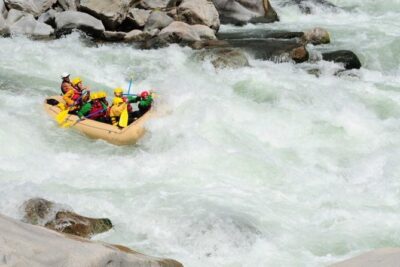
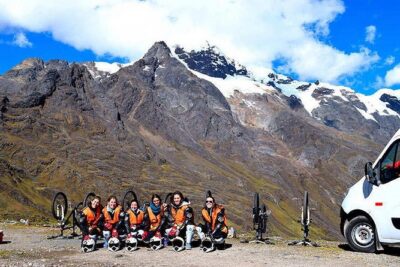
07 Day: Inca Jungle Adventure with Mountain Bike, Rafting, Zipline & Trek
Read our review →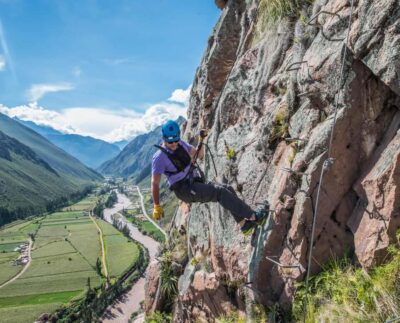
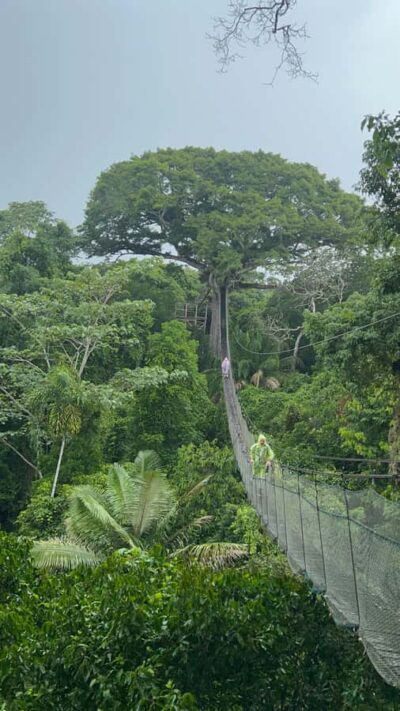
Canopy Tower, Zipline, Kayak, and Monkey Island …
Read our review →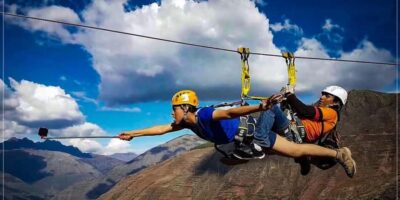
Browse the lists this tour appears in