
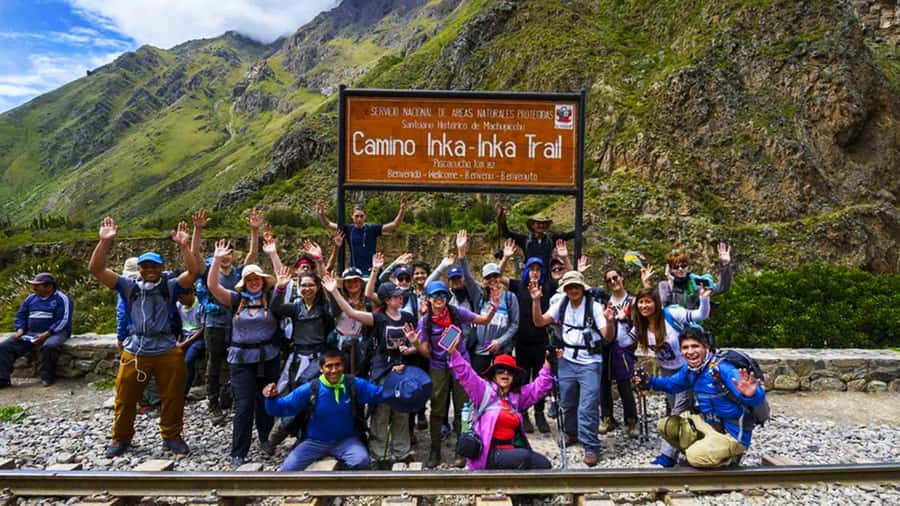
Reviewed · HIKING & TREKKING
Inka Jungle trek to Machu Picchu 3 D/ 2 N
The best part of this Inka Jungle trek is the changing scenery. You begin high in the Andes, race downhill by bicycle, pass coffee and fruit farms, then follow the railway through warm jungle country toward Machu Picchu. It feels more like a small expedition than a simple transfer to the ruins.
I like the mix of adventure sports and walking, and I like that the route brings you close to local crops, medicinal plants, birds, and daily farm life. The main drawback is the physical demand: cycling for up to four hours, walking for about three hours the next day, and reaching Machu Picchu early can make this a tiring three days.
Key points at a glance
- Abra Málaga cycling: Descend from a high mountain pass for roughly three to four hours, with mountain and jungle views changing around you.
- Farm country near Santa María: Look for coffee, coca, bananas, cocoa, mangoes, pineapples, papayas, and avocados along the route.
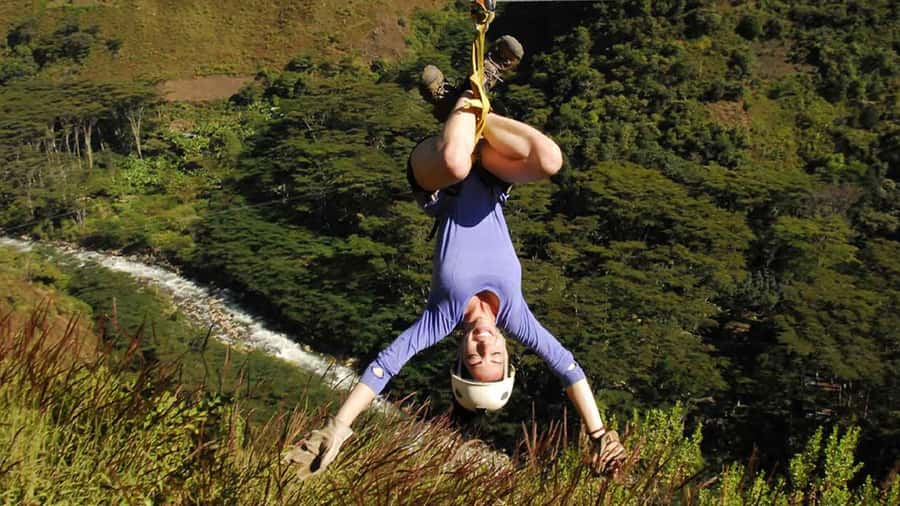
- Optional Cola de Mono zip line: Add a fast aerial ride on the second morning, if you want more excitement before walking to Hidroeléctrica.
- Railway walk to Aguas Calientes: The three-hour route follows the tracks beneath steep, plant-covered mountains, with views toward Machu Picchu.
- Early Machu Picchu visit: Walk up before sunrise, then explore the citadel with a professional guide for about two and a half hours.
- Small-group format: The group is limited to 18 people, with English- and Spanish-speaking guiding available.
From Cusco to a 4-hour downhill ride
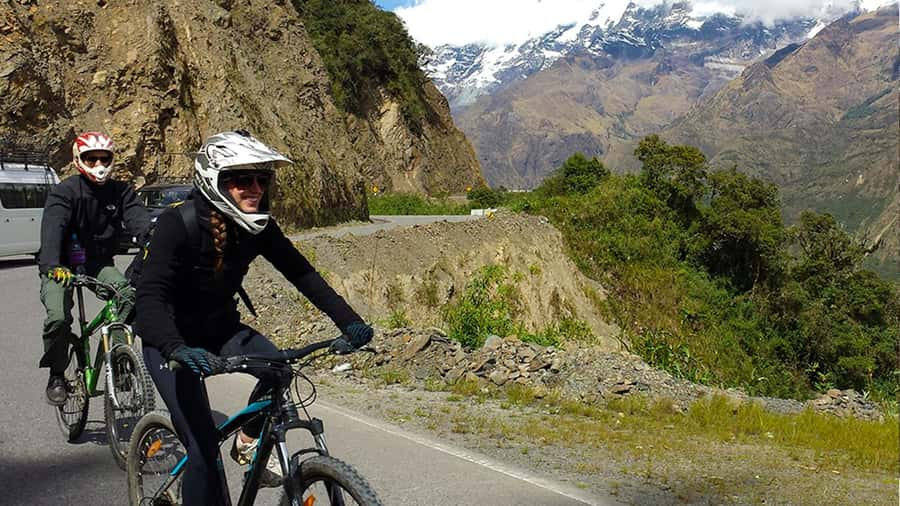
Your pickup is scheduled for 6:00 in the morning from your hotel in Cusco. The tourist vehicle takes about four hours to reach Abra Málaga, the high point where the cycling section begins.
That long vehicle ride is not just dead time. The route carries you from the Cusco area toward a warmer zone, and the scenery changes as the road drops in elevation. You begin among high mountain surroundings before moving toward thicker vegetation and a more tropical setting.
The bicycle descent lasts about three to four hours. You receive a bicycle, helmet, gloves, arm protection, and knee pads. The exact pace depends on the group and road conditions, but you should be ready for a sustained ride rather than a short sightseeing pedal.
I would take this first section seriously. Even though it is downhill, a long descent requires concentration, hand strength, and confidence on a bicycle. This is not the right trip for someone with back problems, and it is not suitable for pregnant women or wheelchair users.
The cycling route gives you one of the clearest reasons to choose this trip instead of a standard train journey. You see the Andes gradually give way to warmer country from the saddle, with more time to notice the birds, plants, farms, and changing air.
More Hiking Tours in Machu Picchu
- Salkantay Trek to Machu Picchu 5 Days with Sky Lodge Domes
★ 5.0 · 5 reviews - Huchuy Qosqo Trek To Machu Picchu
★ 5.0 · 3 reviews - Machu Picchu: 5-Day Salkantay Trek with Panoramic Train
★ 5.0 · 79 reviews
Huamanmarca and the first taste of jungle country
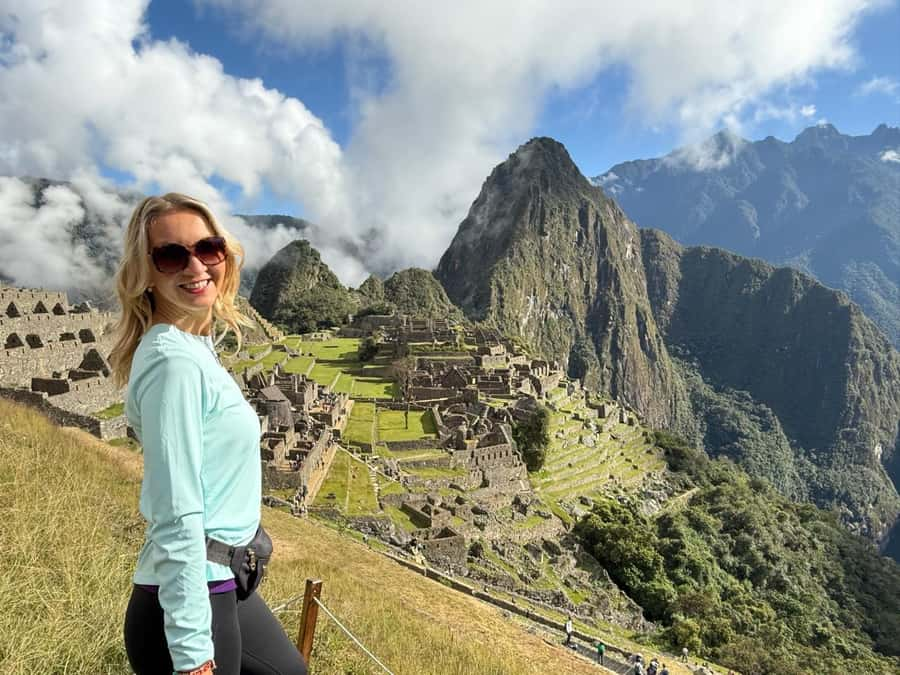
Along the route, you have the chance to see the archaeological center of Huamanmarca. The stop adds an Inca-era site to a day otherwise focused on movement and scenery.
The area also introduces the local produce that shapes the route. You may see coffee, coca leaves, mangoes, pineapples, papayas, avocados, and other crops. Medicinal plants and jungle birds are part of the natural setting, while visits with local families offer a look at everyday work beyond the main tourist circuit.
This is a useful part of the experience because the Inka Jungle route is not only about getting to Machu Picchu. It connects the famous ruins with the farms and communities that occupy the warmer valleys below Cusco.
The route reaches Santa María after the cycling portion. After lunch, the program continues by car to Santa Teresa, where you spend the night. That transfer means you do not need to walk the whole way between the two towns, but it also makes the first day fairly full after the early departure and long bicycle ride.
Santa Teresa, hot springs, and the first night
Your first overnight is in hostel accommodation in Santa Teresa. Two nights of lodging are included in the package, one here and one in Aguas Calientes.
The Cocalmayo hot springs are an optional extra. Admission is not included, so you will need cash if you decide to go. This can be a pleasant way to loosen tired legs after the bike ride, but it adds another cost and activity to a day that may already feel long.
I would treat the hot springs as a bonus, not a reason to book the tour. The main value of the first night is its position on the route and the chance to rest before the next walking section.
Meals are included during the trek: two breakfasts, two lunches, and two dinners. Breakfast on the first day is not included, so bring food or buy something before pickup. Vegetarian and vegan meals are available if you request them when booking.
Ziplining at Cola de Mono, then the walk to Hidroeléctrica
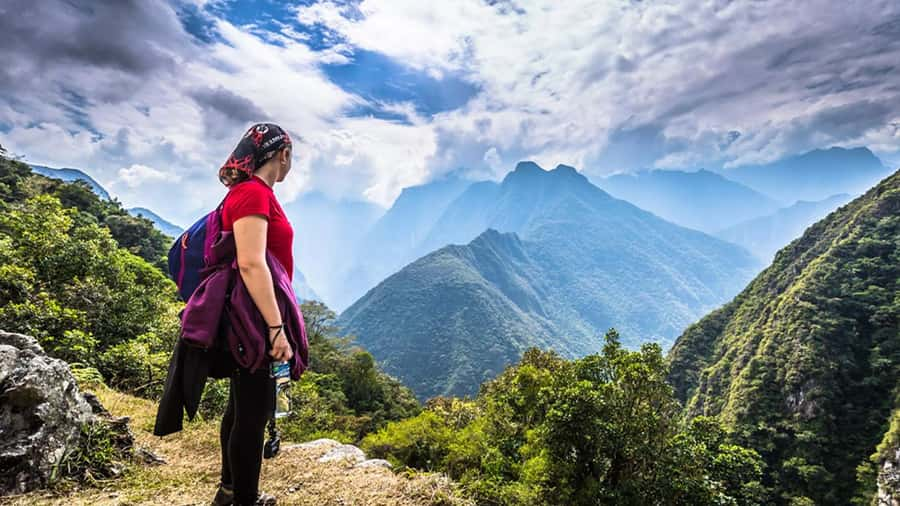
The second morning begins with an optional zip line at Cola de Mono. The activity is included in the listed tour package, but it is described as optional in the schedule, so confirm the exact arrangement with Libertrek Peru Travel Agency before departure.
After breakfast, you walk toward Hidroeléctrica. This section passes through a narrow canyon with a warm climate, waterfalls, steep mountains covered in vegetation, and plantations of bananas, mangoes, avocados, cocoa, oranges, and coca.
The contrast with the first day is part of the appeal. Day one gives you a fast ride downhill. Day two slows the pace and lets you walk through the growing area, with time to notice crops and water flowing through the canyon.
The mountain of Machu Picchu eventually comes into view. Seeing it from this approach gives the famous site a stronger sense of place than arriving only by train. You are approaching from the valley, on foot, with the railway and mountains guiding the way.
You should expect heat and a steady amount of walking. Carry water, sunscreen, sunglasses, snacks, and any personal medication you need. Cash is also useful for small purchases and optional activities.
More Hiking Tours in Aguas Calientes:
- From Arequipa: Sillar Route Trek
★ 4.2 · 461 reviews - From Cusco: 7 Lakes Ausangate Trek with Breakfast and Lunch
★ 4.8 · 360 reviews - From Arequipa: 2-Day Colca Canyon Trekking Tour
★ 4.8 · 243 reviews - Cusco: Rainbow Mountain Tour and Red Valley Hike (Optional)
★ 4.7 · 149 reviews
The three-hour railway walk to Aguas Calientes
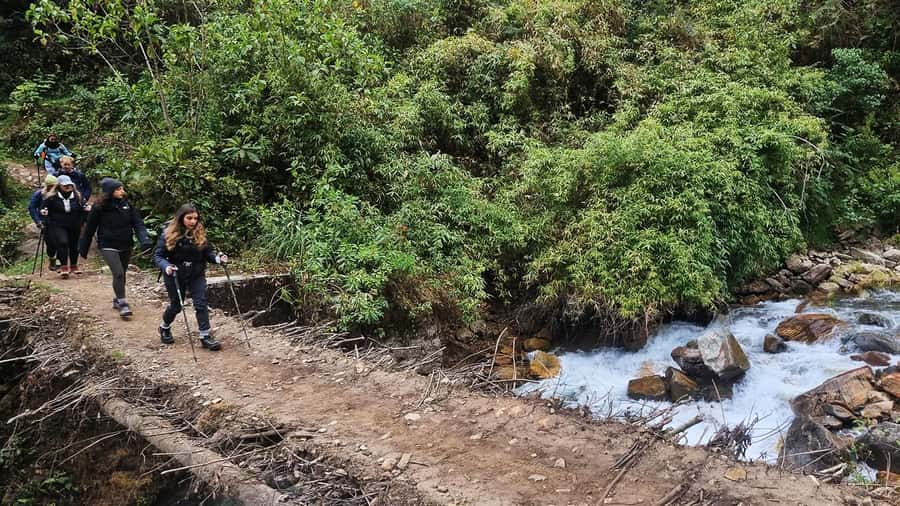
Lunch is served at Hidroeléctrica. Afterward, you continue along the train tracks for about three hours to Aguas Calientes, the town below Machu Picchu.
This is one of the most memorable sections of the route, but it is also a point where you need realistic expectations. You are walking beside railway tracks, not on a polished hiking trail. The setting is scenic, with waterfalls, thick plant growth, and mountain views, yet the surface and pace may feel less comfortable than a purpose-built path.
By late afternoon, you reach Aguas Calientes and spend the night in a hotel. The town has hot springs, and you can visit them if you wish, though the entrance fee is not included.
This overnight matters because it lets you reach Machu Picchu early the next morning instead of trying to fit the ruins into the same long day as the railway walk. You also get a proper night near the entrance before the guided visit.
Sunrise at Machu Picchu on day three
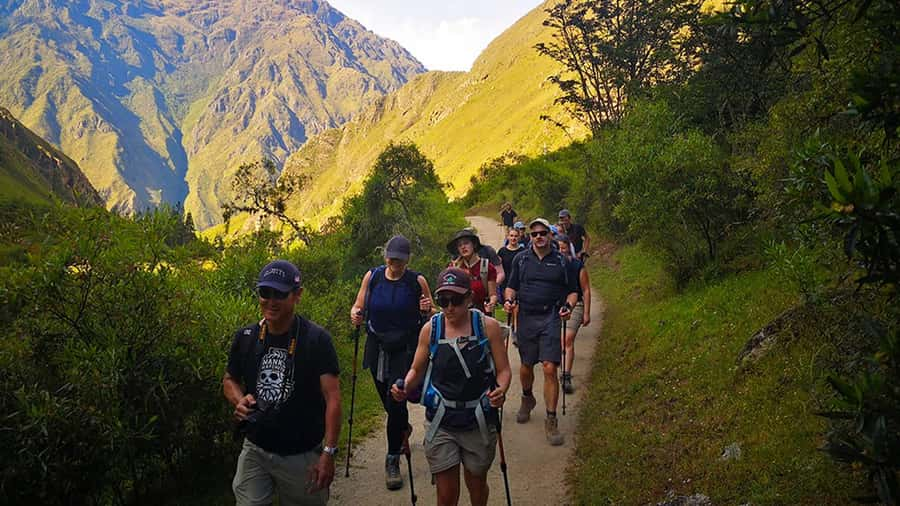
The third day starts early after breakfast. You walk up from Aguas Calientes to Machu Picchu, aiming to arrive among the first groups and see the morning light over the ruins.
The walk up is an important detail when comparing this tour with a package that includes the shuttle bus. The bus from Aguas Calientes to Machu Picchu costs an additional $24 for a round trip and is not included. If you want to save money and are comfortable with the climb, the walk is included in the planned experience. If your legs are tired after two active days, the bus may be worth paying for.
Inside Machu Picchu, a professional guide leads you for about two and a half hours. The visit includes major places such as the Inti Watana, Temple of the Condor, and Sacred Rock, along with other important parts of the citadel.
The guided visit is a strong part of the price. Machu Picchu can be visually powerful even without help, but a guide gives structure to the ruins and helps you understand what you are looking at. The entrance ticket is included, so you do not have to arrange that separately.
Huayna Picchu is not included. If you want to climb it, the optional ticket costs $65 and must be arranged separately. The standard Machu Picchu visit already takes much of the morning, so consider your energy and schedule before adding another mountain.
Returning by train or through Hidroeléctrica
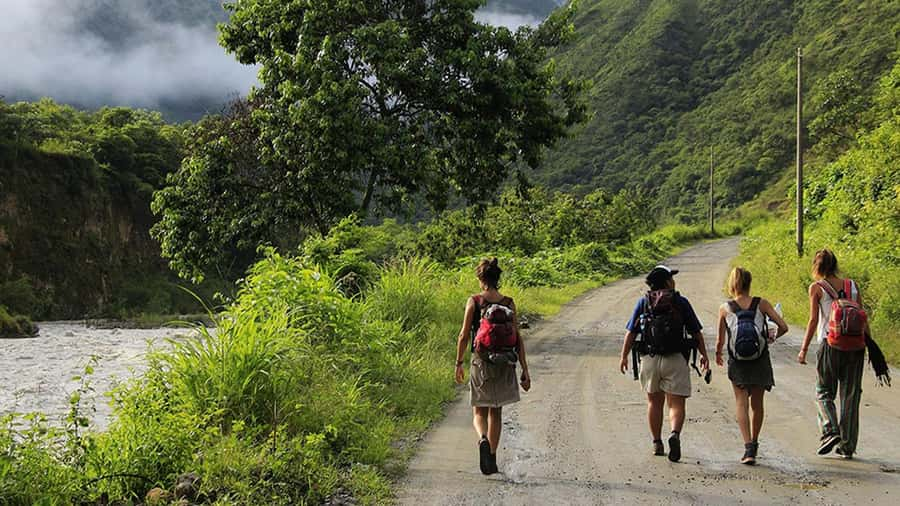
After the Machu Picchu visit, you return to Aguas Calientes. The package includes a tourist train from Aguas Calientes to Ollantaytambo, followed by tourist transport to your hotel in Cusco.
The train option is the simpler return. It removes the need for another long walk and gives you a more comfortable end to an active trip. The details also mention a return through Hidroeléctrica by car, so confirm your exact return arrangement before setting out. The included transport wording allows either the train route or a Hidroeléctrica transfer, depending on the booked plan.
This is one area where I would ask clear questions before paying. Confirm your train departure, the final Cusco drop-off, and whether the return is by train and bus or by road from Hidroeléctrica. Small differences in the return plan can affect your final evening.
What the $410 price really covers
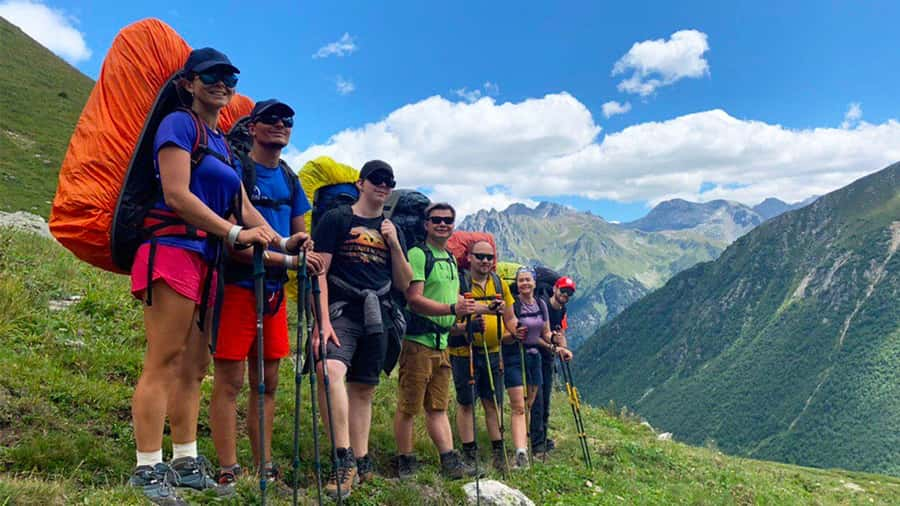
At $410 per person, this is not the cheapest way to reach Machu Picchu, but it includes more than a simple transport package. The price covers pickup transport from Cusco to Abra Málaga, an official adventure guide, Machu Picchu entry, two nights of accommodation, meals during the trek, cycling equipment, first aid support, the zip line and rafting activity when conditions allow, and the return transport listed in the package.
The strongest value comes from combining several services into one three-day route. You get the bicycle, walking sections, adventure activities, guide, food, lodging, Machu Picchu ticket, and transport. Booking each part separately could be difficult, especially when coordinating the early pickup, the Aguas Calientes overnight, and the return to Cusco.
Still, you should budget beyond the headline price. You may need to pay for:
- Breakfast on day one
- Lunch in Aguas Calientes
- Cocalmayo hot springs
- The $24 Machu Picchu shuttle bus
- The $65 Huayna Picchu ticket
- Personal drinks, snacks, and optional purchases
The rafting detail deserves special attention. It is subject to weather and river conditions from January 1 through March 31. If the river is too high, rafting will not take place and there is no refund. That is a clear risk to consider if rafting is the main reason you want this tour.
Who will enjoy this route most
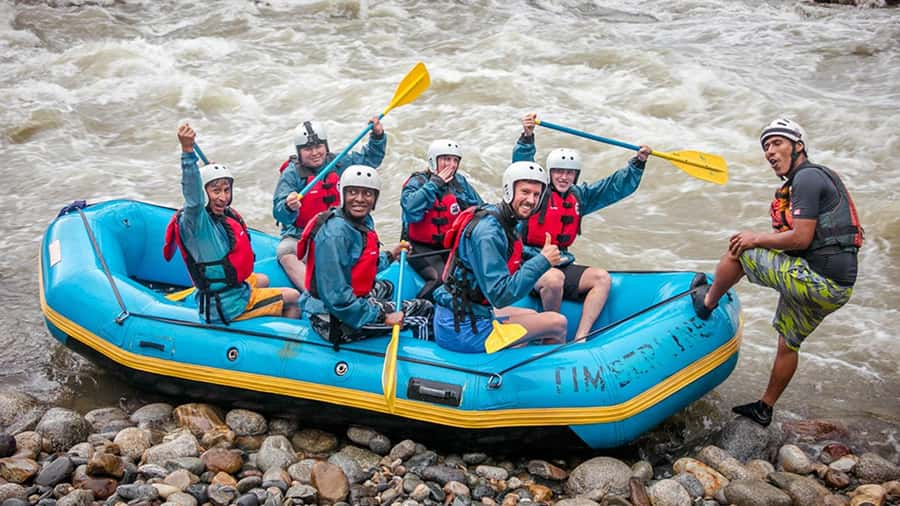
I would recommend the Inka Jungle trek to you if you want an active route with several ways to move through the valley. Cycling, walking, ziplining, and the possibility of rafting give the trip variety. You also get more contact with farms, crops, and local life than you would on a direct train journey.
The tour suits people who can handle long days and changing conditions. You need to be comfortable cycling downhill for several hours, walking for about three hours on day two, and starting early for Machu Picchu.
It is less suitable if you want a slow, comfortable holiday or if your main goal is to spend as much time as possible inside the ruins. The adventure activities and transfers take up much of the trip. People with back problems, pregnant women, and wheelchair users should not book this route.
Altitude can also affect your first day in the Cusco region. Drinking coca tea before the excursion is suggested to help prevent altitude sickness. It is still wise to bring personal medication and tell the tour operator about dietary needs when booking.
The group limit of 18 people is a practical advantage. You are not signing up for a huge coach group, yet the trip still has enough people to create a shared pace on the bike and walking sections. English- and Spanish-speaking guiding is available.
What to bring and what to leave behind
Bring your passport or identity card. A valid passport is required on the day of travel, and you will need it for the Machu Picchu visit.
Pack sunglasses, sunscreen, water, snacks, a camera, cash, and personal medication. Choose practical clothing and footwear for cycling, walking, and warm conditions. Your luggage needs special attention because backpacks are listed as not allowed. Confirm what type of personal bag the operator accepts before departure rather than arriving with a large pack.
Alcohol, drugs, and pets are not permitted. The tour provides cycling equipment, so you do not need to bring a bicycle, helmet, gloves, arm protection, or knee pads.
The small details matter here. A forgotten snack is inconvenient on a long active day, while a missing passport can stop the trip entirely.
Should you book the Inka Jungle trek?
Book this tour if you want Machu Picchu to be the finish of an active journey rather than the only event. The downhill cycling, farm route, Cola de Mono zip line, railway walk, and early guided visit create a varied three days for $410.
I would skip it if you want a gentle schedule, dislike railway walking, or would be disappointed if rafting is canceled during the January to March period. Before booking, confirm the return route, luggage rules, and which optional activities you plan to pay for.
For fit visitors who like movement, changing scenery, and a little uncertainty, this is a useful middle ground between a demanding multi-day trek and a direct train trip. You earn the arrival at Machu Picchu without giving up the convenience of a guide, included meals, lodging, entrance, and arranged transport.
FAQ
How long is the Inka Jungle trek?
The tour lasts three days and two nights.
What time is pickup from Cusco?
Pickup is scheduled for 6:00 in the morning. You should wait in your hotel lobby 10 minutes before the scheduled pickup time.
Is Machu Picchu entrance included?
Yes. Entrance to Machu Picchu is included in the tour price.
Is the Machu Picchu shuttle bus included?
No. The bus from Aguas Calientes to Machu Picchu and back costs $24 and is not included.
Is Huayna Picchu included?
No. An optional Huayna Picchu ticket costs $65.
Is rafting guaranteed?
No. Rafting depends on weather and river conditions between January 1 and March 31. If the river is too high, the activity will not take place and there is no refund.
What meals are included?
The tour includes two breakfasts, two lunches, and two dinners during the trek. Breakfast on the first day and lunch in Aguas Calientes are not included.
What languages are available for the guide?
Guiding is available in English and Spanish.
Can I cancel the booking?
You can cancel up to 24 hours in advance for a full refund. You can also reserve now and pay later.
Just added around Aguas Calientes
- TOUR TO MACHU PICCHU FULL DAY BY TRAIN – The Best Adventure★ 3.2 · 4 reviews
- Salkantay Trek to Machu Picchu 5 Days with Sky Lodge Domes★ 5.0 · 5 reviews
- Rainbow Mountain tour and Machu Picchu tour by train★ 4.8 · 13 reviews
- Machupicchu tour by tourist train in 2 days★ 4.5 · 7 reviews
- From Cusco: Train Ride and Guided Tour of Machu Picchu★ 5.0 · 6 reviews
- Machu Picchu 2 Days / 1 Night (By Bus)★ 3.7 · 4 reviews
- Machu Picchu: Private Tour Guide Service for up to 15 people★ 4.5 · 3 reviews
- Machu Picchu Entry Ticket and Bus from Aguas Calientes★ 3.8 · 8 reviews
Hiking & Trekking, compared.
7 Lakes Ausangate Trek with Breakfast and Lunch
Read our review →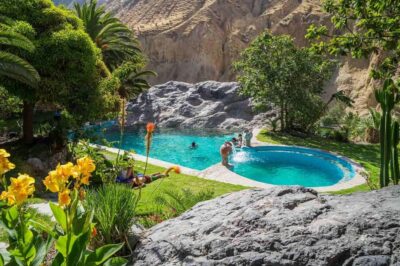
Rainbow Mountain Tour and Red Valley Hike (Optional)
Read our review →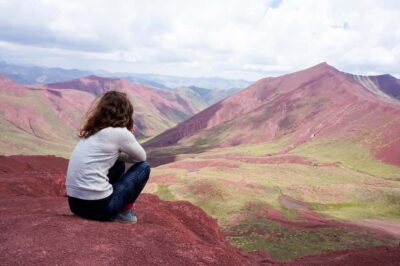
Full-Day Rainbow Mountain & Red Valley Trekking Tour
Read our review →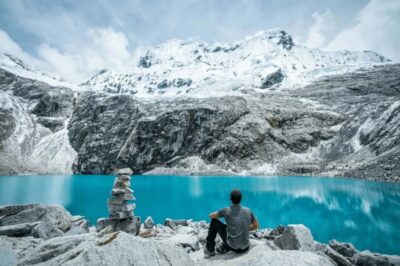
Browse the lists this tour appears in