
Reviewed · SACSAYHUAMAN & CUSCO RUINS TOURS
Horseback Riding Plus Tour to Sacsayhuaman, Quenqo, Puka Pucara and Tambomachay
Sacsayhuaman’s enormous stonework, mountain views, and a short ride through the hills make this a smart half-day outing from Cusco. You visit four important Inca sites by private car, then trade the road for a saddle at Vieja Estancia Ranch. Guides such as Benny, Jenny, and Hogler have led departures, and the guiding is a major part of the experience.
I especially like the mix of archaeology and outdoor activity, which works well for families and couples who do not want a morning spent only walking ruins. I also like the calm, well-matched horses and the chance for experienced riders to move a little faster while beginners stay at an easy pace. The main catch is that riding lasts about an hour, sometimes around 90 minutes, rather than most of the four-hour tour, and the required Cusco Touristic Ticket costs extra.
Key points to know before booking
- Four major sites in one half-day: See Sacsayhuaman, Qenqo, Puka Pukara, and Tambomachay without arranging separate transport.
- The riding is a separate ranch activity: Horses do not enter the archaeological sites, since hooves can damage the ground.
- A good choice for first-time riders: The tour accepts beginners, matches horses to ability, and includes a guide, muleteer, saddle, and helmet.
- Guiding is a real strength: Past departures with Benny, Jenny, and Hogler have featured clear explanations of Inca architecture, beliefs, and customs.
- Budget for the entrance ticket: The $95 price includes transport and riding equipment, but not the Cusco Touristic Ticket.
- Come dressed for mountain weather: Wear long pants and closed shoes, carry water and a rain jacket, and leave jewelry at home.
Why this Cusco horseback tour works
This is not a horseback ride directly through the ruins. It is two linked experiences: a private-car tour of four archaeological sites and a ride through the hills near Cusco. That distinction matters because the title can give the impression that you will trot up to every monument.
I see the arrangement as sensible. The best-known ruins need to be protected, and horses are not allowed through the archaeological areas. You get a proper visit at each site, then ride in a nearby setting where the horses can move safely. The result is more varied than a standard ruins tour, even if the saddle time is shorter than some people expect.
The advertised duration is about four hours. The exact balance can vary, but the horse portion is generally about an hour, with some departures closer to an hour and a half. The rest of the time goes to driving and exploring the four sites. A private car and round-trip hotel transport make this easy to fit into a Cusco itinerary.
The group can reach 15 people. That is small enough for a personal feel, though the size of your particular departure can vary. The horse group moves at the pace of the least experienced rider, while riders who already know what they are doing may get a chance to let the horse stretch its legs.
More Inca ruins above Cusco:
- Sacsayhuaman Temple, Tambomachay and Puca Pucara Half-Day Tour
★ 4.5 · 59 reviews - Cusco: Sacsayhuaman, Qenqo, Puca Pucara & Tambomachay Tour
★ 4.8 · 4 reviews - Cusco: Half-Day City Tour with Sacsayhuaman and Q’enco
★ 4.6 · 1,129 reviews
Sacsayhuaman: begin with Cusco’s great stonework
Sacsayhuaman is usually the strongest archaeological opening. Its huge, tightly fitted stones show the engineering skill of the Inca better than a quick look at central Cusco can. The site also sits high above the city, so you get broad views of Cusco and the surrounding mountains.
Give yourself time to look closely at the walls. The stones are not simply large; their shapes fit together with remarkable precision. Your guide explains how the site was used and places the masonry within Inca religious and political life.
This is a popular stop, so it may feel less quiet than the riding portion later in the morning. Still, it is the kind of place where a good guide changes what you see. Guides who have led this outing, including Benny and Hogler, have been praised for answering questions clearly and explaining architecture without turning the visit into a lecture.
You should also remember that Cusco is high above sea level. The tour is not presented as a strenuous hike, but Sacsayhuaman involves walking around an exposed site. Move steadily, drink water, and do not treat the four-hour schedule as a reason to rush.
Qenqo: stone, ritual, and unanswered questions
Qenqo has a different mood from Sacsayhuaman. Instead of focusing only on giant walls, the visit turns toward carved stone, ceremonial spaces, and Inca religious customs. The guide helps explain how the site may have functioned and why particular features mattered.
I like Qenqo as part of this route because it adds a spiritual side to the morning. It is easy to look at ancient stonework and see only construction. Here, the conversation shifts to ritual and belief, giving you a better sense of how the Incas connected sacred places with the natural world.
The stop is not usually a long, exhausting walk. That helps the tour keep moving and leaves room for the other sites and the horse ride. If you want a detailed archaeological study of every carving, this half-day format may feel brisk. If you want an understandable introduction, it is a useful stop.
Puka Pukara: a small fortress with wide views
Puka Pukara is often read as a defensive or control point near the old road into Cusco. Its position gives it a clear view over the surrounding hills, and the open setting helps you understand why location mattered to the Inca.
This is where the scenery becomes part of the lesson. You are not looking at an isolated pile of stones. You can see how the site relates to roads, valleys, and neighboring places. Your guide connects the ruins to the wider Inca network and explains the site’s role in the area.
Puka Pukara is smaller than Sacsayhuaman, so the visit usually feels more focused. Bring a hat and sunscreen even if the sky is cloudy. One rider specifically regretted skipping sunscreen on an overcast day, and the high-altitude sun can catch you by surprise.
More horseback riding in Puno & Lake Titicaca:
- Cusco: 3-Hour Horse Riding Tour to the Temple of the Moon
★ 5.0 · 105 reviews - Cusco: Half-Day Horseback Riding at Devil’s Balcony
★ 4.9 · 89 reviews - Horse Riding Chacan Mountain And Temple Of The Moon
★ 5.0 · 78 reviews - Horseback Tour in cusco to Temple of the Moon & Hidden temples
★ 5.0 · 54 reviews
Tambomachay: water at the end of the ruins route
Tambomachay is known for its water channels and ceremonial fountains. The sound and movement of water give the site a different character from the stone fortifications and carved spaces earlier in the morning.
The guide discusses the religious importance of water and the care taken in shaping the channels. This stop helps tie together the themes of engineering, sacred places, and the Inca relationship with the mountains.
Tambomachay is also a fitting final archaeological stop because it is visually distinct. You have seen defensive walls, carved ceremonial stone, and a high lookout. Here, water becomes the central feature. The site itself may not take a long time to explore, but it rounds out the route well.
The Vieja Estancia Ranch ride
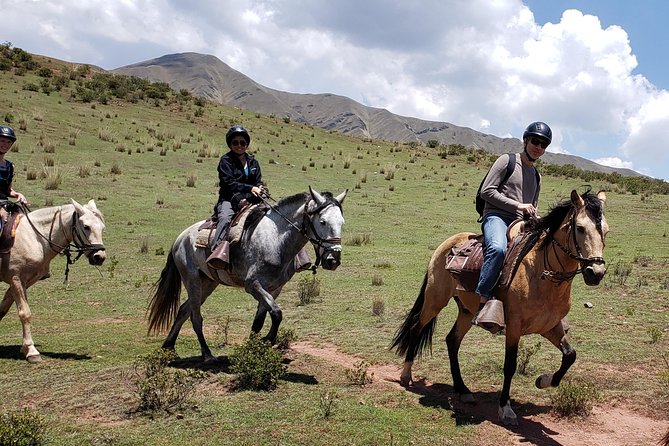
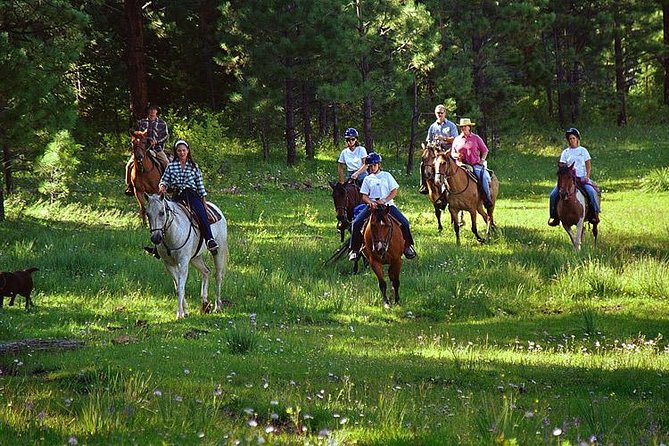
The ride at Vieja Estancia Ranch is the tour’s most memorable change of pace. After the ruins, you meet the horses, receive a saddle and helmet, and get help from the muleteer, who assists with the care of the animals. A guide accompanies the group.
You do not need previous riding experience. The horses are matched to the rider’s confidence and ability, and departures include people riding for the first time. The horses have been described as calm and comfortable, with the smooth gait often associated with Peruvian horses.
The route takes you through mountain scenery, open fields, and areas where you can see smaller ruins. Depending on the departure, you may ride for about an hour or somewhat longer. You may also pass sheep fields and see parts of the national park that are not part of the standard walking route.
For a beginner, the appeal is the setting rather than speed. You get the feel of riding through the hills without needing advanced skills. The group stays together, and the pace is set by the least experienced rider. That makes the activity less exciting for someone hoping for a long gallop, but it is the safer and fairer arrangement.
Experienced riders may have a chance to trot or move faster for a short stretch. Do not assume you will spend the whole ride at speed. The guide’s priority is keeping the group together and the horses under control.
Wear jeans or other long pants. Closed shoes with rubber soles or walking shoes are recommended. Avoid jewelry and valuables, which can catch on tack or disappear on the trail. Carry a rain jacket if the forecast shows a real chance of rain. Mountain weather can shift quickly, and the activity depends on suitable conditions.
What the $95 price really covers
At $95 per person, this is not the cheapest way to see the four sites. The price includes a professional guide, private-car transport, the horse, saddle, helmet, muleteer, and mineral or natural water. Hotel pickup and return are also included.
The missing cost is the Cusco Touristic Ticket. You pay that separately, and it is required for the archaeological sites. The operator cannot fold that public entrance fee into the private tour price. Check the current ticket cost before booking, since the total outlay is higher than the advertised $95.
I think the value is strongest if you want several services combined. Arranging a car, guide, four site visits, a ranch transfer, horses, safety gear, and a riding escort on your own would take time and coordination. The fee also supports a small operation with a driver, riding staff, and horse care behind the scenes.
The value is weaker if your only goal is horseback riding. You will probably spend about an hour in the saddle, not four hours. It is also less attractive if you have already visited these sites and want a long trail ride. In that case, look for a dedicated riding excursion instead.
How the guiding shapes the morning
The strongest part of this experience is the explanation at each stop. You are not simply dropped at ruins with a meeting time. The guide discusses Inca history, architecture, religious practices, and local customs, then answers questions as you go.
Clear English matters here, especially at sites such as Qenqo and Tambomachay, where the meaning is less obvious than the stonework. Benny has been singled out for making difficult questions easy to understand, while Jenny and Hogler have also led well-informed departures. Guide assignments can change, but the company’s strongest asset is the quality of the person explaining the sites.
I like that the visits are not stretched too long. You see four places, but none is treated as an all-day archaeological seminar. Families with teenagers often find this balance useful: enough culture to make the outing meaningful, plus horses and open scenery to keep the morning active.
Practical details that affect your decision
Most people can take part, and the minimum age is six. The maximum weight is 200 pounds, or 90 kilograms. That limit is important, so check it honestly before reserving.
Transport is by private car, with pickup and return to hotels. The tour is also near public transportation, though the included pickup is simpler for most visitors. Confirmation is provided when you book.
A first-aid kit is carried by the guide for emergencies. The guide is not authorized to give medication beyond the limits of basic first aid, so bring any personal medication you may need.
The tour requires good weather. If poor weather cancels it, you are offered another date or a full refund. You can cancel for a full refund up to 24 hours before the start time. Inside that window, refunds and changes are not accepted.
Who should book this half-day outing?
I would choose this tour if you want a compact introduction to the Inca sites around Cusco and prefer an activity-based morning. It suits couples, families with older children or teenagers, solo visitors, and first-time riders who want support from a guide and muleteer.
It is especially good for people who like variety. You get stonework, religious sites, mountain views, a private vehicle, and a short ride instead of four hours of walking or four hours on horseback.
I would think twice if you want a serious riding expedition, a fast ride, or a long quiet trail through the countryside. I would also compare prices carefully if you are watching every dollar, since the archaeological ticket is extra and the riding portion is limited.
Should you book it?
Book it if the combination is what appeals to you. The four sites give you a solid introduction to the area, while the ride adds scenery and a little adventure without demanding previous experience. The guides, horse matching, private transport, and clear explanations make the $95 price reasonable for many visitors, provided you add the entrance ticket to your budget.
Skip it if you expect to ride directly to the ruins or spend most of the four hours in the saddle. The honest description is a half-day cultural tour with about an hour of horseback riding. For the right person, that balance is the point.
FAQ
How long does the horseback riding portion last?
The ride is generally about one hour, though some departures report roughly 90 minutes. The entire experience lasts about four hours.
Are the archaeological-site entrance fees included?
No. The Cusco Touristic Ticket is not included and must be paid separately.
Can beginners join the horseback ride?
Yes. The activity is suitable for people with little or no riding experience. Horses are matched to the rider’s ability, and the group follows the pace of the least experienced rider.
What is the minimum age?
The minimum age is six years old.
Is there a weight limit?
Yes. The maximum weight is 200 pounds, or 90 kilograms.
What should I wear?
Wear long pants, preferably jeans, and closed shoes with rubber soles or walking shoes. Bring a rain jacket if rain is possible, and do not wear jewelry or carry valuables during the ride.
What happens if bad weather cancels the tour?
You will be offered a different date or a full refund. If you cancel, you must do so at least 24 hours before the start time for a full refund.
Just added around Puno & Lake Titicaca
- Uros Floating Islands Tour in Puno★ 3.7 · 9 reviews
- TRIP FROM PUNO TO CUSCO WITH THE ROUTE OF THE SUN★ 4.7 · 16 reviews
- Two Day Lake Titicaca Tour With Homestay★ 3.7 · 6 reviews
- Two-Day Tour to Uros with Amantani and Taquile from Puno★ 5.0 · 44 reviews
- Full Day Guided Tour of the Aymara Route from Puno★ 5.0 · 55 reviews
- Full-Day Tour of Uros, Taquile and Sillustani from Puno★ 5.0 · 41 reviews
- Full Day Lake Titicaca Tour to Uros and Taquile Islands★ 4.5 · 56 reviews
- Titicaca Lake 2 Day 1 Night from Cusco to Puno★ 4.5 · 33 reviews
Sacsayhuaman & Cusco Ruins Tours, compared.
Half-Day City Tour with Sacsayhuaman and Q’enco
Read our review →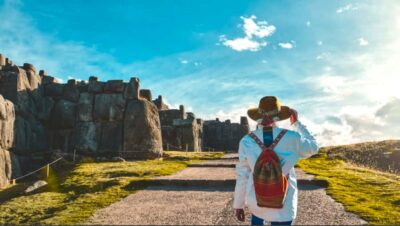
City Tour Cusco Qoricancha Sacsayhuaman y Tambomachay
Read our review →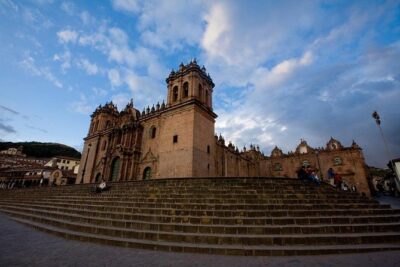
Cusco City Sightseeing, San Pedro Market, Cathedral and Qorikancha Temple
Read our review →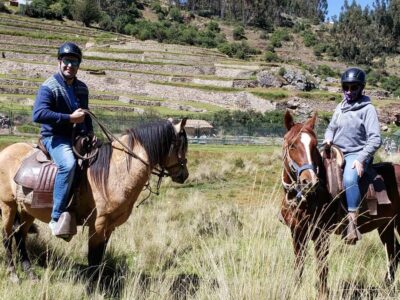
3-Hour Horse Riding Tour to the Temple of the Moon
Read our review →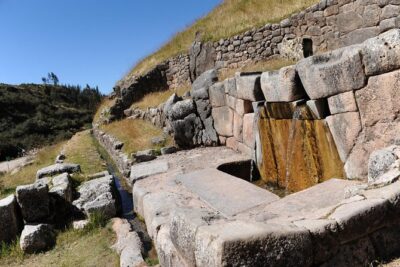
Cusco City Sightseeing and Sacsayhuaman Archeological Park Tour
Read our review →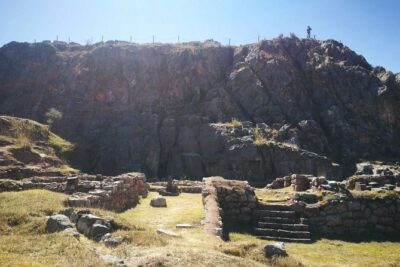
Horse Riding Chacan Mountain And Temple Of The Moon
Read our review →
Cusco 4-Hour Private Tour Including Sacsayhuaman and Qenqo
Read our review →
Sacsayhuaman Temple, Tambomachay and Puca Pucara Half-Day Tour
Read our review →Browse the lists this tour appears in