
Reviewed · SACSAYHUAMAN & CUSCO RUINS TOURS
From Cusco: City tour 4 ruins + Qoricancha
Cusco’s best introduction to Inca history can fit into one busy morning or afternoon. This five-hour city tour links Qoricancha with four important ruins, giving you both the Spanish colonial center and the Inca sites on the hills above town. I like the route because it covers a lot without requiring several separate bookings.
I especially like the low $11 price and the chance to visit Qoricancha before heading into the countryside around Cusco. Guides such as Werner and Angélica have been praised for being attentive and clear. The main drawback is that some departures have included shopping stops or an unplanned museum visit, leaving too little time at the last ruins.
- Qoricancha begins the story: See Cusco’s most important Inca religious complex, where Inca and Spanish architecture meet.
- Four hilltop sites follow: Sacsayhuamán, Qenqo, Puca Pucara, and Tambomachay each served a different purpose.
- The $11 price is transport and guiding only: You must pay separately for entrance tickets and food.
- Two daily departure windows: Morning groups meet around 8:40 to 9:00 a.m.; afternoon groups meet around 12:40 to 1:00 p.m.
- Guide quality matters: Werner, Angélica, and Sam have received specific praise for their help and explanations.
- Protect your site time: Delayed transport and shopping diversions have caused rushed visits on some departures.
Qoricancha gives the tour its strongest opening
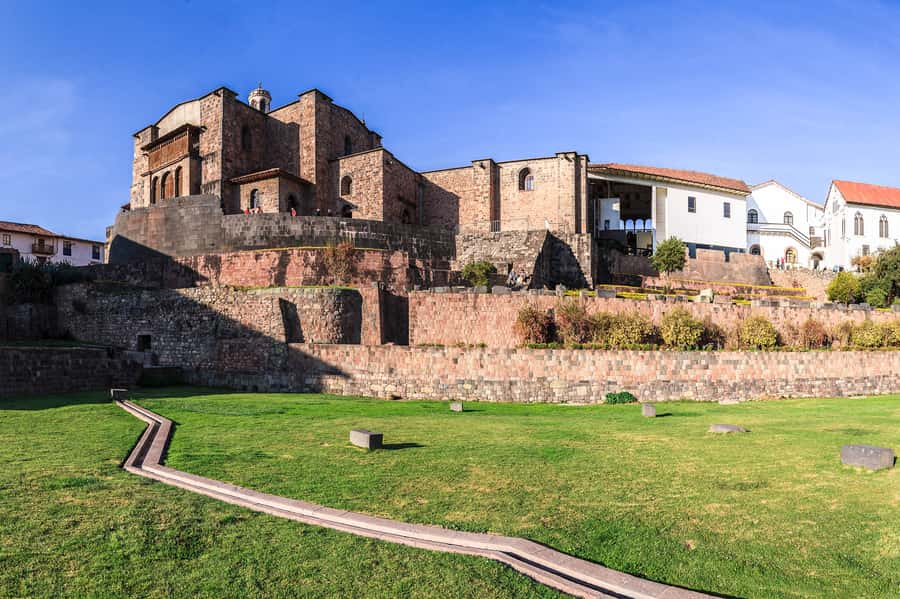
Meet near Cusco’s Plaza de Armas, then walk about three blocks to Qoricancha, also written as Coricancha or the Temple of the Sun. This is the most important indoor stop on the route and the place where the tour’s two-culture theme makes the most sense.
Qoricancha was a major Inca religious complex dedicated to the sun. After the Spanish conquest, a church and convent were built over the site. You can see the contrast in the finely fitted Inca stonework and the later Spanish religious structures.
The guide leads you through the complex rather than leaving you to read signs on your own. That matters here. The bare stone walls, colonial additions, and stories about Inca worship are easier to understand when someone explains how the building changed after the conquest.
Give Qoricancha your full attention. It is easy to become distracted by the larger ruins later in the day, but this first stop provides the clearest view of Cusco’s meeting point between Inca power and Spanish rule.
The ticket is not included, so confirm the current entrance arrangements before you go. The operator includes tourist transport and a bilingual guide, but not entrance fees, meals, or personal expenses.
Sacsayhuamán shows Inca building skill at full scale
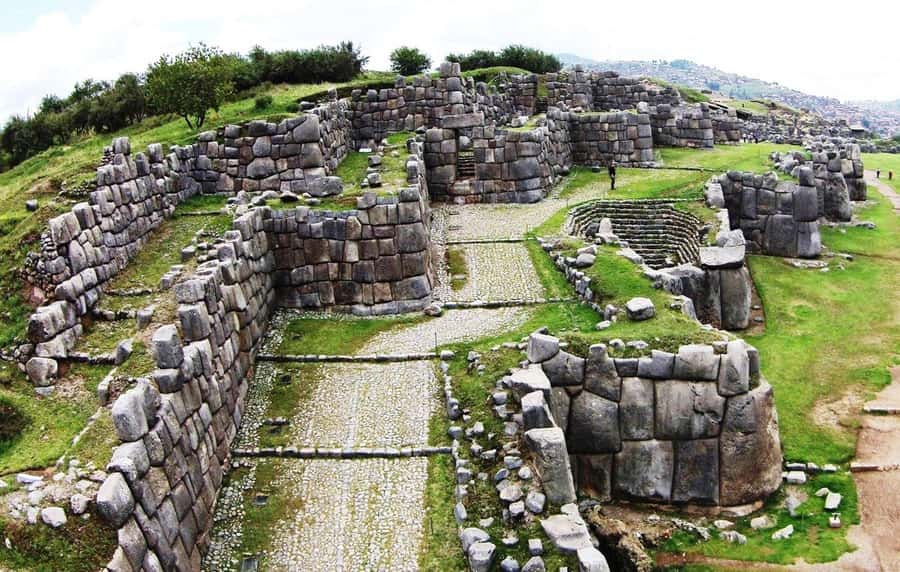
After Qoricancha, transport takes you to Sacsayhuamán, the grandest site on the route. Its massive stone walls are the main attraction, with blocks fitted so tightly that a knife blade cannot easily pass between them.
Sacsayhuamán is often described as a military site, and the tour presents it as a major example of Inca military architecture. Its walls, terraces, and high position make it easy to understand why the place mattered for the defense of Cusco.
This is also one of the best stops for photographs. The scale of the stones is hard to grasp from a picture, so walk close to the walls and look at the joints. You will get more from the stop if you listen to the guide’s explanation of how the stones were cut and placed.
Allow for uneven ground and sun exposure. Comfortable shoes are important, and a hat, sunscreen, sunglasses, and water outside the vehicle will make the stop easier. Drinks are not allowed in the vehicle, so follow the operator’s instructions about when and where to carry refreshments.
Because Sacsayhuamán is one of the tour’s strongest sights, it can feel rushed if the group leaves Cusco late or spends time at extra stops. If your guide keeps the schedule tight here, you are getting the best use of the half-day.
More City Tours in Cusco
- Cusco: Half-Day City Tour with Sacsayhuaman and Q’enco
★ 4.6 · 1,129 reviews - City Tour Cusco Qoricancha Sacsayhuaman y Tambomachay
★ 4.7 · 617 reviews - Cusco: Sightseeing Tour of the City on an Open-Top Bus
★ 4.0 · 481 reviews
Qenqo adds a ceremonial side to the route
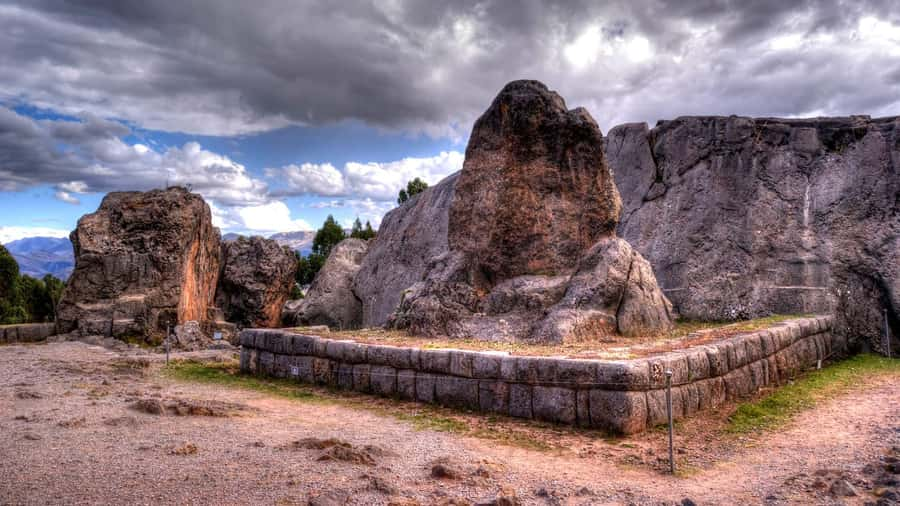
Qenqo is smaller and more unusual than Sacsayhuamán. The site was built around a natural rock formation and served as a ceremonial center for religious rituals.
The carved rock and enclosed spaces give the stop a different mood. Instead of broad defensive walls, you look at a place tied to ceremony, belief, and the treatment of natural stone. The guide’s explanation is particularly useful because the remains are less obvious than the giant masonry at Sacsayhuamán.
Do not expect Qenqo to take as long as the larger sites. Its value comes from the change in subject. The tour moves from military power to ritual practice, helping you see that Inca sites around Cusco were not all built for the same reason.
The footing can be uneven, so keep your shoes practical. People with vertigo may find parts of the route uncomfortable, and the activity is specifically not recommended for those with vertigo.
Puca Pucara explains the road system
Puca Pucara was a military fortress and part of Cusco’s defensive network. Its walls, terraces, and stairways sit beside the route leading away from the city, and the guide explains its role in protecting and monitoring movement.
The site is less visually dramatic than Sacsayhuamán, but it helps complete the picture. Inca power depended not only on temples and central plazas, but also on roads, communication, and control of important approaches.
This is the point where schedule problems become more noticeable. Puca Pucara is one of the final stops, and any delay earlier in the day can reduce the time available here. Listen closely, take a few minutes to look across the site, and do not expect a long, slow visit.
Some departures have included a clothing shop or a museum that was not part of the advertised route. Those additions can be useful only if you want to shop or learn about something extra. If your main goal is archaeology, they take time away from Puca Pucara and Tambomachay.
Tambomachay brings the tour to water and ritual
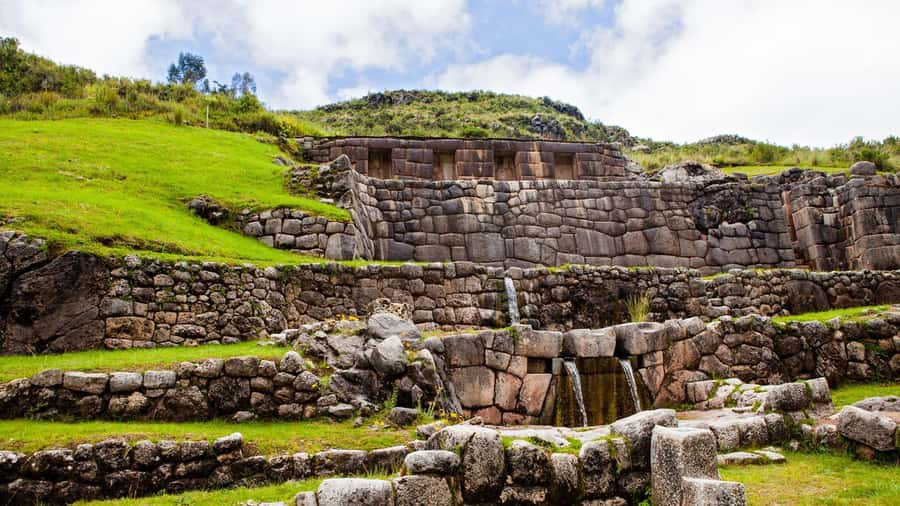
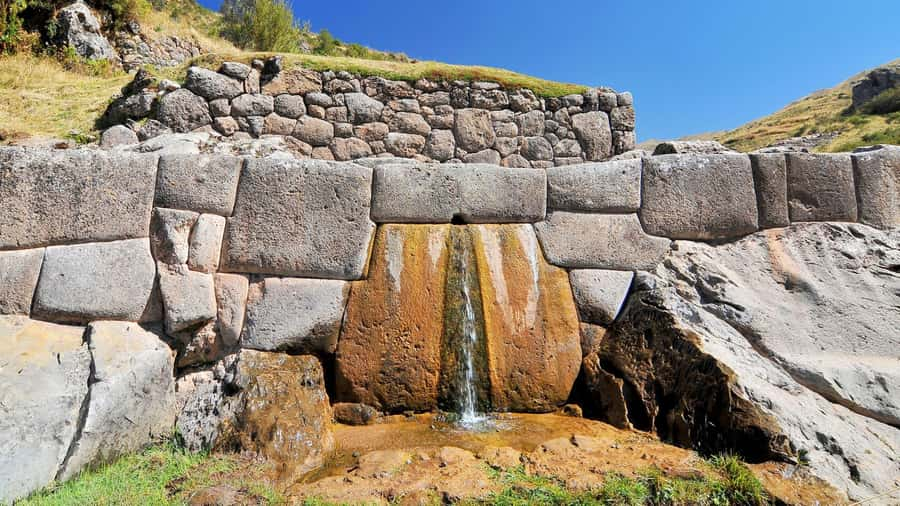
The final archaeological stop is Tambomachay, a site linked to the worship of water and purification. Its canals and fountains are the key features, and they offer a quieter contrast to Sacsayhuamán’s huge walls.
Water was not simply a practical resource in the Andes. At Tambomachay, the channels and fountains also had religious meaning. Your guide can connect the careful stonework to the role of water in Inca ceremony.
The stop is often short, especially if the bus arrived late or the group spent time elsewhere. That makes it worth staying close to the guide and asking questions while the explanation is underway. The site’s smaller scale means a clear account can add much more than a quick look at the fountains.
The tour returns to Cusco and finishes near the Plaza de Armas. That is useful if you want to continue sightseeing, find lunch, or return to your hotel without arranging another ride.
More Inca ruins above Cusco:
- Cusco City Sightseeing, San Pedro Market, Cathedral and Qorikancha Temple
★ 4.5 · 139 reviews - Cusco: 3-Hour Horse Riding Tour to the Temple of the Moon
★ 5.0 · 105 reviews - Cusco City Sightseeing and Sacsayhuaman Archeological Park Tour
★ 4.5 · 101 reviews - Horse Riding Chacan Mountain And Temple Of The Moon
★ 5.0 · 78 reviews
Morning and afternoon departures suit different plans
The morning departure gathers near the Plaza de Armas between 8:40 and 9:00 a.m. It should finish at about 2:30 p.m. The afternoon departure gathers around 12:40 to 1:00 p.m. and ends at approximately 6:30 p.m.
Pick the morning if you want the rest of the day free or if this is your first full day in Cusco. One useful strategy is to take the tour early in your stay, giving yourself a gentle introduction to the altitude and the main archaeological sites around town.
Pick the afternoon if you have a free morning or prefer a slower start. Keep in mind that the final sites may be seen later in the day, and delays can make the timetable feel tight. Sunday hours may vary because some sites open later, so check the exact schedule before booking a Sunday departure.
The guide or pickup staff is expected to call or write about 15 minutes before pickup. Wait about 10 minutes in your hotel lobby. The meeting point is near the Plaza de Armas, but the exact group location can feel confusing when several tour companies are gathering there.
One group had trouble finding the correct tour and did not see its name on the list. Sam helped sort out the problem. To avoid that kind of start, have your booking details ready and arrive early at the stated meeting point.
The $11 price is good, with one important catch
At $11 per person, this is one of the more affordable ways to combine Qoricancha and the four nearby ruins. The price covers tourist transport and a live English or Spanish guide, which makes it useful for people who do not want to arrange taxis between each site.
The entrance tickets are extra. This can change the real cost quite a bit, especially if you plan to visit other archaeological sites in the Sacred Valley. Ask at the ticket counter about the full tourist ticket, which has been listed at S/130, with a student price of S/70 in one recent booking experience. Bring your student identification if you hope to qualify, and verify current prices before paying.
The ticket system is worth thinking about before the tour. If you only want this route, ask exactly which entrance you need and what it covers. If you also plan to visit the Sacred Valley or other Cusco sites, a broader ticket may offer better value.
Meals are not included, so eat before the morning tour or carry money for food after the return. Extra purchases, including clothing or souvenirs, are also your responsibility.
Guide quality can shape the whole afternoon
This is a history-focused tour, not simply a ride between ruins. The guide makes the difference. Werner was praised for being attentive, and Angélica received strong marks for her explanations and care with the group. Karl also described his guide as very capable after an interesting visit.
The service is bilingual in Spanish and English. Confirm your preferred language when booking, especially if the group includes both languages.
The score of 4.3 out of 5 from 22 ratings suggests a generally positive experience, but the uneven comments are useful. Some groups had excellent guiding and good timing. Others faced a late bus, confusion at the meeting point, an unplanned museum, or a long clothing-shop stop.
That means you should judge the tour mainly by its structure and value, not assume every departure will run in exactly the same way. If the guide offers an optional commercial stop, you can politely ask how much time remains for the ruins. That keeps your priorities clear.
What to bring for Cusco’s high-altitude conditions
Wear comfortable shoes with a firm sole. The sites include stone paths, terraces, stairways, and uneven ground.
Bring:
- Passport or identity card
- Sunglasses
- Hat
- Sunscreen
- Camera
- Appropriate layers for changing conditions
The activity advises drinking coca tea before the tour to help with altitude sickness. This is practical advice, but it is not a guarantee against symptoms. Take the first day in Cusco at an easy pace, avoid rushing between stops, and tell your guide if you feel unwell.
The tour is not suitable for people with vertigo. That warning is relevant at archaeological sites with uneven paths and exposed viewpoints. Pets, alcohol, drugs, littering, and alcoholic drinks in the vehicle are not allowed.
Free cancellation is available up to 24 hours before the activity for a full refund, and you can reserve now and pay later. Those terms are helpful if your Cusco schedule is still changing.
Who should book this Cusco ruins tour
I would choose this tour if you want a broad first look at Cusco’s main archaeological sites for very little money. It suits first-time visitors, people with only one free day, and anyone who wants a guide to explain the difference between a sun temple, fortress, ceremonial center, defensive post, and water shrine.
It also works well as an early acclimatization outing because the day is structured and the sites are close to Cusco. You still need to take the altitude seriously, but you are not trying to fit a distant valley excursion into the same day.
I would be more cautious if you want long, quiet visits at every ruin or dislike any possibility of shopping stops. For that kind of experience, a private guide or a smaller archaeology-focused trip may be a better match, though it will likely cost more.
Should you book it?
Book it if the $11 base price, five-hour schedule, and mix of Qoricancha plus four ruins match your plans. The best value comes from using it as a first-day orientation and buying the correct entrance ticket for any other sites you plan to visit.
Before you commit, confirm the meeting point, language, Sunday timing, and entrance fees. Once on the tour, keep an eye on the clock and speak up if a commercial stop threatens your time at Puca Pucara or Tambomachay. With a strong guide and a punctual vehicle, this is a compact and worthwhile introduction to Cusco’s Inca past.
FAQ
How long does the Cusco city tour last?
The tour lasts about five hours. The morning departure ends at approximately 2:30 p.m., while the afternoon departure ends around 6:30 p.m.
Where does the tour begin?
You meet near Cusco’s Plaza de Armas. From there, the group walks about three blocks to Qoricancha.
What time is the morning departure?
The morning meeting window is from 8:40 to 9:00 a.m.
What time is the afternoon departure?
The afternoon meeting window is from 12:40 to 1:00 p.m.
Which sites are included in the route?
The route includes Qoricancha, Sacsayhuamán, Qenqo, Puca Pucara, and Tambomachay.
Are entrance tickets included?
No. Entrance tickets, including the relevant tourist ticket, must be paid separately. Meals and personal expenses are also excluded.
Is the tour offered in English?
Yes. The live guide service is available in English and Spanish.
What should I bring?
Bring your passport or identity card, comfortable shoes, sunglasses, a camera, sunscreen, and a hat. The activity also advises wearing suitable clothing and drinking coca tea before the tour to help with altitude sickness.
Just added around Cusco
- Waqrapukara 1 day trekking + meals★ 3.9 · 3 reviews
- Visit to the Cochahuasi Animal Sanctuary with rescued animal★ 4.1 · 4 reviews
- Vinicunca Mountain Tour – Full Day Tour to Rainbow Mountain★ 3.4 · 4 reviews
- Valle Sur Cusco | half day★ 4.3 · 3 reviews
- Trek to Humantay Lake from Cusco★ 4.9 · 8 reviews
- Trek to Choquequirao 4 days★ 3.8 · 4 reviews
- rainbow mountain full day★ 5.0 · 44 reviews
- Tour to the HUMANTAY LAGOON from CUSCO★ 5.0 · 35 reviews
Sacsayhuaman & Cusco Ruins Tours, compared.
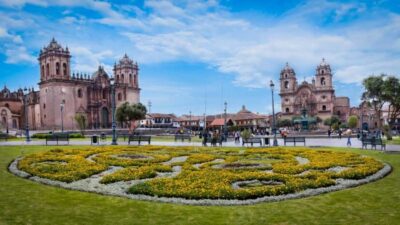
Half-Day City Tour with Sacsayhuaman and Q’enco
Read our review →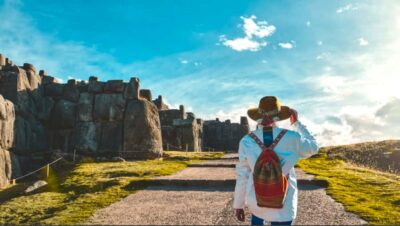
City Tour Cusco Qoricancha Sacsayhuaman y Tambomachay
Read our review →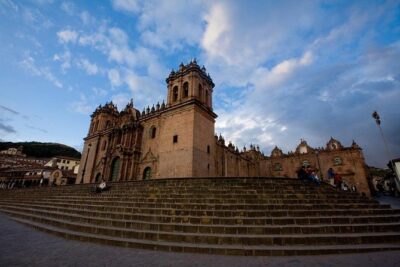
Cusco City Sightseeing, San Pedro Market, Cathedral and Qorikancha Temple
Read our review →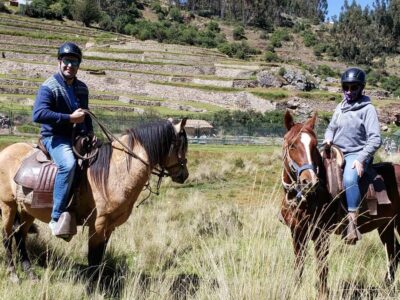
3-Hour Horse Riding Tour to the Temple of the Moon
Read our review →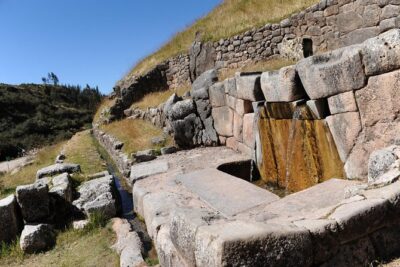
Cusco City Sightseeing and Sacsayhuaman Archeological Park Tour
Read our review →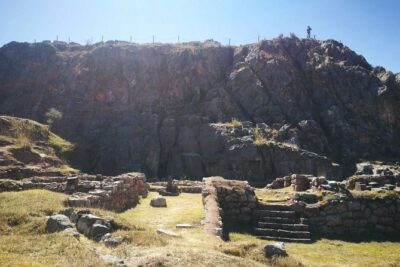
Horse Riding Chacan Mountain And Temple Of The Moon
Read our review →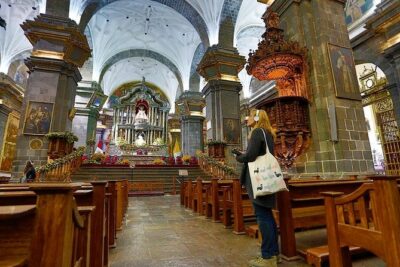
Cusco 4-Hour Private Tour Including Sacsayhuaman and Qenqo
Read our review →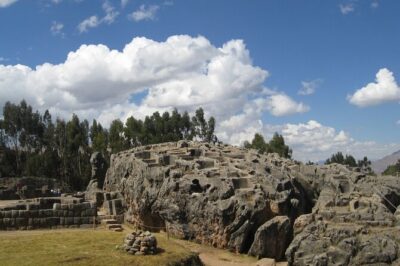
Sacsayhuaman Temple, Tambomachay and Puca Pucara Half-Day Tour
Read our review →Browse the lists this tour appears in