
Reviewed · HIKING & TREKKING
From Arequipa Trek : 2-Days of Hiking in the Colca Canyon
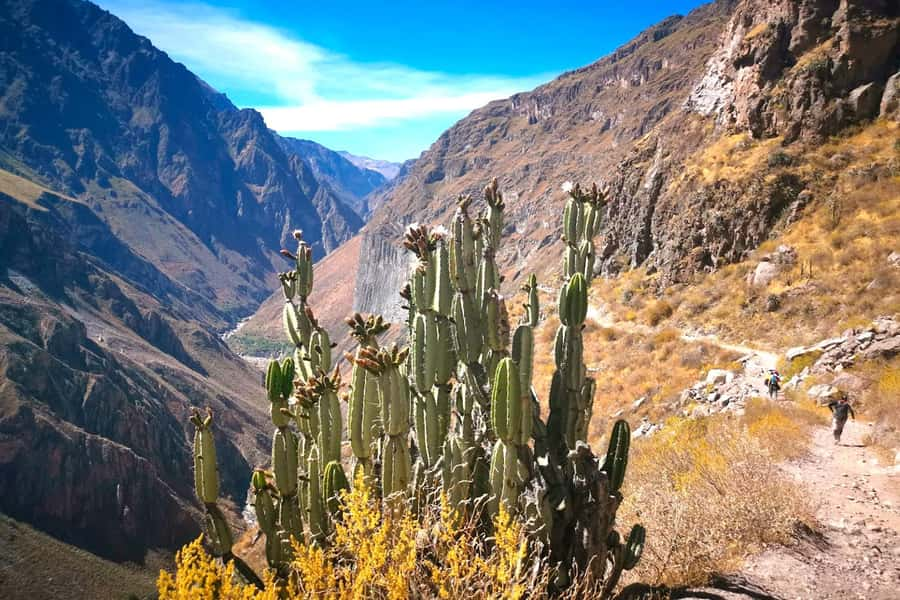
Colca Canyon is not a sightseeing stop with a short walk attached. It is a serious two-day hike into one of the deepest canyons on earth, followed by a hard climb out before sunrise. You get condors at Cruz del Cóndor, ancient terraces, a night at Sangalle, and a hot-spring soak, all in one long circuit.
I like the small-group format, limited to 18 people, and the way the route links scenery with local life: lunch in a family home at San Juan de Chuccho, an overnight stay in the canyon, and a stop at the cultivation terraces near Antahuilque. I also like the value, provided you understand the extra cash payment.
The main caution is simple: this trek is harder than the low booking price suggests. The descent is steep, the heat can be intense, and the climb back to Cabanaconde takes three to four hours, beginning in darkness. Good shoes, water, snacks, and a headlamp matter.
Key points before you book
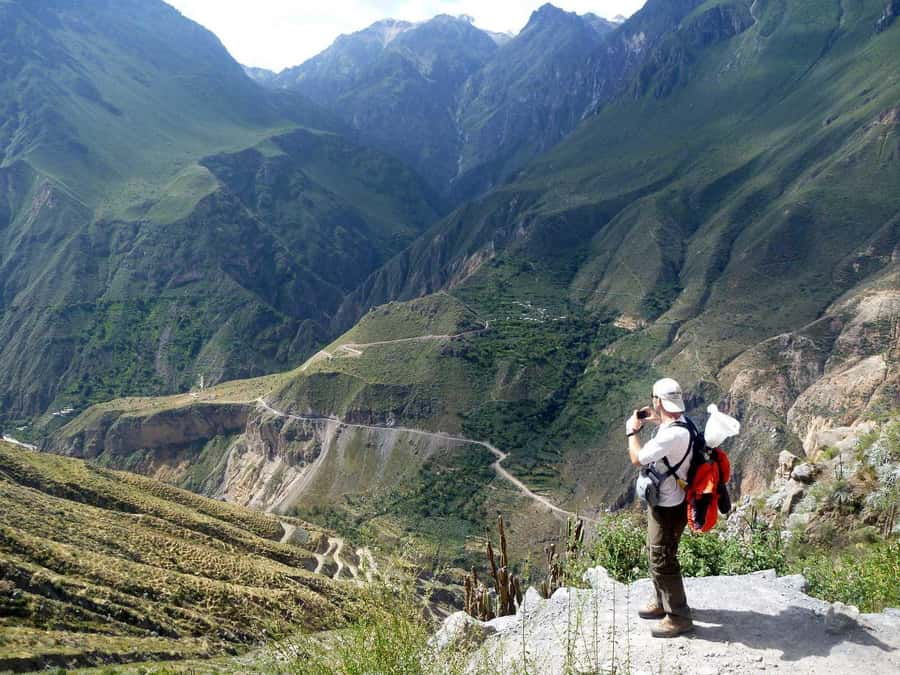
- A 15-kilometer descent on day one: You drop from San Miguel at 3,200 meters to Sangalle at 1,900 meters, with about seven hours of walking.
- A pre-dawn climb on day two: The steep ascent to Cabanaconde takes three to four hours, with breakfast only after the main climb.
- Condors at 3,600 meters: Cruz del Cóndor gives you about 40 to 50 minutes for bird watching, canyon views, and photographs.
- Sangalle is your overnight base: Pools, dinner, and a simple night in the Oasis help break up the demanding route.
- Bring cash for the real cost: Pay $90 or 320 soles at the start for food, lodging, and the entrance ticket, on top of the $21 booking price.
- A strong fit for prepared hikers: The route is not suitable for people with mobility limits, vertigo, back problems, or a low fitness level.
What this Colca Canyon trek is really like
The headline sights are excellent, but the physical effort shapes the whole experience. You spend the first day going down for hours, then the second day going up for hours. That sounds obvious on paper. It feels very different at altitude, in heat, and on uneven paths.
The route reaches several elevations. You begin near Arequipa, visit Cruz del Cóndor at 3,600 meters, start walking around San Miguel at 3,200 meters, descend to Sangalle at 1,900 meters, then climb back to Cabanaconde at about 3,300 meters. The change in height is part of the drama, but it is also why acclimatization is recommended.
I would not choose this as your first mountain walk. If you already hike regularly and can handle long uphill sections, the route gives you a memorable view of the canyon from inside it, not just from a roadside overlook. If you are a casual walker, Peru offers easier ways to see beautiful scenery.
More Hiking Tours in Colca Canyon
- Arequipa: 2-day Colca Canyon Trekking, Ending in Puno
★ 4.8 · 8 reviews - 2 day 1 night trek / Colca Canyon
★ 3.0 · 3 reviews - 3-day trek to the Colca Canyon from Arequipa ending in Puno
★ 4.2 · 3 reviews
The 3 a.m. start from Arequipa
Your day begins at 3 a.m. at your Arequipa accommodation. The early pickup is necessary because the drive to the Colca area takes several hours, but it is still a rough start. Pack your day bag the night before so you are not sorting sunscreen and socks in a dark hotel room.
The tourist van first heads toward Chivay, roughly three hours away. Breakfast there lasts about 50 minutes. This is a useful pause before the canyon route begins, though you should still carry snacks because the main meal on the hiking section comes later.
The group can include up to 18 people, with an English and Spanish guide. A small group is helpful on narrow paths and makes the long vehicle sections less impersonal. It also means the pace has to suit people with different fitness levels, so do not assume everyone will move together perfectly.
Cruz del Cóndor at 3,600 meters
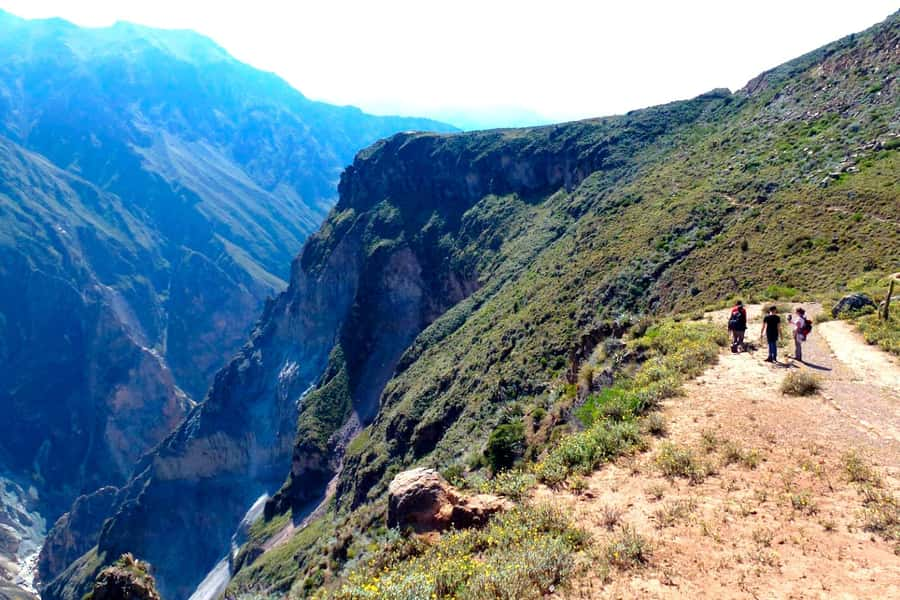
From Chivay, the van continues to Mirador Cruz del Cóndor. You have about 40 to 50 minutes here. The viewpoint is famous for sightings of Andean condors, which use the canyon’s rising air to glide below and around the cliffs.
This is one of the best scenic stops because you can appreciate the canyon before walking into it. Bring your camera, but do not spend the entire stop staring at a screen. The view gives you a useful sense of scale, and the condors make the enormous space feel alive.
There is a practical tradeoff. The stop happens early, after the long pre-dawn drive, and the tour cannot control exactly when condors appear. You should treat the birds as a strong possibility rather than the sole reason to book. The canyon view is worthwhile even if the condor timing is not perfect.
Starting the descent from San Miguel
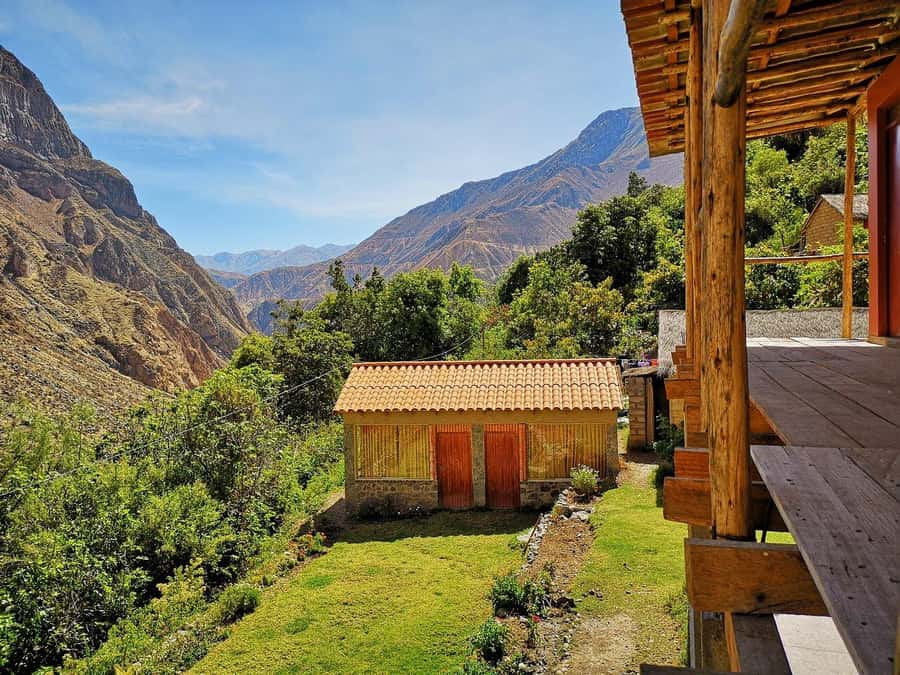
The van continues to San Miguel, around 3,200 meters above sea level. You get a short break to finish arranging your backpack before starting the hike. Keep this organization simple. Put water, sunscreen, snacks, a hat, and your camera where you can reach them without unpacking everything.
The first walking section lasts about three hours. You descend through the canyon on steep, uneven paths, with wide views of the canyon walls, terraces, plants, and local wildlife. This is where good footwear changes the day. Running shoes with poor grip are a bad gamble on loose or sloping ground.
Some sections run close to steep drops. The route description does not give a technical climbing grade, but the path is not flat or protected like an urban walking trail. If you have vertigo, back problems, limited mobility, or little hiking experience, this is the point to reconsider.
The descent can feel easier than the climb because gravity helps. Do not let that fool you. Long downhill walking can tire your knees and feet, and you still have another three hours after lunch.
More Hiking Tours in Chivay:
- From Arequipa: Sillar Route Trek
★ 4.2 · 461 reviews - From Cusco: 7 Lakes Ausangate Trek with Breakfast and Lunch
★ 4.8 · 360 reviews - From Arequipa: 2-Day Colca Canyon Trekking Tour
★ 4.8 · 243 reviews - Cusco: Rainbow Mountain Tour and Red Valley Hike (Optional)
★ 4.7 · 149 reviews
Lunch in San Juan de Chuccho
After roughly three hours, you cross a bridge and reach San Juan de Chuccho at about 2,230 meters. Lunch is served at the home of a local family and takes about 50 minutes.
This is one of the most appealing parts of the route. You are not simply stopping at a highway restaurant. The meal brings you into a small canyon community and gives the day a human scale. It also breaks the descent into two manageable sections.
Use the pause to eat properly, refill water if possible, and check your feet. The next walk continues for about three hours to Sangalle. The heat can build during the day, and several people have found the route much tougher than expected because of sun, effort, and limited preparation.
Carry extra snacks. Breakfast is early, lunch comes at San Juan de Chuccho, and the second morning’s breakfast waits until after the major uphill climb. Energy bars, fruit, or other compact food can make a real difference.
Sangalle Oasis at 1,900 meters
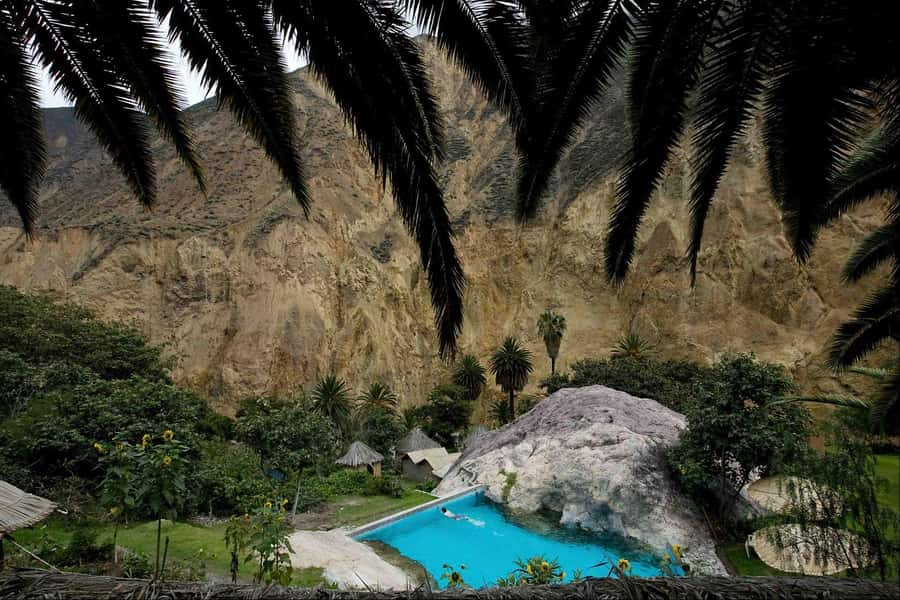
The final afternoon section brings you to Sangalle, also called the Oasis, at about 1,900 meters. After seven hours and around 15 kilometers of walking, the pools are more than a decorative feature. They give your legs a chance to relax before dinner and the overnight stay.
You have time to rest, enjoy the surroundings, and use the pool. Sangalle feels different from the high viewpoints because the canyon floor is warmer and lower. The change in vegetation and temperature helps make the descent feel like a journey through several zones rather than one long path.
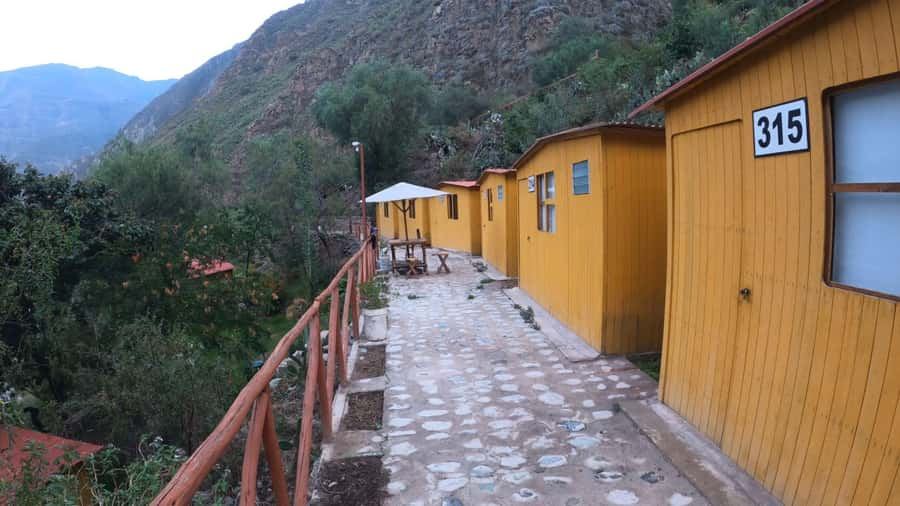
The lodging is basic. Do not expect a private hotel room with a bathroom, reliable electricity, or charging outlets. Some rooms may have no bathroom, shower, or power sockets, so bring a headlamp and manage your expectations. Toilet paper is also worth packing.
Dinner is scheduled for about 50 minutes, followed by roughly 10 hours overnight. A simple sleeping arrangement makes sense here: you are paying for a place to rest inside the canyon, not for resort comfort. The pool is the luxury.
The pre-dawn climb to Cabanaconde
Day two is the test. You wake very early and begin walking in the dark, climbing toward the upper rim. The ascent takes about three to four hours and covers roughly seven kilometers before you reach Cabanaconde at around 3,300 meters.
Starting before sunrise has one reward. As you climb, the first light reveals the canyon in stages. You see the walls change from dark outlines to clear ridges, then watch the whole canyon brighten. That gradual sunrise is one of the most memorable parts of the trip.
It is also the hardest physical section. The slope is steep, the air gets thinner as you climb, and breakfast comes after the main ascent. Keep water and snacks close. A headlamp is important because the route begins at night, and a phone flashlight is not a proper replacement for a hands-free light.
One activity listing notes the possibility of taking a mule back up, and one participant used that option. Do not build your plan around it unless your guide confirms availability and cost. The safest approach is to decide before the trek that you need to be ready for the full climb.
When you reach the highest point, take time to recover and look back at what you have climbed. The stop in Cabanaconde includes breakfast, which will likely taste especially welcome after the early effort.
Terraces, hot springs, and the ride back
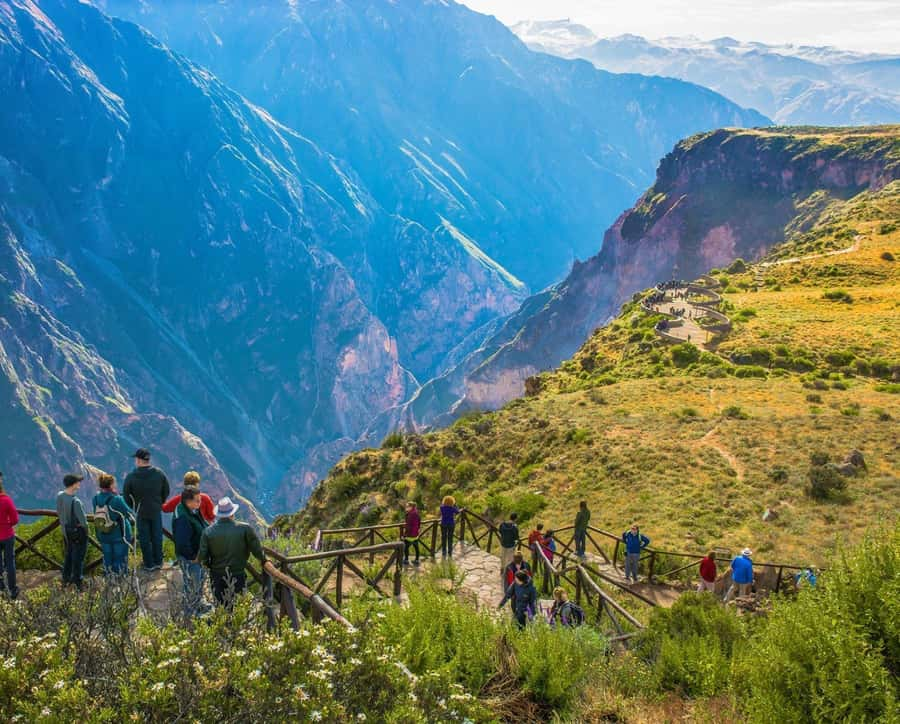
After breakfast, you return to vehicle travel. The route includes viewpoints around Antahuilque, where you can see the agricultural terraces built and maintained by the Collaguas. These terraces are not just attractive patterns on the canyon walls. They show how communities adapted farming to steep Andean ground over many generations.
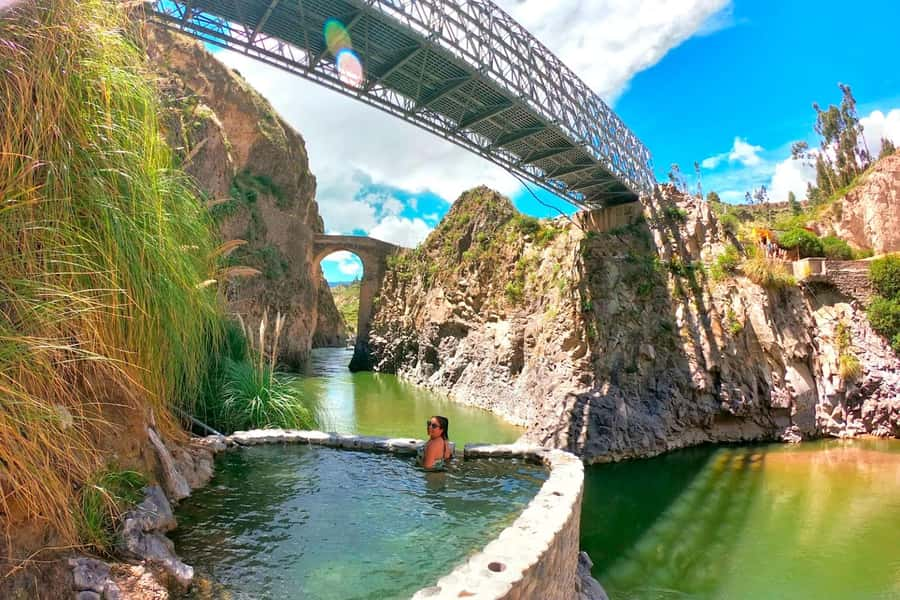
The day then turns toward relaxation with a visit to the hot springs. The soak is optional and costs an additional $5 or 15 soles. After the hard climb, this can be one of the most useful add-ons, but remember to bring whatever swimwear and towel arrangement you need.
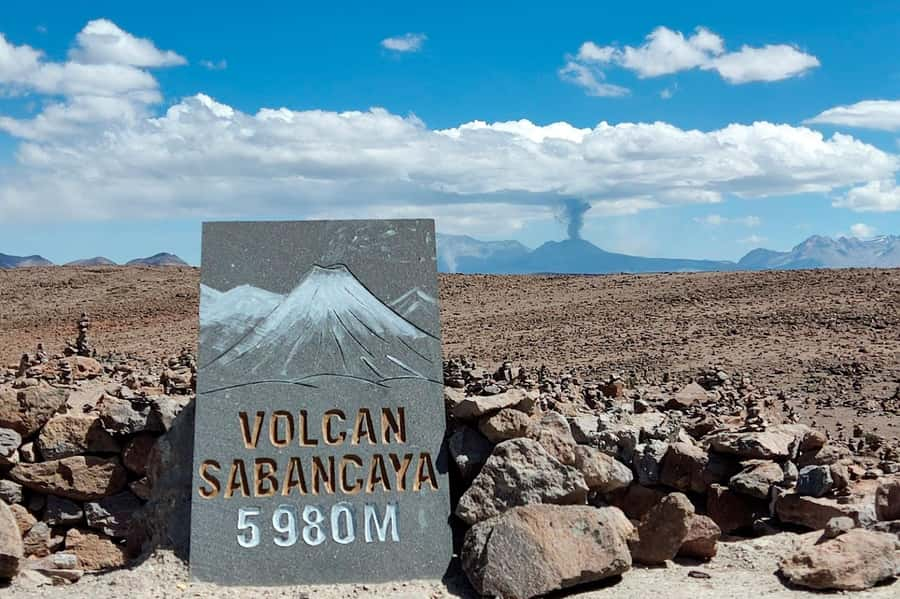
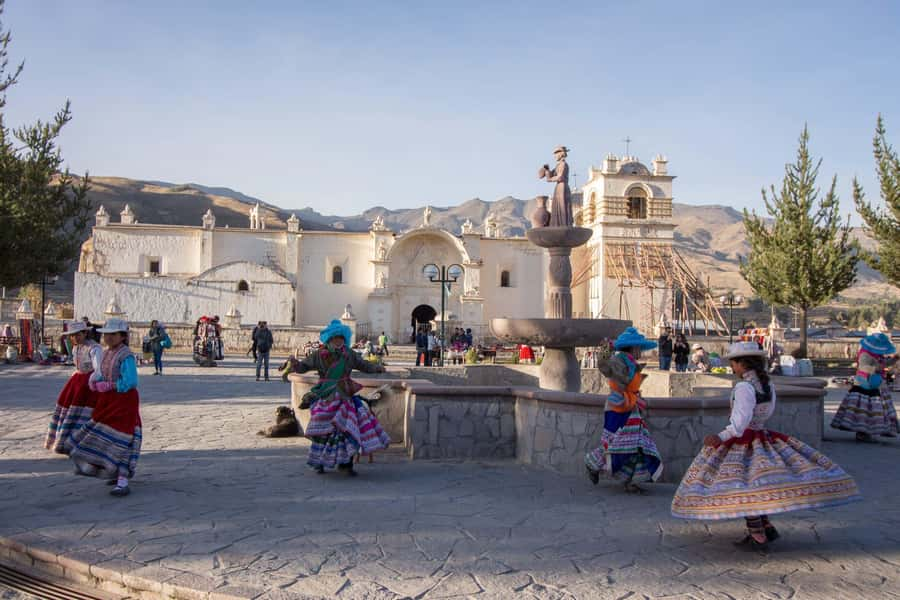
Lunch in Chivay follows, with about an hour scheduled. The return journey includes a volcano viewpoint at roughly 4,190 meters, another photo stop, and a traditional village visit. These roadside stops help break up the drive back to Arequipa, which ends around 5:30 p.m. in the city center.
The long ride is part of the price of covering so much ground in two days. If you dislike early starts and extended van time, this schedule may feel compressed. If you have limited time in the Arequipa region, it is an efficient way to combine the canyon, condors, terraces, hot springs, and high mountain views.
The real price and what it covers
The advertised booking price is $21 per person, but that is not the full amount you should budget. At the start, you must pay $90 or 320 soles in cash for food, lodging, and the entrance ticket. The hot spring entry is extra at $5 or 15 soles.
That makes the cash requirement the key booking detail. Bring the stated amount in the requested currency or confirm the payment arrangement before departure. A low upfront price can look misleading if you arrive without enough cash for the required costs.
Even with the additional payment, the package can be good value because it covers transport from Arequipa and back, a professional English or Spanish guide, meals listed in the schedule, the night at Sangalle, and entry costs bundled into the cash payment. The value depends less on comfort and more on whether you want a guided two-day route without arranging each vehicle and meal yourself.
The lodging is where expectations matter most. The price does not buy a polished hotel experience. It buys a basic overnight stop in a remote canyon, with the pool and location doing most of the work.
What to pack for comfort and safety
Pack light, but pack intelligently. You will carry your belongings through steep terrain, so a small backpack is better than a heavy suitcase or oversized day pack.
Bring:
- Comfortable hiking shoes with good grip
- A hat and sunscreen
- Plenty of water
- Snacks for both hiking days
- A camera
- Warm and light clothing for changing conditions
- A headlamp for the pre-dawn climb
- Toilet paper
- Cash for the required payment
- Swimwear for the hot springs and Sangalle pool
The weather can change between the high viewpoints, hot canyon floor, and early morning climb. Wear layers rather than one heavy item. Your guide may carry general supplies, but you should not depend on the group to solve a personal shortage of water, food, or clothing.
Acclimatization is important. The itinerary reaches 4,190 meters on the return drive and begins at high elevation before dropping deep into the canyon. Spend time adjusting to altitude before taking this trek, especially if you are arriving in Peru from sea level.
Guide support and group pace
The guide is included in English and Spanish, and the group is limited to 18. A good guide can explain the canyon, keep people on the correct path, and help the group handle the changing pace.
Communication and attention may vary. One guide named Fernando received criticism for not introducing himself until well into the van ride and for handling a toilet request poorly. Another account described a guide as very good, while also noting that communication could have been clearer when a hiker fell and needed help.
I would treat this as a reason to stay alert, not as proof that the whole operation is unsafe. Tell the guide early about your fitness level, ask where the group will regroup, and keep basic supplies with you. Do not walk far ahead or far behind without clear instructions. The trail is demanding enough without adding confusion.
The most consistent lesson is that people who prepared for a hard hike had a better time. Poor footwear, too little water, and an underestimated climb can turn a beautiful route into an unpleasant one.
Should you book this trek?
Book it if you want a demanding canyon hike with a real overnight stay, not a gentle sightseeing trip. You should be comfortable walking for seven hours on day one, climbing for three to four hours before breakfast on day two, and handling steep, uneven paths.
The tour suits hikers with a reasonable fitness base who value scenery, local meals, Andean terraces, and the chance to sleep inside the canyon. It is also a practical choice if you want transport and guiding arranged from Arequipa.
Skip it if you have vertigo, back problems, mobility limitations, or little experience with long mountain walks. Also skip it if basic lodging, an early start, and a required cash payment will cause stress.
For the right person, the rewards are substantial: condors overhead, sunrise from the uphill trail, a cold or hot pool at Sangalle, and the satisfaction of seeing the canyon from the bottom rather than only from a viewpoint. Just book with open eyes. The low advertised price is not the full cost, and the route is not an easy introduction to hiking.
FAQ
How long does the Colca Canyon trek last?
The experience lasts two days. Pickup begins at 3 a.m. in Arequipa on day one, and the activity ends around 5:30 p.m. on day two in central Arequipa.
How far do you walk on the first day?
The first day covers about 15 kilometers and takes around seven hours. You descend from San Miguel, stop for lunch at San Juan de Chuccho, then continue to Sangalle.
How far do you walk on the second day?
The second day covers about seven kilometers. The uphill hike from Sangalle to Cabanaconde takes roughly three to four hours.
Where do you sleep?
You spend the night at the Oasis of Sangalle. The accommodation is basic, and rooms may not have bathrooms, showers, or electrical outlets.
Is breakfast included?
Breakfast is scheduled in Chivay on the first morning and in Cabanaconde after the major climb on the second morning. Food costs are included in the required $90 or 320 soles cash payment.
How much extra cash do I need?
You must pay $90 or 320 soles in cash at the start for food, lodging, and the entrance ticket. Hot spring entry is optional and costs $5 or 15 soles.
Is the hot spring visit included?
The visit is part of the route, but hot spring entry is optional and costs an additional $5 or 15 soles.
What languages does the guide speak?
The guide service is available in English and Spanish.
How large is the group?
The activity is limited to 18 participants.
Who should not take this trek?
The trek is not suitable for people with back problems, mobility impairments, vertigo, or a low level of fitness. Acclimatization to altitude is recommended.
More 2-Day Experiences in Chivay
- 2-Day Tour Colca Canyon in Arequipa with end in Puno
★ 4.6 · 248 reviews - From Puno to Arequipa: 2 Days/1 Night Colca Canyon Tour
★ 3.6 · 83 reviews - From Arequipa: Tour Colca Canyon 2 Days with End in Puno
★ 4.2 · 12 reviews - Arequipa: 2-Day Colca Canyon Classic Tour return to Arequipa
★ 4.6 · 10 reviews
Just added around Chivay
- Tour Fullday Colca Canyon with Breakfast and Typical Lunch★ 4.3 · 35 reviews
- Offer Price: Colca Canyon One Day in Arequipa with Breakfast★ 4.5 · 4 reviews
- Full Day Trip to Colca Canyon from Arequipa ending in Puno★ 4.5 · 4 reviews
- Full day excursion to Colca Canyon★ 4.2 · 6 reviews
- From Puno: 2-Day Tour to Colca Canyon ending in Arequipa★ 4.1 · 4 reviews
- From Arequipa: Tour Colca Canyon 2 Days with End in Puno★ 4.2 · 12 reviews
- From Arequipa: One Day Trip to Colca Canyon Ending in Puno★ 4.0 · 14 reviews
- From Arequipa: Colca Canyon Full-Day Tour with Breakfast★ 3.3 · 4 reviews
Hiking & Trekking, compared.
7 Lakes Ausangate Trek with Breakfast and Lunch
Read our review →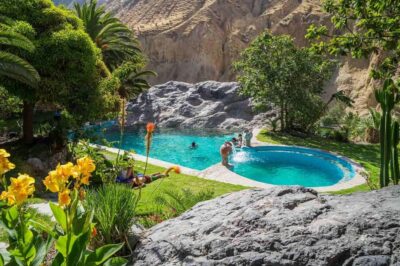
Rainbow Mountain Tour and Red Valley Hike (Optional)
Read our review →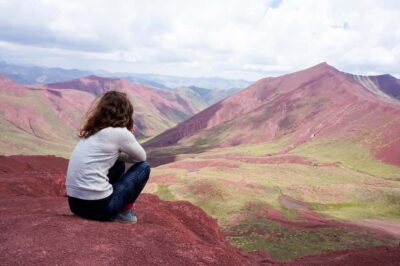
Full-Day Rainbow Mountain & Red Valley Trekking Tour
Read our review →
Browse the lists this tour appears in