
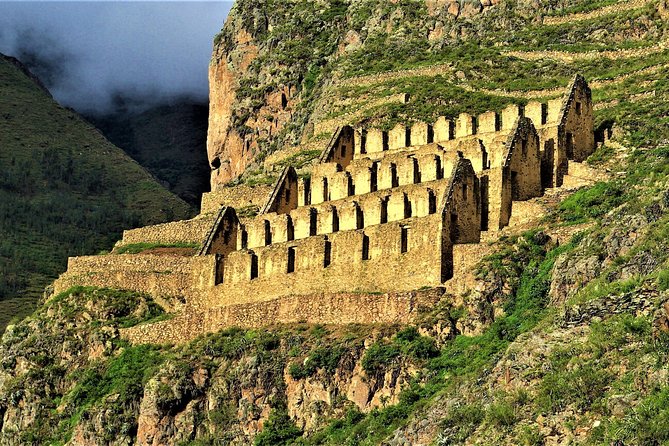
Reviewed · SACSAYHUAMAN & CUSCO RUINS TOURS
Cusco City Tour with Sacsayhuaman & Inca Sites – Small Group
Cusco’s great advantage is also its trap: the city packs Inca walls, Spanish churches, steep streets, and mountain sites into a tight area. This tour gives you a clear introduction, starting in the Plaza de Armas before taking you uphill to Sacsayhuaman and four nearby Inca sites. You get the big picture without spending your first day guessing which bus, taxi, or ticket you need.
I like two things here. First, the route covers both city sights and the high sites above Cusco in one afternoon. Second, transport and a guide are included, which matters when you are still adjusting to Cusco’s altitude and unfamiliar streets.
The main drawback is pace. Thirty minutes at each stop is enough for an introduction and photographs, but not a slow, detailed visit. The cathedral is also not included, so you will need to arrange that separately if you want to see its interior.
The essential points at a glance
- Six important stops in about four to five hours: You move from the Plaza de Armas and Coricancha to Sacsayhuaman, Qenqo, Puka Pukara, and Tambomachay.
- A small group capped at 16 people: This is more personal than a large coach tour, though it is not a private outing.
- Coricancha entry is included: You can compare original Inca foundations with the Santo Domingo convent built above them.
- The partial Tourist Ticket is included: It covers Sacsayhuaman, Qenqo, Puka Pukara, and Tambomachay.
- The listed start time is 1:00 pm: Hotel pickup and return are available within Cusco’s Historic Center.
- The cathedral is not part of the visit: Plan a separate stop if its art and interior are important to you.
Why this route works for a first afternoon in Cusco
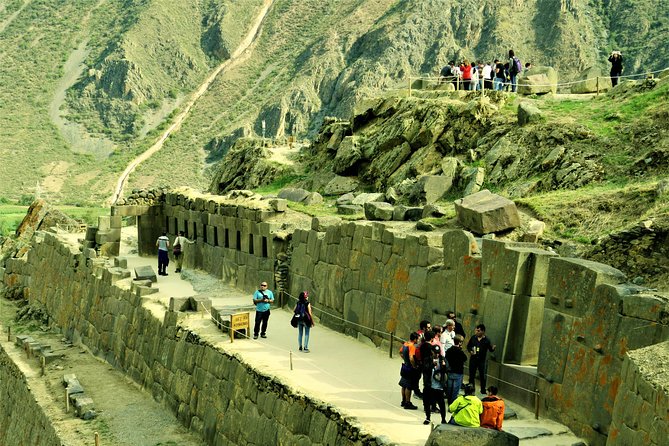
This is a useful first look at Cusco because it links the city center to the ceremonial and defensive sites on the hills above it. You begin where modern Cusco feels most concentrated, then see how the Inca capital extended beyond the main square.
The tour lasts roughly four to five hours. That is long enough to cover the main sites without consuming a full day that you may want for the Sacred Valley or Machu Picchu planning. The afternoon departure also leaves your morning open.
The published meeting time is 1:00 pm at the Plaza de Armas. Hotel pickup and drop-off are included for hotels in Cusco’s Historic Center, so check the exact pickup arrangement when you book. The tour description also refers to morning or afternoon choices, but the stated meeting time for this departure is 1:00 pm.
You should expect a moderate amount of walking, uneven surfaces, steps, and time at altitude. The tour requires a moderate fitness level. Cusco sits high, and even a short walk can feel harder than expected during your first day or two.
More City Tours in Cusco
- Cusco: Half-Day City Tour with Sacsayhuaman and Q’enco
★ 4.6 · 1,129 reviews - City Tour Cusco Qoricancha Sacsayhuaman y Tambomachay
★ 4.7 · 617 reviews - Cusco: Sightseeing Tour of the City on an Open-Top Bus
★ 4.0 · 481 reviews
Plaza de Armas and the 12 Angled Stone
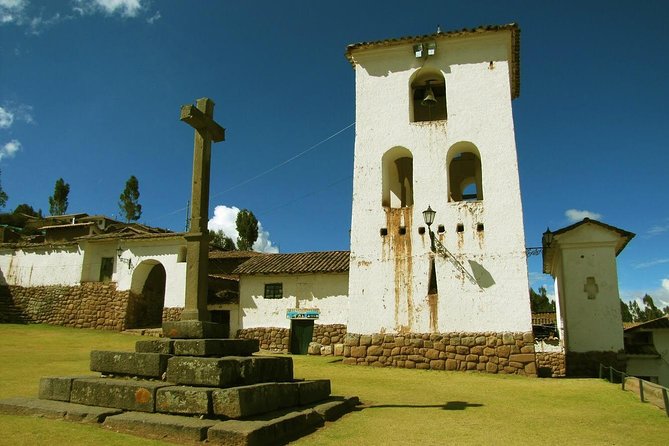
The Plaza de Armas is a strong starting point because it shows the layers of Cusco in one place. Your guide explains the colonial buildings around the square and the area’s earlier role as a ceremonial center of the Inca Empire.
From there, you walk to the 12 Angled Stone. It is a small detail compared with Sacsayhuaman, but it makes an excellent introduction to Inca stonework. The stone fits into an old wall with remarkable precision, and its angled shape helps explain how Inca builders created firm, complex masonry without ordinary mortar joints.
The walk along Loreto Street adds useful context. Original Inca walls line both sides, while colonial buildings rise above or beside them. I like this part of the route because you do not only hear that Spanish Cusco was built over Inca Cusco. You can see the change directly in the street.
Thirty minutes is enough for the square, the stone, and the street, especially with a guide pointing out what you might miss on your own. If you want photographs without rushing, stay close to the group and listen while walking rather than saving every explanation for one stop.
Coricancha, where two buildings share one foundation
Coricancha was the most important temple in the Inca Empire and was dedicated to the Sun. The Spanish later built the Santo Domingo convent over its foundations, creating one of Cusco’s clearest examples of architectural layers.
Inside, the useful comparison is between the precise Inca stonework below and the colonial structure above. Your guide explains the temple’s role in ceremonies, worship, astronomy, and the Inca royal world. The building was once covered in gold, though the gold itself is long gone.
Entry to Coricancha is included, which improves the tour’s value. You are not simply looking at an exterior wall from a city street. You enter the complex and see the foundations at close range.
The stop is scheduled for about 30 minutes. That is enough to understand why Coricancha matters, but anyone fascinated by Inca masonry may want extra time later. If you have only one afternoon in Cusco, this guided introduction is efficient. If you have several days, consider returning independently for a slower look.
Sacsayhuaman and the view over Cusco
A vehicle takes you uphill to Sacsayhuaman, the largest and most dramatic site on this route. Its enormous zigzag walls are made from huge stones fitted with extraordinary care. The scale is the point. After seeing the 12 Angled Stone and Coricancha foundations, you now see Inca engineering on a much larger stage.
Your guide covers the site’s role in battles and ceremonies, along with its continuing connection to the Inti Raymi festival. From the terraces, you also get broad views over Cusco and the surrounding mountains.
The partial Tourist Ticket includes Sacsayhuaman. That is important because this site is one of the main reasons to choose the tour rather than staying only in the historic center.
Thirty minutes goes quickly here. You can see the main walls, hear the basic explanation, and take photographs, but you will not explore every corner at leisure. The ground is uneven, and the high setting can make the walk feel more demanding than the distance suggests. Wear shoes with a firm sole and bring water.
This is also a good place to keep your expectations realistic. Sacsayhuaman is often described as a fortress, but its uses included ceremonies and major public events as well as military activity. A good guide helps you avoid reducing the site to one simple label.
More Inca ruins above Cusco:
- Cusco City Sightseeing, San Pedro Market, Cathedral and Qorikancha Temple
★ 4.5 · 139 reviews - Cusco: 3-Hour Horse Riding Tour to the Temple of the Moon
★ 5.0 · 105 reviews - Cusco City Sightseeing and Sacsayhuaman Archeological Park Tour
★ 4.5 · 101 reviews - Horse Riding Chacan Mountain And Temple Of The Moon
★ 5.0 · 78 reviews
Qenqo and the mystery of carved stone
Qenqo is smaller and more puzzling than Sacsayhuaman. The site is carved largely from rock, with winding passages, channels, and hidden areas connected with ritual use. Its Quechua name means zigzag, a fitting description of the carved forms and passageways.
Your guide explains the main theories about how Qenqo functioned and what its spaces may have meant. That explanation matters because the site can be hard to read without help. Unlike a large wall or a broad plaza, its importance is tied to details in the stone.
The visit lasts about 30 minutes and is included in the partial Tourist Ticket. Expect a short, focused visit rather than a full archaeological study. Watch your footing in the passages and stay with the group so you do not miss the guide’s explanation before moving on.
I find Qenqo valuable because it changes the rhythm of the tour. Sacsayhuaman is about size and open views. Qenqo is about close observation, uncertainty, and ritual space.
Puka Pukara, a checkpoint with open views
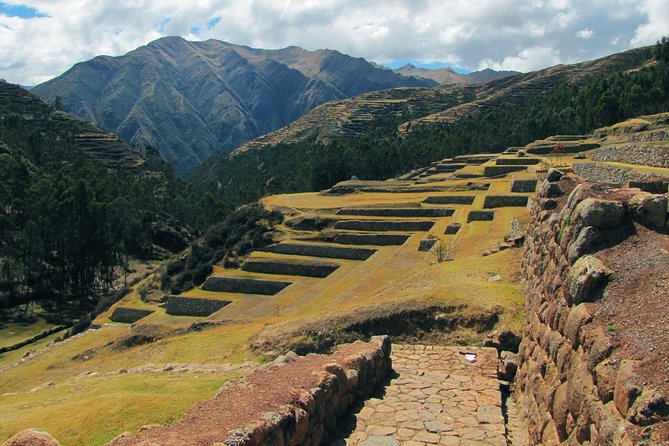
Puka Pukara means Red Fortress in Quechua. The site likely served as a military checkpoint and resting place along the road between Cusco, the Sacred Valley, and routes toward the jungle.
You see terraces, rooms, walls, and lookout positions. The setting helps you understand the site’s practical role. From here, you can imagine messengers and other travelers moving along routes controlled by the Inca state.
This stop is also useful for the views. Puka Pukara is more open than Qenqo, and the surrounding countryside gives you a better sense of how the Inca road system connected the capital with distant regions.
Admission is listed as free, while the partial Tourist Ticket covers the circuit sites as a group. The scheduled visit is 30 minutes. That is suitable for a quick explanation and photographs, though the site may feel brief if you are especially interested in Inca administration or road construction.
Tambomachay and the sound of running water
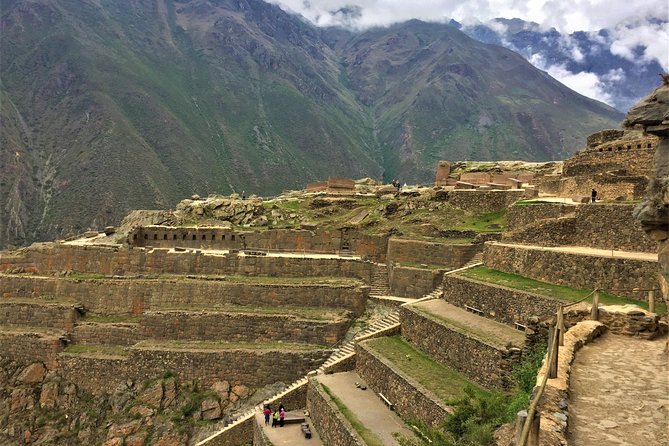
Tambomachay provides a calm finish. This site is known for clear fountains, channels, and aqueducts that still carry water. It is often called the Inca Baths and may have served as a place of rest and water worship for Inca nobility.
The stonework here is more delicate in feel than the massive walls at Sacsayhuaman. The water channels show how carefully the Incas worked with natural flow and built systems that have survived for centuries.
Your guide explains the possible religious and ceremonial uses of the site. You can also take a breath, enjoy the cooler air, and take photographs before returning to Cusco.
Tambomachay is included in the partial Tourist Ticket and receives about 30 minutes. The site is peaceful, but the stop may feel short if you prefer to sit and study the waterworks. Still, it is a pleasant final contrast after several larger and more crowded-feeling archaeological spaces.
What the small group and transport add
The group is limited to a maximum of 16 people. That does not give you the freedom of a private guide, but it should make it easier to hear explanations and ask occasional questions than on a large bus tour.
Transport is especially useful for the four sites above Cusco. Walking between them would take too much time and effort, and arranging separate taxis could make the afternoon less orderly. The driver and guide keep the route moving while you focus on the sites.
TreXperience uses guides across its Peru programs, and guide quality is central to the experience. Guides named in the supplied material include Katia, Jennifer, Roger, Leo, and Frank. They have been praised for explaining Inca and Quechua culture with energy, answering questions, handling changes, and helping when someone became ill. Your booking does not identify a specific guide, so treat those names as examples of the company’s guiding team, not a promise that one of them will lead this departure.
Is $98 a fair price?
At $98 per person, this is not the cheapest way to see Cusco’s outer sites. The price includes a professional guide, transport, pickup and return within the Historic Center, Coricancha entry, and the partial Tourist Ticket for the four archaeological sites.
That package has real value if you want a structured introduction and do not want to sort out transport or tickets. It is also sensible for a first day when you are learning the city and adjusting to the altitude.
The price is harder to justify if you already know Cusco well, prefer to move slowly, or only want Sacsayhuaman. The itinerary visits six places, but each receives about 30 minutes. You are paying for coverage, guidance, and convenience more than for long visits at any one site.
Remember that cathedral admission is not included. Meals and snacks are also excluded, although the four-to-five-hour timing means you can eat before or after the tour.
Practical advice before you go
Wear comfortable shoes with good grip. The route includes city walking, archaeological ground, and hillside sites, so smooth sandals or thin soles may be uncomfortable.
Bring water and sun protection. The tour description does not list meals or snacks, and the high-altitude sun can feel strong even when the air is cool.
Keep your first day manageable. If you have just arrived in Cusco, this tour gives you a useful orientation, but do not schedule a demanding hike immediately afterward. The operator lists moderate fitness as necessary.
Plan cathedral time separately. The tour explains the buildings around the Plaza de Armas, but cathedral entry and an interior visit are not included. You can add that visit before or after the tour if the opening hours work.
Cancellation is free up to 24 hours before the start time for a full refund. Changes or cancellations made less than 24 hours before departure are not accepted for a refund.
Who should book this Cusco tour?
You should consider it if you have one free afternoon, want the major Inca sites explained in plain terms, and prefer not to manage taxis and tickets. It also suits first-time visitors who want a broad introduction before choosing which places deserve a longer return visit.
Families and mixed-age groups may appreciate the short stops and vehicle transfers, though everyone should be comfortable with uneven ground and altitude. A group of up to 16 is small enough for a more direct guide experience, but not intimate enough for a fully tailored schedule.
I would choose a different option if your priority is the cathedral, a slow study of Inca masonry, or a private itinerary. You may also find the schedule too quick if you want substantial time at every site.
FAQ
What time does the tour begin?
The listed departure begins at 1:00 pm from the Plaza de Armas in Cusco.
How long does the tour last?
The experience lasts approximately four to five hours.
Where does the tour start and finish?
It starts at the Plaza de Armas and ends back at the meeting point. Hotel pickup and drop-off are included for hotels in Cusco’s Historic Center.
What sites are visited?
The route includes the Plaza de Armas, the 12 Angled Stone, Loreto Street, Coricancha, Sacsayhuaman, Qenqo, Puka Pukara, and Tambomachay.
Is cathedral admission included?
No. The tour does not include entrance or a visit inside Cusco Cathedral.
Are entrance tickets included?
Entry to Coricancha is included. The partial Tourist Ticket covering Sacsayhuaman, Qenqo, Puka Pukara, and Tambomachay is also included.
How large is the group?
The tour has a maximum of 16 travelers.
Can I cancel for a full refund?
Yes. You can cancel at least 24 hours before the experience starts for a full refund. Cancellations or changes made less than 24 hours before the start time are not accepted for a refund.
Should you book it?
Book this tour if you want to cover Cusco’s main Inca sites in one organized afternoon, with transport, tickets, and a guide handled for you. The best value comes from the range of stops, especially Coricancha and Sacsayhuaman, rather than from extended time at any single site.
Skip it if you prefer private touring, long archaeological visits, or a cathedral-focused city walk. For most first-time visitors with limited time, though, this is a practical way to get your bearings and see the city’s Inca foundations before heading farther into the Sacred Valley.
Just added around Cusco
- Waqrapukara 1 day trekking + meals★ 3.9 · 3 reviews
- Visit to the Cochahuasi Animal Sanctuary with rescued animal★ 4.1 · 4 reviews
- Vinicunca Mountain Tour – Full Day Tour to Rainbow Mountain★ 3.4 · 4 reviews
- Valle Sur Cusco | half day★ 4.3 · 3 reviews
- Trek to Humantay Lake from Cusco★ 4.9 · 8 reviews
- Trek to Choquequirao 4 days★ 3.8 · 4 reviews
- rainbow mountain full day★ 5.0 · 44 reviews
- Tour to the HUMANTAY LAGOON from CUSCO★ 5.0 · 35 reviews
Sacsayhuaman & Cusco Ruins Tours, compared.
Half-Day City Tour with Sacsayhuaman and Q’enco
Read our review →
City Tour Cusco Qoricancha Sacsayhuaman y Tambomachay
Read our review →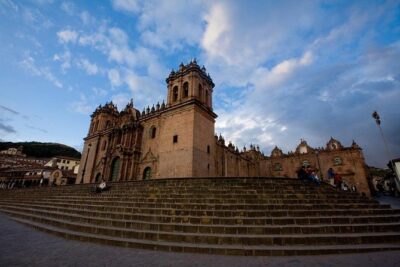
Cusco City Sightseeing, San Pedro Market, Cathedral and Qorikancha Temple
Read our review →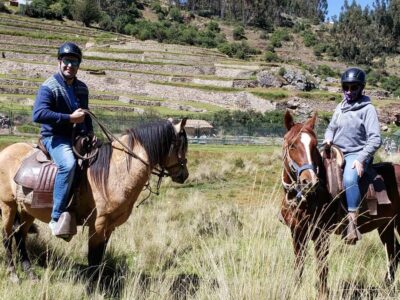
3-Hour Horse Riding Tour to the Temple of the Moon
Read our review →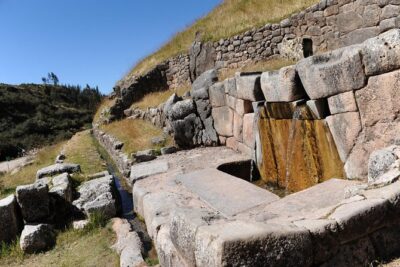
Cusco City Sightseeing and Sacsayhuaman Archeological Park Tour
Read our review →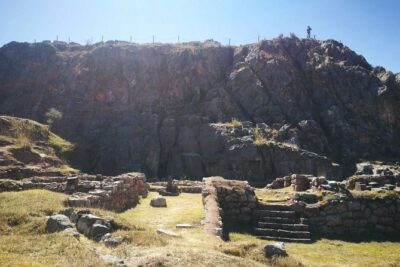
Horse Riding Chacan Mountain And Temple Of The Moon
Read our review →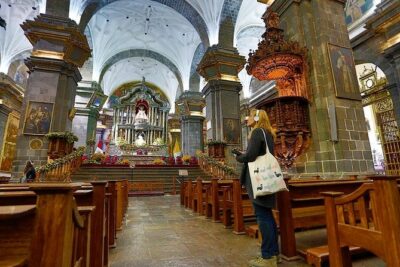
Cusco 4-Hour Private Tour Including Sacsayhuaman and Qenqo
Read our review →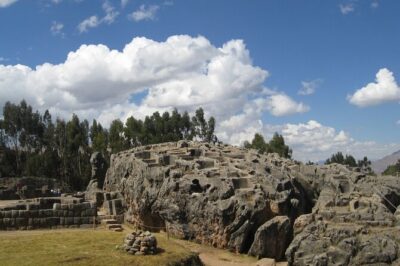
Sacsayhuaman Temple, Tambomachay and Puca Pucara Half-Day Tour
Read our review →Browse the lists this tour appears in