
Reviewed · COLCA CANYON TOURS
2-Day Colca Canyon Tour to Puno with accommodation
The condors are the headline act, but the best part of this trip is the full Andean journey around them. You’ll cross high puna country, pass volcanoes and vicuñas, then follow the Colca Canyon to Cruz del Condor before continuing by bus to Puno.
I like the route for two reasons: it connects two major Peruvian destinations without sending you back to Arequipa, and it gives you real time in small Colca Valley towns such as Yanque and Maca. The chance to see pre-Inca terraces still planted with corn, quinoa, and amaranth adds welcome local detail.
The main drawback is the altitude and the early schedule. You reach about 4,800 to 4,950 meters, and day two begins around 6:00 am. Lunches, canyon entrance fees, hot springs, and your Puno hotel transfer are also extra.
Key Points Before You Book
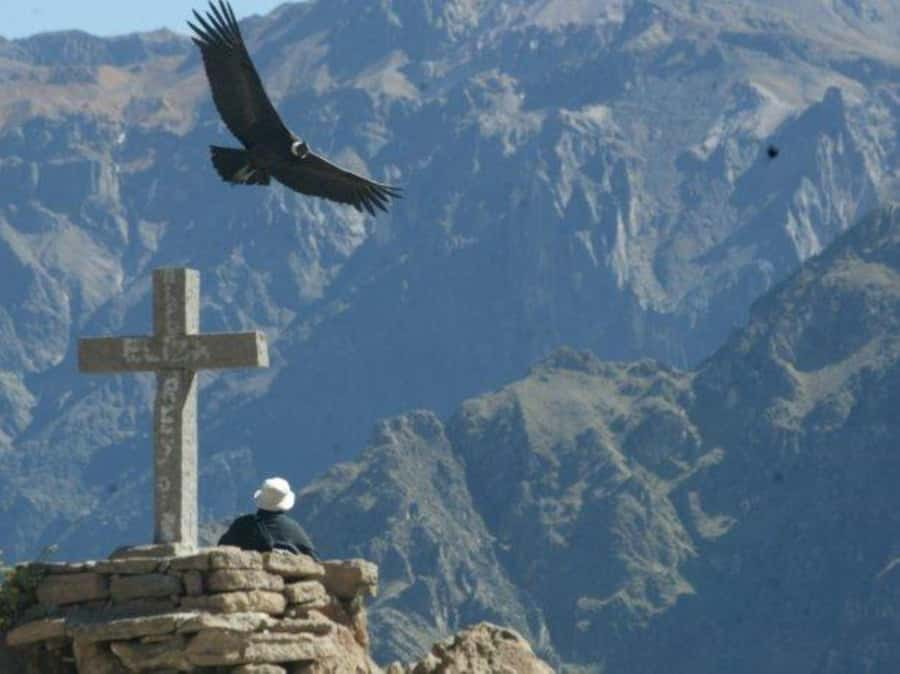
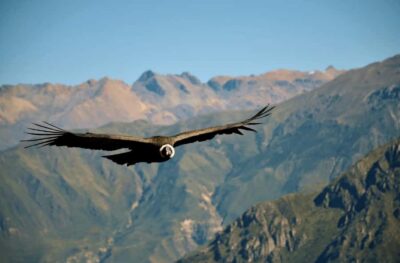
- Condors at Cruz del Condor: Spend free time at the lookout watching these huge Andean birds ride the canyon air.
- Two nights are not required: The tour starts in Arequipa, includes one night in Chivay, and ends in Puno on day two.
- High-altitude route: Patapampa reaches 4,800 meters, while the Patahuasi stop is listed at about 4,950 meters.
- Living Andean villages: Yanque and Maca offer colonial churches, traditional clothing, and views of working terraces.
- Wildlife along the road: Pampa Cañahuas brings chances to see vicuñas, llamas, alpacas, and many highland birds.
- Good price for a transfer tour: At $145 per person, transport, guiding, breakfast, and one hotel night are covered, but several important costs are not.
Why This Two-Day Route Works
This is not simply a Colca Canyon excursion. It is also a practical transfer from Arequipa to Puno, with the sights arranged along the way.
That matters because the usual alternatives can eat up a day. Here, you leave Arequipa at 8:00 am, sleep in Chivay, visit the canyon early the next morning, and then take a tourist bus toward Puno. You arrive at Puno’s Plaza de Armas around 7:00 to 7:30 pm.
You get a strong mix of wildlife, mountain views, village stops, and classic viewpoints. The trade-off is that this is a scheduled group experience, not a slow private journey. You will have set departure times and limited freedom at each stop.
The tour costs $145 per person. That is a fair price for two days of transport, an English or Spanish guide, breakfast, and one night in Chivay. It becomes better value if you already need to travel from Arequipa to Puno.
Still, budget extra for the Colca Canyon entrance fee, two lunches, dinner, optional hot springs, and transport from the Plaza de Armas to your hotel in Puno. Since the exact entrance fee and hotel standard are not specified, ask for those details before paying if your budget is tight.
A few more Chivay days worth weighing up
- 2-Day Tour Colca Canyon in Arequipa with end in Puno
★ 4.6 · 248 reviews - From Puno to Arequipa: 2 Days/1 Night Colca Canyon Tour
★ 3.6 · 83 reviews - From Arequipa Trek : 2-Days of Hiking in the Colca Canyon
★ 4.5 · 35 reviews
Day One: Arequipa to Chivay Through High Puna Country
Pickup begins around 8:00 am from your hotel in central Arequipa. If you stay outside the city center, you will be given a meeting point, so confirm your accommodation details before departure.
Arequipa sits at about 2,325 meters. From there, the road climbs toward the snowy Chachani area and into the Pampa Cañahuas region. The scenery changes quickly from city streets to wide, dry highland country.
This first day is mainly about the journey. Keep your camera ready, but also keep water close. The air gets thin, and the road climbs much higher than Arequipa.
Wildlife in Pampa Cañahuas
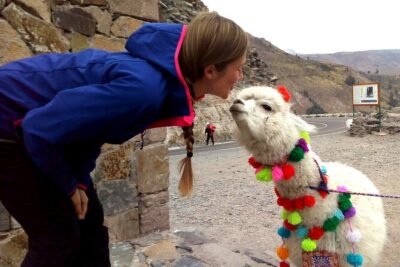
Pampa Cañahuas is part of the Salinas and Aguada Blanca National Reserve. The reserve is an important stop because you are not just looking at mountains. You may see wild vicuñas, along with llamas and alpacas.
Vicuñas are smaller and more delicate than llamas and alpacas, with fine coats suited to the cold highlands. The route also offers chances to spot flamingos, ibis, Andean geese, ducks, eagles, and caracaras, locally called kara kara.
These sightings are not guaranteed, of course. Birds and animals are free to move, and the stop is not a zoo-like visit. That uncertainty is part of the appeal, but it is wise to treat the wildlife as a bonus rather than the main promise of the day.
Patapampa at 4,800 Meters
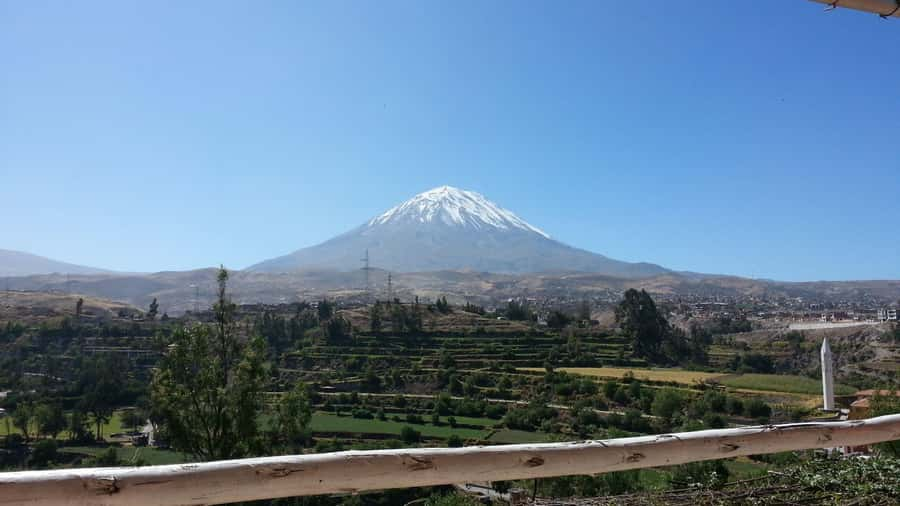
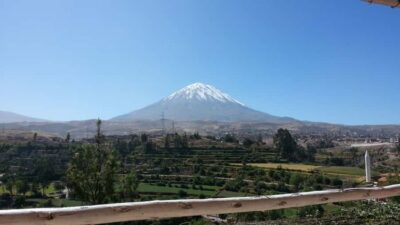
The viewpoint at Patapampa reaches about 4,800 meters. You may see Chachani, Misti, Ampato, and other snowy volcanoes and peaks from this high point.
The view can be enormous, but the altitude is serious. You may feel short of breath, light-headed, or tired even during a short walk. Move slowly, avoid unnecessary exertion, and bring water, sunglasses, and sun protection.
This is one of the places where the tour’s pace can help. You stop, look, take photographs, and return to the vehicle rather than spending hours on foot. Still, the height may be uncomfortable for some people.
Same base, a completely different kind of day:
- Turist Bus Colca Canyon (Chivay) To Puno
★ 5.0 · 83 reviews - Tour Fullday Colca Canyon with Breakfast and Typical Lunch
★ 4.3 · 35 reviews - From Arequipa: Fullday Tour Colca Canyon + Transfer To Puno
★ 4.4 · 17 reviews - From Arequipa: One Day Trip to Colca Canyon Ending in Puno
★ 4.0 · 14 reviews
Chivay and the First Night
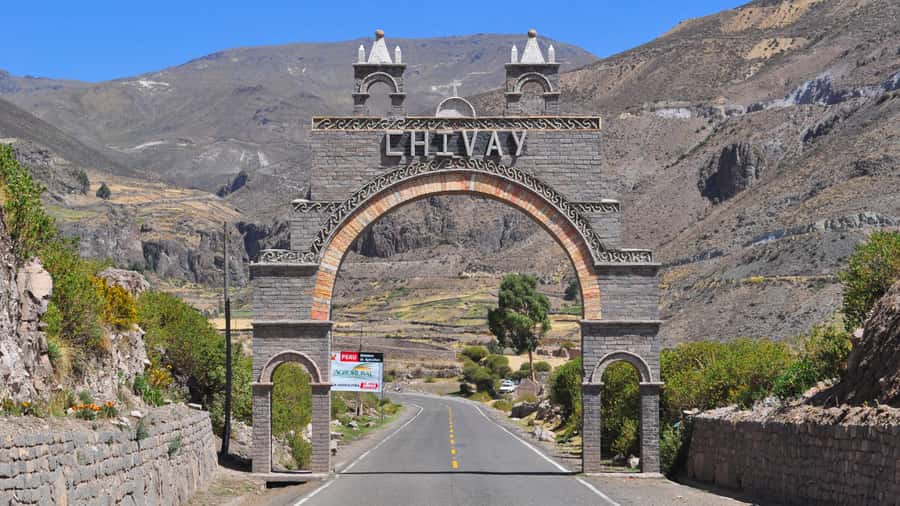
You reach Chivay, the capital of the Colca Valley, at about 3,600 meters. Lunch is not included, so plan to pay separately.
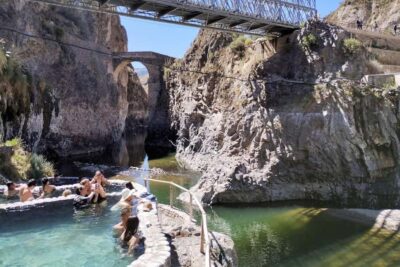
The afternoon is free. You can rest at the hotel or visit the hot springs for an additional fee. That free time is useful after the high-altitude drive, especially if you are not accustomed to mountain roads or thin air.
The overnight hotel and breakfast are included. The accommodation category is not specified, so do not assume a particular room style or level of comfort. If the hotel matters greatly to you, ask the operator for its name and details before booking.
Day Two: Yanque, Maca, and the Colca Canyon
Day two starts early, around 6:00 am after breakfast. This is necessary because the morning canyon route includes several village visits and the main condor lookout before the group returns to Chivay for lunch.
The early start may feel rough, but it gives you a full day and leaves enough time for the afternoon transfer to Puno. Pack your day bag the night before so you are not searching for sunscreen and camera batteries in the dark.
Yanque and Maca
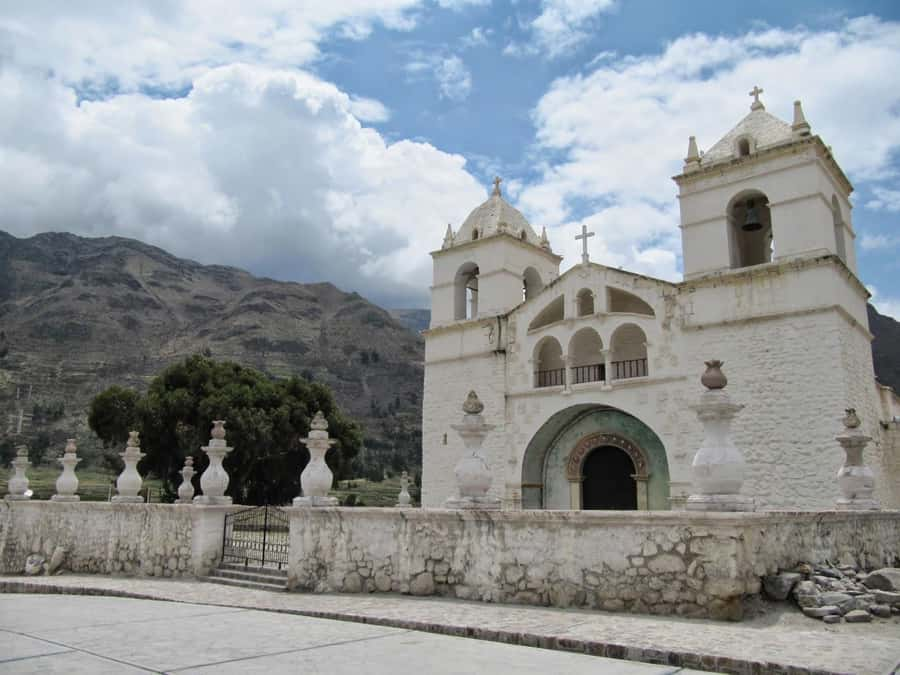
The route follows the left side of the canyon, visiting villages such as Yanque and Maca. Their colonial churches and traditional Andean setting provide a quieter counterpoint to the famous viewpoints.
Local people may show traditional embroidered clothing, and the villages offer a chance to see more than a quick mountain panorama. You get a sense of how daily life is tied to farming, clothing, and highland communities.
The tour also passes hundreds of pre-Inca terraces. Many are still used to grow corn, quinoa, amaranth, and other crops. These terraces are not just old stone shapes on a hillside. They show how farming adapted to steep terrain long before modern roads and machinery.
You should keep your expectations practical. The itinerary does not promise a long guided walk through each village or a formal cultural demonstration. The value comes from seeing the towns along the route and having a guide explain what you are looking at.
Cruz del Condor
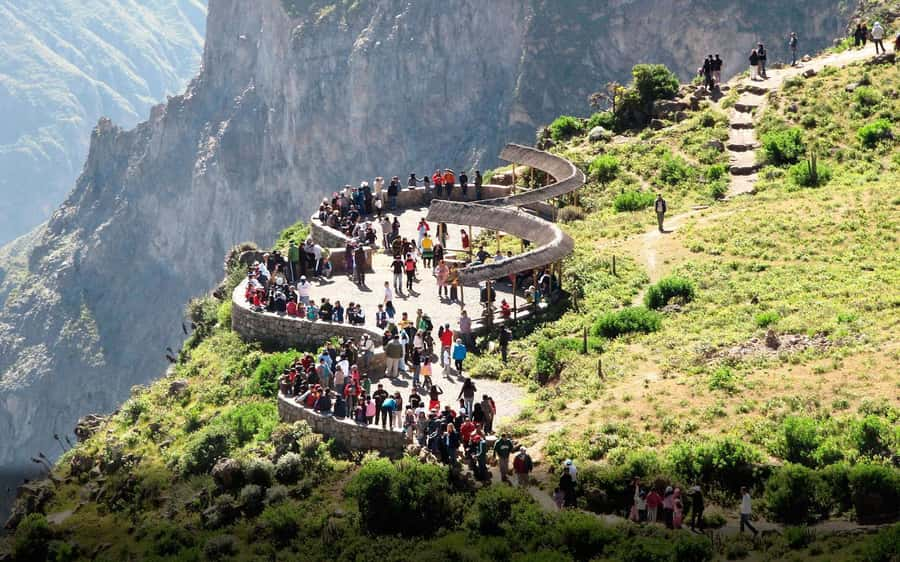
After about two hours of driving, you reach Cruz del Condor. This is the main event.
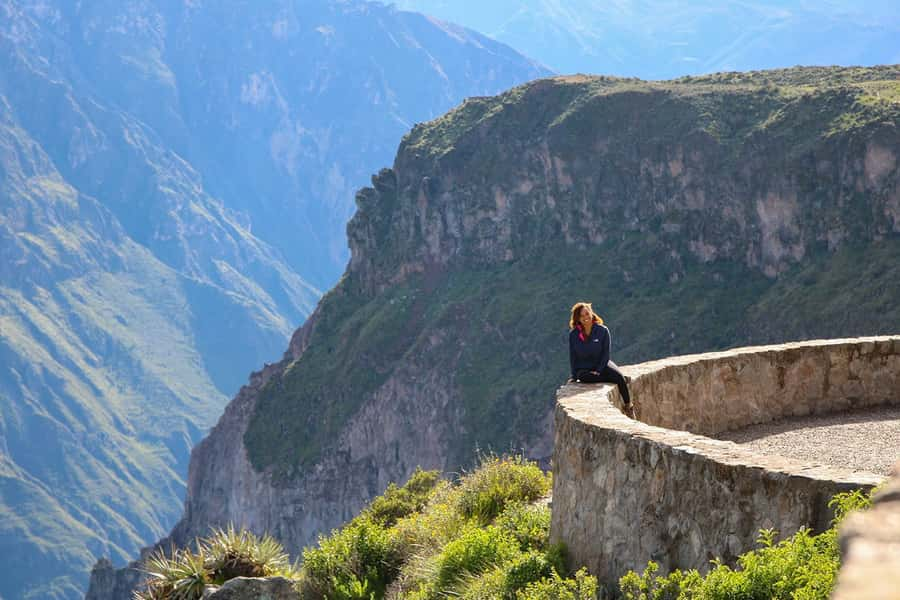
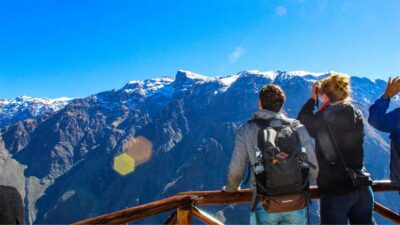
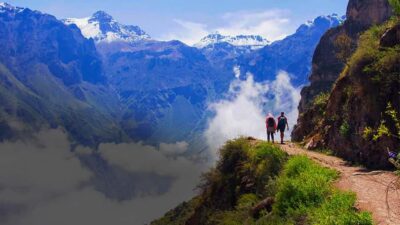
From the lookout, you can see the depth of Colca Canyon and watch for Andean condors riding the rising air. The birds may pass close to the viewpoint or appear far below and across the canyon. Their wingspan and effortless flight make this a memorable stop even when the birds do not appear on cue.
You get free time at the lookout to watch the condors and explore the viewing area. That flexibility is useful because wildlife watching requires patience. Keep your eyes on the canyon walls and open air, not only on the spot where other people are pointing.
The stop can also be crowded at popular times, although no group size is provided here. Your guide can help you understand the viewpoint and organize the timing, but you should not expect a private, silent viewing platform.
After Cruz del Condor, you return to Chivay for lunch. Lunch is again not included, so keep local currency or another accepted payment method available.
The Afternoon Bus to Puno
At about 1:00 pm, you board the tourist bus from Chivay to Puno. This portion is both sightseeing and transportation, which is why the entire trip works well for people moving between the two cities.
The bus arrives at Puno’s Plaza de Armas around 7:00 to 7:30 pm. Hotel drop-off in Puno is not included. You will need to arrange your own onward transport from the plaza, so consider this when choosing your hotel and packing your bags.
Patahuasi and the Volcano View
The first listed stop is Patahuasi, where you can drink mate and visit a volcano viewpoint. The altitude is given as about 4,950 meters, even higher than Patapampa.
From here, you may see Misti, Chachani, and Ampato. The view is impressive, but the same altitude warning applies. Do not plan a strenuous walk, and do not treat the stop like a casual lowland rest break.
The mate is a welcome detail on a cold, high road. It is also a chance to pause, warm up, and take in the setting before continuing.
Pampa Cañahuas and the National Reserve
The Puno-bound route returns to the Pampa Cañahuas area, also described as part of the Salinas and Aguada Blanca National Reserve. You may see rock formations and South American camelids, including vicuñas, llamas, and alpacas.
If you saw the reserve on day one, this second pass may feel familiar. Still, light, weather, and animal locations change. The stop also breaks up the long ride and gives you another chance to photograph the high puna.
Lagunillas
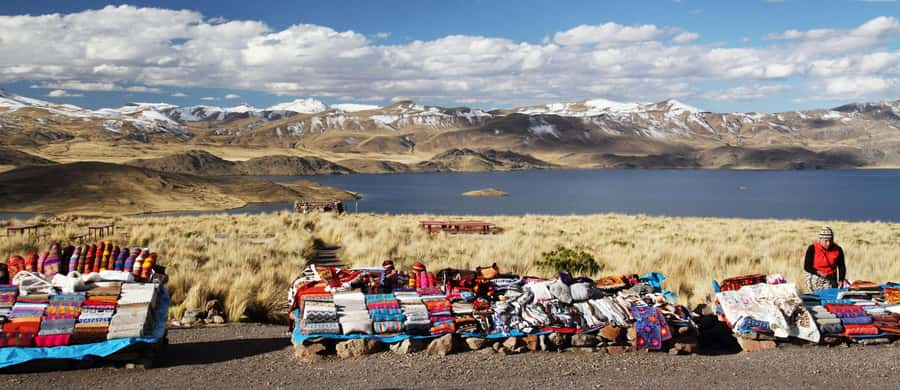
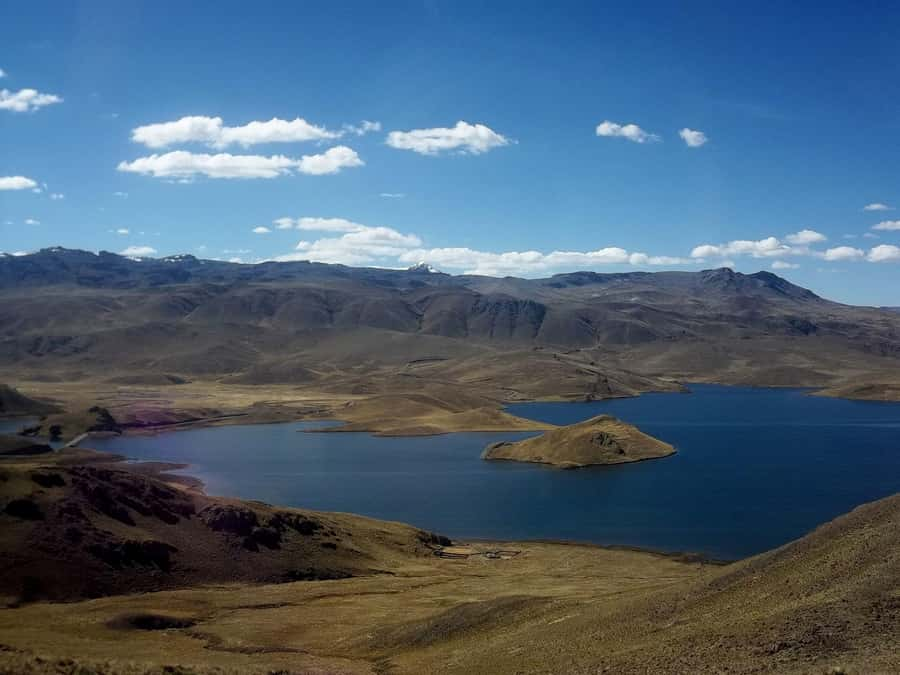
The final major stop is Lagunillas. From the viewpoint, small lakes spread across the high country, with a setting that feels very different from the steep walls of Colca Canyon.
The lakes are habitat for flamingos, Andean gulls, ducks, and other birds. As with the vicuñas, sightings depend on the day. Bring binoculars if you have them, although the tour information only requires basic items such as sunglasses, sunscreen, water, comfortable clothing, and comfortable shoes.
Lagunillas is a fitting last stop because it gives the journey another visual change before Puno. You move from canyon walls to open puna and small mountain lakes, then continue toward the city.
What the $145 Price Really Covers
At $145, the tour offers solid value if you need the Arequipa to Puno connection and want to see Colca Canyon along the way.
Included are:
- Hotel pickup in central Arequipa
- Transportation during the tour
- An English or Spanish-speaking professional guide
- Breakfast at the Chivay accommodation
- One night in a Chivay hotel
You should budget separately for the Colca Canyon entrance fee, lunch on both days, dinner, the optional hot springs, and your transfer from Puno’s Plaza de Armas to your hotel.
The missing hotel drop-off is the most practical detail to note. It is not a major problem, but arriving after 7:00 pm with luggage means you should know exactly how you will reach your accommodation.
The tour also does not allow oversized luggage. Bring a small bag for the two days and arrange separate storage for larger cases if needed.
Altitude, Clothing, and Daily Comfort
The altitude is the main physical concern. Arequipa is at 2,325 meters, Chivay at 3,600 meters, Patapampa at 4,800 meters, and the Patahuasi viewpoint at about 4,950 meters.
You may feel fine at one stop and uncomfortable at another. Keep your walking slow, drink water, and use the free afternoon in Chivay to rest if needed.
Wear comfortable clothes in layers. Temperatures can change quickly between the sunny road, cold viewpoints, and the vehicle. Sunglasses and sunscreen are essential because high-altitude sunlight can be strong.
Comfortable shoes matter even though the itinerary is not a demanding trek. You will want stable footwear at viewpoints and village stops. The tour is not suitable for wheelchair users.
Who Should Choose This Tour
I would choose this trip if you want to travel from Arequipa to Puno and prefer a scenic route over a direct transfer. It suits people who want condors, wildlife, volcanoes, villages, and high-altitude views in a short period.
It also works well if you prefer having transport and guiding arranged for you. The English or Spanish guide can connect the stops, while you focus on the scenery and timing.
I would think twice if you need a slow, private experience, dislike early starts, or react badly to altitude. The schedule is full, and the second day combines an early canyon excursion with a long afternoon bus ride.
It is also less suitable if you need door-to-door service in Puno or plan to bring large luggage. Those details require your own arrangements.
Should You Book It?
Book this tour if you want the most useful version of a Colca Canyon visit: condors, villages, terraces, high reserves, and a direct onward route to Puno. The price is reasonable once you count the included transport, guide, breakfast, and Chivay hotel night.
Skip it if you want a relaxed canyon stay or need full control over every stop. Before booking, confirm the hotel name, the Colca entrance fee, luggage arrangements, and how you will get from Puno’s Plaza de Armas to your accommodation. If those points work for you, this is a practical and scenic two-day link between southern Peru’s major destinations.
FAQ
Where does the tour start?
Pickup is from accommodation in central Arequipa at around 8:00 am. If your accommodation is outside the city center, a meeting point will be arranged.
Where does the tour finish?
The tour finishes at Puno’s Plaza de Armas between about 7:00 and 7:30 pm on day two.
Is hotel drop-off in Puno included?
No. Drop-off at your hotel in Puno is not included, so you need to arrange transport from the Plaza de Armas.
Is accommodation in Chivay included?
Yes. The tour includes one night in a hotel in Chivay and breakfast at the accommodation.
Are meals included?
Breakfast is included. Lunch and dinner in Chivay are not included, so you should budget for them separately.
Is the Colca Canyon entrance fee included?
No. The entrance fee to Colca Canyon is not included in the tour price.
Can I visit the hot springs?
Yes. You have free time in Chivay to visit the hot springs, but entrance is optional and costs extra.
What languages are available?
The live guide is available in English or Spanish.
Can I bring oversized luggage?
No. Oversized luggage is not allowed. Pack a smaller bag for the two-day trip.
Just added around Chivay
- Tour Fullday Colca Canyon with Breakfast and Typical Lunch★ 4.3 · 35 reviews
- Offer Price: Colca Canyon One Day in Arequipa with Breakfast★ 4.5 · 4 reviews
- Full Day Trip to Colca Canyon from Arequipa ending in Puno★ 4.5 · 4 reviews
- Full day excursion to Colca Canyon★ 4.2 · 6 reviews
- From Puno: 2-Day Tour to Colca Canyon ending in Arequipa★ 4.1 · 4 reviews
- From Arequipa Trek : 2-Days of Hiking in the Colca Canyon★ 4.5 · 35 reviews
- From Arequipa: Tour Colca Canyon 2 Days with End in Puno★ 4.2 · 12 reviews
- From Arequipa: One Day Trip to Colca Canyon Ending in Puno★ 4.0 · 14 reviews
Colca Canyon Tours, compared.
2-Day Tour Colca Canyon in Arequipa with end in Puno
Read our review →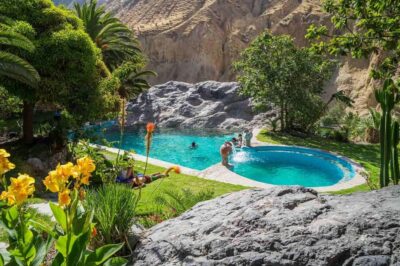
Browse the lists this tour appears in