
Reviewed · SACSAYHUAMAN & CUSCO RUINS TOURS
Cusco : City Tour of 4 Ruins and Sun Temple
The tour’s big draw is its quick sweep through Cusco’s Inca highlights, from the polished stonework of Coricancha to the giant blocks at Sacsayhuamán and the water channels of Tambomachay. You get ancient temples, military sites, carved rock, Spanish colonial layers, and wide views without arranging separate taxis.
I like the low $16 price and the fact that transport and a bilingual guide are included. I also like the practical five-hour route, which lets you see sites spread above and outside the city in one outing. The main catch is time: some stops can feel hurried, and shopping visits have reduced sightseeing time on some departures.
Key points to know before you book
- Coricancha combines Inca stonework with a Spanish colonial church, making it the most layered stop of the day.
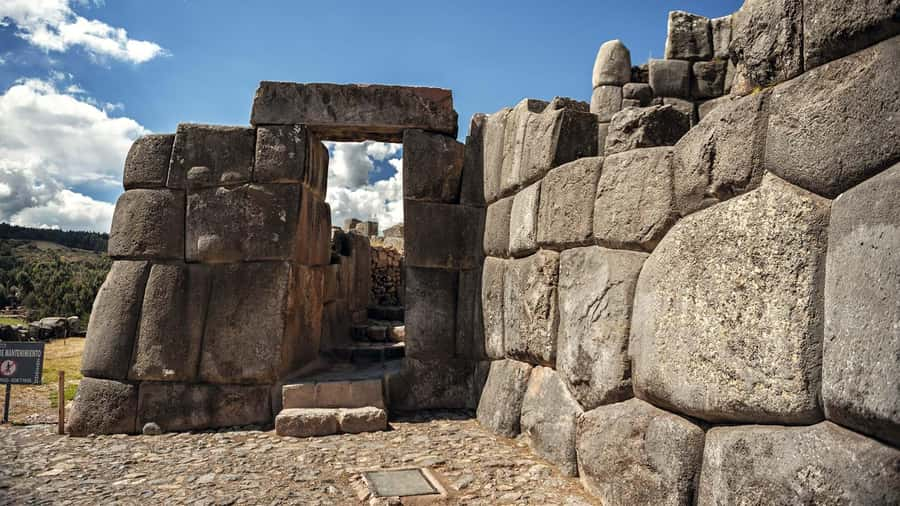
- Sacsayhuamán is the visual star, with enormous fitted stones and broad views over Cusco.
- Qenqo is short but unusual, centered on carved rock, channels, and ceremonial spaces.
- Tambomachay gives the tour its water-and-ritual theme, with spring water flowing through stone channels.
- Puca Pucara explains Cusco’s defenses, though the visit may be brief depending on the day’s pace.
- Entry tickets cost extra, so carry Peruvian soles for the 15-sol Coricancha fee and 70-sol partial Tourist Ticket.
What this Cusco ruins tour really covers
This is a half-day orientation to the Inca sites around Cusco. It is not a slow archaeological study, and it is not designed for long independent wandering. You move by tourist van between sites, listen to the guide, take photographs, and use short periods of free time to look around.
The morning departure begins at 9:00 a.m. from a designated point, with Coricancha scheduled from about 9:15 to 10:15. The afternoon version begins at 1:00 p.m. and returns around 6:30 p.m. Pickup is included from hotels near Cusco’s historic center, although the exact meeting point is coordinated the day before.
That arrangement matters in Cusco. The main sites are not all within easy walking distance of one another, and the climb toward the high ruins is better handled by transport than by spending your limited sightseeing time finding taxis.
The tour is offered in English and Spanish. A guide named Yako has been praised for caring service and useful explanations of Inca civilization, though the quality of the English commentary can vary by departure. On a bilingual tour, you may hear each explanation twice, which takes time. Ask politely if you need a point repeated in English.
More City Tours in Cusco
- Cusco: Half-Day City Tour with Sacsayhuaman and Q’enco
★ 4.6 · 1,129 reviews - City Tour Cusco Qoricancha Sacsayhuaman y Tambomachay
★ 4.7 · 617 reviews - Cusco: Sightseeing Tour of the City on an Open-Top Bus
★ 4.0 · 481 reviews
Coricancha: where Inca stone meets colonial Cusco
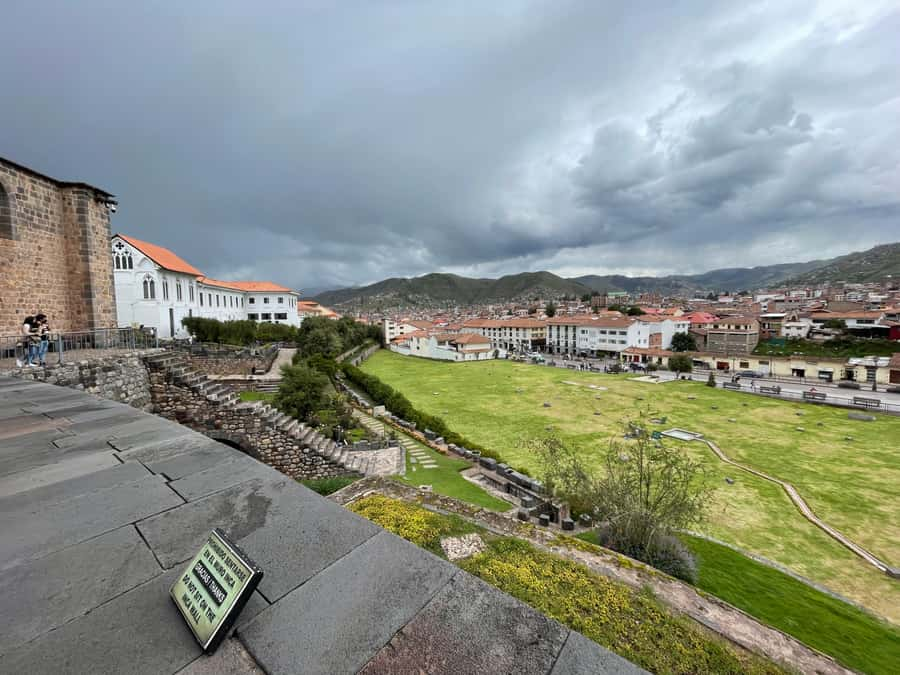
Coricancha is the strongest opening stop because it puts two eras in the same frame. The site was the great Inca temple dedicated to the Sun God. After the Spanish conquest, a colonial church was built over and around the sacred complex.
Look closely at the stonework. The Inca walls use carefully cut blocks fitted so tightly that the joints are hard to see. Above and around them, the colonial structure gives the place a very different feel. You are not simply looking at a ruined temple. You are seeing how Spanish Cusco was built directly on top of Inca Cusco.
The guided visit lasts roughly 40 to 60 minutes, depending on how the schedule is running. Admission is not included. The stated price is 15 soles for Coricancha, paid at the entrance in Peruvian currency.
I would give this stop your full attention. It is easy to get distracted by the colonial decoration or by taking photographs, but the contrast between the low, precise Inca walls and the later building is the point. If you have only one stop where the two cultures are physically joined, this is it.
The walking portion from the pickup area is about 10 minutes. Wear shoes that are comfortable on uneven surfaces, and keep your camera ready. The visit begins in the city, so it is also a useful introduction before the van carries you to the larger ruins above Cusco.
Sacsayhuamán: giant stones and the best city views
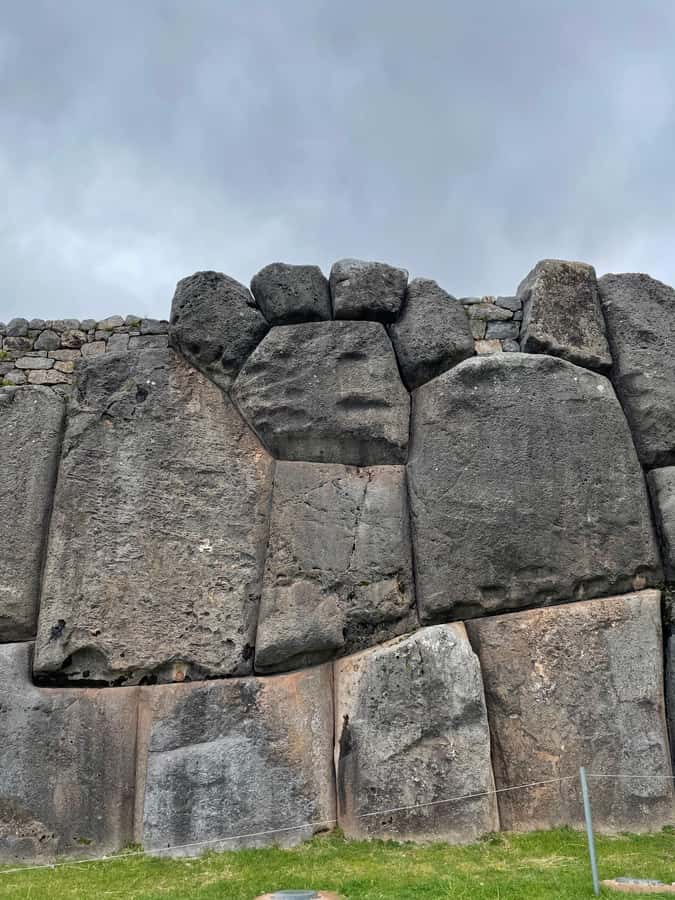
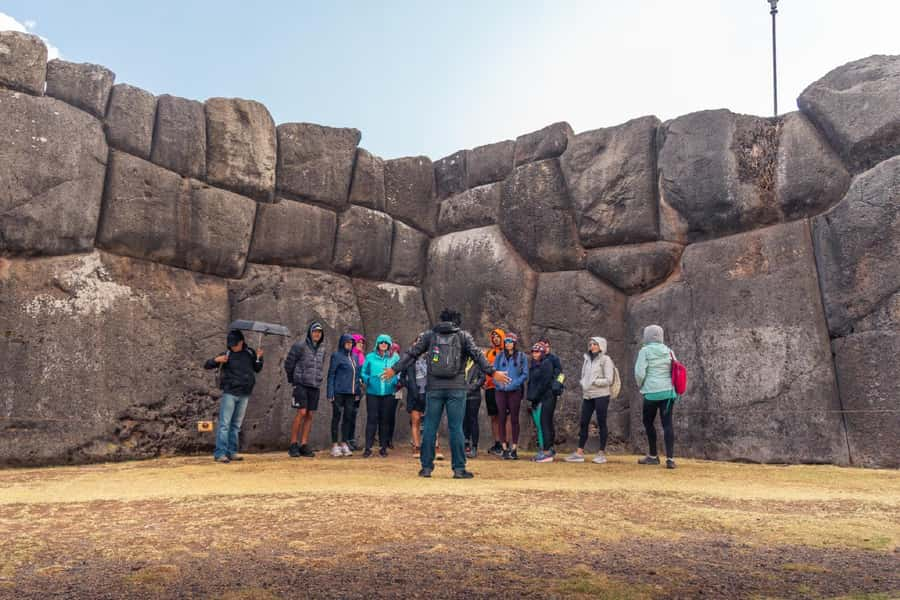
Sacsayhuamán is the stop most likely to make you pause. Its massive carved blocks are the reason many people remember this tour. The stones are fitted into broad zigzag walls, and the scale is difficult to grasp from a photograph.
The site also gives you a commanding view of Cusco. From here, the city spreads below in a bowl of rooftops and hills. That view helps explain why this was more than a ceremonial place. Its height and position gave it strategic value as well as symbolic power.
The scheduled visit is about 40 to 45 minutes, including guided sightseeing and some free time. In practice, the length can shrink if the group is delayed at earlier stops or spends time at unscheduled shopping locations. One departure reportedly spent only about 15 minutes here, which is a serious loss because Sacsayhuamán needs room for walking and photographs.
This is where I would keep an eye on the clock. If you have been promised free time, use it for the main stone walls and the city view rather than browsing nearby stalls. Ask your guide how much time remains before the group returns to the van.
You may hear the name written as Saksaywaman, Sacsayhuamán, or Saqsaywaman. They refer to the same archaeological complex. The spelling changes, but the huge masonry does not.
Qenqo: a compact ceremonial site with carved rock
Qenqo is a different sort of stop. It does not rely on giant walls or wide city views. Its interest comes from carved rock formations, channels, and spaces connected with ceremony.
The planned visit lasts about 20 to 45 minutes, depending on the departure schedule. That is enough for a guided look, but not much time for wandering. The site has a maze-like quality, and the carved surfaces reward close attention more than quick snapshots.
Your guide can help explain how water and stone were used in ritual settings. Without that context, Qenqo may look like a collection of unusual rocks. With a good explanation, the channels and carved spaces become the main story.
This is one of the places where a bilingual explanation can feel rushed. If the English portion is shorter, ask a direct question before the group moves on. A short question about the carved rock or the water channels can make the visit much more useful.
More Inca ruins above Cusco:
- Cusco City Sightseeing, San Pedro Market, Cathedral and Qorikancha Temple
★ 4.5 · 139 reviews - Cusco: 3-Hour Horse Riding Tour to the Temple of the Moon
★ 5.0 · 105 reviews - Cusco City Sightseeing and Sacsayhuaman Archeological Park Tour
★ 4.5 · 101 reviews - Horse Riding Chacan Mountain And Temple Of The Moon
★ 5.0 · 78 reviews
Tambomachay: water running through Inca stone

Tambomachay brings a calmer rhythm to the route. It is known for its water sources, with water flowing through carefully built stone channels. The site is associated with purification and ritual use, so the movement of water is central to what you are seeing.
The visit is scheduled for about 45 minutes to an hour. You may have time to walk, take photographs, and listen to the guide explain the channels. Compared with Sacsayhuamán, the scale is smaller, but the details are more intimate.
Bring a waterproof layer in the rainy season. A poncho can be bought in Cusco’s main plaza if needed, but it is wiser to pack light rain gear before leaving. Wet stone and muddy ground can make ordinary city shoes less pleasant, so hiking shoes or sturdy walking shoes are a good choice.
Tambomachay is also a reminder that Inca engineering was not only about walls and fortresses. Water was directed, framed, and given meaning. You can see the practical construction and the ritual purpose in the same compact site.
Puca Pucara and the final Cusco views
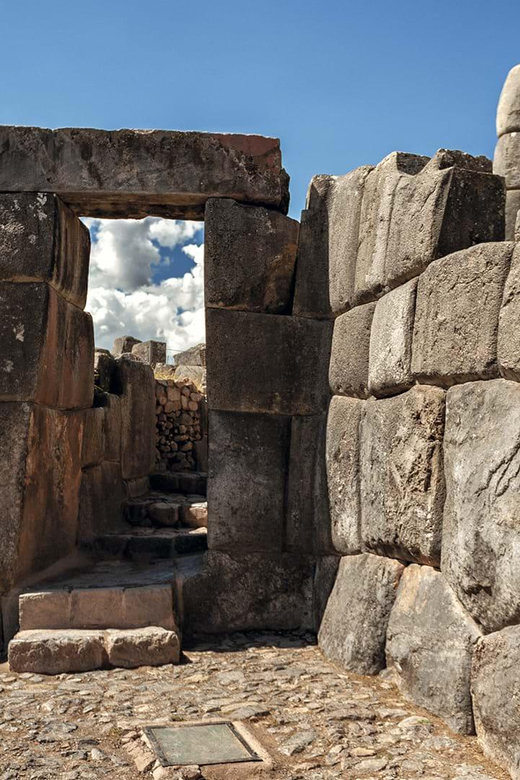
Puca Pucara is described as a military fortress and strategic control point. Its position gives you another broad view and helps complete the military side of the tour after the ceremonial focus of Qenqo and Tambomachay.
The schedule places this stop at the end, usually around 20 to 30 minutes. The visit may be brief, but it gives you a final chance to look across the surrounding area and understand how the sites worked together as part of the approach to Cusco.
The supplied route description lists Puca Pucara clearly in the morning and afternoon schedules, while the detailed transport sequence refers to a final stop in the Cusco Region. Confirm the final stop with your guide at the beginning, especially if you are keen to see Puca Pucara rather than simply pass through the area.
Afterward, the van returns you to the city, with the listed finishing point on Calle Plateros. The route is useful if you plan to continue sightseeing, eat, or return to a hotel near the historic center.
The real value of a $16 half-day
At $16 per person, this tour is priced as a practical transport-and-guide service rather than a full all-inclusive sightseeing package. That is good value if you want the main sites without negotiating separate rides or joining several different excursions.
The price does not include entry tickets. Plan on 15 soles for Coricancha and 70 soles for the partial Tourist Ticket covering the archaeological sites. Tickets can be purchased at the entrance to an archaeological site, and payment is made in soles.
That extra cost changes the total budget, but it is still a sensible way to see several major locations in one half-day. Carry enough cash, since the instructions specifically direct you to pay in local currency. Do not assume your $16 covers every gate.
The other value question is time. A low fare is less attractive if shopping stops replace the ruins. Some departures have included an alpaca clothing shop, a textile business, books offered on the bus, or liquor offered for sale. These pauses are not part of the core archaeological route, and they can eat into the already short visits.
If shopping is not your goal, ask at the start if any commercial stops are planned. You can also remind the guide that your priority is the scheduled sites. The guide’s response will give you a quick sense of how the outing will run.
Timing, transport, and the altitude question
The tour lasts about five hours, but the day is divided into short blocks. Expect roughly 10 minutes on foot at the beginning, a 15-minute van ride to Sacsayhuamán, a short transfer to Qenqo, about 20 minutes to Tambomachay, and additional driving between the final stops and Cusco.
This is not a flat city walk. Cusco is high, and the ruins sit at higher points around the city. The activity is not suitable for people with altitude sickness, so do not treat the short walking times as proof that the outing is physically effortless.
Wear comfortable shoes, preferably hiking shoes or sturdy walking shoes. Long pants, breathable clothing, a long-sleeved shirt, biodegradable sunscreen, and a hat or rain layer are sensible choices. Bring a charged smartphone, camera, identification, and cash.
Children under three, babies under one, and people over 95 are listed as unsuitable for the activity. Baby strollers and carriages are not allowed. You should also avoid bringing anything prohibited, including explosive substances, which seems obvious but is still part of the stated safety guidance.
The tour offers free cancellation up to 24 hours before departure, and you can reserve now and pay later. Those terms help if your Cusco plans depend on altitude adjustment or changing weather.
Who gets the most from this outing
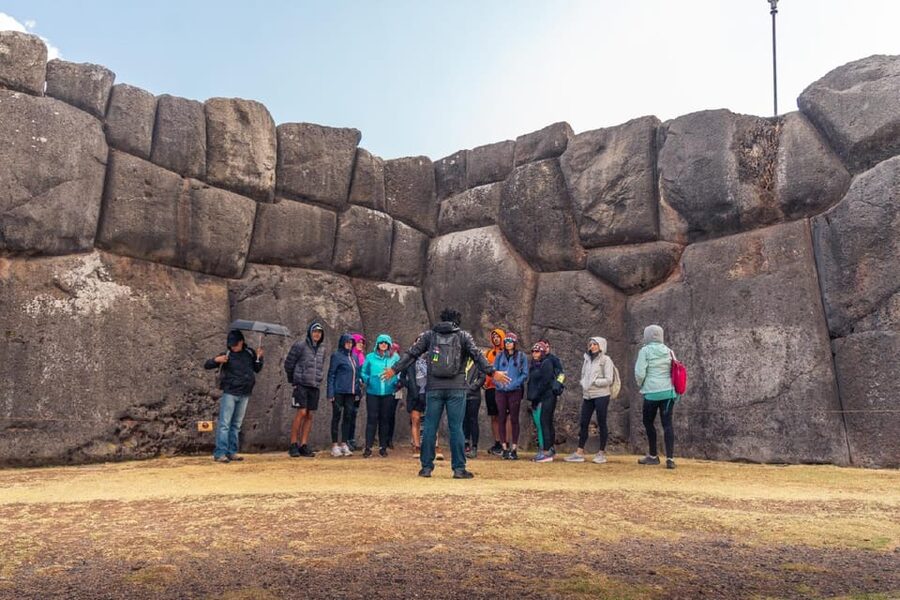
I would choose this tour if you have one open half-day and want a broad first look at the Inca sites around Cusco. It suits someone who values efficient transport and basic historical explanation more than long periods at each ruin.
It also works well early in a Cusco stay if you want to learn the layout of the area before making longer visits. Coricancha gives you a city-based start, while the outer ruins show the scale and variety of the Inca sites.
I would be more cautious if Sacsayhuamán is your main reason for booking. Forty-five minutes is already a modest visit, and a shopping stop or slow departure can cut it sharply. In that case, ask before departure how the guide protects the time at each ruin.
The tour is less suitable if you dislike commercial stops, need a slow pace, or want detailed archaeology at every site. The route covers a lot, but coverage is not the same as depth.
Should you book PeruVibes?
Book it if you want a low-cost, bilingual, five-hour circuit that handles transport to Coricancha, Sacsayhuamán, Qenqo, Tambomachay, and Puca Pucara. The guide can add useful context, and Yako has been specifically praised for being caring and informative.
Skip it if you want complete control over your time or would be frustrated by possible textile and souvenir stops. The best way to protect the value is to carry soles for admission, wear proper shoes, ask about the day’s schedule, and make clear that the archaeological sites are your priority.
At $16 before entrance fees, it is a sensible introduction to Cusco’s major ruins. Just book it as a brisk overview, not as an unhurried archaeological day.
FAQ
How long does the Cusco ruins tour last?
The activity lasts about five hours. The morning departure runs from approximately 9:00 a.m. to 2:00 p.m., while the afternoon departure runs from about 1:00 p.m. to 6:30 p.m.
Which sites are visited?
The route includes Coricancha, Sacsayhuamán, Qenqo, Tambomachay, and Puca Pucara. The tour also includes transportation through the Cusco Region and returns to the city.
Are entrance tickets included?
No. Coricancha costs 15 soles, and the partial Tourist Ticket costs 70 soles. You can buy tickets at the entrance to an archaeological site, and payment is made in soles.
Is hotel pickup included?
Pickup is included from hotels near Cusco’s historic center. The provider contacts you a day in advance to coordinate pickup or arrange a meeting point.
What languages are available?
The live guide service is available in English and Spanish. Explanations may be given in both languages during the same tour.
What should I bring?
Bring your passport or identification, comfortable or hiking shoes, a camera, biodegradable sunscreen, breathable clothing, long pants, cash, a charged smartphone, and rain protection during the wet season.
Is the tour suitable for everyone?
The activity is not suitable for children under three, babies under one, people with altitude sickness, or people over 95. Baby strollers and carriages are not allowed.
Just added around Cusco
- Waqrapukara 1 day trekking + meals★ 3.9 · 3 reviews
- Visit to the Cochahuasi Animal Sanctuary with rescued animal★ 4.1 · 4 reviews
- Vinicunca Mountain Tour – Full Day Tour to Rainbow Mountain★ 3.4 · 4 reviews
- Valle Sur Cusco | half day★ 4.3 · 3 reviews
- Trek to Humantay Lake from Cusco★ 4.9 · 8 reviews
- Trek to Choquequirao 4 days★ 3.8 · 4 reviews
- rainbow mountain full day★ 5.0 · 44 reviews
- Tour to the HUMANTAY LAGOON from CUSCO★ 5.0 · 35 reviews
Sacsayhuaman & Cusco Ruins Tours, compared.
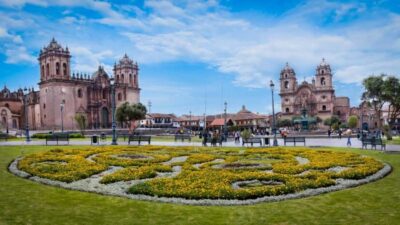
Half-Day City Tour with Sacsayhuaman and Q’enco
Read our review →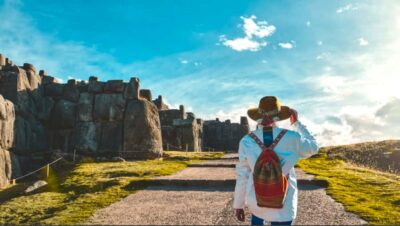
City Tour Cusco Qoricancha Sacsayhuaman y Tambomachay
Read our review →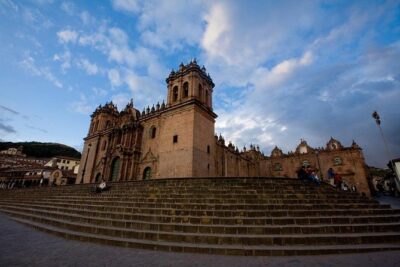
Cusco City Sightseeing, San Pedro Market, Cathedral and Qorikancha Temple
Read our review →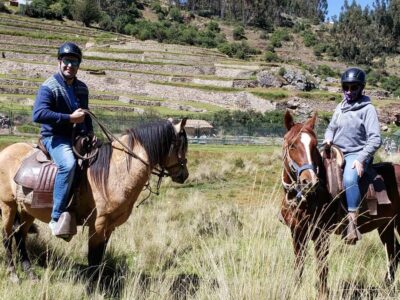
3-Hour Horse Riding Tour to the Temple of the Moon
Read our review →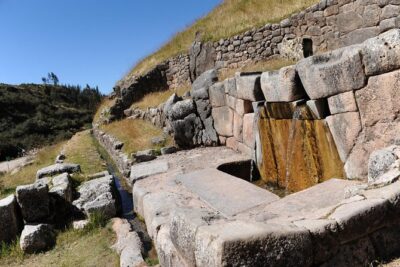
Cusco City Sightseeing and Sacsayhuaman Archeological Park Tour
Read our review →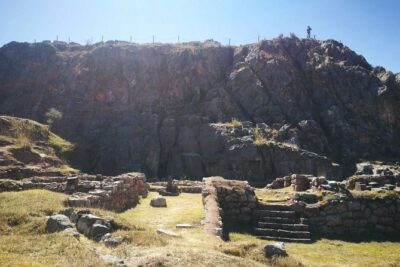
Horse Riding Chacan Mountain And Temple Of The Moon
Read our review →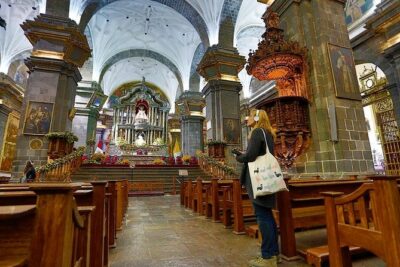
Cusco 4-Hour Private Tour Including Sacsayhuaman and Qenqo
Read our review →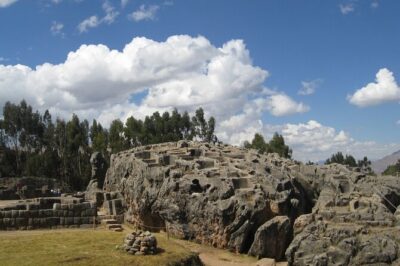
Sacsayhuaman Temple, Tambomachay and Puca Pucara Half-Day Tour
Read our review →Browse the lists this tour appears in