
Reviewed · STARGAZING & PLANETARIUM TOURS
Planetarium Cusco OFFICIAL SITE: Andean Astronomy experience
The best part of Planetarium Cusco is the link between Inca sky knowledge and modern astronomy. You begin with the way Andean people understood the heavens, then see the southern sky recreated inside a dome before heading outdoors to look through telescopes.
I like the clear two-hour schedule and the small-group setting. I also like that round-trip transport from Regocijo Square is included, saving you a walk to an outlying site after dark. The main drawback is simple: clouds may cancel the telescope session, and anyone already well versed in astronomy may find the presentation basic.
Key points to know before booking
- Inka constellations take center stage: The presentation explains the southern sky through the cosmovision of the Andes, not only through modern star charts.
- The tour begins at 17:30: Meet beside the fountain in the middle of Plaza Regocijo, close to Cusco’s main square.
- A dome projection leads into stargazing: The indoor show is the reliable part, while telescope viewing depends on the weather.
- Small groups keep the visit personal: The group format is social, but the experience is not designed as a private tour.
- Warm clothing matters: The outdoor portion takes place at night, and blankets are available inside if you feel cold.
- The price is $28 per person: That includes transport, the astronomy presentation, dome projection, and telescope session when conditions permit.
From Plaza Regocijo to the Andean night sky
Your evening starts at 17:30 in the middle of Plaza Regocijo, beside the fountain. This is a useful meeting point because the plaza is very close to Cusco’s main Plaza de Armas, so you can reach it easily from the historic center.
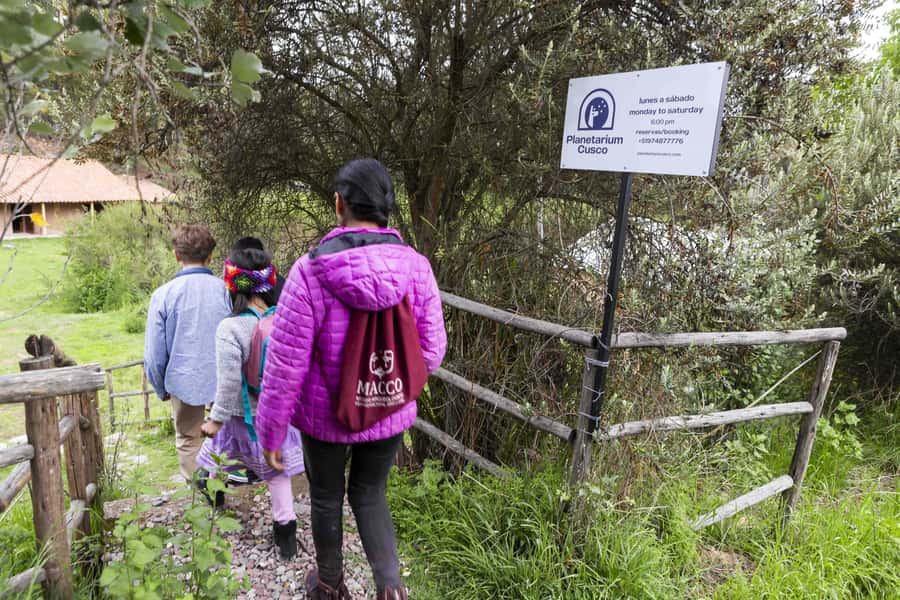
You meet the English- or Spanish-speaking guide there, then walk a short distance to the vehicle. The ride to Planetarium Cusco takes about 10 to 15 minutes. That small transfer matters more than it may sound: you do not have to arrange a taxi, and you return to the same central part of town at the end.
The schedule places arrival at about 18:05. The exact timing can shift if the team is trying to make the most of clear skies. That flexibility is sensible. Astronomy cannot be forced into a strict timetable, and a few extra minutes outdoors may be worthwhile if the clouds begin to break.
This is a group experience, not a private outing. The listed rating is 4.3 from 32 ratings, with several high marks for the friendly welcome, smooth pickup, clear English, and intimate group size. If you want exclusive attention or control over the schedule, contact the provider about a private service before booking.
More stargazing and planetarium nights:
- Cusco by Night: Planetarium Cusco, Dinner, and Pisco Sour
★ 5.0 · 75 reviews - Cusco: Planetarium and Night Tour with Dinner and Pisco Sour
★ 4.9 · 9 reviews - Planetarium Cusco Trip
★ 3.8 · 4 reviews
Inside the interpretation rooms
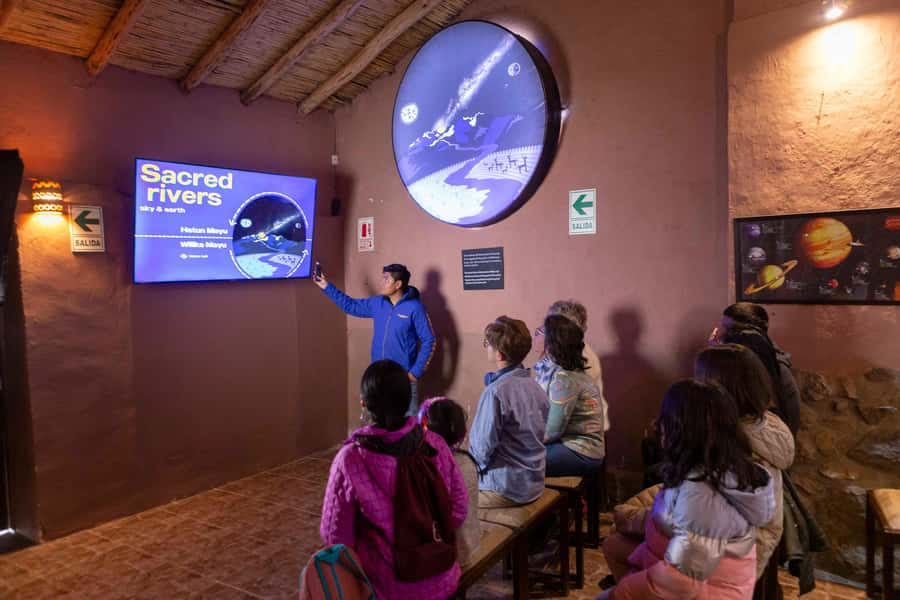
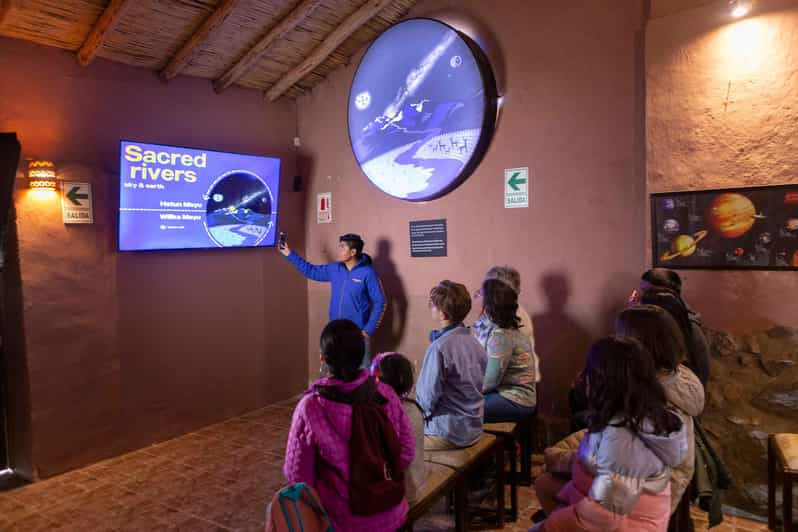
The first part at the planetarium introduces Inca astronomy through interpretation rooms. This is where the experience earns its cultural value.
The Incas did not treat the sky as a distant scientific subject. The movement of the sun, moon, stars, and dark shapes in the Milky Way helped shape calendars, ceremonies, farming practices, and ideas about the relationship between people and the natural world. The presentation gives you a way to understand that outlook before the stars are projected above you.
That context is important. Without it, a telescope can become a quick look at a bright point of light. With it, the evening connects observation to the beliefs and daily life of the Andean world.
The presentation is intended for a general audience. If you have only a passing interest in astronomy, you should find the material approachable. If you have already studied astronomy in detail, the basic explanations may feel slow. One low rating specifically came from someone who felt the experience would not offer enough to a person already familiar with the subject.
I would treat that as a useful warning rather than a reason to dismiss the tour. This is not an advanced astronomy course. It is a cultural introduction with a visual presentation and an optional telescope session.
The dome and the southern sky
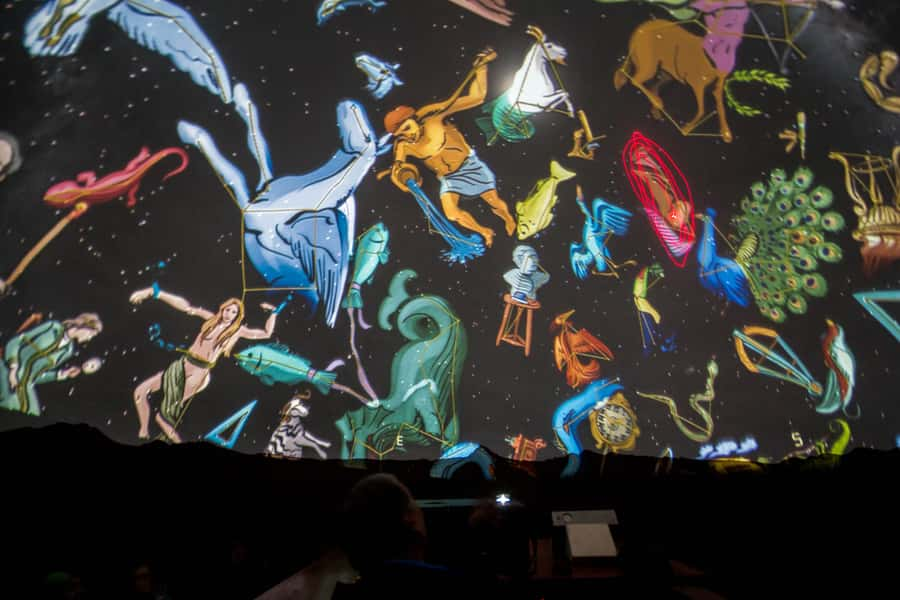
At about 18:40, you move into the dome for a virtual projection of the southern sky. This is the visual heart of the visit.
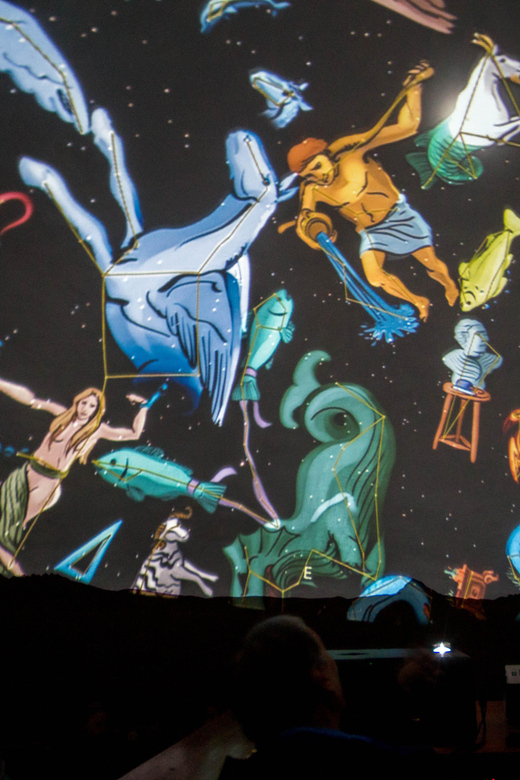
The projection shows Inka constellations and explains their place in Andean thought. The advantage of the dome is consistency. Clouds, moonlight, and city conditions cannot interfere with this part, so you still receive a complete presentation even if outdoor viewing later fails.
The southern sky is especially meaningful in Cusco. Many visitors arrive familiar with the constellations of the northern hemisphere, yet the stars above Peru tell a different story. The dome helps you get oriented and gives you a reference point for the real sky outside.
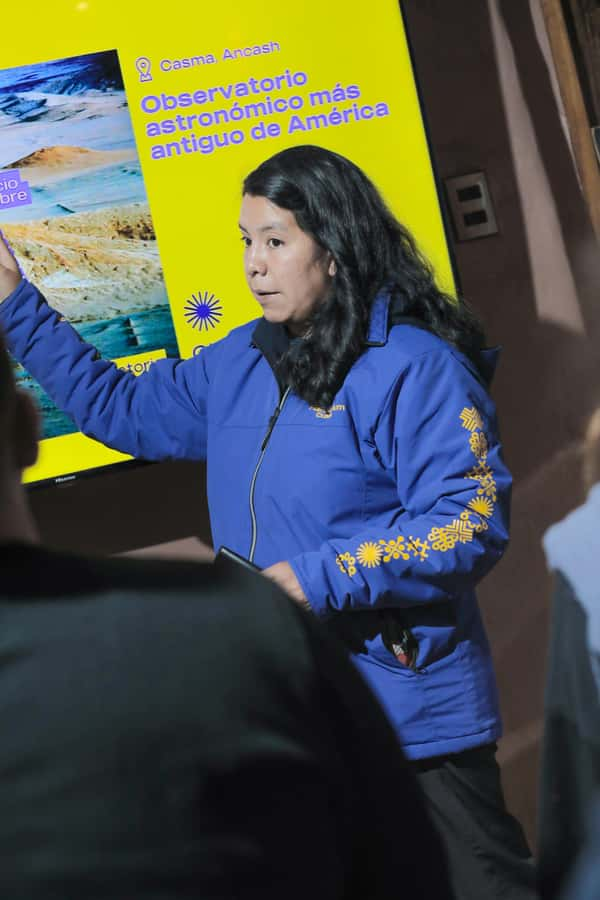
The presentation is supported by storytelling rather than a silent visual show. The guides explain the constellations and their significance as the projection unfolds. Past sessions have been praised for humor, strong English, and an easy family atmosphere. That tone can make a difference, especially if you are visiting with someone who is curious about Inca culture but not normally interested in astronomy.
One practical tip is to arrive ready to sit for a while. A blanket is available if you feel cold, and sitting near the entrance may make it easier to get one. Warm clothing is still the better plan. Cusco evenings can feel cool, and the outdoor portion is the part you should dress for.
Telescopes under the Andean sky
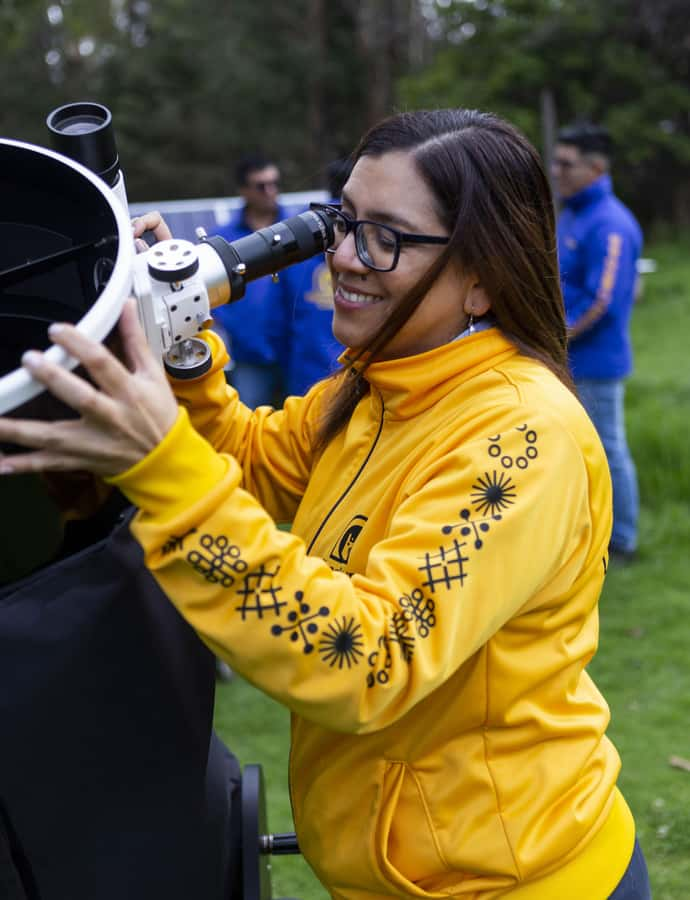
After the dome presentation, the group heads outside for stargazing. This is the least predictable part of the evening and potentially the most memorable.
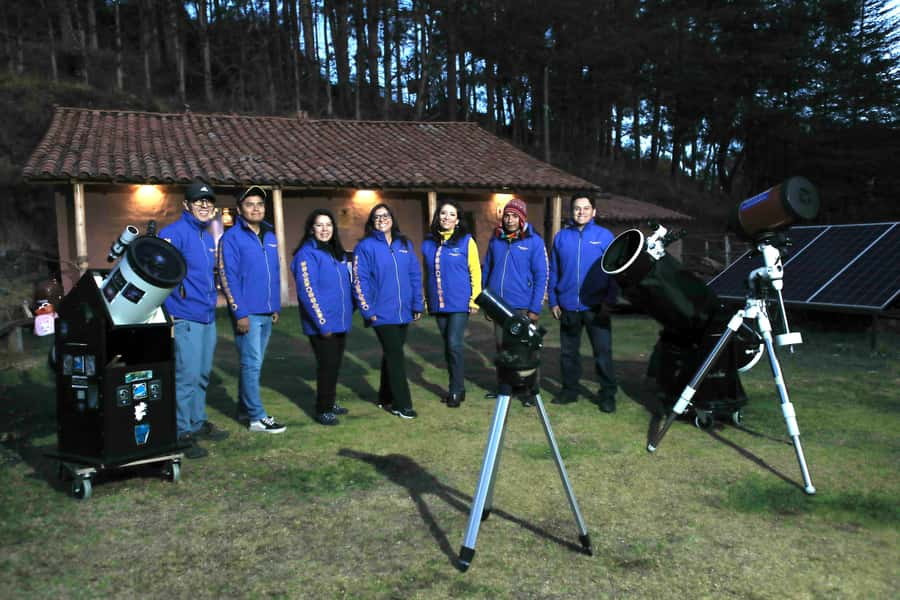
The telescopes may be used to view stars, planets, and other objects when the sky is clear. One especially striking session included a view of Saturn’s rings, even though the sky was cloudy. That is not something you should expect on every visit, but it shows why the outdoor portion can reward patience.
Weather remains the key condition. Clouds may prevent any telescope viewing, as happened during another visit. The indoor presentation continues in that case, but the experience is less complete if you were hoping for live observation.
The guides try to make the most of changing conditions. If a brief opening appears, they may adjust the timing to take advantage of it. Still, no operator can guarantee stars or planets. I would book this for the astronomy story and dome first, then treat the telescope session as a welcome extra.
That mindset protects you from the main disappointment. You are not buying a guaranteed view of Saturn, the Southern Cross, or a particular planet. You are buying an evening that combines interpretation, a controlled sky projection, and a chance to observe the real sky.
A few more Cusco days worth weighing up
- Cusco: Humantay Lake Tour with Breakfast and Buffet Lunch
★ 4.9 · 2,976 reviews - Cusco: Half-Day City Tour with Sacsayhuaman and Q’enco
★ 4.6 · 1,129 reviews - From Cusco: Vinicunca Rainbow Mountain ATV Tour with Meals
★ 4.6 · 1,060 reviews - City Tour Cusco Qoricancha Sacsayhuaman y Tambomachay
★ 4.7 · 617 reviews
What the $28 price includes
At $28 per person, the cost is reasonable if you value a guided cultural activity with transportation. The fee covers the ride from Regocijo Square and back, the introduction to Inca astronomy, the dome projection, and telescope viewing when weather permits.
You are also paying for a structured evening that would be difficult to arrange alone. A self-guided attempt would require finding the site, organizing transport, and learning enough background to understand the Andean constellations. The group format keeps the price below what a private astronomy outing would usually cost, while still allowing direct contact with the guides.
The value is weaker if your sole goal is advanced stargazing. The content is introductory, and the outdoor session is weather dependent. Someone with serious astronomy experience may prefer a more technical program.
For most visitors, I see the strongest value in the combination of subjects. You get Cusco culture, Inca ideas about the sky, a visual show, and the possibility of telescope viewing in one short evening. It also fills a useful gap in a Cusco itinerary. The tour runs after many daytime sightseeing activities, and the return to the city is scheduled for about 19:40.
Food is not included, but the two-hour length means this is easy to fit around dinner. Plan ahead if you want to eat immediately after returning to central Cusco.
Who will enjoy this evening most
I would recommend Planetarium Cusco to you if you want an activity that goes beyond churches, ruins, and museums. The experience gives you cultural background without requiring a full day, and the astronomy theme offers a different way to think about the Andes.
It suits:
- First-time visitors who want a clear introduction to Inca astronomy
- Couples looking for a quiet evening activity
- Families with children aged seven or older
- People curious about both science and Andean culture
- Anyone who enjoys guided storytelling and night-sky viewing
Children under seven are not accepted. Unaccompanied minors are also not allowed. Pets cannot join, except for assistance dogs.
You should think twice if you want a private, highly technical astronomy lesson. The service is group-based, and the explanations are aimed at broad understanding rather than specialist study. Audio recording is not allowed, and alcohol and drugs are prohibited.
The language choice is English or Spanish. That makes the experience practical for international visitors, although you should select the language you need when booking or contact the provider if you have questions.
Tips for making the two hours better
Wear comfortable shoes because you walk from the meeting point to the vehicle and may spend time outside at the planetarium. Add a warm layer, even if the early evening in central Cusco feels mild.
Arrive before 17:30 rather than cutting it close. The group meets in the middle of Plaza Regocijo, next to the fountain, and the vehicle departure follows a short walk. Missing the group could be awkward once it leaves.
Keep your expectations flexible on cloudy nights. The dome can still provide a strong presentation, but live stargazing is never guaranteed. If you are especially eager to use the telescope, check the forecast and accept that conditions may change during the evening.
You may want to ask about a private service if you prefer a slower pace or have a specialist interest. The standard option is a group service, which keeps the cost moderate and creates a friendly, shared atmosphere.
The cancellation terms are forgiving: you can cancel up to 24 hours in advance for a full refund. You can also reserve now and pay later, which helps if your Cusco plans depend on altitude adjustment, weather, or changing day tours.
Should you book Planetarium Cusco?
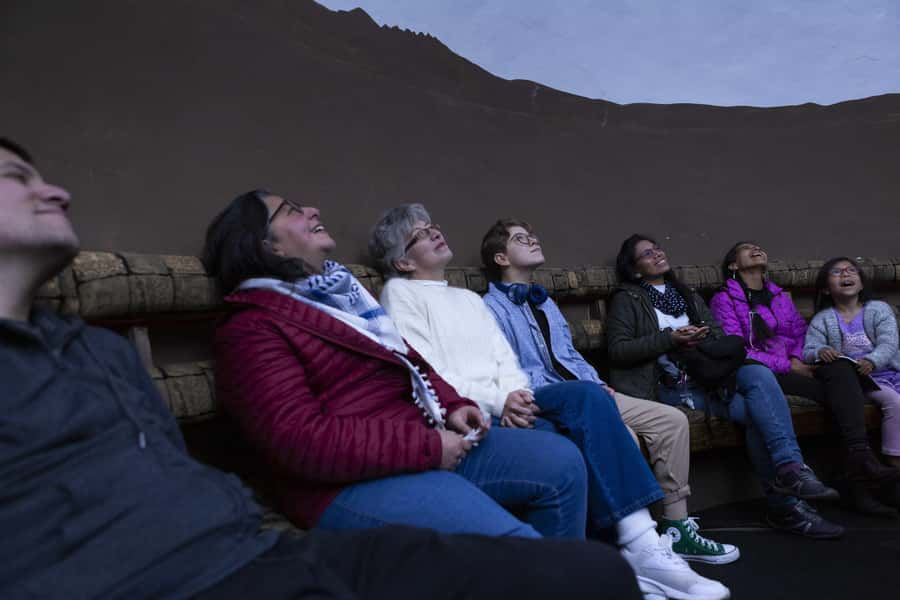
Book it if you want a compact evening that links Andean culture with practical astronomy. The dome presentation gives the visit a reliable core, while the telescope session adds real excitement when the sky is clear. The smooth central pickup, small groups, warm welcome, and good English support make it easy to fit into a Cusco stay.
Skip it if you already have advanced astronomy training and want technical depth, or if a cloudy evening would ruin the outing for you. For everyone else, $28 is a fair price for a focused cultural experience with transport and a genuine chance to see the southern sky.
FAQ
Where do I meet for Planetarium Cusco?
Meet at 17:30 in the middle of Plaza Regocijo, next to the fountain. The plaza is very close to Cusco’s main square.
How long does the experience last?
The activity lasts about two hours. The planned return to central Cusco is around 19:40, although the schedule may change to improve stargazing conditions.
Is transportation included?
Yes. Round-trip transportation from Plaza Regocijo is included. The ride to the planetarium takes about 10 to 15 minutes.
Is telescope viewing guaranteed?
No. Telescope stargazing depends on weather conditions. The indoor dome projection and astronomy presentation still take place if clouds prevent outdoor viewing.
What languages are available?
The live tour guide service is available in English and Spanish.
What should I bring, and who cannot join?
Bring comfortable shoes and warm clothing. Children under seven, unaccompanied minors, and pets are not permitted, except for assistance dogs. Audio recording, alcohol, and drugs are also not allowed.
Just added around Cusco
- Waqrapukara 1 day trekking + meals★ 3.9 · 3 reviews
- Visit to the Cochahuasi Animal Sanctuary with rescued animal★ 4.1 · 4 reviews
- Vinicunca Mountain Tour – Full Day Tour to Rainbow Mountain★ 3.4 · 4 reviews
- Valle Sur Cusco | half day★ 4.3 · 3 reviews
- Trek to Humantay Lake from Cusco★ 4.9 · 8 reviews
- Trek to Choquequirao 4 days★ 3.8 · 4 reviews
- rainbow mountain full day★ 5.0 · 44 reviews
- Tour to the HUMANTAY LAGOON from CUSCO★ 5.0 · 35 reviews
Stargazing & Planetarium Tours, compared.
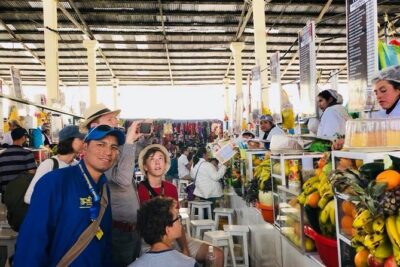
Cusco by Night: Planetarium Cusco, Dinner, and Pisco Sour
Read our review →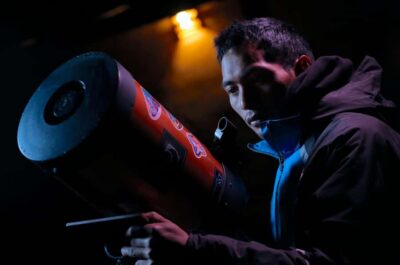
Planetarium and Night Tour with Dinner and Pisco Sour
Read our review →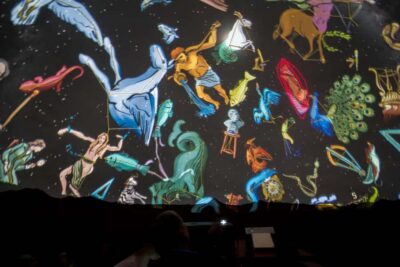
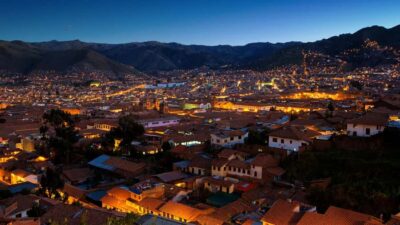
Excursion to the Planetarium of Cusco | New experience
Read our review →Browse the lists this tour appears in