
Reviewed · ROCK CLIMBING & VIA FERRATA
Qampa Climbing 2 Days in Ausangate
Qampa is the friendly-looking mountain with a serious altitude problem. At 5,520 meters, it offers a first taste of mountaineering without requiring previous climbing experience, though the glacier, thin air, and possible rock section still demand respect.
I like two things right away: the small groups, capped at six, and the well-supported camp, with tents prepared and equipment supplied. I also like the finish at Pacchanta, where you can soak in hot springs while Ausangate fills the view.
The main drawback is the schedule. Day two begins at 2:30 a.m., and the climb takes place above 5,000 meters. You need a moderate fitness level, good acclimatization, and enough comfort with cold and altitude to keep moving when the easy part is over.
Key points to know before booking
- Qampa reaches 5,520 meters: This is an entry-level mountaineering trip, not a casual high-altitude walk.
- The glacier section is real: Your guide supplies climbing gear and instruction, with a possible short rock pass depending on the season.
- Base camp sits at 4,680 meters: You spend the night high, cold, and close to the climbing route.
- The group is limited to six people: That gives the mountain guide more time to watch your pace and technique.
- Pacchanta hot springs are part of the payoff: After descending, you can warm up with views toward Ausangate.
- The $380 price covers a working expedition team: Transport, meals, tents, climbing equipment, horses, and mountain staff make this more than a simple hike.
Why Qampa makes a good first mountain climb
Qampa, also written Campa or Jampa, is known as one of the easier and more popular mountains near Cusco. That description needs a little translation. Easy means easier than many Peruvian peaks. It does not mean easy in the ordinary hiking sense.
You still climb to 5,520 meters, where every step costs more effort. The route includes a moraine approach, glacier travel, and sometimes a small rock-climbing section. Your high-mountain guide gives instructions and manages the equipment, but you still have to do the work.
That combination makes Qampa appealing. You can try mountaineering without signing up for a long technical expedition. The trip lasts only two days, and the actual summit push is short enough to feel manageable on paper. The mountain also gives you a wide view across the high Andes, with visibility reaching toward Salkantay, more than 200 kilometers to the northwest.
I especially like the small-group format. A maximum of six people is much better suited to a first climb than a large bus group. Vidal Expeditions has used guides including Flavio, Chino, Vinerson, Carlos, Angel, Sergio, and Raul on this route. Guide assignments can change, but the important point is that you are paired with a dedicated high-mountain guide rather than simply a general sightseeing escort.
The company has also earned a perfect 5 rating from 27 listed ratings, with 100 percent recommending it. That is a small sample, but it supports the strongest pattern in the experience: careful organization, friendly mountain staff, good meals, and a strong sense of safety.
More Ausangate and seven-lagoon days:
- From Cusco: 7 Lakes Ausangate Trek with Breakfast and Lunch
★ 4.8 · 360 reviews - Excursion to Ausangate & 7 lakes with Coca Ceremony |Private|
★ 5.0 · 80 reviews - Ausangate Trek 5 Days
★ 5.0 · 74 reviews
The 6 a.m. departure from Cusco
Your day begins with pickup from your Cusco hotel at about 6 a.m. The drive heads southeast toward Tinki on the Interoceanic Highway. After roughly two and a half hours, you stop in Tinki for about 30 minutes.
This pause is useful. You can explore the small town, buy anything you forgot, or eat breakfast. The tour information lists breakfast among the included meals, but one detailed account notes that the first breakfast in Tinki was paid separately. I would carry money and confirm the breakfast arrangement before leaving Cusco.
Tinki is also your last practical chance to check your supplies. Water is not included, so bring enough for the journey or budget for purchases along the way. The trip information specifically lists water and tips as extra costs.
From Tinki, the vehicle continues to Pacchanta, at about 4,060 meters. You are already higher than many mountain destinations before the hike starts. That matters because the drive saves time, but it does not remove the need to acclimatize.
If you have only just arrived in Cusco, this is not the right place to test your altitude response. The tour requires moderate fitness, but altitude tolerance is just as important as leg strength. Give yourself time in the Cusco area before attempting the climb.
Pacchanta to Azulccocha, about two hours on foot
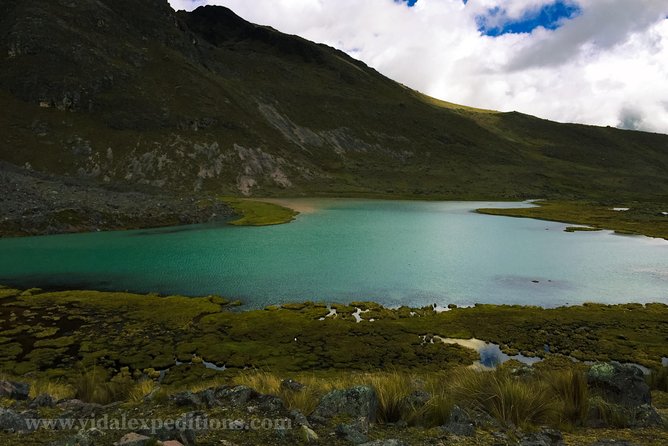
The trek begins around Pacchanta Baja. The first hiking section takes about two hours to Azulccocha, where you stop for lunch. The route gives you open views of snow-covered mountains, and the pace should let you settle into the high-altitude rhythm before the summit push.
This is not a warm-up at sea level. At more than 4,000 meters, a modest uphill slope can feel surprisingly demanding. Walk slowly, keep your breathing steady, and avoid trying to match someone else’s pace. You will need your energy later.
The lunch stop is one of the practical strengths of the trip. Food is prepared by the expedition team, and the meals have drawn repeated praise for both taste and presentation. One especially nice touch reported from the climb was a cake after the summit return. You should still keep expectations realistic: this is mountain food served from a camp kitchen, not a restaurant meal.
The stated package includes two lunches, breakfast, and dinner. It also includes transport and, according to detailed trip accounts, tents, sleeping bags, climbing equipment, horses for extra bags, a cook, horse drivers, and support staff. Confirm the exact gear list before departure, since the general description does not spell out every item.
Base camp at 4,680 meters
After Azulccocha, you continue to the base camp at 4,680 meters. The tents should already be set up when you arrive, which removes one chore at the end of a long approach hike.
This overnight is more than a place to sleep. It puts you close to the climb and gives you a chance to organize clothing, gloves, boots, and technical gear before the 2:30 a.m. wake-up. Use the evening well. Eat, drink water, check your layers, and get into your sleeping bag early.
At this height, the night can feel long. The thin air may disturb your sleep, and cold temperatures are part of the deal. You do not need to panic if you sleep poorly, but you should tell your guide how you feel. A guide can judge your condition better if you are direct about headache, nausea, dizziness, or unusual weakness.
The support system is a major part of the value here. You are not carrying every camp item yourself. Horses carry extra duffel bags, and the team handles camp setup. That lets you focus on walking, resting, eating, and preparing for the summit.
More climbing and via ferrata days:
- Rock Climbing full day
★ 5.0 · 47 reviews - From Cusco: Via Ferrata and Sky Lodge Zipline
★ 5.0 · 16 reviews - Cusco: Extreme Sky Bike and Rappelling Adventure
★ 4.4 · 10 reviews - From Cusco: Via Ferrata & Zip Line with lunch
★ 5.0 · 5 reviews
The 2:30 a.m. summit start
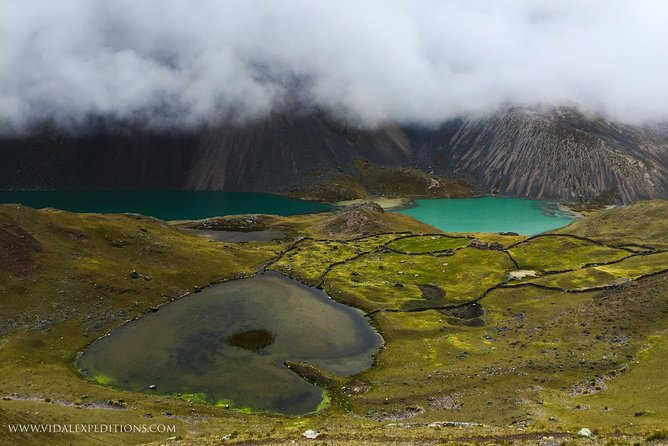
Day two begins at 2:30 a.m. with breakfast. The timing is tough, but it serves a purpose. An early start gives the group a chance to reach the summit before the day grows warmer and before weather conditions may shift.
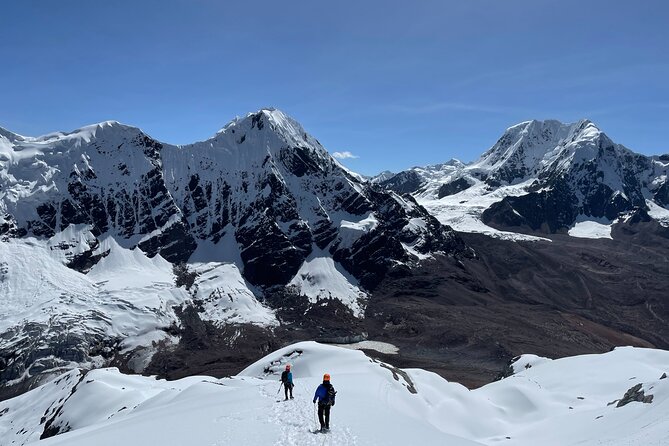
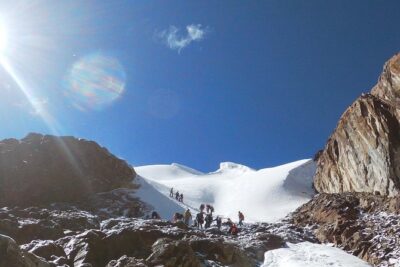
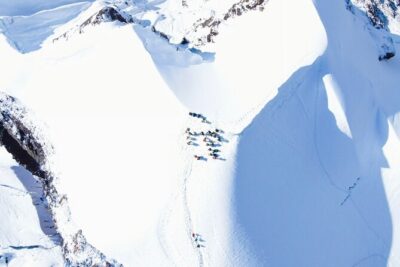
From base camp, you hike toward the moraine. The route then reaches the glacier, where the climbing portion begins. Your high-mountain guide supplies the required gear and explains how to use it. The description refers to climbing for about two hours to reach the summit, with some steps along the way.
Those two hours should not be read as a guaranteed total for everyone. Pace, snow, weather, and group condition can affect the timing. The guide controls the speed, and you should expect frequent pauses if needed.
For someone new to mountaineering, instruction is the key feature. The equipment may feel unfamiliar, and glacier travel requires attention. Follow the guide’s directions closely. Do not treat the route as a normal trail simply because Qampa is marketed as a beginner-friendly peak.
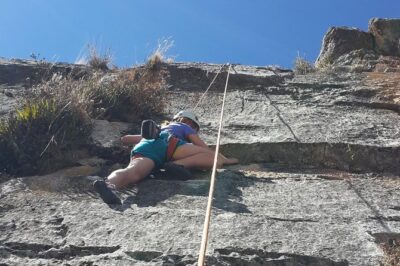
Depending on the season, a small rock-climbing pass may also be required. That adds a different kind of challenge from walking on snow or ice. If this worries you, ask about current conditions and the technical demands before booking.
Reaching 5,520 meters above Ausangate
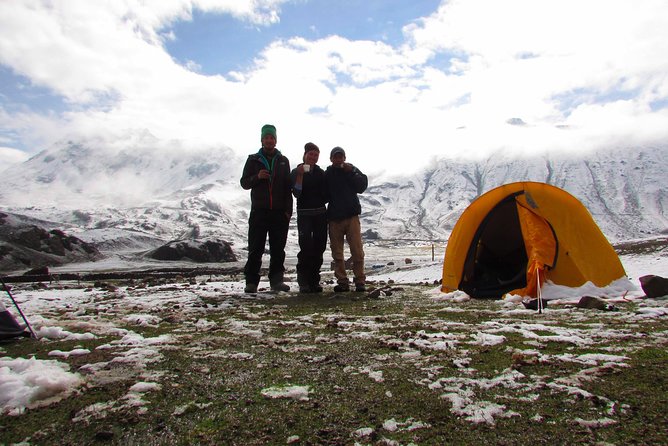
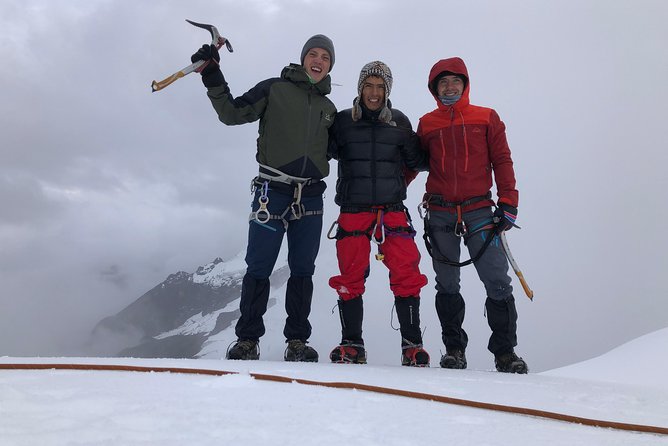
The summit is the reward, but the view is not the only reason to aim for it. You have climbed from a rural village through high mountain country, spent a night at nearly 4,700 meters, learned basic climbing procedures, and reached a serious altitude in a short period.
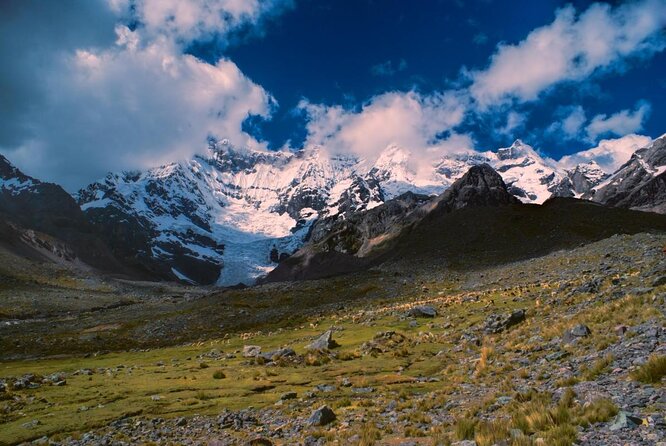
From the top, you can look across the surrounding peaks and toward Salkantay, more than 200 kilometers away in clear conditions. The exact visibility depends on weather, but the setting is unquestionably broad and dramatic. The mountain stands in the Ausangate region, one of the most striking high-altitude areas around Cusco.
The summit stay will likely be brief. At 5,520 meters, resting and taking photographs should not turn into a long picnic. Enjoy the view, listen to your guide, and begin the descent when instructed.
Many successful climbs on this route have involved just two climbers with a larger support crew. That arrangement can feel reassuring on a first ascent. It also shows why the price is higher than a standard day hike. You are paying for specialized staff, mountain transport, camping support, equipment, food, and logistics in a remote setting.
Descent, lunch, and the Pacchanta hot springs
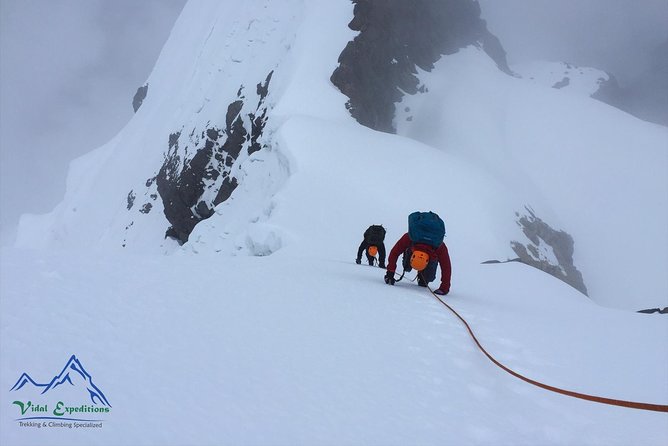
After the summit, you descend to base camp for lunch. This is when the trip changes character. The hardest objective is behind you, but tired legs and altitude can make the return feel longer than expected.
After eating, you hike back toward Pacchanta. The route retraces the high country, this time with the satisfaction of having completed the climb. Do not rush the descent. Fatigue can affect balance, particularly on moraine or uneven ground.
At Pacchanta, you have the option to soak in the hot springs. This is an excellent ending to a demanding two days. The pools offer a chance to warm up and loosen tired muscles while looking toward Ausangate.
The hot springs are optional, so do not count on them as an included admission unless the operator confirms it. The itinerary presents the soak as an available option before the afternoon return drive.
The bus then takes you back to Cusco in the afternoon. The activity ends at the meeting point in Cusco, with the listed ticket redemption point at Vidal Expeditions Peru in the Santiago district.
What the $380 price really buys
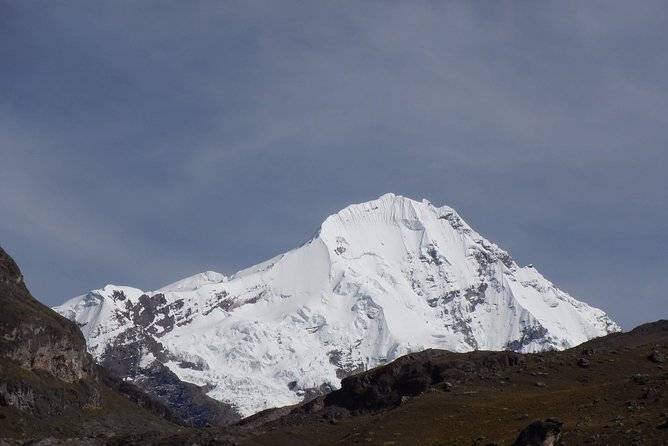
At $380 per person, this is not a bargain day trip, but it is a fair price for a two-day guided mountain climb if the listed support is provided.
You are paying for:
- Pickup and return transport from Cusco
- A high-mountain guide
- Climbing gear and instruction
- One night of camping
- Tents and sleeping arrangements
- Breakfast, dinner, and two lunches
- Horses to carry extra bags
- A cook and horse drivers
- A small group, limited to six people
The value is strongest for a first-time climber. Organizing glacier gear, transport to Pacchanta, a mountain camp, food, and support staff independently would be difficult. The package also takes away much of the camp work, so you can focus on the climb.
Read the inclusions carefully. Water and tips are not covered. Breakfast arrangements on the first morning should be confirmed, since the schedule includes a Tinki stop where you may need to buy food yourself.
Tips are not mandatory in the same way as a ticket fee, but you should budget for them if the guide, cook, horse drivers, and support team do a good job. You may also want to bring cash for breakfast, drinks, hot springs, and personal purchases.
Who should choose this climb
I would recommend Qampa to you if you want a short introduction to mountaineering and already have a reasonable base of fitness. You should be comfortable walking for several hours, climbing steep ground, and handling a very early start.
It suits people who want more than a standard Cusco excursion but do not want to commit to a long expedition. The two-day format is compact, and the small group makes it feel more personal.
It is also a good match if you value support. You do not need to carry every camp item, and the team handles much of the food and camp organization. The guide names associated with the route include Flavio, Chino, Carlos, Angel, Sergio, Raul, and Vinerson, all described in the supplied accounts as experienced and careful on the mountain.
I would not choose it if you have just arrived in Peru and have not adjusted to altitude. I would also reconsider if you dislike cold nights, glacier equipment, or uncertain mountain weather. The trip is beginner-friendly for mountaineering, but it is not designed for someone seeking a relaxed scenic walk.
The route is limited to six people, and the activity is near public transportation, but pickup is offered from Cusco. Confirmation is received at booking. The listed operating dates run through June 18, 2026, with early morning operating hours from 5:30 to 6 a.m.
Should you book Qampa with Vidal Expeditions?
Book it if your goal is to stand on a 5,520-meter summit with a professional mountain team, without signing up for a long technical expedition. The combination of glacier practice, a prepared base camp, strong meals, horses for extra bags, and Pacchanta hot springs gives the trip a satisfying shape.
Skip it if you want a flexible schedule, dislike cold and altitude, or have not allowed time to acclimatize. Before paying, confirm the current guide, equipment list, first-breakfast arrangement, hot-spring cost, and weather policy.
For the right person, Qampa is a sharp introduction to high-altitude climbing: short, demanding, well supported, and packed with views that make the early alarm worth it.
FAQ
How high is Qampa Mountain?
Qampa reaches approximately 5,520 meters above sea level. Some supplied accounts list the summit at slightly different heights, including 5,532, 5,560, and 5,520 meters.
How long is the Qampa climbing experience?
The scheduled trip lasts two days and includes one night at base camp.
Does the tour pick me up in Cusco?
Yes. Pickup is offered, and the guide is scheduled to collect you from your Cusco hotel at about 6 a.m.
Where does the trek begin?
The hiking section begins near Pacchanta Baja, at approximately 4,060 meters above sea level.
How long is the first hiking section?
The hike from Pacchanta to Azulccocha takes about two hours.
Where do I sleep on the first night?
You sleep in tents at a base camp located at approximately 4,680 meters above sea level. The tents are described as already set up on arrival.
Do I need mountaineering experience?
Previous mountaineering experience is not required. The route includes glacier travel, and your high-mountain guide provides equipment and instructions.
Is climbing equipment included?
Yes. The tour description says the high-mountain guide provides all climbing gear and instructions. Confirm the exact equipment list before departure.
Are meals included?
Breakfast, dinner, and two lunches are listed as included. The first breakfast may involve a separate purchase in Tinki, so confirm that detail before the trip.
Is water included?
No. Water is not included, so you need to bring it or purchase it along the way.
How many people are in the group?
The activity has a maximum of six participants.
Can I visit the hot springs?
Yes. After returning to Pacchanta, you have the option to soak in the hot springs with views of Ausangate. The supplied information does not state that admission is included.
What fitness level do I need?
You should have a moderate physical fitness level. The climb involves hiking at high altitude, a glacier section, and a very early summit start.
What is the cancellation policy?
You can cancel at least 24 hours before the scheduled start for a full refund. Cancellations or changes made within 24 hours are not accepted for a refund.
More 2-Day Experiences in Cusco
- Humantay Lake 2 Day Trek with Sky Camp from Cusco
★ 5.0 · 62 reviews - Rainbow Mountain and Red Valley Hike – 2 Days / 1 Night
★ 5.0 · 41 reviews - From Cusco: Amazon jungle for two days with sleeper bus and private lodge
★ 3.2 · 6 reviews - Cusco: Rainbow Mountain and Humantay Lake 2-Day Tour + Meals
★ 3.5 · 4 reviews
Just added around Cusco
- Waqrapukara 1 day trekking + meals★ 3.9 · 3 reviews
- Visit to the Cochahuasi Animal Sanctuary with rescued animal★ 4.1 · 4 reviews
- Vinicunca Mountain Tour – Full Day Tour to Rainbow Mountain★ 3.4 · 4 reviews
- Valle Sur Cusco | half day★ 4.3 · 3 reviews
- Trek to Humantay Lake from Cusco★ 4.9 · 8 reviews
- Trek to Choquequirao 4 days★ 3.8 · 4 reviews
- rainbow mountain full day★ 5.0 · 44 reviews
- Tour to the HUMANTAY LAGOON from CUSCO★ 5.0 · 35 reviews
Rock Climbing & Via Ferrata, compared.
Tour Climbing Nevado Mateo | Your First 5,150 m Summit | 12 Hours
Read our review →
Browse the lists this tour appears in