
Reviewed · VIP
Sacred Valley Vip Cusco
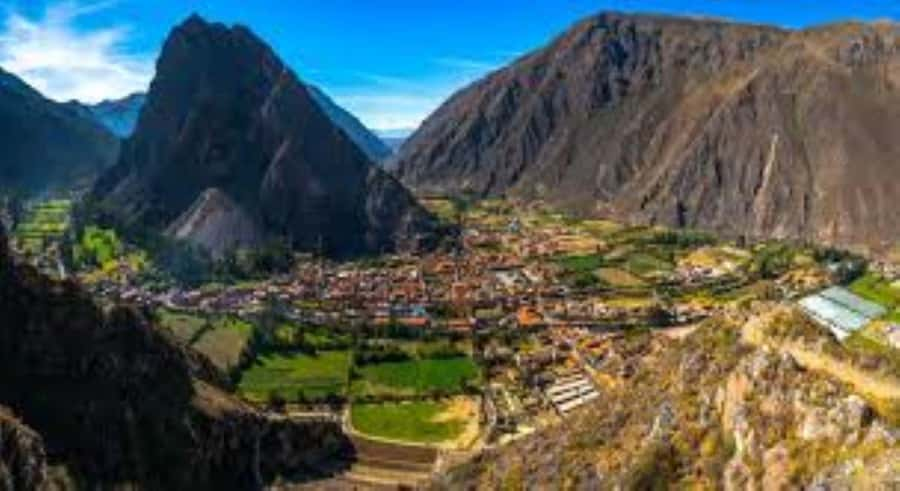
Moray’s huge circular terraces are the star of this 12-hour Sacred Valley route, but the day gives you much more: Chinchero’s Inca walls, Maras’s thousands of salt wells, Ollantaytambo’s stonework, and Pisac’s market and hilltop ruins. It is an ambitious way to see five major places without arranging several separate outings.
I like the small group limit of 10, which should make questions and guide commentary easier than on a large coach. I also like the useful mix of archaeology, local crafts, food, and scenery. The drawback is the pace. Five stops in one day means you will spend plenty of time moving between sites, and the early start plus a return around 7:00 pm makes this a long day.
Key points at a glance
- Five major stops in one day: Chinchero, Moray, Maras, Ollantaytambo, and Pisac.
- Moray’s circular terraces: See one of the most unusual agricultural sites associated with the Incas.
- More than 3,000 salt wells at Maras: Expect a striking patchwork of small salt pools.
- Two chances to shop: Visit a textile center in Chinchero and the handicraft market in Pisac.
- Small-group format: The group is limited to 10 people, with English and Spanish available.
- A fee detail to check: The Maras salt mines cost 20 soles, not 10 soles as previously shown in the booking information.
Why this Sacred Valley day is worth considering
Many Sacred Valley outings focus on only Pisac and Ollantaytambo. This one adds Chinchero, Moray, and Maras, so you get a wider look at Inca building, farming, salt production, colonial influence, and present-day craft markets.
That range is the main value. You are not spending the whole day looking at similar ruins. One stop shows how walls were built, another shows how crops were grown, and another explains how salt was collected. Then the towns and markets connect those old sites with life in the region today.
The trade-off is simple: breadth over leisure. You can visit all five places, but you will not have the slow pace of a private tour built around one or two sites. I would choose this outing if your time in Cusco is limited and you want a strong first look at the Sacred Valley.
A few more Sacred Valley days worth weighing up
- From Cusco: Sacred Valley & Maras Salt Mines Tour with Lunch
★ 4.8 · 2,227 reviews - From Cusco: Moray, Maras Salt Mines & Chinchero Weavers Tour
★ 4.8 · 1,925 reviews - Cusco: Sacred Valley, Pisac, Ollantaytambo, Salt Mines Moray
★ 4.6 · 1,058 reviews
7:00 am start at Chinchero
The day begins at 7:00 am and heads first to Chinchero. That early departure matters because the route is full. By the end of the day, you are scheduled to return to Cusco around 7:00 pm.
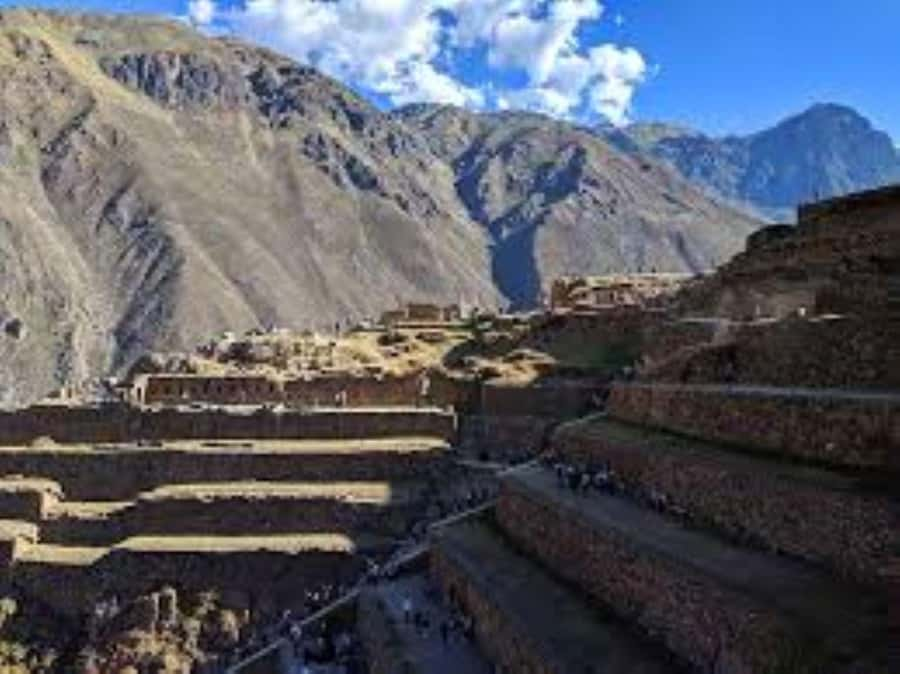
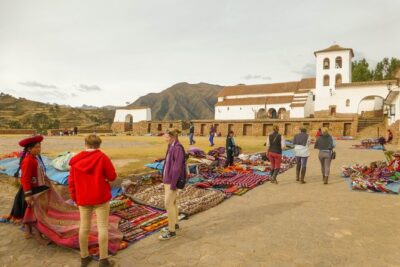
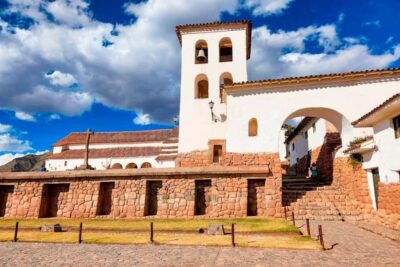
Chinchero gives the tour a good opening because it combines several layers of Peruvian history. You will see Inca wall construction, visit a historic colonial church, and stop at a textile center. The stonework shows the precision of Inca builders, while the church reflects the later colonial period.
The textile center adds a practical local element. You can see traditional craftwork and browse textiles rather than only viewing old structures behind barriers. If shopping interests you, this is a useful place to start, though Pisac later offers a larger market setting.
Do not expect a quiet morning with unlimited time at each point. The tour has four more major stops ahead. Keep your first visit focused, listen for the guide’s explanation, and save some energy for the long afternoon.
Moray and the mystery of the circular terraces
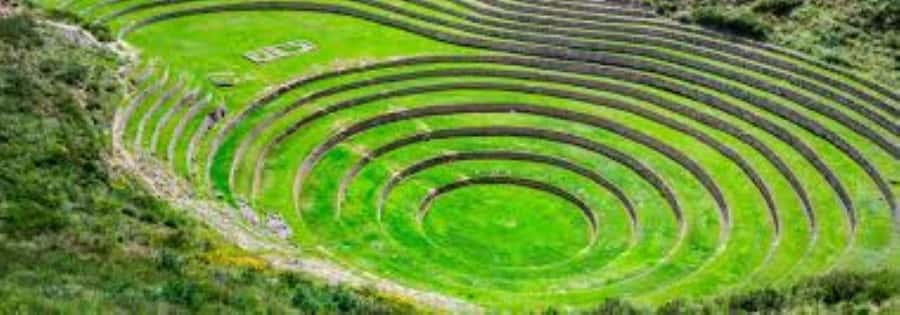
Moray is one of the most memorable stops on the route. Its broad circular terraces sink into the ground in a series of rings, creating a site that looks unlike the usual Inca walls and stepped hillsides.
The terraces were an important agricultural site from Inca times. Their design is the key point here. Instead of seeing a simple field or a straight staircase of planting beds, you see carefully shaped circles built into a natural depression.
I like Moray because it helps you think about the Incas as farmers and engineers, not only builders of temples and fortresses. The site makes the connection between highland terrain and food production easy to understand, even during a short visit.
The stop also provides a change of mood after Chinchero. You move from walls and colonial architecture to wide views and an unusual earthwork. Bring your phone or camera, but do not let photography take over. The shape of Moray is best understood by pausing to look across the whole site.
Maras salt mines and the 20-sol detail
From Moray, the route descends to Maras. Here you will see more than 3,000 salt wells arranged across the hillside. Small pools collect saltwater, and the result is a striking pattern of pale terraces and channels.
The site is historically connected with Inca salt production. It is also a working cultural landscape rather than a single monumental ruin. That makes Maras different from the archaeological stops. You are looking at a system of many small wells, shaped by water, slope, and human labor.
There is one important budget point. The salt mines cost 20 soles, while the booking information previously indicated 10 soles. Plan for 20 soles so the extra charge does not catch you off guard. Since the tour price and site charges are not fully broken down in the details provided, check what your reservation covers before departure.
Maras can also be one of the more visually delicate stops. The wells are small and spread across the hillside, so your view depends on where the group is taken and how much time you have. Follow the guide’s instructions and avoid treating the salt pools as ordinary walking paths.
Same base, a completely different kind of day:
- Cusco:Chinchero,Moray & Salt Mines drop-off in Ollantaytambo
★ 4.8 · 793 reviews - Sacred Valley: Chinchero, Moray, Ollantaytambo & Pisac+Lunch
★ 4.8 · 501 reviews - Sacred Valley: Maras & Moray by Quad Bike from Cusco
★ 4.6 · 418 reviews - Pisac Indian Market and Ollantaytambo Fortress with Lunch
★ 4.5 · 395 reviews
Buffet lunch in Urubamba
After Maras, the group stops in Urubamba for a buffet lunch. This is a useful break in the middle of a demanding day. By this point, you have already visited three places, so sitting down for a proper meal gives you time to reset before the afternoon ruins and market.
The meal is described as a buffet, but specific dishes are not provided. I would not book this tour based on a particular menu. Think of lunch as a convenient scheduled stop that keeps the route moving rather than as a separate food-focused activity.
Urubamba also marks the geographic rhythm of the day. The tour has been moving through Chinchero, Moray, and Maras, then pauses before continuing to Ollantaytambo and Pisac. Keep an eye on the meeting time. A late return from lunch can squeeze the final stops, and the schedule is already tight.
Ollantaytambo, the last living Inca city
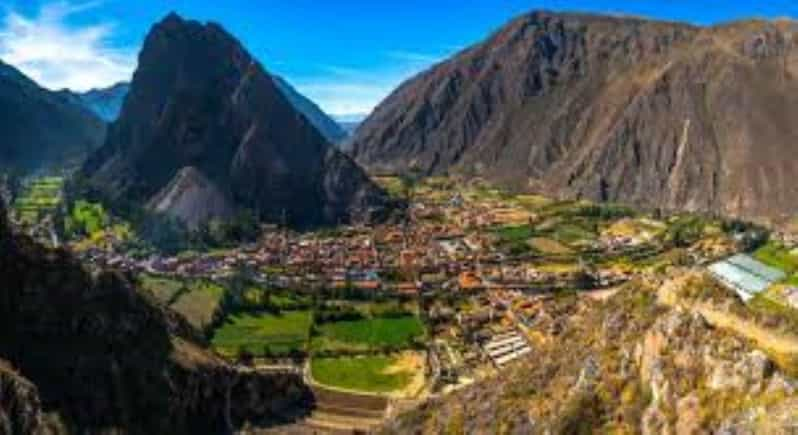
Ollantaytambo is one of the strongest archaeological and urban stops on the route. It is known as the Last Living Inca City, a name that points to the way Inca-era streets and stone structures remain tied to a functioning town.
The appeal here is not only a collection of ruins. You get a sense of how the old settlement fit into daily life. The finely fitted stonework and terraces show the scale of Inca planning, while the town setting gives the site a more human feel than an isolated archaeological park.
This is also one of the places where a guide can add real value. A good explanation can help you see why the stone blocks, terraces, and town layout matter. The tour provides a live guide in English or Spanish, but no guide name is supplied, so you cannot choose a particular guide in advance.
Ollantaytambo comes late in the day, after an early start and several walks. If you tire easily, save some energy at Moray and Maras. The reward is a major Inca site with enough character to justify the long day.
Pisac market and the hilltop archaeological park
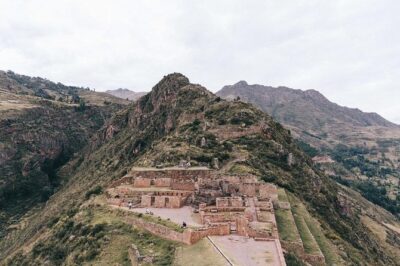
The final major stop is Pisac, located on the slopes of Intihuatana hill. The visit combines a town, an Indigenous market, and the Archaeological Park of Pisac.
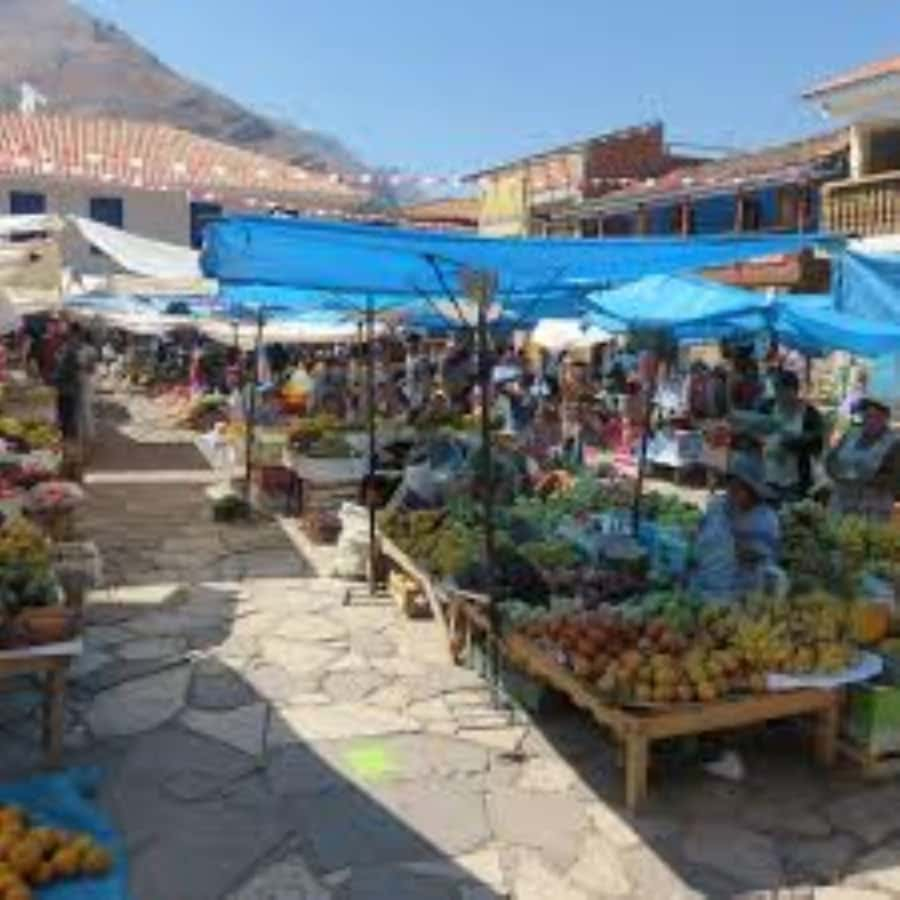
The market is the clearest shopping opportunity on the tour. You can look for handicrafts and compare items in a setting built around local commerce rather than a single textile stop. Since market visits can easily use up your available time, decide before you arrive if you want to shop, explore, or do both.
Pisac’s archaeological park then shifts the focus back to Inca construction. The site includes finely crafted stone buildings and occupies a dramatic position above the town. It is a fitting final stop because it brings together the day’s main themes: stonework, agricultural terraces, settlement, and the continuing importance of the valley towns.
There is a practical concern here. Pisac is not just a quick souvenir stop. The market and archaeological park are separate parts of the visit, and the schedule may require you to move along promptly. If Pisac is your top priority, ask the operator how much time is normally allowed at each section before booking.
What the small group changes
The group is limited to 10 participants. That is a useful middle ground. You get the efficiency of a shared tour without the scale of a large bus group.
A small group can make it easier to hear the guide at Chinchero, Moray, and the ruins. It also gives you a better chance to ask about the Inca walls, salt wells, or agricultural terraces. The benefit is strongest at sites where the guide’s explanation helps you understand what you are seeing.
Small does not mean private. You will still follow a fixed route and shared timing. If you want to linger at Moray, spend longer bargaining at Pisac, or change the order of stops, a private tour would give you more control. This option is better for people who value a broad route and a manageable group over personal scheduling.
The guide speaks English or Spanish. Choose the language you can follow most easily, since the day covers many sites and the commentary helps link them together.
Time, value, and the extra salt fee
The tour lasts 12 hours, from about 7:00 am until 7:00 pm. That is a full working day, not a casual half-day outing. You should judge the value by how much planning it saves and how many major places it covers.
For a first visit to the Sacred Valley, the route is efficient. You see five well-known locations, have lunch in Urubamba, and return to Cusco the same evening. Arranging all of that independently would require careful transport planning and attention to opening times and road connections.
The value is weaker if you dislike early starts or prefer long, unhurried visits. You are paying in time and energy as well as money. A tour covering fewer places may suit you better if your main goal is detailed exploration.
Budget for the 20-sol Maras salt mine fee. The discrepancy between 10 soles shown previously and the actual 20 soles is exactly the sort of small cost that can sour an otherwise smooth day. Confirm the current charge and ask what other entrance costs, if any, are included before you set out.
The booking terms add flexibility. You can cancel up to 24 hours before departure for a full refund, and you can reserve now and pay later. Those options are useful when your Cusco plans are still changing, though they do not remove the need to check the final meeting and pickup details.
Pickup coordination deserves attention
Pickup coordination is one area where I would be careful. The practical information points to a need for better coordination between the tour operator and local agencies handling pickups.
Confirm your pickup point and time before the morning of departure. Since the day begins at 7:00 am, even a small delay can affect Chinchero and every stop that follows. Keep the operator’s contact information available, and do not assume that a general Cusco hotel area automatically means a precise pickup arrangement.
This is especially important for a route with five stops. A delay at the beginning does not simply shorten the first visit. It can reduce time at Moray, compress lunch, or cut into the Pisac market and ruins. Clear pickup instructions are part of the value of a full-day tour.
Who should book this Sacred Valley route
I would recommend this tour to you if:
- You have one free day and want to cover the main Sacred Valley highlights.
- You enjoy a mix of ruins, food, markets, crafts, and scenery.
- You prefer a shared tour with no more than 10 people.
- You want an English or Spanish-speaking guide.
- You are comfortable with an early start and a return around 7:00 pm.
- You want the convenience of a planned route instead of arranging five stops yourself.
I would think twice if you want a slow archaeological visit, a private schedule, or a relaxed afternoon. The route is ambitious by design. Its success depends on accepting that each stop gives you a strong introduction rather than unlimited time.
Should you book it?
Book this Sacred Valley tour if your priority is coverage. Chinchero, Moray, Maras, Ollantaytambo, and Pisac give you a well-rounded day, and the small group keeps the format more personal than a large coach outing.
Before paying, confirm the pickup arrangement, the 20-sol Maras charge, and what the tour price includes. If those details are clear and you can handle a 12-hour day, this is a practical choice for seeing a large portion of the Cusco region in one outing.
FAQ
How long does the Sacred Valley tour last?
The tour lasts 12 hours. It starts at about 7:00 am and returns to Cusco around 7:00 pm.
Which places does the tour visit?
The route includes Chinchero, Moray, the Maras salt mines, Ollantaytambo, and Pisac.
What can I see in Chinchero?
You can see Inca wall construction, visit a historic colonial church, and stop at a textile center.
What is special about Moray?
Moray is known for its circular terraces, which were an important agricultural site during Inca times.
How many salt wells are at Maras?
The Maras salt mines have more than 3,000 salt wells.
How much does entry to the Maras salt mines cost?
The practical cost is 20 soles. The booking information previously showed 10 soles, so confirm the charge before departure.
Is lunch included in the day?
The route includes a buffet lunch stop in Urubamba. The available details do not specify the menu or provide a separate breakdown of the lunch cost.
What can I do in Pisac?
You can visit the Indigenous market and shop for handicrafts, then explore the Archaeological Park of Pisac and its finely crafted Inca stone buildings.
What languages are available?
The live guide is available in English or Spanish.
How large is the tour group?
The tour is limited to 10 participants.
Can I cancel the booking?
You can cancel up to 24 hours in advance for a full refund.
Can I reserve now and pay later?
Yes. The activity allows you to reserve your place and pay later.
Just added around Sacred Valley
- Zipline over the Sacred Valley Trip★ 5.0 · 11 reviews
- Visit Pisac from Cusco: Private Transport★ 4.6 · 9 reviews
- Maras and Huaypo lagoon by ATV from Cuzco | Local Operator★ 4.7 · 4 reviews
- Transfer from Cusco to Ollantaytambo★ 5.0 · 30 reviews
- Sacred Valley VIP Tour with Maras and Moray from Cusco★ 4.5 · 35 reviews
- Sacred Valley Private Tour, Moray & Salt Mines Incluided★ 5.0 · 41 reviews
- Salt Mines(Maras),Moray and Chincheros★ 5.0 · 41 reviews
- Excursion to Sacred Valley of the Incas tour – Private service.★ 5.0 · 35 reviews
VIP, compared.
Sacred Valley with Peru Vip : Pisac, Ollantaytambo and Chinchero
Read our review →
Sacred Valley and Machu Picchu Tour in 2 days with Peru Vip
Read our review →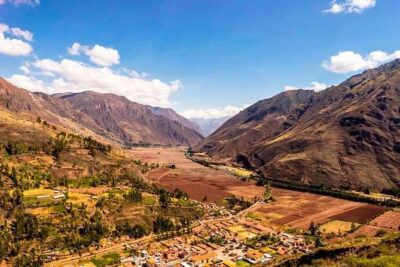
Sacred Valley VIP Tour with Maras and Moray from Cusco
Read our review →
Vinicunca Rainbow Mountain in one day, private with Peru Vip
Read our review →
Cusco | Visit Maras, Moray, Chinchero, Pisac | Valle Vip
Read our review →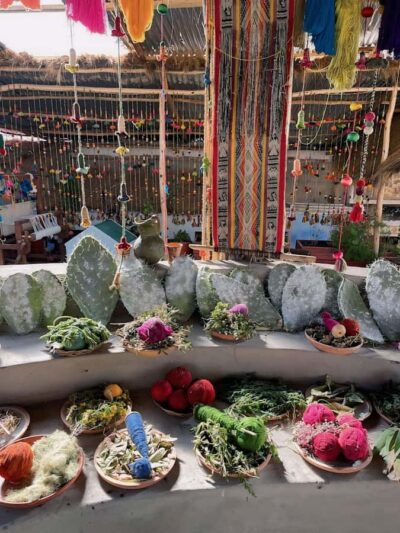
Browse the lists this tour appears in