
Reviewed · INCA JUNGLE TREKS
4 Days Inca Jungle Adventure to Machu Picchu
The best part of this Inca Jungle Adventure is the variety. You are not simply walking toward Machu Picchu for four days. You bike down from high Andes country, hike old paths through plantations, cross a monkey bridge, soak in hot springs, and reach Aguas Calientes on foot beside the railway. I especially like the first hostel’s homegrown food and coffee, plus the chance to see rural life before the famous ruins.
I also like the small group limit of 10 and the strong guide element. Guides such as Andy and Carlitos have been praised for keeping people moving and bringing Inca history and religion to life. The main caution is that Day 2 is a serious hiking day, and the early starts, basic hostels, altitude change, and optional activities make this a poor fit if you want a soft, polished holiday.
Key points to know
- The ride begins at 4,350 meters: The route from Abra Malaga is mainly downhill, but you still need basic bike control and comfort with mountain roads.
- Day 2 is the physical heart of the trip: Expect about three hours after lunch, plus a long morning walk through cloud forest and plantations.
- You get several ways to travel: Bike, hike, raft, zip-line, monkey bridge, rail trail, bus, train, and car all feature in the four days.
- Cocalmayo is a well-timed break: The $3 hot spring entry gives tired legs a chance to recover before the night in Santa Teresa.
- Machu Picchu timing matters: You enter early, take a two-hour guided tour, then explore alone. Mountain tickets require an extra fee and early booking.
- Pack light: You change locations often, and a small bag is much easier than hauling a full suitcase through hostels and along the railway.
What the $439 price really buys you
At $439 per person, this is a fairly full package for four active days. The price includes hotel pickup in Cusco, private transport to Abra Malaga and Santa Maria, a mountain bike with protective equipment, three hostel nights, all listed breakfasts, lunches, and dinners, a bilingual guide, and the Machu Picchu entrance fee.
That matters because separate costs around Machu Picchu can pile up quickly. You still pay for the Cocalmayo hot springs, the bus up to Machu Picchu if you choose not to walk, snacks, breakfast on Day 1, and lunch at Machu Picchu. The return journey to Cusco also needs careful checking, since you can go by cheaper car route or by train and car at a higher cost.
I see the price as good value if you want active transport and several included meals rather than a simple guided visit to Machu Picchu. It is less attractive if you want private rooms, long lie-ins, or control over every transfer. The hostels are clean and friendly according to the available information, but they are basic, and the first one can feel more like a homestay than a conventional hotel.
The small group limit of 10 is a useful middle ground. You get more personal contact than on a large bus tour, while still sharing the cost of transport and a guide. The free cancellation policy allows cancellation up to 24 hours before departure for a full refund, and you can reserve now and pay later.
More Inca Jungle routes to Machu Picchu:
- 4-Day Inca Jungle Adventure, Mountain Biking, Rafting and Zipline
★ 5.0 · 60 reviews - 4 Days Inca Jungle to Machu Picchu Standard
★ 4.5 · 48 reviews - From Cusco: 4-Day Inca Jungle Adventure to Machu Picchu
★ 4.8 · 45 reviews
Day 1: From Cusco to Abra Malaga and the long downhill ride
Pickup begins at 7:00 am. If you stay in Cusco’s historic center, wait in your hotel lobby. If your hotel is outside the center, the meeting point is the fountain in the main square. This is worth sorting out the night before, since the first day has a fixed departure and several transfers.
The first stop is Ollantaytambo, where you have time for breakfast and shopping. Breakfast on this morning is not included, so bring cash and do not assume the tour meal plan starts before lunch. Ollantaytambo is also a useful point to buy small snacks for the road.
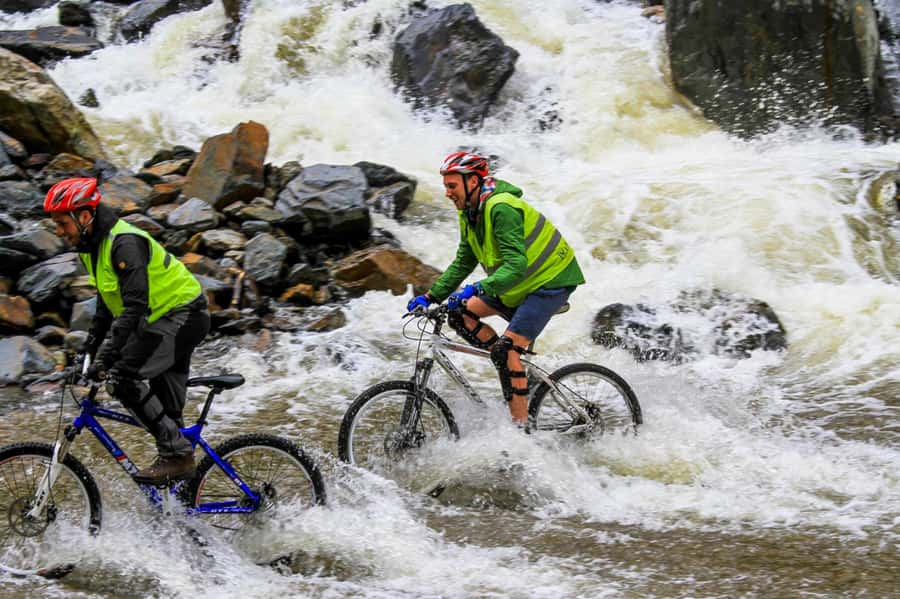
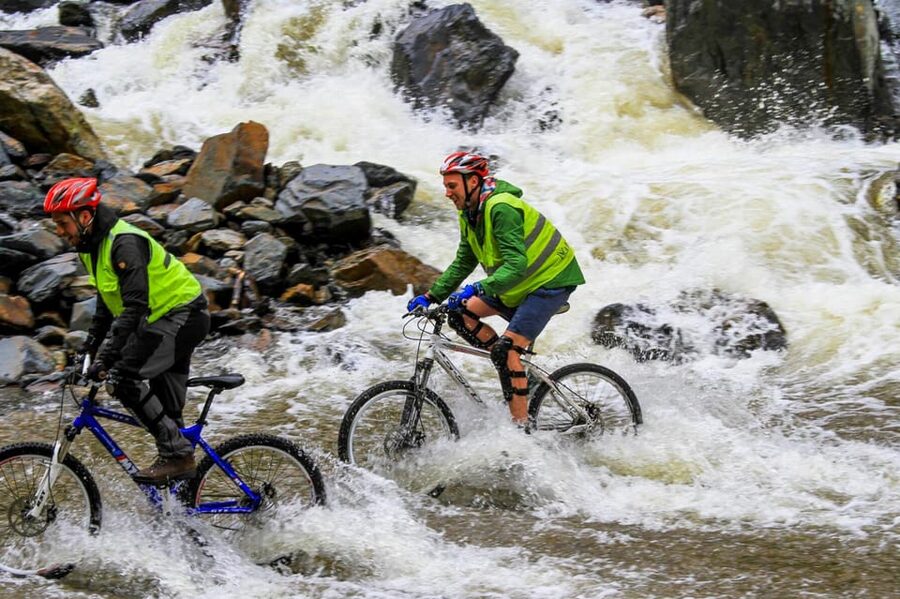
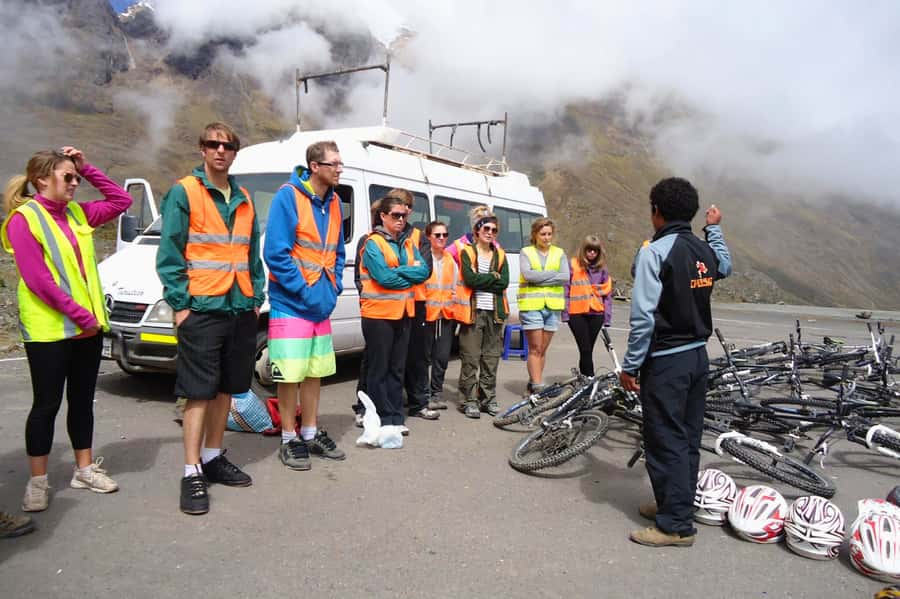
From there, the vehicle climbs toward Abra Malaga at 4,350 meters. The pass is high, cold, and exposed compared with the warmer valleys below. You then begin the mountain bike ride downhill toward Huamanmarca. The direction is in your favor, but this is not a casual town bike ride. You need basic biking experience, especially for controlling speed and staying comfortable on a mountain route.
Protective equipment includes a helmet, knee pads, and other safety gear. Still, listen closely to the guide’s instructions and do not treat the downhill section as a race. A basic level of bike confidence will make the ride far more enjoyable.
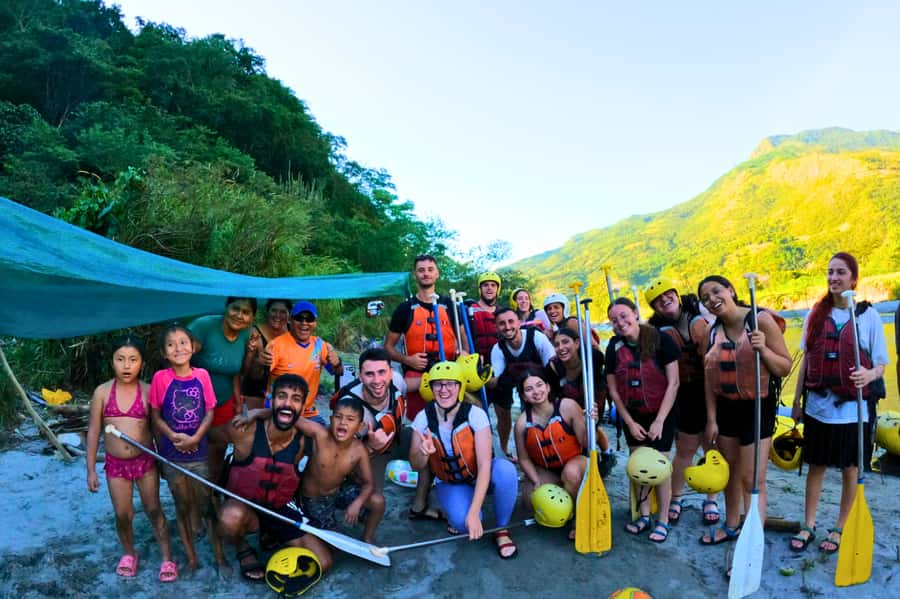
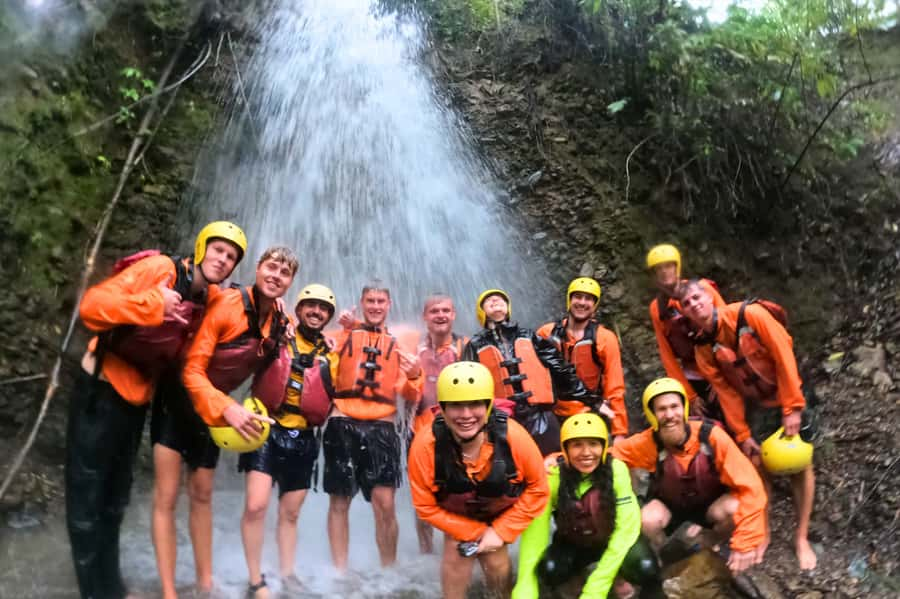
After biking, transport continues to Santa Maria. You can choose optional rafting on the Vilcanota River, adding another active element to a day that already includes high-altitude transport and cycling. If rafting is not for you, the schedule still includes the transfer and time to settle in.
Your night is in a hostel in Santa Maria, with lunch and dinner provided. The first accommodation is especially appealing if you like simple places with a local touch. It has been described as a jungle setting with homegrown and homemade food and coffee, along with a good view. Do not expect luxury, but this kind of stop gives the trip a more personal feel than a chain hotel.
Day 2: Cloud forest paths, plantations, and Cocalmayo
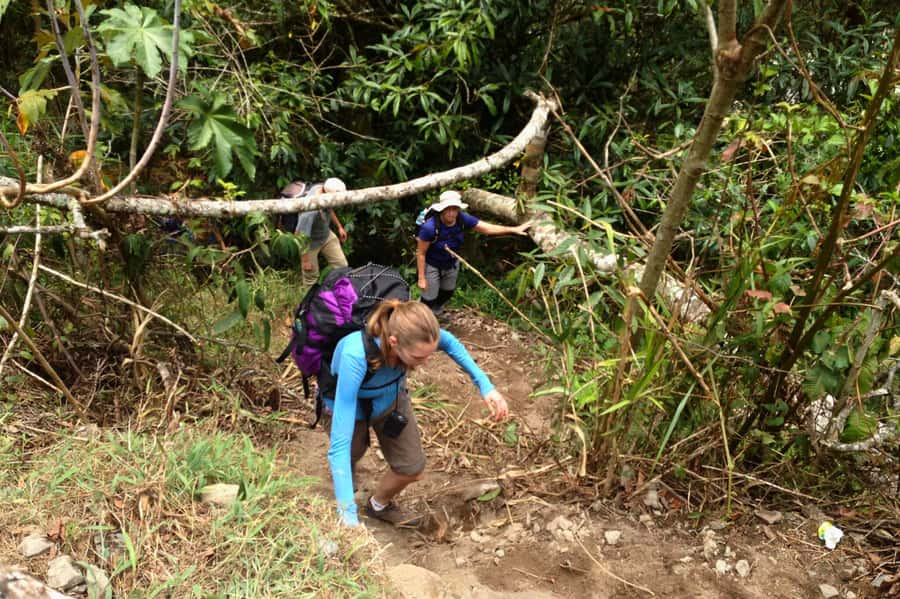
Day 2 begins at 6:30 am after breakfast. This is the day to take seriously. You walk through cloud forest and pass plantations of coca, coffee, cacao, and native fruit. Those crops give the route a clear connection to daily life in the region, not just scenery viewed from a vehicle.
A pause at a family house in Pispitayoq breaks up the morning. It is a chance to rest and see a small-scale local setting before continuing along an ancient Inca path. The path leads toward Qellomayu village, where lunch is served.
After lunch, you walk for another three hours to the Vilcanota River. The route includes a monkey bridge, which adds a memorable bit of adventure but may not suit anyone uneasy with heights or narrow crossings. The information provided does not give a full difficulty grade, so plan for a long, active day rather than a gentle stroll.
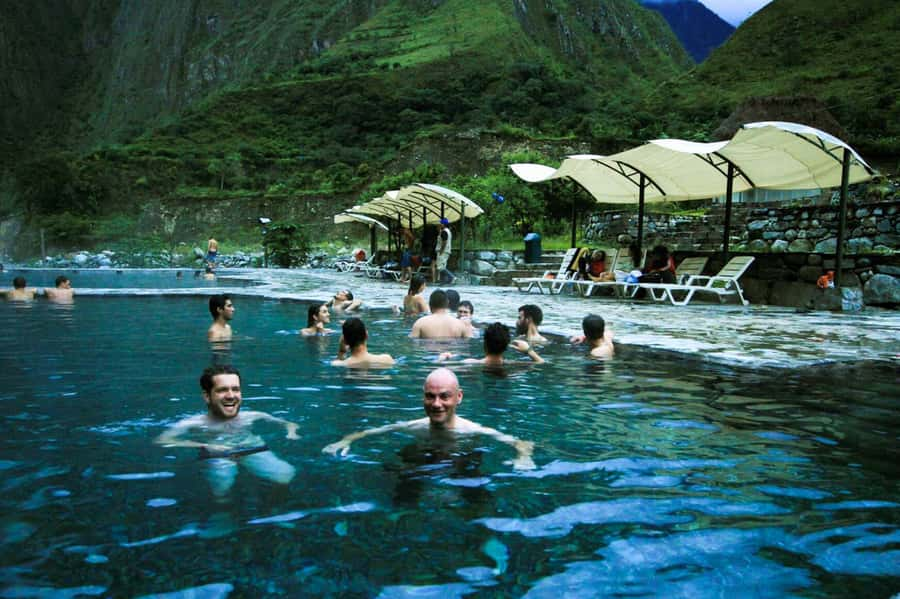
The reward comes at Cocalmayo. The hot springs cost $3 to enter, and that small extra fee is well worth budgeting for after the day’s walking. You can let your muscles recover in the warm water before continuing to Santa Teresa.
You then spend the night in another hostel. This is a good point to keep your expectations realistic. The accommodation is basic, and you move around frequently, but the rooms are described as clean and friendly. A small overnight bag, dry clothes, and a light towel will make this stop easier, although only a passport is specifically required by the activity information.
Day 3: Zip-lines, the railway walk, and Aguas Calientes
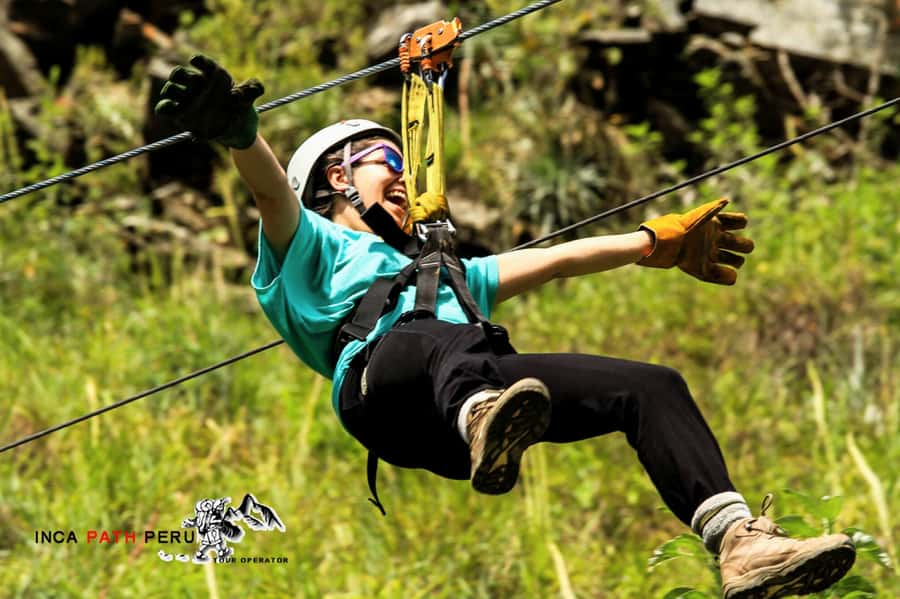
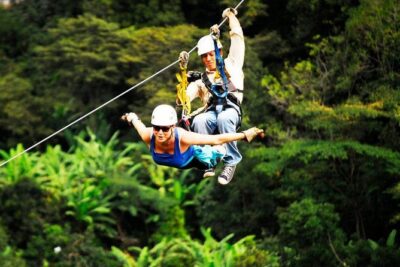
The third morning starts with breakfast at 7:00 am. Before walking, you can choose an optional zip-line. It gives you one more burst of adrenaline, but it is not necessary to enjoy the route. The trip already includes biking, possible rafting, a long hike, and the railway walk, so you should judge your energy honestly.
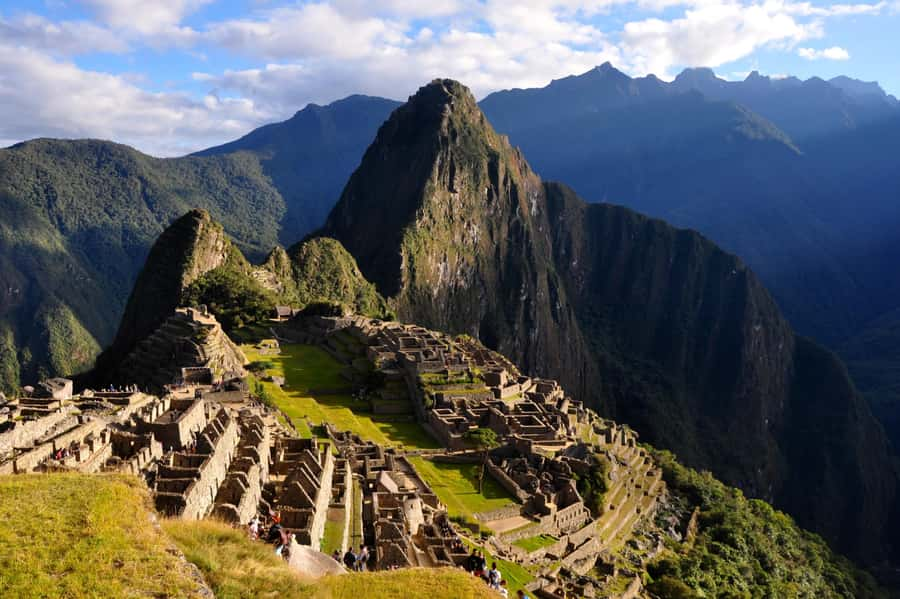
The main route continues toward the Hydroelectric Central Station, where lunch is served. From there, you walk along the railway to Aguas Calientes. This section has a different feel from the forest trail. The tracks guide you through the valley, and you get views toward Machu Picchu Mountain as the ruins draw closer.
You arrive around 5:00 pm and check into a hostel with a private bathroom and hot showers. After two active days, that private bathroom is a welcome practical detail. You will want to organize your daypack for the early start, prepare your passport, and get as much rest as possible.
Aguas Calientes is the base for Machu Picchu, but this itinerary gets you there by foot rather than simply dropping you at the station. That makes the arrival feel earned, though it also means Day 3 is not a rest day. The railway walk follows a relatively direct route, but your legs may still feel the earlier biking and hiking.
A few more Aguas Calientes days worth weighing up
- Cusco: 4-Day Inca Trail to Machu Picchu with Accommodation
★ 4.8 · 432 reviews - Puerto Maldonado: 4-Day Tambopata Rainforest Tour
★ 4.6 · 213 reviews - Puerto Maldonado: Sandoval Lake 4-Day, 3-Night Guided Tour
★ 4.5 · 90 reviews - Choquequirao Trek 4 days and 3 nights
★ 5.0 · 81 reviews
Day 4: Machu Picchu before breakfast crowds
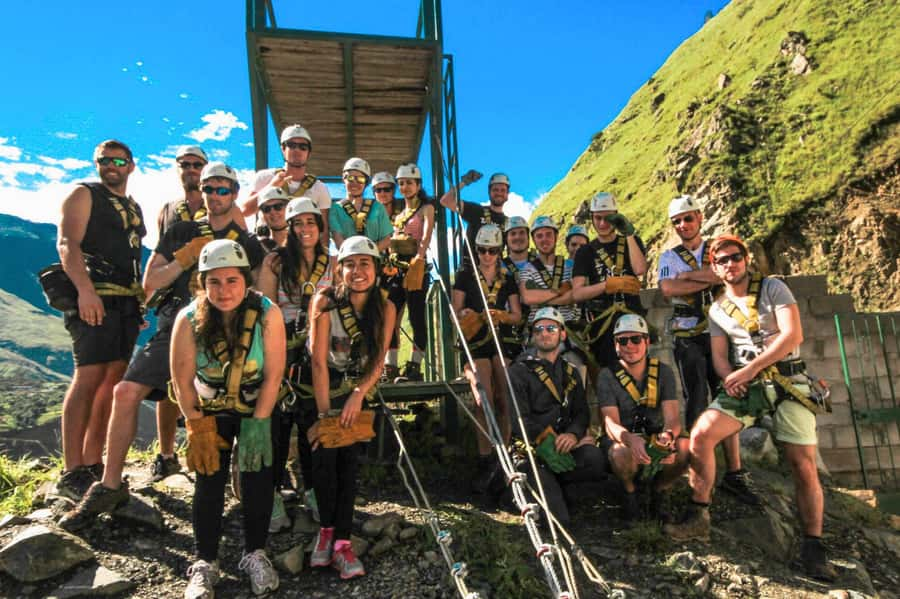
You wake at 4:00 am to meet your guide. From here, you either hike up to Machu Picchu or take the bus for an extra fee. The bus costs $15 one way, or $30 for a return ticket. Walking saves money, but the early start comes after three demanding days, so the bus can be a sensible choice if you want to arrive with more energy for the ruins.
The main visit includes a two-hour guided tour. This is where the guide’s historical skill matters most. Carlitos, for example, has been praised for his knowledge of Inca history and religion, while Andy has been praised for keeping the group going during the harder sections. Guide quality can shape your understanding of Machu Picchu, not just your pace through it.
After the guided portion, you have time to explore alone. You can also choose Huayna Picchu or Machu Picchu Mountain, but these require an extra fee and early booking. Do not count on adding one at the last minute. Entry timing and available slots are handled in advance, and the exact Machu Picchu entry time may not be known until the day before.
You return to Aguas Calientes around midday. Lunch at Machu Picchu is not included, and you can choose from restaurant options in the area. Keep some money aside for food, since the included meal plan does not cover this part of the day.
Choosing the cheaper or easier return to Cusco
The return trip is an important part of the budget calculation. The cheaper option involves walking back to the Hydroelectric Station and then taking a car to Cusco. This takes about seven hours. It saves money, but it adds another walk after Machu Picchu and makes the final day long.
The more convenient choice is the train from Aguas Calientes to Ollantaytambo, followed by a car to Cusco. The journey takes about five hours and costs more. The train ride itself is scenic, and it gives you a more comfortable finish after the early alarm and several days of exertion.
Check exactly what return arrangement you are booking, rather than assuming the $439 price includes the most convenient option. The supplied details describe return transport as optional, and the cost difference can affect the final value.
What to pack for four active days
Pack as lightly as possible. You change accommodation several times, and a small bag is much easier on the hike, at the hostels, and beside the railway. Leave bulky luggage behind if your hotel or transport arrangement permits it, but the supplied information only confirms that you must bring your passport.
Bring practical layers for the cold start at Abra Malaga and warmer conditions lower down. You will also want comfortable walking shoes, clothes for cycling, swimwear for Cocalmayo, sun protection, water, and snacks. Snacks are not included, and they are useful on the longer second day.
The activity lists a passport as required. Do not forget it, since it is needed for the Machu Picchu visit and may be checked during the trip. Feeding animals is not allowed, so keep food for yourself and follow the guide’s instructions around wildlife.
Who should choose this route
I would choose this trip if you want Machu Picchu wrapped inside a physical, varied journey. It suits people who like changing scenery and transport methods, and who would rather spend time on trails and plantations than sit in a vehicle for the full approach.
It is also a strong choice if you want a guide in English or Spanish and prefer a small group. The guide stays with you through the main route, and the better-known guide experiences here include patient support, historical explanation, and encouragement on the harder walking sections.
I would not choose it if you have altitude sickness or are looking for an easy holiday. The trip begins high, includes an early mountain descent, and places the longest walk on Day 2. Basic hostel accommodation and repeated early starts are part of the deal, not minor footnotes.
Cycling experience matters too. You do not need to be an expert, but you should feel comfortable on a bike before signing up. The rafting and zip-line are optional, so you can skip those, but the core hiking and railway walk are built into the route.
Should you book the Inca Jungle Adventure?
Book it if you want adventure before the ruins: mountain biking, cloud forest walking, plantations, hot springs, and a railway approach to Machu Picchu. The $439 price covers many major costs, and the small group, meals, guide, and entrance fee make it a practical package.
Think twice if you want private hotels, slow mornings, or a predictable return to Cusco. Budget extra for hot springs, snacks, Machu Picchu transport, lunch, mountain tickets, and possibly the train. For an active visitor who can handle Day 2 and pack light, this is one of the more interesting ways to reach Machu Picchu.
FAQ
How long is the Inca Jungle Adventure?
The activity lasts four days and ends with your return to your hotel in Cusco.
What time does pickup begin on the first day?
Hotel pickup begins at 7:00 am. Guests outside Cusco’s historic center should wait by the fountain in the main square.
Is the tour suitable for people with altitude sickness?
No. The activity is not suitable for people with altitude sickness.
What languages does the guide speak?
The live guide speaks English and Spanish.
How large is the group?
The tour is limited to 10 participants.
Is mountain biking included?
Yes. The tour includes a mountain bike and protective gear, including a helmet and knee pads. Basic biking experience is recommended.
Is river rafting included?
River rafting is offered as an optional activity on the Vilcanota River.
How much does the Cocalmayo hot spring cost?
The entrance fee is $3 per person and is not included in the tour price.
Can I take a bus to Machu Picchu?
Yes. The bus costs $15 one way, or $30 for a return ticket. You can also hike to Machu Picchu from Aguas Calientes.
Just added around Aguas Calientes
- TOUR TO MACHU PICCHU FULL DAY BY TRAIN – The Best Adventure★ 3.2 · 4 reviews
- Salkantay Trek to Machu Picchu 5 Days with Sky Lodge Domes★ 5.0 · 5 reviews
- Rainbow Mountain tour and Machu Picchu tour by train★ 4.8 · 13 reviews
- From Cusco: Train Ride and Guided Tour of Machu Picchu★ 5.0 · 6 reviews
- Machupicchu tour by tourist train in 2 days★ 4.5 · 7 reviews
- Machu Picchu 2 Days / 1 Night (By Bus)★ 3.7 · 4 reviews
- Machu Picchu: Private Tour Guide Service for up to 15 people★ 4.5 · 3 reviews
- Machu Picchu Entry Ticket and Bus from Aguas Calientes★ 3.8 · 8 reviews
Inca Jungle Treks, compared.
4-Day Inca Jungle Adventure, Mountain Biking, Rafting and Zipline
Read our review →
Inca Jungle Premium to Machu Picchu 4-Day and 3-Nights
Read our review →
Inca Jungle 4-Day Tour: Full Adventure to Machu Picchu Included
Read our review →
07 Day: Inca Jungle Adventure with Mountain Bike, Rafting, Zipline & Trek
Read our review →
Browse the lists this tour appears in