
Reviewed · MUSEUMS
Lima: Larco Museum Entry Ticket
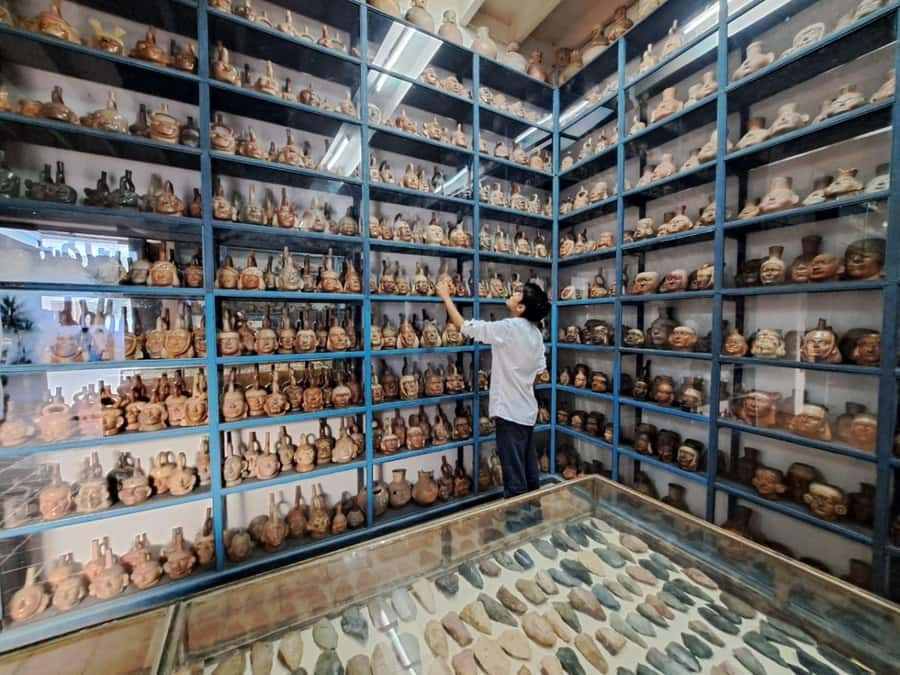
The Larco Museum puts 45,000 ancient Peruvian objects under one roof, but its most memorable room may be the collection of pre-Columbian erotic art. The pieces are frank, symbolic, and useful for understanding how ancient societies viewed sexuality, ritual, and daily life. The museum itself is part of the experience: an 18th-century vice-royal mansion with colorful rooms and flower-filled gardens.
I like the clear range of the collection, from finely worked gold and silver to Moche pottery and delicate textiles. I also like the quiet garden setting and the small restaurant beside the museum, which gives you a pleasant place to pause. The main drawback is that this is an entry ticket, not a guided tour, so you need to set your own pace and make sense of the displays on your own.
Key points to know before you go
- See 45,000 pieces in one visit: The collection covers many forms of ancient Peruvian art, including pottery, textiles, metalwork, and ceremonial objects.
- Allow two hours: That is enough for a focused visit, but you may need to move quickly if you want to read every explanation.
- Make time for the erotic-art collection: It is one of the museum’s most distinctive sections and offers cultural context, not just shock value.
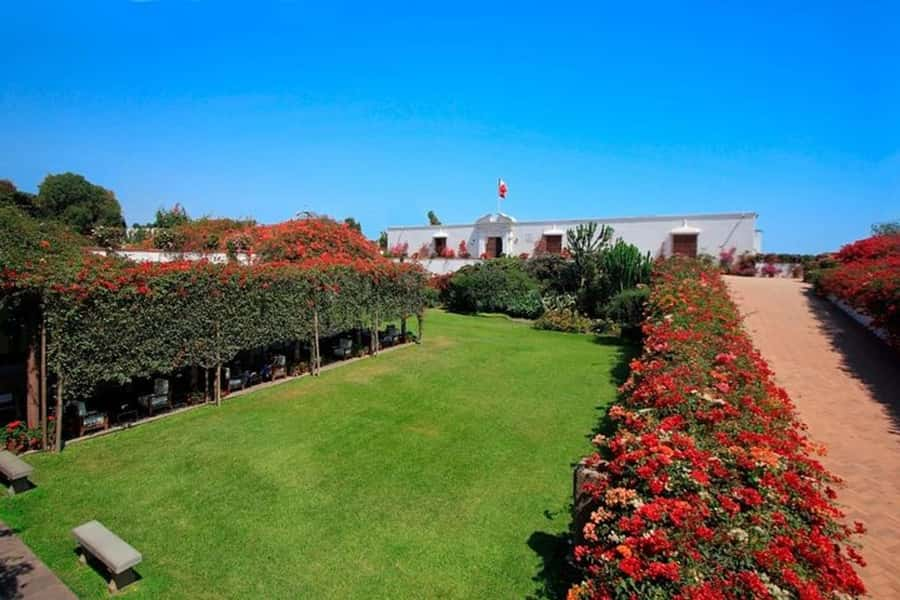
- Enjoy the mansion and gardens: The 18th-century setting and carefully tended outdoor areas add a calm, visual counterpoint to the galleries.
- Bring the correct ticket: The GetYourGuide voucher confirms your booking, but the actual museum entry ticket arrives by email the day before.
- Travel light: Large bags and luggage are not allowed, and you need a passport or ID card.
Why the Larco Museum is worth your time in Lima
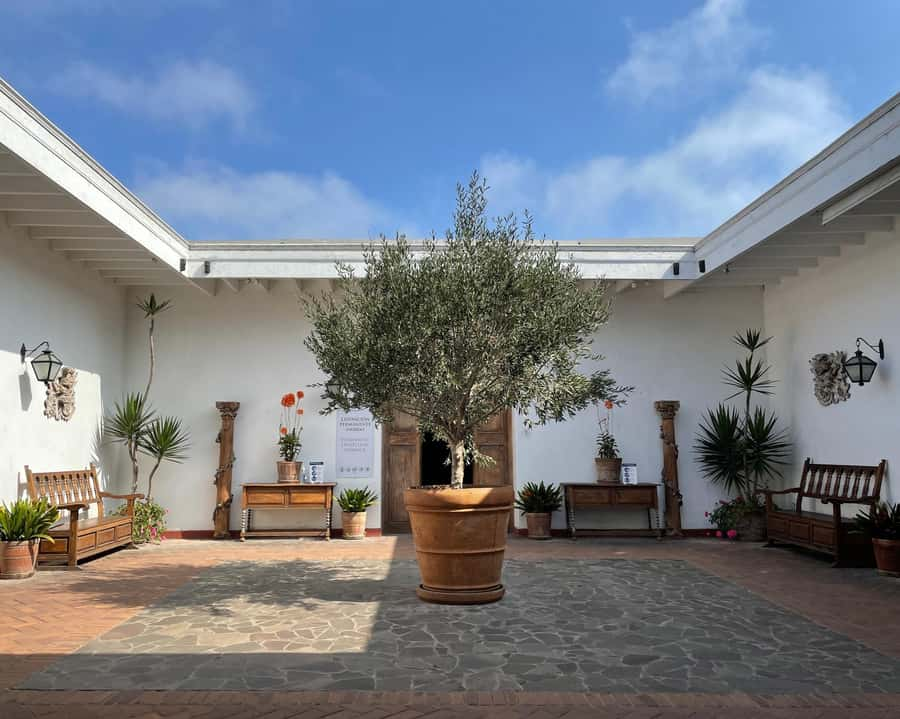
Many museums ask you to imagine the world around an artifact. At the Larco Museum, the building and gardens help establish that setting before you even begin reading labels.
The collection covers ancient Peru through objects made for daily use, ritual, ceremony, personal adornment, and burial. You will see pottery that records human figures and activities, textiles with careful patterns, and precious-metal work that shows how skilled ancient artisans were. The result is a broad introduction to several pre-Columbian cultures rather than a narrow display built around one type of object.
That range matters. A single gold ornament can be beautiful, but it tells you only so much. When you see it alongside a ceramic vessel, a woven textile, and a ceremonial object, you begin to understand how art, religion, social rank, and ordinary life were connected.
The visit is especially useful early in a Lima trip. It gives you background for other archaeological sites and museums in Peru. You do not need to arrive as an ancient-history expert. The galleries provide explanations that help place the objects in their cultural setting.
More Museum Tours in Lima
- Larco Museum, Pisco Old Tavern and Magic Water Circuit Evening Tour
★ 4.5 · 66 reviews - Pachacamac’s Inka Pyramids Tour including Museum Small-Group
★ 5.0 · 65 reviews - Lima in a Day: City Sightseeing Tour, Larco Museum and Magic Water Circuit
★ 4.5 · 63 reviews
Entering the 18th-century vice-royal mansion
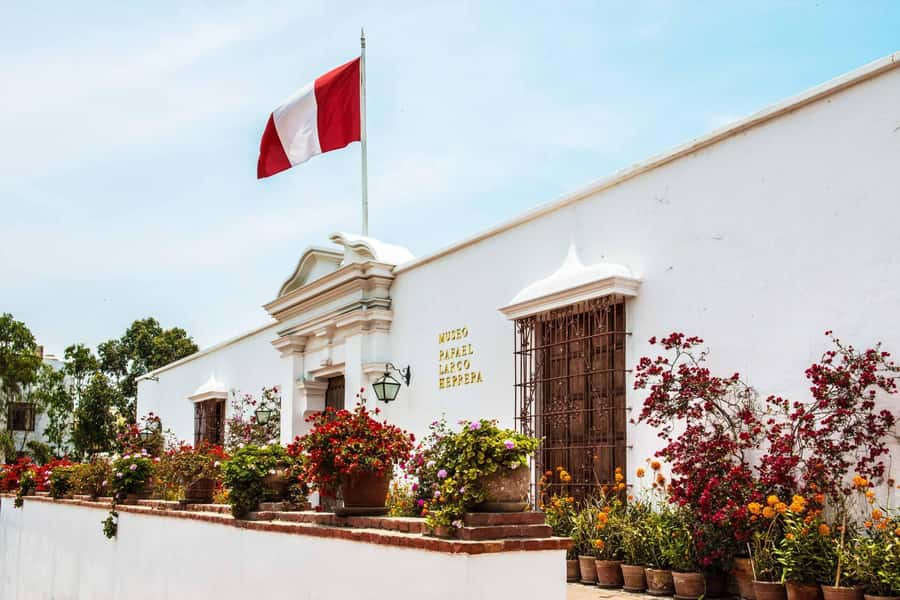
Your visit begins at the museum’s main gate. The listed location is in Lima Province, at approximately -12.0722329, -77.0706346. Show the entry ticket sent by email the day before. Your booking voucher from GetYourGuide is not the document used for access, so check your inbox before leaving your hotel.
The mansion gives the museum a different character from a modern white-box gallery. Its rooms, colors, and old architectural details make the collection feel connected to Peru’s long history, even though the building itself dates from the vice-royal period rather than the pre-Columbian era.
The setting also makes the visit feel less tiring. You move between indoor displays and open garden areas instead of spending two straight hours in dark galleries. That is one reason I would not rush through the grounds at the start. Take a moment to notice the flowers, walls, and arrangement of the property before focusing on individual objects.
You should carry your passport or ID card. Luggage and large bags are not allowed, so this visit works best when you arrive with only a small personal bag, if permitted by the museum. The supplied information does not specify storage arrangements, so avoid arriving with anything you cannot leave elsewhere.
Moche pottery and scenes from ancient life
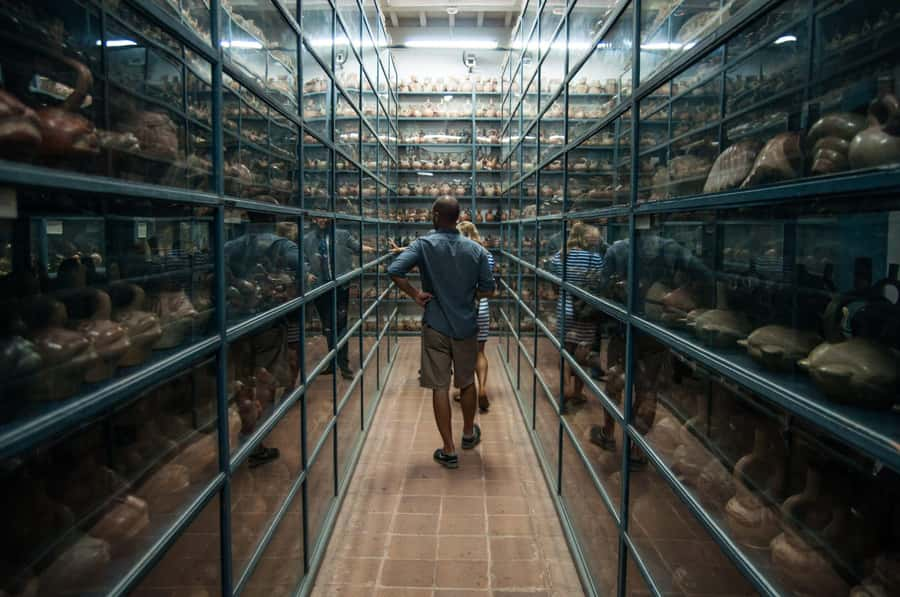
The Moche pottery deserves careful attention. These objects are not merely decorative bowls or vessels. Many have detailed human and animal forms, expressive faces, and scenes connected with work, ceremony, social life, and belief.
Look closely at the shapes and the faces. Ancient Peruvian potters used ceramic forms to show physical features and human behavior with surprising precision. You might find that a small vessel communicates more about a society than a large ceremonial object because it gives you clues about how people pictured themselves and those around them.
The museum’s explanations help you read these pieces rather than simply admire their craftsmanship. If you are visiting with children or with someone who does not usually enjoy archaeology, the pottery is a good place to start. It is visual, varied, and easier to connect with than a room of small fragments.
The collection also prepares you for the erotic-art section. Some Moche ceramics depict sexual acts in a direct way, while others connect sexuality with fertility, ritual, health, or the cycle of life. The point is not simply that the objects are provocative. Their value lies in what they reveal about a culture that represented subjects many modern museums treat cautiously.
The pre-Columbian erotic-art collection
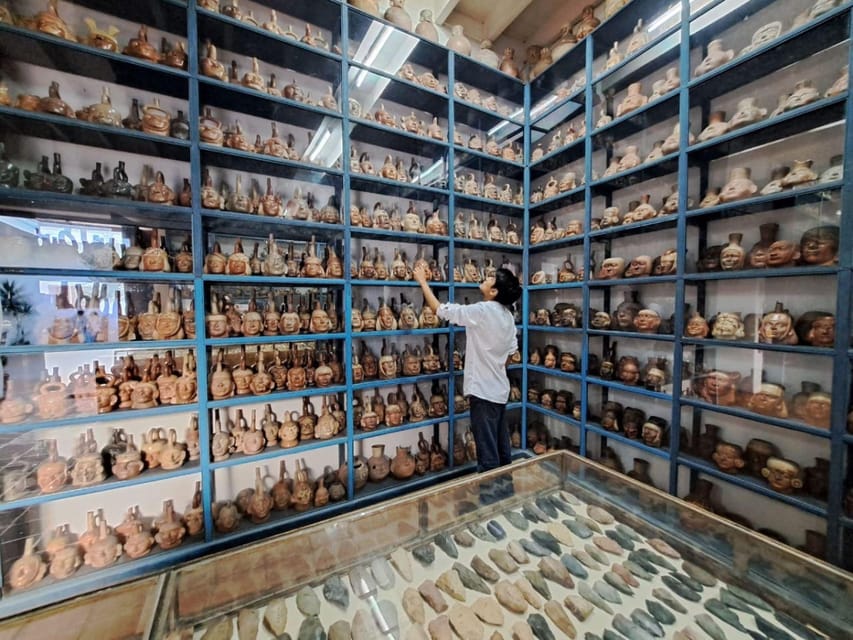
The erotic collection is the museum’s best-known special section and the part most likely to shape your memory of the visit. It includes pottery with explicit scenes and symbolic images connected with sexuality.
You should approach this gallery with the same care you would give any historical collection. These objects were made within particular religious and social systems. They are not modern illustrations, and their meaning cannot always be reduced to one simple explanation.
The gallery can be a useful reminder that ancient societies did not all separate sex, fertility, health, ritual, and death in the same way. The displays give you context so the objects become more than curiosities.
This section may not suit every family or every visitor. If you are visiting with young children, consider their age and comfort before entering. The museum’s wider collection is large enough that you can still have a full visit without spending much time here, but skipping it means missing one of the institution’s most distinctive features.
I would plan to see this gallery after you have viewed some of the pottery and broader collections. That order gives you more cultural background and helps prevent the erotic pieces from becoming the only thing you remember.
Same base, a completely different kind of day:
- Lima: Ultimate Peruvian Food Tour
★ 4.9 · 700 reviews - Lima’s Vibrant Heritage: Exploring the City’s Landmarks Half-day
★ 4.5 · 581 reviews - Private transfers from Lima Airport or to Lima Airport
★ 4.0 · 359 reviews - Lima: The Charm of Barranco & Pre Inca Pyramid in Miraflores
★ 4.9 · 322 reviews
Gold, silver, and the skill of ancient metalworkers
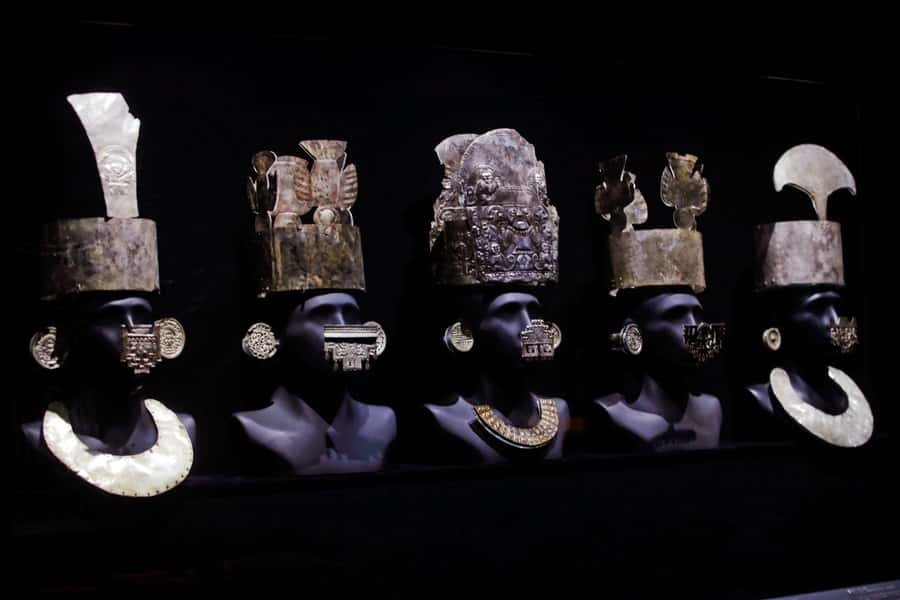
The gold and silver pieces offer a different kind of appeal. Their shine catches your eye first, but their real importance is the technical skill behind them.
Expect to see elaborate jewelry and ceremonial objects. These pieces show that ancient Peruvian societies had advanced ways to work precious metals into forms connected with power, status, and religious practice.
The display also helps correct a common mistake. Gold objects from ancient Peru were not simply decorative wealth in the modern sense. Their use could be ceremonial or symbolic, and their value was tied to the roles they played within society.
Look for construction details, repeated patterns, surface work, and the relationship between the size of an object and its likely purpose. A small ornament may have required a great deal of labor. A ceremonial piece may have been designed to be seen from a distance or used during an important public event.
The metalwork section is a strong reason to visit even if pottery is not your main interest. It also creates a nice contrast with the textiles, which ask you to study color, pattern, and materials rather than shine and weight.
Textiles that reward slow looking
Ancient Peruvian textiles can be easy to overlook because they do not have the immediate gleam of metal. Give them time.
The collection includes finely made woven pieces with detailed patterns and strong color. Textiles required planning, patience, and technical control, and they could carry information about identity, status, community, or ceremony.
You may find that the fabric displays work best when you stand close enough to see the structure of the weave. Notice how the patterns repeat and how the makers combine colors. The skill is in the small details, not just the overall design.
This part of the museum is especially valuable for anyone interested in design, clothing, or craft traditions. It also widens your view of ancient Peruvian art. The past was not made only of stone, gold, and pottery. Cloth was a major form of expression, and the museum gives it a proper place.
If your two-hour visit is strict, avoid spending all your time on the first gallery. The collection is large, and textiles, metalwork, pottery, and erotic art each offer something different. A quick first pass followed by a slower look at your favorite sections usually works better than reading every label in order.
Gardens, color, and the small restaurant
The museum’s outdoor areas are more than a pleasant backdrop. The gardens provide a quiet break between galleries, with flowers and carefully arranged plantings around the old building.
One detailed assessment of the visit praised the museum both inside and outside, especially its colors and flowers. That matches the practical appeal of the setting: you get a cultural visit with a built-in place to pause, rather than a long stretch of indoor viewing with no change of scene.
A small restaurant is attached to the museum. Food and drinks are not included in the $25 entry price, so treat the restaurant as an optional add-on rather than part of the ticket. It may be useful after your visit, especially if you want to sit down before continuing around Lima.
The gardens also make the Larco Museum a good choice for a slower afternoon. You can focus on the main galleries, step outside for a break, and return to one or two sections that deserve another look.
Is two hours enough?
Two hours is a sensible target for a first visit. It gives you time to see the main collection, the erotic-art section, the mansion, and the gardens without turning the museum into an all-day commitment.
Still, two hours will not let you read every label carefully across 45,000 objects. Think of the stated duration as a focused introduction. If you are an archaeology student, a serious art collector, or someone who reads every explanation, you may want to move at your own pace and accept that you will not see everything.
I would divide the visit like this:
- Spend the first few minutes getting oriented in the mansion and checking the museum layout.
- Give the Moche pottery enough time to understand its human scenes and forms.
- Visit the gold, silver, and textile displays with attention to technique.
- Set aside time for the erotic-art collection rather than treating it as a quick detour.
- Finish with the gardens and, if useful, the attached restaurant.
The order is flexible. If the erotic collection is your main reason for coming, go there early. If you prefer context first, begin with pottery and then move through the other galleries.
The $25 ticket and what it includes
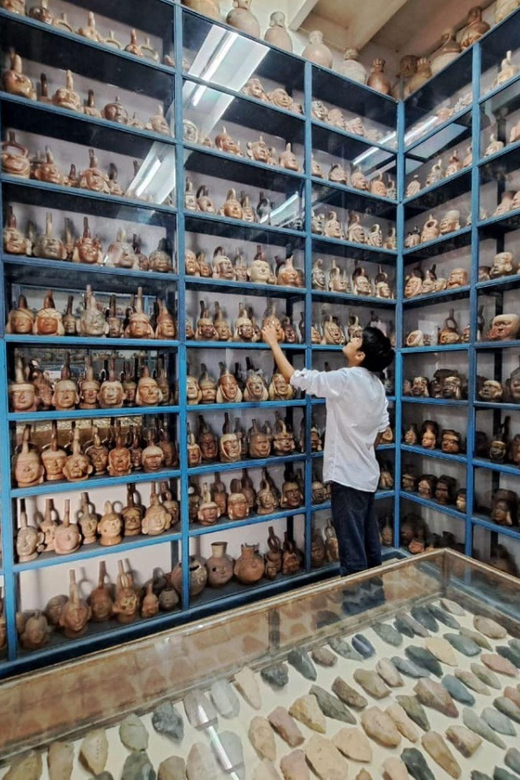
At $25 per person, this is not a bargain-basement museum admission. It is also not an expensive guided excursion, because the price covers entry only. You are paying for access to a large and distinctive collection, the old mansion, and the gardens, not transportation, food, or a personal guide.
I consider the price reasonable if you care about archaeology, art, or Peruvian culture and will use the full two hours. The breadth of the collection gives the ticket solid value. You are not paying to see a single famous object and leave after 20 minutes.
The value is less clear if you have only a short stop in Lima or prefer outdoor sightseeing. In that case, the museum requires enough attention to make the admission worthwhile. The gardens and restaurant soften the commitment, but they do not replace the need to spend time in the galleries.
Free cancellation is available up to 24 hours before the visit, and you can reserve now while paying later. Those terms are helpful if your Lima schedule is still shifting. Check the available starting times before booking, since the visit lasts about two hours.
Who should book this museum visit?
I would recommend the Larco Museum to anyone who wants a clear introduction to ancient Peruvian art without committing to a full-day excursion. It suits history fans, art lovers, families who can handle the adult material in the erotic gallery, and visitors who enjoy seeing objects in a calm setting.
It is also a good choice for you if you want variety. The collection moves from pottery to textiles, precious metals, ceremonial objects, and erotic art. You are unlikely to spend the whole visit looking at one type of object.
You may want to choose another activity if you need a guide to explain every display or if you are carrying large luggage. No guide is included, and large bags are not allowed. The day-before email is also important, since the booking confirmation itself does not provide access.
Should you book the Larco Museum?
Book it if you want one of Lima’s strongest introductions to pre-Columbian art, especially if the Moche pottery, ancient metalwork, textiles, and erotic collection all appeal to you. The old mansion, colorful rooms, flowers, and attached restaurant make the visit more pleasant than a simple gallery stop.
Skip it only if your schedule is too tight for two focused hours or if you are looking for a guided experience. Bring your passport or ID, leave large bags elsewhere, and save the actual entry ticket from the email sent the day before. With those details handled, the $25 admission gives you a thoughtful and varied look at Peru’s ancient artistic traditions.
FAQ
How long does the Larco Museum visit last?
The stated duration is two hours. That gives you time to see the main galleries, the erotic-art collection, the mansion, and the gardens, though you may not read every label in a collection of 45,000 objects.
What does the $25 ticket include?
The price includes entry to the Larco Museum. Food and drinks are not included.
Is a guide included with the ticket?
No guide is listed as included. This is an entry ticket, so you explore the museum at your own pace.
What document do I need to enter?
Bring your passport or ID card. The actual museum entry ticket arrives by email the day before the activity.
Can I enter with luggage or a large bag?
No. Luggage and large bags are not allowed, so arrive without them.
Can I cancel the booking?
Yes. You can cancel up to 24 hours in advance for a full refund. You can also reserve now and pay later.
Just added around Lima
- Full Day Pilgrims★ 5.0 · 28 reviews
- Guided Tours in Colonial and Modern Lima★ 5.0 · 54 reviews
- Sandboarding and Off Road in Lima (National Park Lomas de Ancón)★ 5.0 · 54 reviews
- Tour Miraflores + Fotografía Profesional★ 5.0 · 47 reviews
- Lima Airport Transfers by SUV/Van★ 5.0 · 34 reviews
- Lima City tour and Catacombs Museum (04 hours) Private Tour with guide in Lima★ 5.0 · 32 reviews
- In Lima: Sandboarding Off Road Half Day!!★ 5.0 · 36 reviews
- Peruvian Experience: Interactive, Cultural & Gastronomic Guided Tour★ 5.0 · 42 reviews
Museums, compared.

City Tour in Cusco & visit Museum South American Camelid Private.
Read our review →
City Tour in Cusco & visit Museum South American Camelid
Read our review →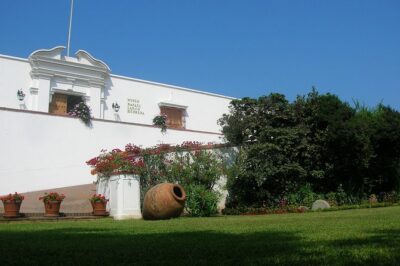
Larco Museum, Pisco Old Tavern and Magic Water Circuit Evening Tour
Read our review →
Pachacamac’s Inka Pyramids Tour including Museum Small-Group
Read our review →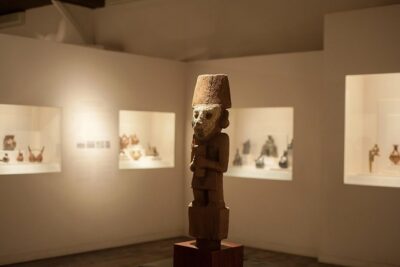
Lima in a Day: City Sightseeing Tour, Larco Museum and Magic Water Circuit
Read our review →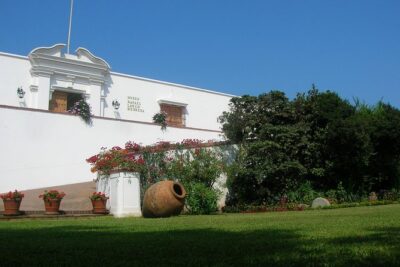
Lima´s Vibrant Heritage & Larco Museum of Cultures Half Day Tour
Read our review →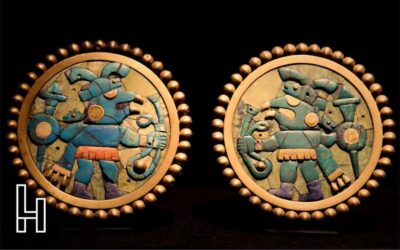
Pachacamac Inka Pyramids & The Larco Museum Tour
Read our review →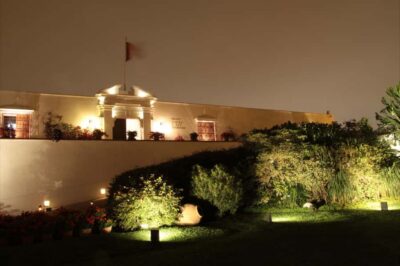
Huaca Ruins and Larco Museum at Night with Dinner
Read our review →Browse the lists this tour appears in