
Reviewed · GUIDED
From Cusco: Full-Day Touristic Bus to Puno with Guided Tours
The finest part of this journey is that the long ride between Cusco and Puno becomes a full day of discovery. Instead of simply watching the Andes pass by a bus window, you stop at a painted colonial church, an Inka temple, a high mountain pass, and a museum devoted to the area’s early cultures. I especially like the guided visits at Andahuaylillas and Raqchi, plus the chance to eat lunch in Sicuani rather than at a roadside stop. The main drawback is the length: ten hours is a serious day on the road, and the short visits will not satisfy anyone who wants a slow, detailed archaeological tour.
You should also confirm your pickup time and transport details before departure. One traveler had to contact the provider directly to receive the bus information and arrange pickup the day before. That is an avoidable nuisance, but it is useful advice. The tour itself has earned excellent ratings for its guides and selection of stops.
Key points to know before booking
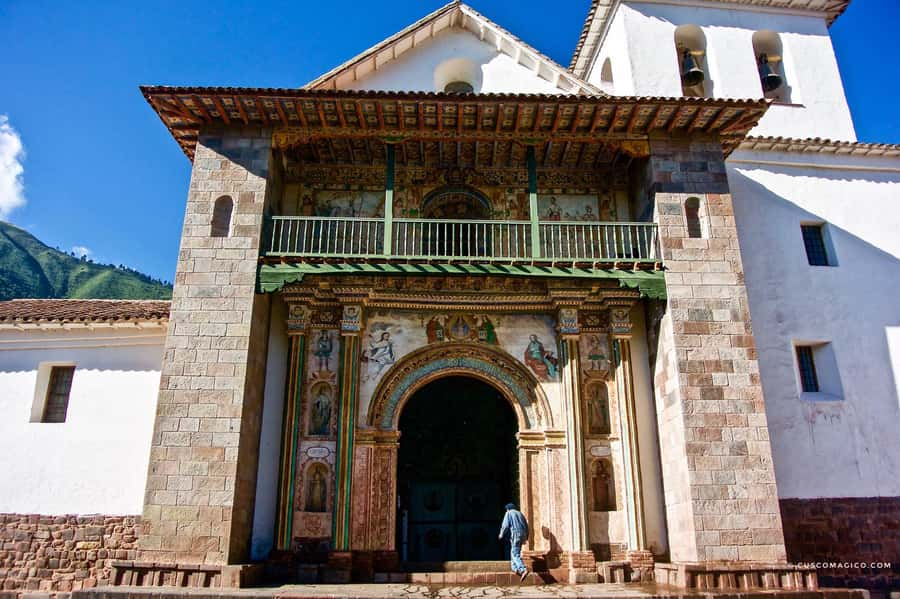
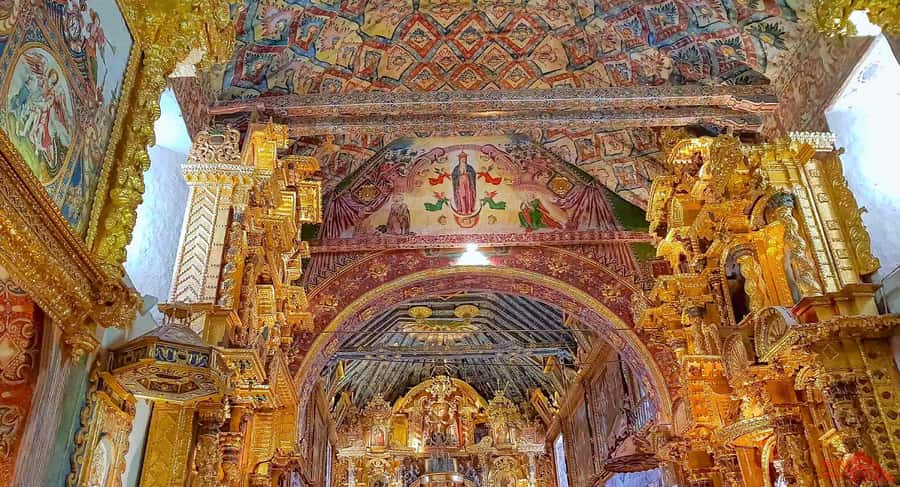
- Andahuaylillas church: See extravagant murals and gold decoration inside a 16th-century church often called the Sistine Chapel of the Andes.
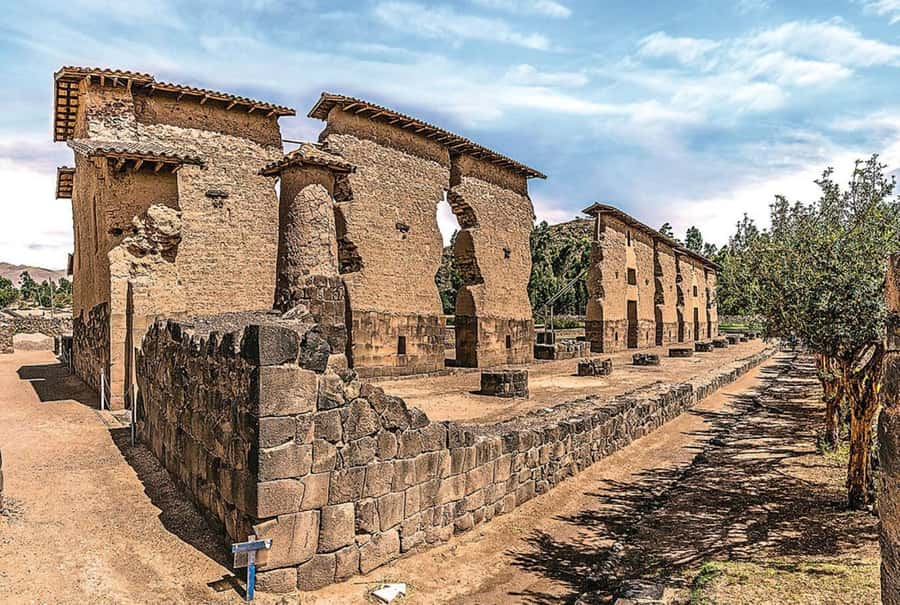
- Raqchi temple: Walk through the remains of an important Inka religious center dedicated to the worship of the sun.
- Sicuani lunch stop: Eat a buffet lunch in a local town roughly midway through the trip.
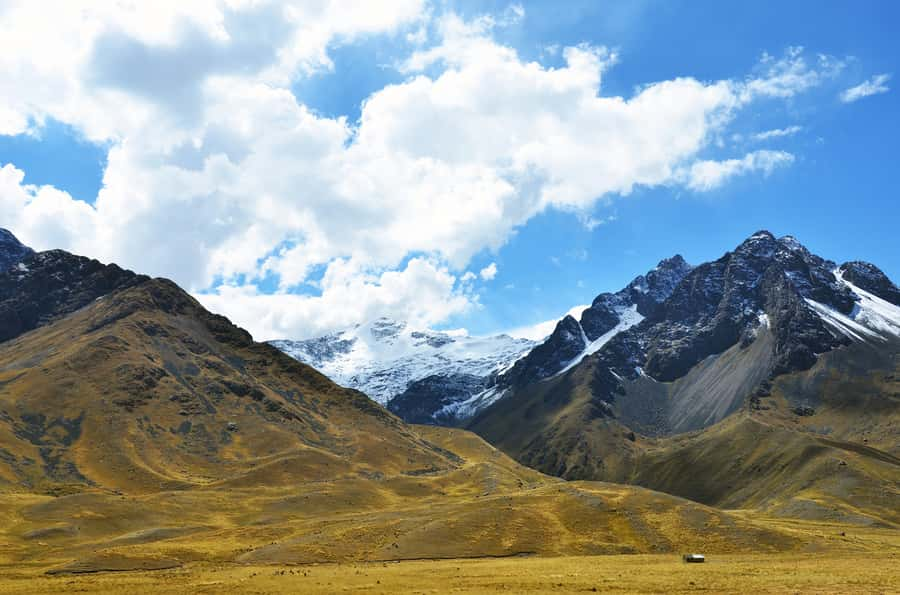
- Raya Pass at 4,335 meters: Step off the bus for high-altitude mountain views, freshwater pools, snow-capped peaks, and souvenir stalls.
- Pukara Lithic Museum: Learn about Inkan and Aymaran culture through artifacts and an archaeological site.
- Cusco to Puno convenience: Hotel pickup in Cusco, hotel drop-off in Puno, reclining seats, drinks, oxygen, and a first-aid kit are included.
Why this bus ride is worth making
The road from Cusco to Puno crosses Peru’s southern altiplano, the broad high region between the Andes ranges. It is a long transfer, but this route gives the journey a purpose. You see sacred buildings, old settlements, mountain scenery, and evidence of cultures that came before and after the Inka Empire.
At $130 per person, the price is not simply for a seat on a bus. It covers transport, guided visits, entrance fees, bilingual service, drinks, and a buffet lunch. If you planned to arrange each stop and transfer separately, you would need to manage several tickets and local connections. Here, the main value is convenience combined with interpretation.
You should still judge the price against your travel style. If your priority is reaching Puno as quickly and cheaply as possible, a basic bus transfer may be better. If you want to understand what you are seeing along the way, this organized version makes more sense.
The bus has comfortable reclining seats, which matter on a ten-hour route. Hot and cold drinks are served on board, and medicated oxygen and a first-aid kit are available. The information does not specify the group size, so you should expect a shared tour rather than a private excursion.
A few more Puno & Lake Titicaca days worth weighing up
- Puno: Full-Day Tour of Lake Titicaca and Uros & Taquile
★ 4.4 · 178 reviews - Puno: Full-Day Route of the Sun Tour to Cusco with Lunch
★ 4.7 · 131 reviews - From Puno: full day tour to Uros and Taquile with Lunch
★ 4.6 · 95 reviews
Andahuaylillas and the painted church interior
The first major visit is St. Peter the Apostle of Andahuaylillas, a 16th-century church in the small town of Andahuaylillas. Its nickname, the Sistine Chapel of the Andes, gives you a useful clue: the attraction is not the size of the building, but the lavish decoration inside.
Your guide explains the church’s role during the colonial period and points out the murals and gold embellishments. This is an important early stop because it introduces the meeting of Andean traditions and Spanish Catholic influence. The church belongs to a period when religious art was used to teach Christian stories, and the interior gives you a clear sense of how visual and ornate that effort could be.
The visit lasts about 20 to 40 minutes. That is enough time to see the principal decoration and ask questions, but not enough for a long study of every painting. You will want to listen closely during the guide’s explanation, then use any remaining time for a careful look around.
Photography rules are not provided, so follow the instructions at the church. As with any active religious building, keep your voice low and treat the interior as a place of worship, not just a sightseeing stop.
Raqchi and the Inka religious world
The next stop is Raqchi, an extensive Inka site associated with the worship of the sun. Here, the open grounds matter as much as any single object. You get a sense of scale and can picture the site as a functioning religious and ceremonial center rather than a collection of isolated stones.
The guide places Raqchi within the story of the Inka Empire and explains what life may have been like for people who came here to honor the sun. That context is useful because ruins can otherwise be hard to read. A short explanation helps you connect walls, foundations, and open spaces with the people who used them.
Plan on walking outdoors during this stop. Wear shoes that are comfortable for uneven ground, and bring sun protection. The itinerary allows 20 to 40 minutes here, so you will not have unlimited time to inspect the entire archaeological area. The upside is that the schedule keeps the day moving. The downside is that anyone with a strong interest in Inka architecture may wish for a longer visit.
Raqchi is also one of the better places to appreciate the change from Cusco’s nearby valleys to the open altiplano. The ride between stops becomes part of the experience, with broad views of the Andes and high plains outside the bus.
Sicuani lunch and a useful break
After Raqchi, the bus stops in Sicuani for a buffet lunch. This is more than a practical meal break. It divides the journey into two manageable sections and gives you a chance to stretch, eat, and settle in before the highest part of the route.
The food is described as authentic Peruvian cuisine, served buffet-style. Specific dishes are not listed, so do not book this expecting a fixed menu or a particular regional specialty. Extra meals and drinks are not included, but the scheduled lunch and on-board hot and cold drinks are covered.
Sicuani is a quaint town, and stopping here gives the day a more local feel than eating at a highway service station. Still, the information does not specify how much free time you have in town. Treat this as a meal stop, not a separate walking tour.
If you are sensitive to altitude or long bus rides, lunch is a good moment to take things slowly. Drink water, eat lightly if needed, and avoid turning the break into a rushed meal. The route continues upward toward Raya Pass.
Same base, a completely different kind of day:
- From Puno: Uros, Amantaní & Taquile Islands 2-Day Tour
★ 4.5 · 452 reviews - From Puno: Floating Islands of the Uros Half-Day Tour
★ 4.4 · 394 reviews - Lake Titicaca 2-Day Tour to Uros, Amantani and Taquile
★ 4.4 · 199 reviews - Floating Islands of the Uros
★ 4.2 · 101 reviews
Raya Pass at 4,335 meters above sea level
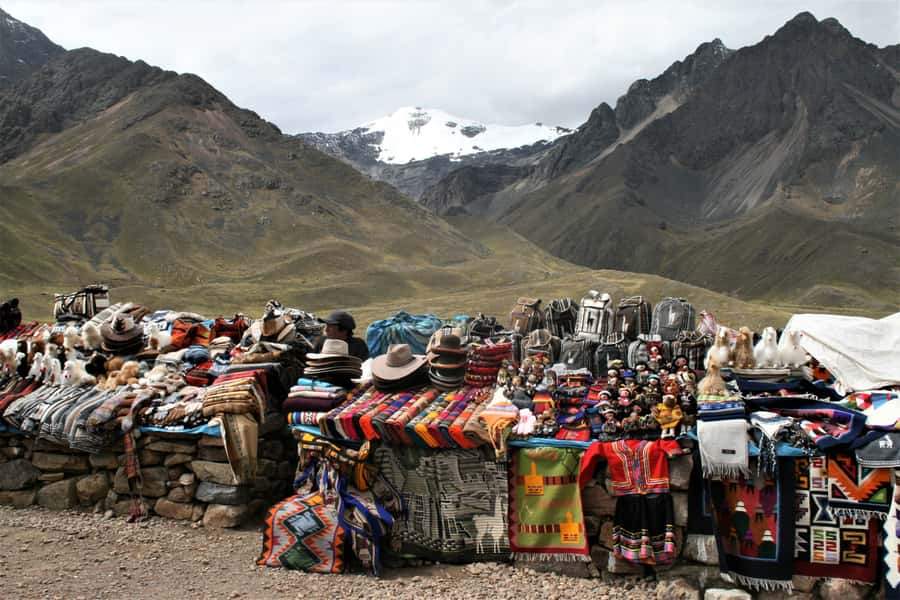
Raya Pass is the visual high point of the trip. At 4,335 meters above sea level, it offers broad views of snow-capped mountains, freshwater pools, and the high Andes. You also find vendors selling traditional souvenirs, so there is an opportunity to browse or buy a small keepsake.
The stop is short, but the elevation makes it memorable. The air may feel thin, especially if you are not accustomed to high mountain travel. Walk slowly, avoid unnecessary exertion, and keep warm. The tour includes medicated oxygen, which is reassuring, but that does not remove the need to pay attention to how you feel.
This is a place for photographs, but the scenery can be just as rewarding without trying to document every minute. Look beyond the souvenir stalls to the mountains and open plains. The pass gives you a physical sense of the scale of the Andes that you cannot get from a church or museum display.
Weather at high elevation can change quickly, though no specific forecast or clothing list is provided. Bring layers and protect yourself from strong sun. A passport is listed as something to bring, so keep it accessible.
Pukara and the cultures before the Inka
The final major visit is the Lithic Museum in Pukara. This stop broadens the story beyond the Inka Empire. You learn about Inkan and Aymaran culture while viewing rare artifacts and walking through the museum’s archaeological site.
Pukara matters because the southern Andes have a long cultural story, not a single Inka chapter. The museum helps you see the region as a place shaped by different communities over time. Your guide’s explanation is particularly useful here, since small stone objects and museum pieces may not mean much without context.
The visit lasts about 20 to 40 minutes. That is enough for an introduction, but not a full museum study. If you enjoy archaeology, you may want to pay close attention to the guide and use your own time to examine the objects rather than rushing for photographs.
By this point, the day has moved from colonial Christianity to Inka religion, then to earlier Andean cultures. That progression gives the tour a sensible historical rhythm. You are not just collecting stops. You are watching the region’s story unfold across centuries.
The final ride into Puno
After Pukara, you continue south toward Puno. The bus drops you at your accommodation, which is a major advantage after a full day on the road. You do not need to locate a taxi or carry your luggage from a bus terminal, provided your accommodation is covered by the pickup and drop-off arrangements.
The stated duration is about ten hours. Starting times vary, so check availability carefully when booking. This is an early departure and a full-day commitment, not a relaxed afternoon excursion.
The transfer works best if you have just finished your time in Cusco and are heading onward to Lake Titicaca and Puno. It also suits anyone who wants to connect the two cities while seeing several important sites. It is less suitable if you have only one short day in Cusco and want to preserve your energy for the city itself.
Guides, language, and the pace of the day
The live guiding is available in English and Spanish. Guided visits are specifically provided at Andahuaylillas, Raqchi, and Pukara, so you receive explanation at the key cultural sites rather than only a driver’s commentary from the front of the bus.
The strongest praise attached to this experience concerns the guides and the quality of the places visited. That matches the tour’s design: the stops are varied, and each one has a clear story to tell. The guide is especially important at the church and archaeological sites, where a short explanation can make the difference between seeing old walls and understanding their purpose.
The schedule is brisk. Each visit lasts about 20 to 40 minutes, and the day includes a long stretch of road travel. You should enjoy seeing several highlights in one day, but you should not expect extended quiet time at any single site.
What to pack for this 10-hour crossing
Bring your passport, as specifically requested for the activity. I would also pack a light layer system, comfortable walking shoes, sun protection, water, and anything you personally need for a long day on a bus.
The bus provides hot and cold drinks, and lunch is included, but extra snacks and drinks are not. Bringing a small snack is sensible if you prefer to eat between scheduled stops.
The most important preparation is mental: this is a transfer with sightseeing, not a short city tour. You will spend many hours seated, then step out for focused visits. The reclining seats help, but the pace remains demanding.
Who should book this Route of the Sun trip?
I would recommend it to you if you want to move between Cusco and Puno while seeing major historical sites along the way. It is also a strong fit if you prefer organized transport, need hotel pickup and drop-off, and appreciate having entrance fees, lunch, and bilingual guides handled together.
It suits first-time visitors who want a clear introduction to the southern Andes. The sequence of stops gives you colonial art, Inka history, earlier Andean cultures, mountain scenery, and a local meal without requiring several separate bookings.
I would hesitate to recommend it if you dislike long bus days, need lots of time at archaeological sites, or prefer to set your own pace. The 20 to 40 minute visits are enough for orientation, but not for deep exploration. Families and older visitors should also consider the high altitude at Raya Pass and the early start.
Is the $130 price fair?
The $130 cost is reasonable for a guided, all-day transfer that includes hotel pickup in Cusco, accommodation drop-off in Puno, transport, site entrances, lunch, drinks, and bilingual service. You are paying for a practical connection between two major destinations, with the sightseeing built into the route.
The value is strongest when you would otherwise pay separately for transport, entrance tickets, and local guides. It is weaker if you only want a seat from Cusco to Puno and have no interest in the stops.
There is also value in reducing the number of decisions you need to make during a complicated travel day. The one concern is communication before departure. Contact PVTravel in advance to confirm the pickup time and obtain your bus details. Do not wait until the last day if you can avoid it.
Should you book it?
Book this tour if you want the most interesting possible version of the Cusco to Puno transfer and can handle a ten-hour day. The excellent guide feedback, varied stops, included lunch, and hotel-to-hotel service make it a practical choice.
Skip it if you want a fast transfer or a slow archaeological visit. For everyone else, the route gives real substance to a long journey, with Andahuaylillas, Raqchi, Raya Pass, and Pukara each contributing something different.
FAQ
How long does the tour from Cusco to Puno take?
The tour lasts about 10 hours, including the scheduled sightseeing stops and lunch in Sicuani.
What places do you visit along the route?
The tour visits St. Peter the Apostle of Andahuaylillas, the Inka temple of Raqchi, the town of Sicuani for lunch, Raya Pass, and the Lithic Museum in Pukara.
Is lunch included?
Yes. A buffet lunch in Sicuani is included. Extra meals and drinks are not included, although hot and cold drinks are provided on board.
Are the tours guided in English?
Yes. Live guiding is available in English and Spanish. Guided tours are included at Andahuaylillas, Raqchi, and Pukara.
Is hotel pickup and drop-off included?
Pickup from your accommodation in Cusco and drop-off at your accommodation in Puno are included. Confirm the exact pickup time and transport details with the provider before departure.
What should I bring?
Bring your passport. Comfortable clothing and shoes are also sensible for the outdoor stops, especially at Raya Pass and Raqchi.
Just added around Puno & Lake Titicaca
- Uros Floating Islands Tour in Puno★ 3.7 · 9 reviews
- TRIP FROM PUNO TO CUSCO WITH THE ROUTE OF THE SUN★ 4.7 · 16 reviews
- Two Day Lake Titicaca Tour With Homestay★ 3.7 · 6 reviews
- Two-Day Tour to Uros with Amantani and Taquile from Puno★ 5.0 · 44 reviews
- Full Day Guided Tour of the Aymara Route from Puno★ 5.0 · 55 reviews
- Full-Day Tour of Uros, Taquile and Sillustani from Puno★ 5.0 · 41 reviews
- Full Day Lake Titicaca Tour to Uros and Taquile Islands★ 4.5 · 56 reviews
- Titicaca Lake 2 Day 1 Night from Cusco to Puno★ 4.5 · 33 reviews
Guided, compared.
Paracas and Huacachina Oasis Full Day Guided Tour
Read our review →

Paracas and the Huacachina Oasis Guided Day Tour
Read our review →
Pachacamac Ruins & Barranco Half-Day Guided Tour
Read our review →
Browse the lists this tour appears in