
Reviewed · PUNO & LAKE TITICACA TOURS
From Cusco: 3-Night Lake Titicaca Excursion
Lake Titicaca feels most special when you leave Puno’s waterfront and spend time with families who live on the islands. This four-day Peru Hop trip takes you from Uros’s floating reed islands to an overnight homestay on Amantani, then to the rural Llachon Peninsula.
I like the strong cultural focus and the careful timing handled by guides such as Bruno, Juan Carlos, and Roberto. I also like that the $109 price includes the Cusco to Puno transport, boats, island entries, a bilingual guide, and lunch in Llachon. The catch is plain: you spend two nights on a bus, and the Puno hostel used for waiting and bag storage has drawn serious complaints about cleanliness and comfort.
Key points to know before booking
- A true overnight island stay: You sleep in a local family home on Amantani, not in a standard hotel.
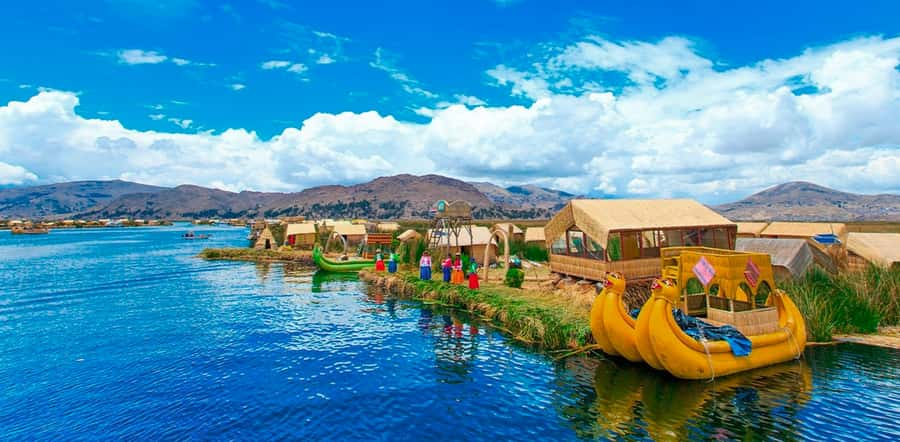
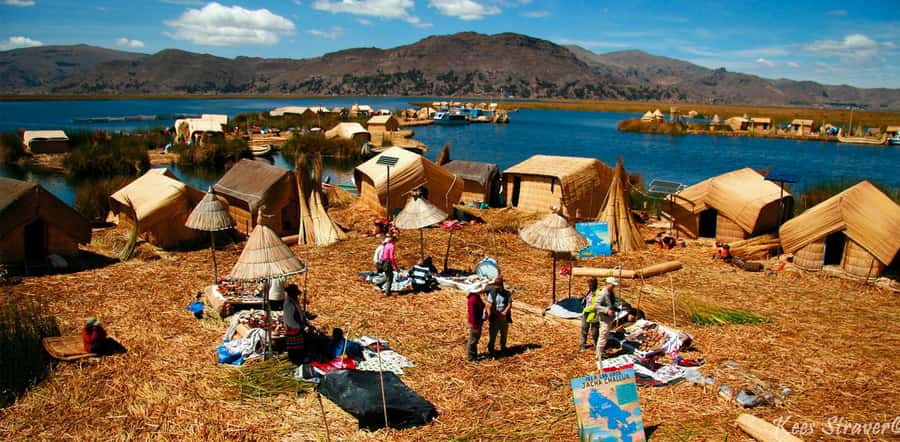
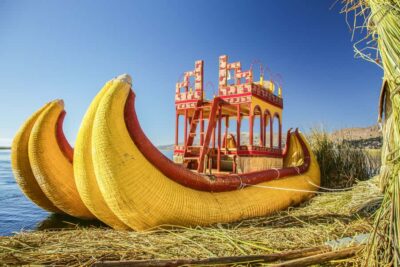
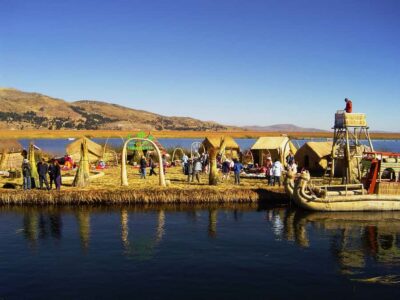
- Uros is a practical cultural stop: The floating islands are built from totora reeds, with an optional reed boat ride costing S/.10.
- The bus schedule saves hotel nights: You leave Cusco at 9:30 pm and return around 5:00 am on the fourth day.
- Amantani is the emotional center: A family meal, conversation, music, and a possible sunset walk to Pachatata give this trip its strongest moments.
- Puno downtime is the weak link: You may wait several hours in a basic partner hostel before the boat and again before the return bus.
- Pack for cold conditions: The night bus can feel very cold, even with a small blanket, so bring warm layers and cash.
Why this trip is about more than a boat ride
Lake Titicaca is famous for its height and blue water, but the best reason to come is human scale. On Amantani, you eat in a family home and see how daily life is shaped by the island, its crops, its customs, and its distance from the mainland.
The itinerary also gives you three different views of the lake. Uros presents an unusual man-made environment built from reeds. Amantani offers a family homestay and island traditions. Llachon shows a rural lakeside community on the peninsula, with seasonal work and open views.
That variety makes the trip feel worthwhile. You are not simply checking off one island and returning to Puno. You are moving through several communities with different ways of living beside the same enormous lake.
Still, this is not a restful getaway. The trip is described as a four-day experience, but only two nights are spent away from regular transport, and both nights are on buses. If you need a proper bed each night or dislike strict group schedules, you should think carefully before booking.
A few more Puno & Lake Titicaca days worth weighing up
- From Puno: Uros, Amantaní & Taquile Islands 2-Day Tour
★ 4.5 · 452 reviews - From Puno: Floating Islands of the Uros Half-Day Tour
★ 4.4 · 394 reviews - Lake Titicaca 2-Day Tour to Uros, Amantani and Taquile
★ 4.4 · 199 reviews
Night one: the 9:30 pm bus from Cusco
You meet at Peru Hop’s private bus terminal at Alameda Pachacuteq 499 B. From the Plaza de Armas, the ride to the terminal usually takes 10 to 15 minutes, but this is not a hotel pickup. Plan your own way there and give yourself time to find the correct building.
The overnight bus leaves at 9:30 pm for Puno. The service includes Wi-Fi and a comfortable bus setup, though comfort is not the same as a warm night’s sleep. One important practical warning is the temperature. A small lap blanket is provided, but one passenger reported still feeling very cold while wearing several warm layers, a hat, and gloves.
I would pack a thermal top, fleece or thick sweater, puffer jacket, warm socks, and a hat. Keep those items in your seat bag rather than in luggage stored below the bus. The journey is around seven hours, and arriving tired affects how much you enjoy the first day on the lake.
The overnight departure does save you a hotel night and a separate daytime transfer. That helps explain the low price, but it also means you begin the island portion after traveling through the night.
The early Puno wait and the boat to Uros
You arrive in Puno at about 5:00 am. A transfer takes you to a partner hostel where you can leave your luggage. Breakfast is optional and costs extra. You can also pay to use the hostel facilities, including a shower.
This is the least polished part of the arrangement. You may wait there until pickup at 7:40 am, and later you return to the same area before the overnight bus back to Cusco. That creates a long period in a place that has been described as dingy, cold, and poorly maintained. The shower area, in particular, may not meet your expectations.
If you want breakfast, a cafe next door may be a more appealing option than eating at the hostel. Bring small cash for food, showers, and other personal costs. The tour covers key transport and entries, but it does not cover every expense during these waiting periods.
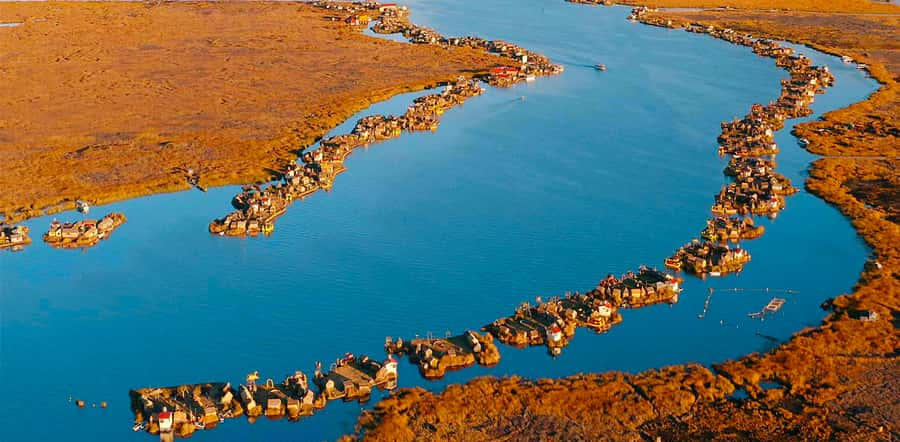
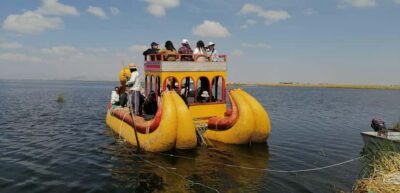
At 8:15 am, you board the boat for Uros. The ride takes you to the famous floating islands made from totora reeds. These islands are not just natural formations. They are built and maintained by people using layers of reeds, which must be replaced over time.
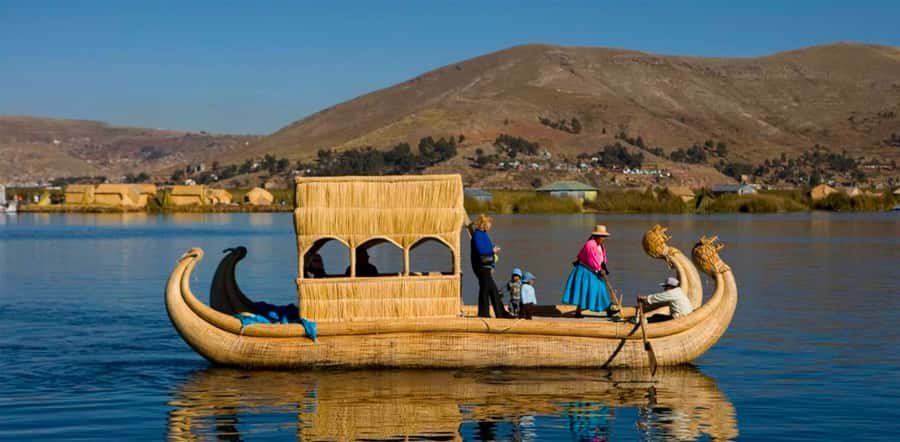
Your guide explains how the islands work and how the communities use the lake. You may also be offered an optional reed boat, sometimes called a Kontiki, for S/.10. It is not included, so decide for yourself if the extra ride adds enough value. You can also simply stay with the group and focus on the island visit.
Uros is visually striking, but it can feel organized for visitors. Go with realistic expectations. It is an important introduction to life on Lake Titicaca, yet the Amantani homestay usually offers the more personal part of the trip.
Amantani: the part that gives the trip its heart
At about 10:30 am, the boat heads across the lake toward Amantani. The journey takes several hours, and the upper deck lets you sit in the sun. Conditions can change, so carry a warm layer even if the morning begins brightly.
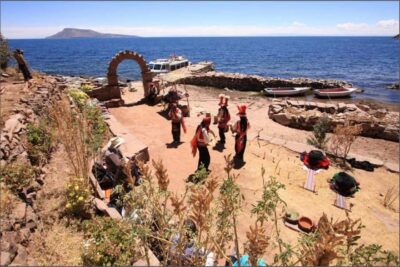
You arrive around 1:30 pm and meet your host family. A typical lunch is served at the family home, using natural local products. This meal is more than a scheduled stop. It is your first chance to sit in the household, see the setting, and begin the exchange that makes the overnight stay different from an ordinary island tour.
The family may not speak English. That is worth knowing before you arrive, especially if you expect constant conversation. A bilingual guide helps with logistics and interpretation, but you should be ready to communicate through simple Spanish, gestures, and patience.
The cultural exchange works best when you treat it as a visit rather than a performance. Ask questions when you can, show interest in the family’s routines, and accept that the pace may be quieter than a guided city tour. The hosts open their home and share meals, which is a meaningful part of what you are paying for.
At around 4:00 pm, you can hike to Pachatata temple to watch the sunset. The walk is optional, so you can rest at the house if you are worn out from the bus and boat. The high altitude and the long first day can make a quiet evening the sensible choice.
Dinner is normally around 7:00 pm. Later, local music and dancing may be arranged, or you can relax in the family home. The timing gives you a full island evening without forcing you to stay out late. Bring only what you need for the overnight stay, since your larger bag remains in storage.
The accommodation is a homestay, not a hotel. Expect a simple family setting and a more direct view of island life. That is the point of this night, but it may not suit anyone looking for private facilities or hotel-style service.
Same base, a completely different kind of day:
- Puno: Full-Day Tour of Lake Titicaca and Uros & Taquile
★ 4.4 · 178 reviews - Puno: Full-Day Route of the Sun Tour to Cusco with Lunch
★ 4.7 · 131 reviews - Floating Islands of the Uros
★ 4.2 · 101 reviews - Cusco: Scenic Route of the Sun to Puno with Buffet Lunch
★ 4.8 · 101 reviews
Morning on Amantani and the move to Llachon

Breakfast at the family home is scheduled for 7:00 am. You then have some free time before leaving for Llachon Peninsula at 12:30 pm. This gap gives you a little room to enjoy the island without rushing straight from breakfast to the next boat.
The schedule is still firm. Group tours depend on boat departures, and the guide will keep you moving so the rest of the day stays on track. Some people appreciate that structure, while others may find they have limited freedom to wander. Keep an eye on the meeting instructions rather than heading far from the group.
Llachon is on the mainland peninsula rather than another floating island. You arrive at about 1:15 pm and see seasonal activities in this rural lakeside community. The stop offers a different picture of Titicaca, with open views and local work tied to the time of year.
Lunch is included in Llachon, listed around noon in the schedule even though the arrival is closer to 1:15 pm. Exact times can shift on the water, so treat the schedule as a guide rather than a promise. Weather, lake conditions, mudslides, flooding, strikes, demonstrations, and other disruptions can change the route.
You have free time here to enjoy the setting before returning by boat to Puno. Llachon is less about a single famous attraction and more about seeing how a rural community uses its shoreline. If you value quiet scenery and local routines over a packed list of monuments, this stop adds balance to the trip.
Returning to Puno and facing the long wait
The boat reaches Puno at about 5:00 pm, and you return to the partner hostel near the central plaza. Your bags are available there, and you can pay to use the facilities before the bus.
The return bus pickup is scheduled between 9:00 and 9:30 pm. That can leave you with four hours or more to fill. The wait is the main practical weakness of the trip, especially after a full day on the lake. The hostel may be useful for luggage, but do not think of it as a comfortable lounge.
You might use the time for dinner in Puno. Dinner is not included, and you should budget for it separately. You can also ask about a shower, though this costs extra. Having cash makes this part easier because the trip specifically advises bringing it.
The bus then leaves for Cusco, giving you a second overnight ride. You arrive around 5:00 am and are dropped at your hotel or hostel. In practical terms, you have an early arrival after another difficult night, so avoid planning an important morning appointment.
What the $109 price really buys you
At $109 per person, the trip offers strong transport value. The price includes guided transport from Cusco to Puno, the boat service, Uros and Amantani entry fees, the bilingual guide, Wi-Fi on the Peru Hop bus, and lunch in Llachon.
It also includes the Amantani family stay, which is the part that would be hardest to arrange independently if you do not speak Spanish or know local contacts. The guide links the buses, hostel, boat, island families, and return transfer into one plan.
The price looks less attractive if you want comfort. You pay with two overnight bus rides, long waits, extra food, and optional hostel services. Breakfast in Puno, dinner before the return bus, the S/.10 reed boat ride, showers, and possible other personal expenses are outside the listed cost.
I see this as a good-value cultural route for an active budget visitor. It is not a cheap luxury tour. You are trading comfort and flexibility for access, coordination, and a family homestay.
Guides, group control, and the human side
A bilingual Spanish and English guide travels with the tour and handles the complicated handoffs. Bruno has been especially attentive on this route, and Juan Carlos and Roberto have also been praised for keeping meetings and timings organized.
That help matters because the trip has many moving parts. You change from bus to hostel, hostel to boat, boat to island family, island to peninsula, and boat back to a bus. A good guide keeps you from having to solve each step while tired.
The group structure can also feel restrictive. You may be called back if you wander away to visit a shop or take in a view. The guide may talk at length, and some exchanges about the homestay may happen in front of the host family. If you prefer complete independence, this will test your patience.
At the same time, strict coordination protects the itinerary. Missing a boat or bus here is not a small mistake. I would treat the group rules as part of the cost of getting to remote places on a short schedule.
Who should book this Lake Titicaca trip?
This excursion suits you if you want:
- A first visit to Lake Titicaca with transport arranged from Cusco
- A genuine family homestay rather than only a short island visit
- Uros, Amantani, and Llachon in one compact route
- A bilingual guide to manage Spanish language and transfers
- A lower-cost alternative to arranging buses, boats, entries, and lodging separately
It is less suitable if you need accessible transport, private hotel rooms, or a relaxed pace. The experience is not recommended for children under four, pregnant people, or wheelchair users. The two overnight buses also make it a poor match for anyone who sleeps badly on the road.
Should you book it?
Book this trip if the Amantani homestay is your main goal and you accept that the route is transport-heavy. The family meal, island evening, and possible Pachatata sunset give you the most personal experience in the itinerary, while Uros and Llachon add useful contrast.
Skip it if you want polished facilities, free time, and reliable sleep. If you do book, pack very warm clothing for both buses, bring cash, keep your bag small for the island night, and plan to spend extra on food and possibly a shower in Puno. At $109, this is a practical way to reach Lake Titicaca, but its value comes from access and cultural contact, not comfort.
FAQ
How long is the Lake Titicaca excursion?
The experience lasts four days and includes two overnight bus journeys. It is also described as a three-day activity with two nights spent traveling by bus.
Where does the trip begin in Cusco?
You meet at the Peru Hop private bus terminal at Alameda Pachacuteq 499 B. The terminal is about 10 to 15 minutes from the Plaza de Armas by car.
What time does the bus leave Cusco?
The overnight bus to Puno leaves at 9:30 pm.
What time do you arrive in Puno?
Arrival is scheduled for around 5:00 am. You then go to a partner hostel to store luggage before the lake tour.
Is breakfast in Puno included?
No. Breakfast after arriving in Puno is optional and costs extra.
Where do you stay overnight on the island?
You stay with a local family on Amantani Island. Lunch and dinner are served at the family home according to the scheduled meals.
Is the reed boat ride at Uros included?
No. The optional Kontiki reed boat ride costs S/.10 soles.
Is lunch included?
Lunch in Llachon Peninsula is included. The Amantani homestay also includes the typical family meals listed in the schedule.
Is hotel pickup included?
No. You must reach the meeting point at the Peru Hop terminal in Cusco. The tour does include guided transport between the listed bus, boat, and island stops.
Can you cancel the booking?
You can cancel up to 24 hours in advance for a full refund. The reserve now and pay later option is also available.
Just added around Puno & Lake Titicaca
- Uros Floating Islands Tour in Puno★ 3.7 · 9 reviews
- TRIP FROM PUNO TO CUSCO WITH THE ROUTE OF THE SUN★ 4.7 · 16 reviews
- Two Day Lake Titicaca Tour With Homestay★ 3.7 · 6 reviews
- Two-Day Tour to Uros with Amantani and Taquile from Puno★ 5.0 · 44 reviews
- Full Day Guided Tour of the Aymara Route from Puno★ 5.0 · 55 reviews
- Full-Day Tour of Uros, Taquile and Sillustani from Puno★ 5.0 · 41 reviews
- Full Day Lake Titicaca Tour to Uros and Taquile Islands★ 4.5 · 56 reviews
- Titicaca Lake 2 Day 1 Night from Cusco to Puno★ 4.5 · 33 reviews
Puno & Lake Titicaca Tours, compared.
Lake Titicaca 2-Day Tour to Uros, Amantani and Taquile
Read our review →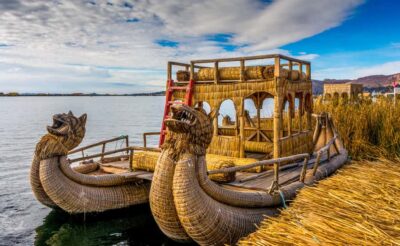
Full-Day Tour of Lake Titicaca and Uros & Taquile
Read our review →
Full-Day Route of the Sun Tour to Cusco with Lunch
Read our review →
Scenic Route of the Sun to Puno with Buffet Lunch
Read our review →
Browse the lists this tour appears in