
Reviewed · BALLESTAS ISLANDS TOURS
From Paracas: Ballestas Islands & Paracas National Reserve
Ballestas Islands gives you a quick look at Peru’s Pacific wildlife, with sea lions packed onto rocky shores, penguins near the water, and seabirds overhead. Then the scene changes completely: red sand beaches and desert cliffs meet the open ocean inside Paracas National Reserve.
I like the smart pairing of the two outings. You get a two-hour boat trip for wildlife and the Candelabro, followed by a quieter van tour through the reserve, where guides such as Olenka, Pablo, and Eduardo have been especially praised for clear explanations and flexible pacing.
The main drawback is the boat ride. It can be cold, choppy, and wet, and the wildlife is seasonal. You should also budget for the entrance charge, paid locally in cash, and check the accessibility details carefully because the activity information gives conflicting guidance.
Key points to know before booking
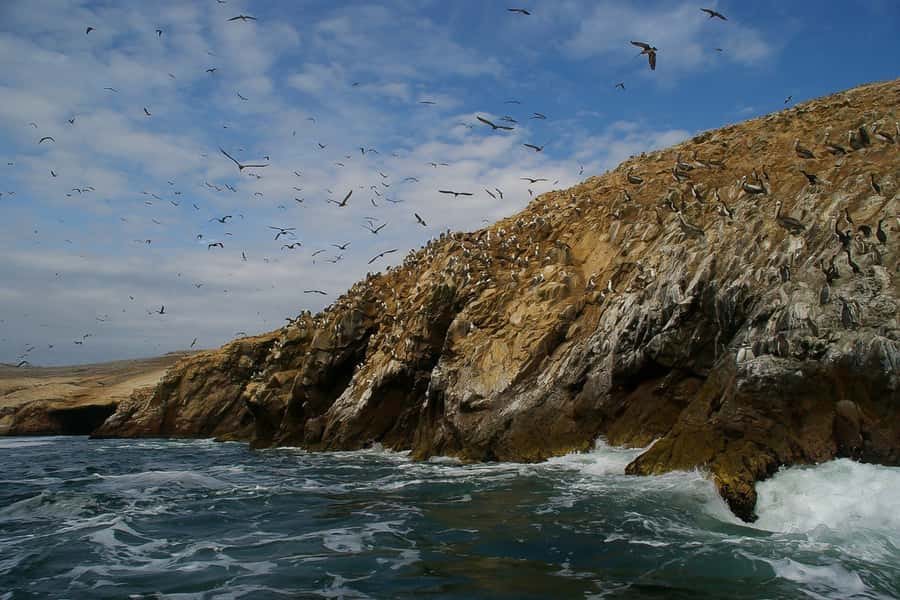
- Sea lions and seabirds are the main attraction: Expect colonies of sea lions, penguins, pelicans, boobies, Inca terns, and other coastal birds around Ballestas Islands.
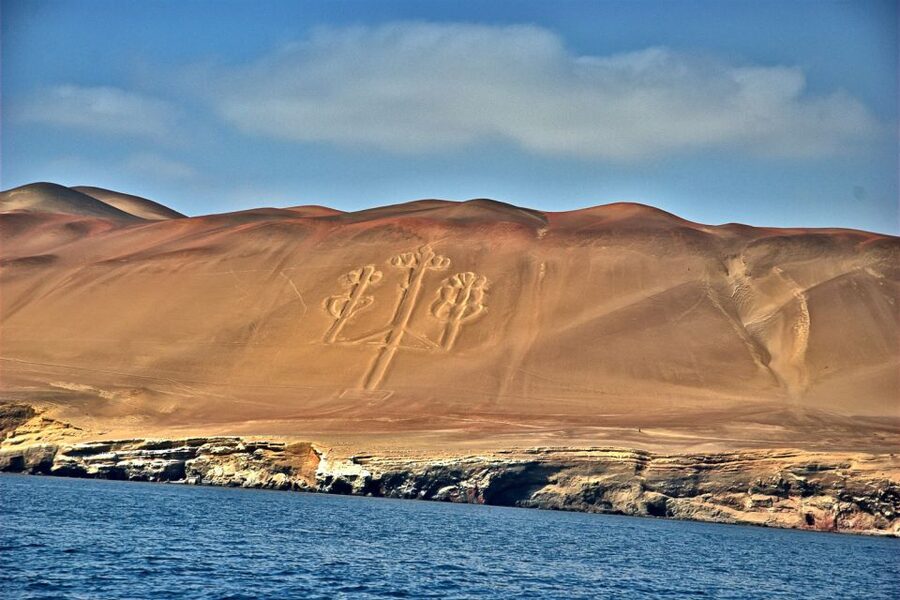
- The Candelabro comes before the islands: The mysterious desert glyph is viewed from the boat along the Paracas Peninsula.
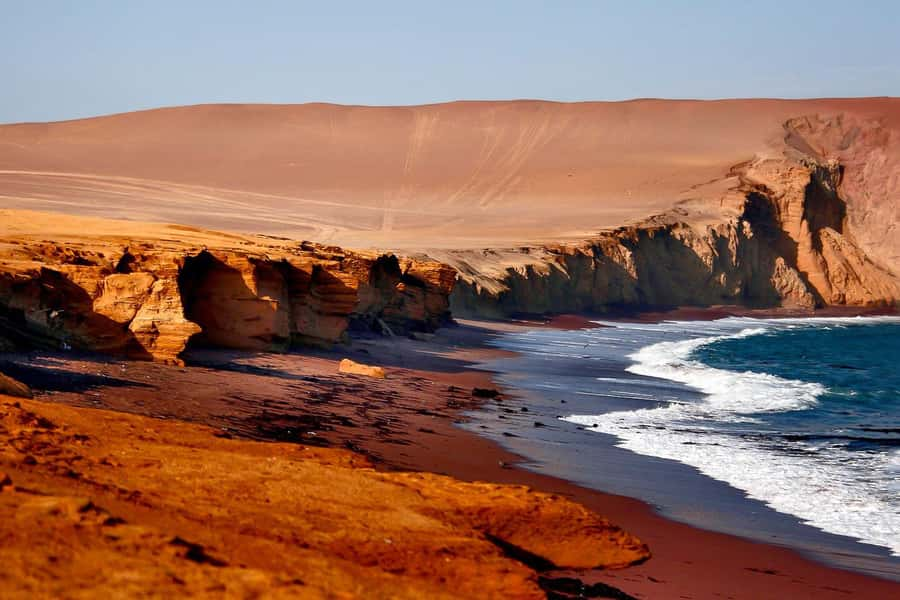
- The reserve is the stronger half for many people: Playa Roja, Lagunillas Beach, ocean cliffs, and desert viewpoints give the second part more space and calm.
- The reserve visit may be private or very small: Several departures used a small van, sometimes with only a few people, even when the boat carried a larger public group.
- Bring layers and cash: You need warm clothing for the open boat and Peruvian soles for the 22-sol adult entrance fee or 16-sol child fee.
- The $60 price covers a lot: Hotel transfers, guides, the boat, reserve transport, and water are included, but food and admission fees are extra.
Two very different sides of Paracas in five hours
This is a compact way to see the Paracas area without arranging separate transport, tickets, and guides. The tour begins with a short van ride from your hotel to the pier, then spends about two hours on the water before a brief café stop and a drive into the national reserve.
That order works well. The boat trip gives you the lively, noisy part of the day, with engines, waves, birds, and sea lions. The reserve visit then slows things down, giving you time to look at the coast, take photos, and hear how this severe desert environment was formed.
Pickup is available from hotels and hostels in central Paracas, including Hotel Paracas, Aranwa Paracas Resort, The Legend Paracas Resort, Viajero Kokopelli, and several smaller properties. Pickup from Pisco, Santa Cruz, or San Andrés requires an extra 30 soles per transfer, so confirm this before paying if you are staying outside Paracas.
More Ballestas Islands boat trips:
- Paracas: Ballestas Islands Morning Boat Tour
★ 4.5 · 301 reviews - Ballestas Islands & Paracas National Reserve from Paracas
★ 4.4 · 228 reviews - From Paracas: Ballestas Islands tour all Inclusive
★ 4.7 · 143 reviews
The speedboat to Ballestas Islands
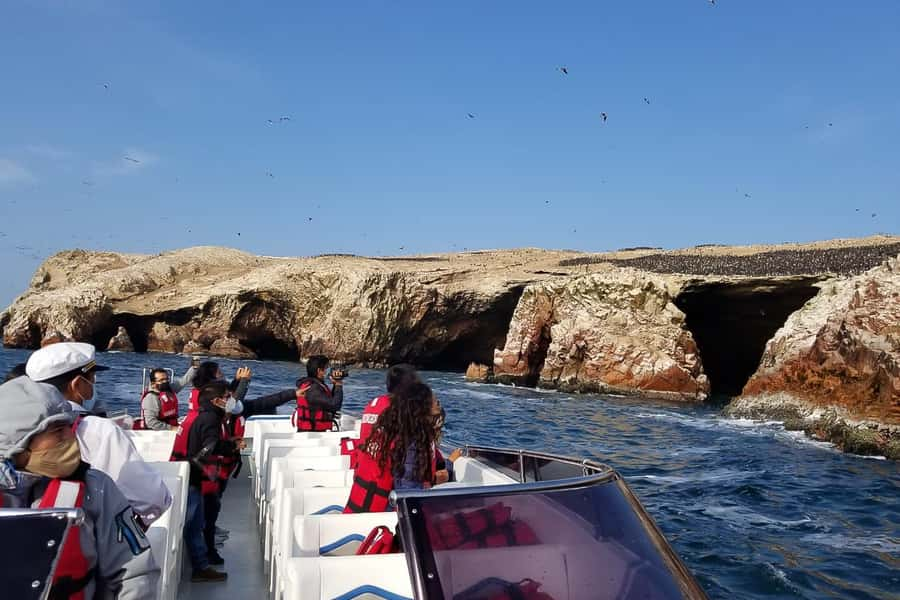
At the harbor, you join a public speedboat rather than a private charter. Boats can carry a fairly large group, sometimes around 40 people, so do not expect a quiet private wildlife cruise. The guide speaks Spanish and English, though sound can be hard to catch when the motor is running and the sea is rough.
The ride itself is part of the fun. You leave the harbor and head toward the rocky islands, with the dry Paracas coast behind you. The open water can be brisk, even when the day feels warm on land. On cloudy or wet departures, spray may soak passengers, so I would wear a waterproof jacket or bring a change of clothes.
Motion sickness is worth taking seriously. One person specifically advised taking medicine before leaving, and that is sensible advice for anyone who is sensitive to fast boats. Sit where you can see the horizon, avoid a heavy meal beforehand, and keep your phone protected from spray.
The boat usually slows near the wildlife rather than landing on the islands. That protects the animals and lets you see them from several angles, but it also means your view depends on your place in the boat and the captain’s positioning. The crew generally tries to give both sides a look, yet a zoom lens helps if birdwatching matters to you.
The Candelabro, a mystery carved into the peninsula
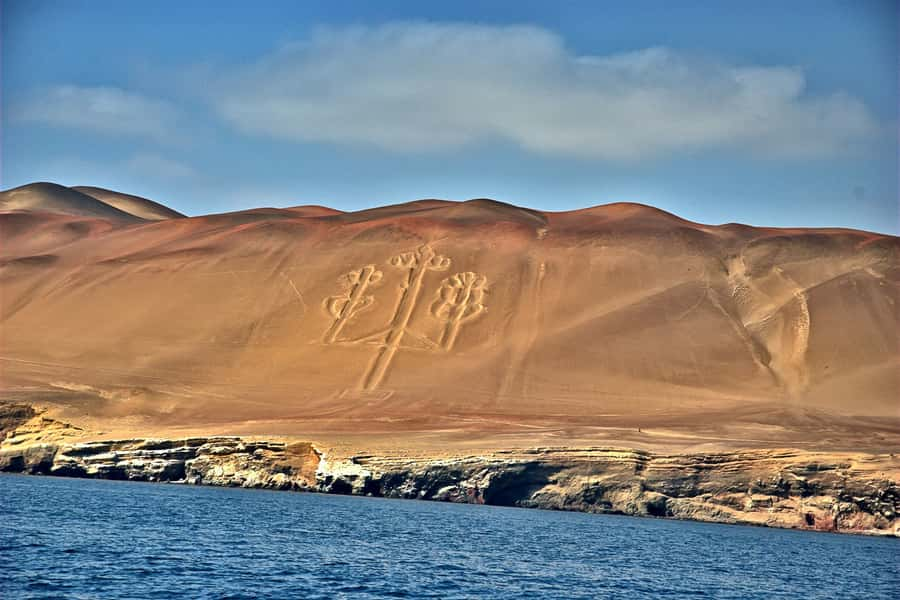
Before reaching Ballestas Islands, the boat stops near the Paracas Peninsula for a view of the Candelabro. This enormous glyph is cut into the sandy hillside, and its purpose and maker remain unknown.
The Candelabro is a good first stop because it gives you something to look for before the wildlife takes over. From the water, the scale can be difficult to judge, so listen for the guide’s explanation and take a few photos with people or the boat in the frame for reference.
Do not expect an archaeological site visit. You see the figure from offshore, with no walk up to the carving. Its mystery is part of the appeal, but the stop is brief and depends on visibility.
Sea lions, penguins, and the noisy island colonies
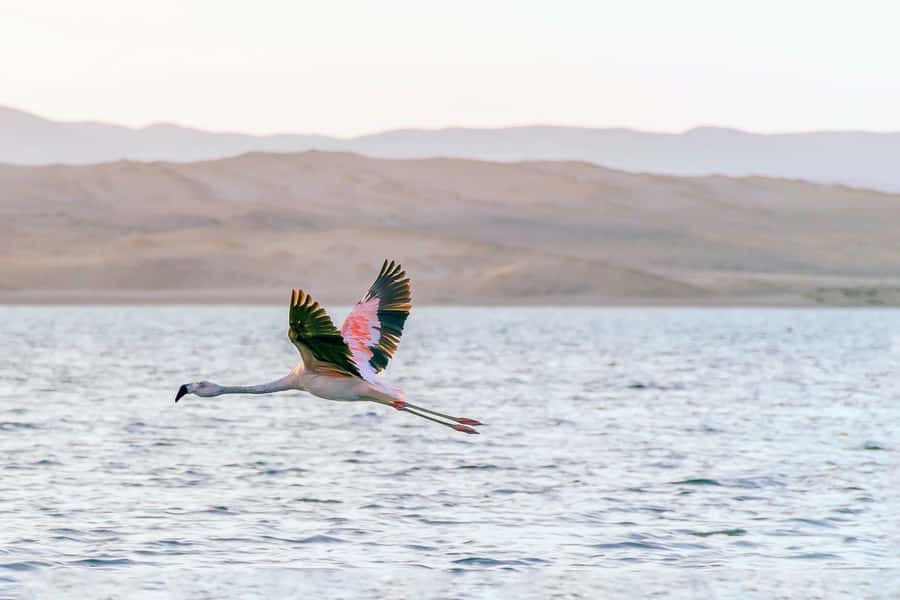
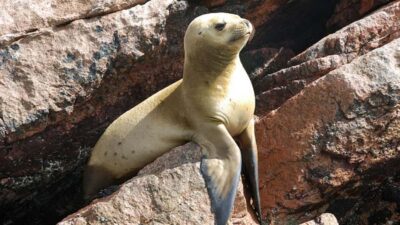
Ballestas is best understood as a marine sanctuary rather than a conventional island attraction. The rocky shelves are crowded with sea lions, and you may see adults resting in heaps near the water while younger animals gather around them. The smell can be strong. That is not a complaint so much as proof that you are close to a real animal colony.
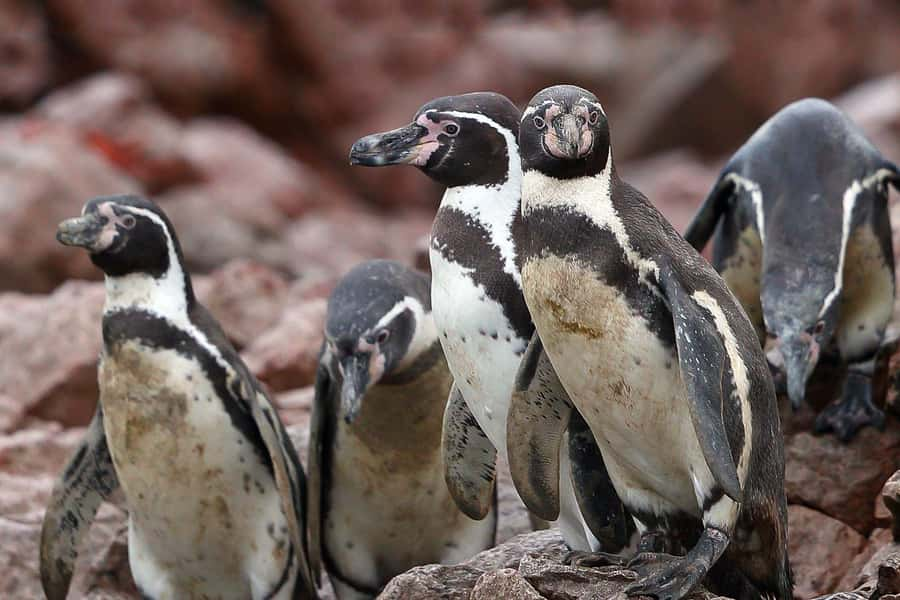
Penguins are another prize, though sightings are not guaranteed in the same numbers all year. Seasonal food conditions and events such as El Niño can shift where penguins spend time. You may see them perched on rocks, slipping into the water, or gathered in small groups near the shore.
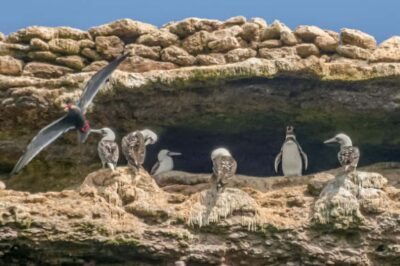
The birdlife is often just as impressive as the mammals. Look for pelicans, blue-footed boobies, Inca terns, and many other seabirds. Some departures have also seen dolphins and, rarely, a whale. Those sightings are luck, not part of the promise, but the range of species makes the trip worthwhile even if the penguins stay out of view.
The boat guide adds useful context about the islands’ importance to Peru. Still, the experience is more visual than hands-on. You cannot walk among the animals, feed them, or land on the rocks. If you want a close, quiet wildlife encounter, this may feel busy. If you want a practical introduction to Paracas wildlife in a short time, it works very well.
A few more Ballestas Islands days worth weighing up
- Lima: Ballestas & Huacachina Day Trip w/ Nazca Lines Flight
★ 4.9 · 117 reviews - Lima : Paracas & Huacachina- Day to Islas Ballestas & Sandboard
★ 4.5 · 115 reviews - From Lima: Ballestas Islands and Huacachina Sunset Day Trip
★ 4.7 · 113 reviews - 2-Hour Tour to the Ballestas Islands from Puerto San Martín
★ 5.0 · 96 reviews
The café break and change from boat to van
After returning to the pier, you have about 30 minutes of free time at a local café. This is a useful pause between the two halves. You can warm up, use the facilities, buy something to eat, and organize your camera before heading into the reserve.
Meals are not included, so carry cash or plan to buy food during this stop. Some departures have included a meal at a restaurant in the reserve, but you should not treat that as part of the package. Alcoholic drinks and personal purchases are also your responsibility.
The change of vehicle matters. The first portion is a shared speedboat, while the reserve portion may be in a smaller van. Some departures have had only three or five people in the van, creating a more personal visit than the boat portion.
Paracas National Reserve: desert beside the Pacific
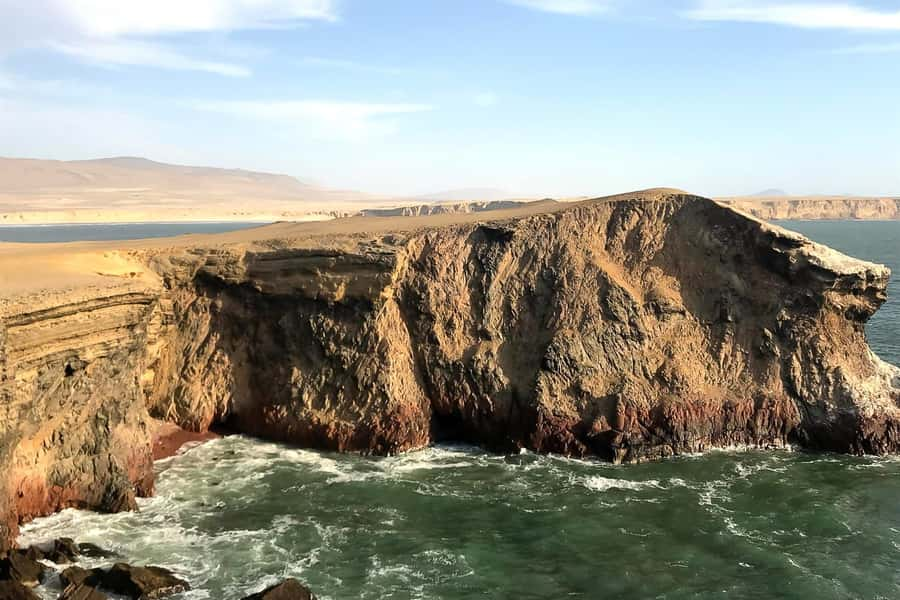
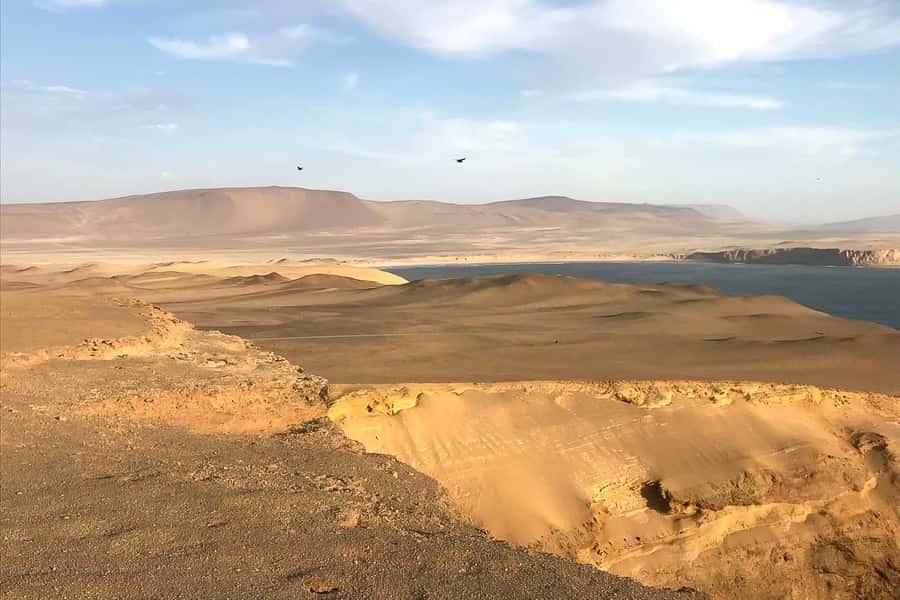
The national reserve is the visual surprise of the day. The desert is stark, pale, and almost bare, but it sits directly beside a bright ocean. High sandstone cliffs, broad sandy spaces, and exposed rock give the coast a severe beauty that is very different from the animal-packed islands.
This is where the guide makes the biggest difference. A good guide can explain how the desert, sea, wind, and local cultures fit together instead of simply driving you from one viewpoint to another. Olenka has been singled out for making the desert easy to understand, while Pablo and Eduardo have also led reserve visits praised for thoughtful explanations and an unhurried pace.
The reserve tour is usually flexible. You can tell the guide if you care most about photography, geology, birds, or history, and the timing may be adjusted when the schedule allows. That flexibility is useful because the scenery is wide open, and rushing through every stop would defeat the purpose.
You might also see wildlife in the reserve itself. One departure spotted flamingos feeding far along the shore. Treat that as a welcome possibility rather than a fixed part of the route, since the reserve is mainly a coastal desert visit.
The Cathedral and the coast’s changing shape
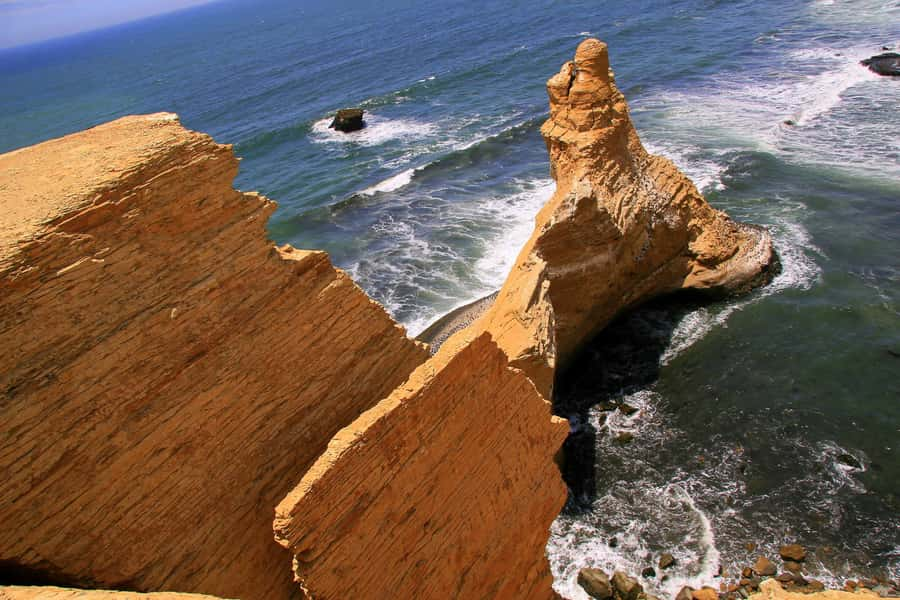
The Cathedral is one of the reserve’s best-known viewpoints. The name refers to a huge rock formation that once rose from the sea, forming a cathedral-like shape. An earthquake destroyed it, leaving a reminder that this coastline is not fixed or gentle.
The stop is less about one surviving monument than about seeing the power of the coast. From the viewpoint, you can study the cliffs, water, and broken rock formations together. Your guide can also help explain what you are seeing, which is useful because the same rock can look like a simple cliff until someone points out its former shape.
Strong sunlight can flatten the colors in photographs, so sunglasses and a hat are practical, not optional extras. Sunscreen matters even when the air feels cool, since there is little shade.
Playa Roja and Lagunillas Beach
Playa Roja is the tour’s most unusual beach. Its reddish sand contrasts with the blue water and pale desert, creating one of the most memorable views in the reserve. The color is a natural feature of the shore, and it looks most striking from the surrounding viewpoints.
You should not expect a typical swimming beach day here. The value is the scenery, the color, and the meeting of desert and ocean. Give yourself time to look beyond the obvious photo. The wind, cliffs, and empty spaces are what make Playa Roja feel so different from an ordinary coastal stop.
Lagunillas Beach provides another angle on the reserve. It is a working coastal setting as well as a scenic one, with a more approachable shoreline and views over the water. The tour allows time for photographs and a short pause, though the exact pace depends on the day’s schedule and road conditions.
Together, these beaches show why the reserve deserves more than a quick drive past. Ballestas gives you animals at close range, while the reserve gives you color, scale, and silence.
What the $60 price really includes
At $60 per person, this is a fair value if you want both major Paracas outings in one half-day. You are paying for hotel pickup and drop-off in Paracas or Pisco, the boat ride, reserve transportation, bilingual guiding, and a bottle of water.
The biggest value comes from avoiding the coordination problem. You do not need to find the pier, arrange a separate vehicle for the reserve, or work out how to connect the two activities. The guide also fills in the background that you would miss by simply hiring a taxi and stopping at viewpoints.
Plan on extra money for the entrance charges: 22 Peruvian soles for adults and 16 soles for children. These fees are paid locally at the harbor main gate, in cash. The information also gives an approximate US dollar option of $7 per person, but soles are the safer choice.
Food, drinks, tips, and personal expenses are not included. Bring small bills if possible. You will also want money for the café break if you need breakfast or a snack.
Who will enjoy this tour most
I would choose this outing if you have only one day in Paracas and want both wildlife and scenery. It is especially useful for families with children over five, couples, first-time visitors, and anyone traveling without a car.
The reserve portion should appeal to photographers and people who prefer a slower, more personal guide experience. The boat is better for anyone excited by sea lions, penguins, and birds, even if the conditions are not perfectly calm.
This is less suitable if you dislike boats, get motion sick, need a very quiet excursion, or want guaranteed penguin sightings. Children under five and pregnant women are listed as unsuitable for the activity. The listing also says wheelchair accessible but separately says it is not suitable for wheelchair users, so contact the operator before booking if access is important.
Wear comfortable shoes, a hat, sunglasses, sunscreen, and layers. Bring your passport or identification card. Leave large luggage, pets, smoking materials, and alcohol behind.
Should you book the Ballestas and reserve combination?
I would book it if your goal is to see the best of Paracas in a single, organized outing. The islands offer the wildlife, but the reserve often becomes the more memorable half because the small-group van visit gives you room to stop, ask questions, and take in the coast without feeling hurried.
Book with realistic expectations about the sea. You may get splashed, the guide can be hard to hear over the engine, and penguin numbers vary. If you prepare for that with warm layers, motion sickness medicine, cash, and a waterproof phone case, the $60 package offers a strong introduction to this remarkable corner of Peru.
FAQ
How long does the tour last?
The activity lasts about five hours. The schedule includes roughly two hours on the speedboat, a 30-minute café break, and the drive and stops in Paracas National Reserve.
What wildlife can I see at Ballestas Islands?
You may see sea lions, penguins, pelicans, blue-footed boobies, Inca terns, and other seabirds. Dolphins and whales have also been seen on some departures, but they are not guaranteed.
Are the entrance fees included?
No. Adults pay 22 Peruvian soles and children pay 16 soles. The fees are paid locally in cash, and the information also gives an approximate payment option of $7 per person in US dollars.
Is hotel pickup included?
Yes, pickup and drop-off are included for hotels within the Paracas town center. Pickup from Pisco, Santa Cruz, or San Andrés can be arranged for an additional 30 soles per transfer.
Is the tour offered in English?
Yes. The tour has live guiding in English and Spanish. The guide on the boat and the guide in the reserve may not be the same person.
What should I bring?
Bring your passport or identification card, comfortable shoes, sunglasses, a sun hat, sunscreen, and warm layers for the boat. Peruvian soles are also important for the local entrance fee.
Just added around Ballestas Islands
- Ballestas Islands Group Tour from Paracas★ 4.5 · 38 reviews
- Ballestas Islands from San Martin Port CRUISESHIP TERMINAL★ 4.5 · 38 reviews
- Unforgettable Trip to Ballestas and Huacachina from Lima★ 4.5 · 58 reviews
- Ultimate Comfort: Lima to Huacachina, Ballestas and Vineyard★ 5.0 · 31 reviews
- Private Tour: Ballestas Island & Huacachina Oasis, from Lima★ 4.7 · 37 reviews
- Paracas: speedboat BALLESTAS ISLANDS TOUR★ 4.5 · 4 reviews
- Paracas: Ballestas Islands Guided Boat Tour★ 4.6 · 7 reviews
- Paracas: Ballestas Islands and Candelabra of Paracas Boat★ 3.9 · 7 reviews
Ballestas Islands Tours, compared.
Ballestas Islands & Paracas National Reserve from Paracas
Read our review →

Ballestas & Huacachina Day Trip w/ Nazca Lines Flight
Read our review →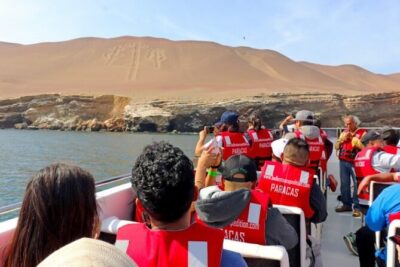
Paracas & Huacachina- Day to Islas Ballestas & Sandboard
Read our review →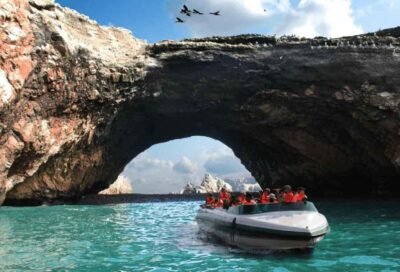
Ballestas Islands and Huacachina Sunset Day Trip
Read our review →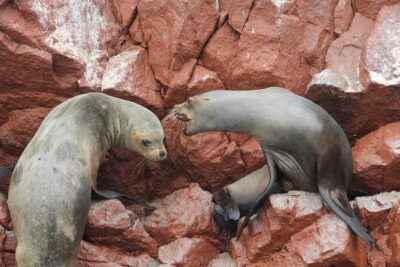
2-Hour Tour to the Ballestas Islands from Puerto San Martín
Read our review →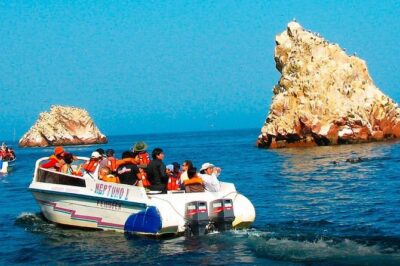
Browse the lists this tour appears in