
Reviewed · HUACACHINA & ICA TOURS
From Ica || Full Day Excursion to Los Perdidos Canyon ||
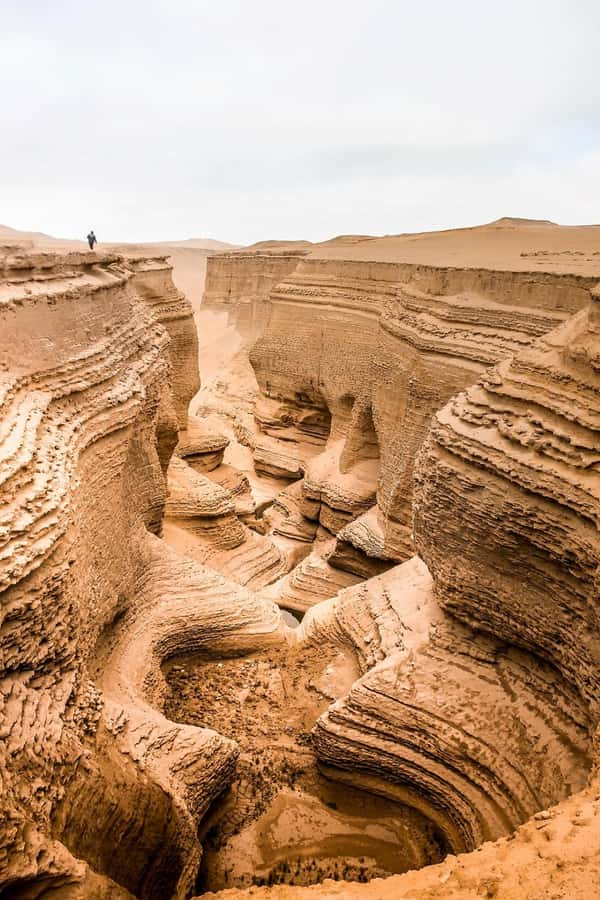
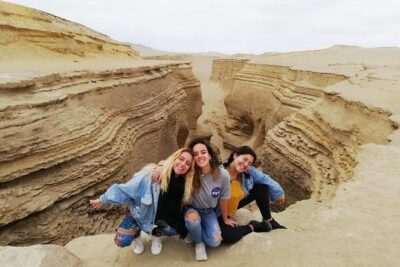
Los Perdidos Canyon is the main event, but the long ride through the Ica desert is part of the story. The canyon sits where the Ica and Seco rivers meet, with curved rock walls, fossils, dry riverbeds, and broad stretches of empty desert. It feels far removed from the dunes and wineries closer to town.
I like the Ocucaje fossil connection, which gives the day some real local character, and the strange rock shapes at Pampa de las Piedras, including the toad, horse’s head, tortoise, and Chihuahua dog. The drawback is the time on the road. The vehicle may not have strong air conditioning, and a delayed start or long breakfast can make the hottest part of the day less comfortable.
Key points to know before booking
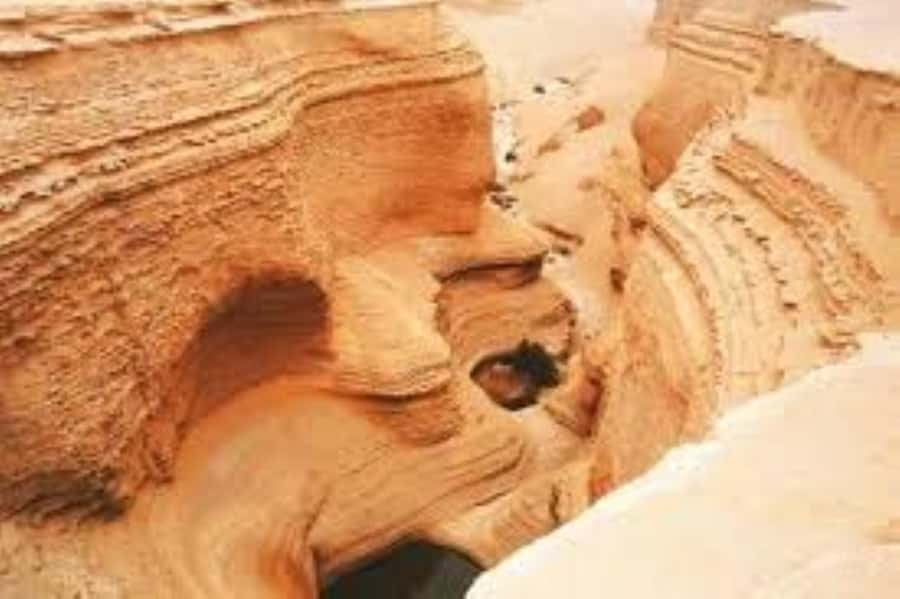
- Los Perdidos Canyon sits at a river meeting point: You walk near the junction of the Ica and Seco rivers and see native birds and lizards.
- Ocucaje adds a fossil link: You can visit the small paleontological museum for an extra 5 soles, about US$1.30.
- Pampa de las Piedras is a photo stop: Look for naturally shaped rocks that resemble animals and faces.
- Expect a full desert day: Pickup is between 6:00 and 7:00 a.m., with return to Ica planned for about 3:00 to 4:00 p.m.
- The $50 price covers transport and guiding: Lunch, drinks, and the museum entrance cost extra.
- Heat and vehicle comfort matter: Bring water, a hat, sunscreen, and a charged phone or power bank.
Why Los Perdidos Canyon is worth the long ride
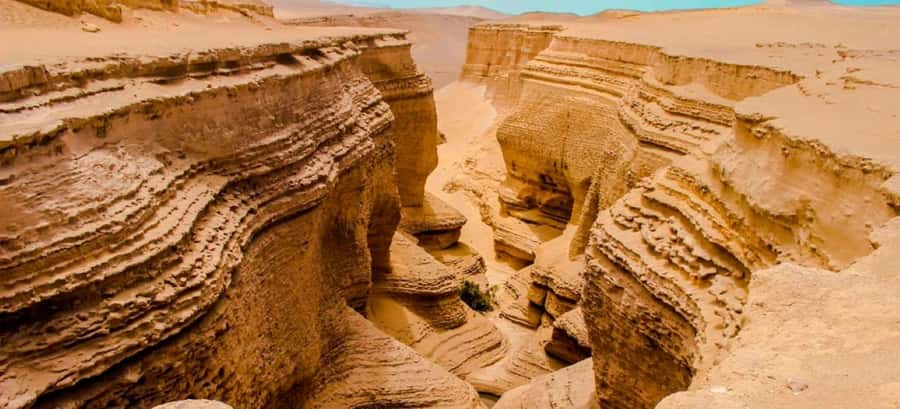
Ica is best known for Huacachina, sandboarding, pisco, and vineyards. Los Perdidos Canyon offers a different view of the region. Here the desert is not a backdrop for an activity. It is the main subject, marked by old river channels, eroded stone, fossils, and shapes formed over a very long period.
The canyon is called mysterious for good reason. Its walls and openings have unusual curves, and the dry setting makes the place feel stark and remote. You are not visiting a polished archaeological site with railings and signs at every turn. This is a natural area where your guide helps explain how the canyon formed and points out the features that are easy to miss.
The trip makes sense for you if you enjoy scenery, geology, paleontology, and photography. It is less suitable if you want a short outing with plenty of facilities or a cool, air-conditioned ride. The value depends heavily on how much you enjoy the journey between stops.
A few more Ica days worth weighing up
- From Ica | Huacachina : Canyon de Los Perdidos | Full Day
★ 4.3 · 46 reviews - Full Day Tour Canyon of the Lost in Ica Desert
★ 4.5 · 30 reviews - From Lima: Paracas and Huacachina Oasis Full Day Guided Tour
★ 4.7 · 1,780 reviews
Leaving Ica early for Ocucaje
Pickup from hotels in central Ica takes place between 6:00 and 7:00 a.m. If your hotel is outside the city, including places such as Hotel Hacienda San Juan, Viñas Queirolo, Hotel La Caravedo, or Hotel Bodega El Huarango, pickup is arranged at Ica’s main square instead.
That detail matters. Confirm your pickup point and provide your phone number with the international country code. WhatsApp access is also requested, which helps the operator contact you about the morning schedule.
The first stop is the main square of Ocucaje. Three local monuments depict a shark, a farmer, and fighting cocks. They are simple public landmarks, but they introduce the area’s connection with farming, fossils, and local identity.
You also have time for breakfast here. This is useful because there is no lunch included, but it can make the day feel slower if you have already eaten before pickup. Bring a small snack as well as drinks, since the tour does not supply lunch or refreshments.
Ocucaje is known for fossil finds, and you can visit the Palaeontological Museum on your own for 5 soles, about US$1.30. The museum is optional, so ask how much time is available before paying the entrance fee. If fossils interest you, this is a worthwhile extra because it gives context to the prehistoric material associated with the area.
Watching the desert change on the road south
After Ocucaje, the tour continues toward Los Perdidos Canyon by minibus or bus. The road section can be long. One recent experience included about three hours of driving, so do not treat the stops as a quick transfer between nearby sights.
The scenery is the attraction during this stretch. The desert is marked by pale earth, isolated rock formations, dry channels, and wide views with very little development. You may stop at places such as the Aspirales de Callango or the Delfin, where the rock and sand form shapes that invite a closer look.
The names are part of the fun. Local guides identify forms according to what they resemble, and the shapes become easier to see once someone points them out. Bring binoculars if you enjoy scanning open country, but do not expect every formation to look obvious from every angle.
This is also where vehicle comfort becomes important. The desert heat can build quickly, and air conditioning may be limited. A hat, breathable clothing, biodegradable sunscreen, and plenty of water will make the ride easier. Keep your phone charged because reception and shade cannot be counted on at each stop.
Pampa de las Piedras and the magic eye
Pampa de las Piedras is one of the most playful stops. The rocks have been shaped by natural forces into forms compared with a toad, horse’s head, tortoise, and Chihuahua dog. The tour also includes time at the emblematic magic eye, a viewpoint made for photographs.
This stop works best when you slow down and study the stone. You are not looking at carved statues. The appeal comes from natural curves, gaps, and shadows that suggest familiar forms. Camera angles make a big difference, so take several photographs rather than rushing through one pose.
The magic eye is another good place to think about composition. Use the opening or curved rock as a frame for the desert beyond. A charged smartphone is enough, although a camera with a wider lens can help if you want to capture both the foreground rock and the open country.
These stops also break up the drive. They give you a chance to get out, stretch, and see how small changes in erosion create very different shapes. Still, the tour is not built around long walks at each location. The main walking portion comes later, at the canyon mouth.
Same base, a completely different kind of day:
- Huacachina: Buggy en las Dunas al Atardecer y Sandboarding
★ 4.5 · 299 reviews - Winery and Pisco Distillery tour
★ 5.0 · 82 reviews - ICA: Pisco and Wine Route with tasting in 03 Wineries
★ 4.3 · 80 reviews - Glamping in Huacachina Desert
★ 5.0 · 70 reviews
Reaching the mouth of Los Perdidos Canyon
The natural sanctuary of Los Perdidos Canyon is the day’s central stop. Before you walk around, the guide explains how the canyon was formed. The exact value of this talk depends on how much detail your guide provides, so listen closely and ask questions if you want more on the geology, fossils, or surrounding environment.
You first take photographs outside the canyon mouth. This gives you a sense of the scale and shape before entering the immediate area. The rock curves and eroded edges are especially striking against the bare desert, where there is little vegetation to soften the view.
The walk continues around the mouth of the canyon, near the intersection of the Ica and Seco rivers. These river channels help explain why the canyon exists in such a dry region. Even if the rivers are not flowing strongly, their meeting point has shaped the surrounding ground over time.
The walk is not described as a strenuous hike, but you should still expect uneven desert ground, sun exposure, and limited shade. Wear shoes with a secure sole rather than sandals that can slip or fill with sand. People with mobility concerns should ask the operator for more detail before booking, since the tour is not designed for babies, and the stated age guidance excludes people over 70, 80, and 95.
Looking for owls, coots, and lizards
The canyon is not only about stone. During the walk, you may see native fauna such as owls, coots, and lizards. These animals add a useful reminder that this dry place supports life, especially around river channels and sheltered rock.
Bring binoculars if birdwatching interests you. Keep your movements quiet and give animals space. The tour does not promise a particular sighting, so think of wildlife as an extra rather than the main reason to book.
A guide who talks about preservation can add real value here. One recent version of the experience included discussion of conservation efforts, and that is the kind of information worth seeking during the canyon visit. Ask how the area is protected and how fossils, wildlife, and rock formations are treated.
The final pool and the return to Ica
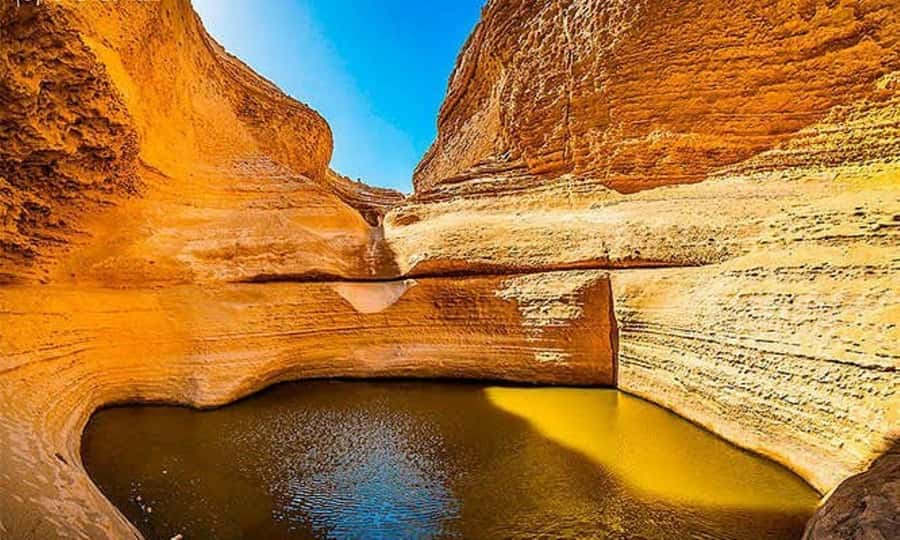
The final stop is a pool, where you have time to take photographs before returning to Ica. The supplied details do not say that swimming is included, so plan on this as a photo stop rather than a guaranteed bathing opportunity.
After the pool, the group returns to the city. Arrival at Ica’s main square is planned between 3:00 and 4:00 p.m. That gives you the rest of the afternoon for dinner, Huacachina, or another local activity, although delays are possible when a full day includes several desert stops.
If you are staying in central Ica, the tour includes hotel pickup and transfer to the main square. For hotels farther out, plan your return from the square rather than expecting a second transfer to your hotel.
What the $50 price really covers
At $50 per person, the tour is reasonably priced for a 10-hour outing that includes transport, an English or Spanish-speaking guide, and several stops spread across the Ica region. The cost is strongest if you do not have your own vehicle and want someone else to manage the route to a remote canyon.
The price does not include lunch, drinks, or the 5-sol museum entrance. Those extras are small, but the full day means you should budget for them. Bring cash because card payment may not be available at every stop.
The value is less convincing if you expect a polished vehicle, a short drive, or detailed interpretation at every stop. A reported experience included an old bus without air conditioning, a late departure, and a breakfast stop that felt too long. Those are practical concerns, not minor complaints, because the desert heat and road time shape the whole day.
A newer van may be more comfortable, but the transport type is listed as a minibus or bus rather than a guaranteed air-conditioned vehicle. Ask about the vehicle if comfort is important to you, especially during hot months.
How to prepare for the heat and road time
Pack for a remote desert outing, not a city tour. Your useful kit includes:
- A hat and biodegradable sunscreen
- Several drinks and a light snack
- Comfortable walking shoes
- Cash for breakfast, the museum, and other personal costs
- A charged smartphone and power bank
- Personal medication and an identification card, with a copy accepted
- Binoculars if you want to watch birds
Alcohol, drugs, chewing gum, baby carriages, fireworks, and explosive materials are not allowed. The tour also asks you to provide a correct contact number with country code and active WhatsApp.
The early pickup helps avoid some of the strongest heat, but a late departure reduces that advantage. Be ready at the agreed time and confirm the pickup point the day before. If you are making a last-minute reservation, check availability with the supplier by email before booking.
Who will enjoy this day most
I would choose this tour if you have already seen Huacachina and want a quieter, more unusual side of the Ica region. It suits people who enjoy natural formations, fossils, desert photography, and long scenic drives.
It also works well if you are staying in Ica and do not want to arrange private transport to a distant canyon. The English and Spanish guide option makes the trip accessible to international visitors, though the depth of the explanations may vary.
I would hesitate if you dislike heat, long road journeys, or basic facilities. The first suitable bathroom may be at the early stop, and one recent experience found the bathrooms there short on toilet paper and soap. Use the facilities when you can and carry tissues and hand sanitizer.
The stated restrictions make this a poor fit for babies and older adults above the listed age limits. The walk and heat also mean you should be comfortable spending much of the day outdoors.
Should you book From Ica to Los Perdidos Canyon?
Book it if you want a full desert day built around unusual rock formations, fossils, river scenery, and a canyon that sees fewer organized visits than Ica’s best-known attractions. The canyon and Pampa de las Piedras are the strongest reasons to go, while Ocucaje adds useful local and paleontological context.
Skip it if you need reliable air conditioning, a short transfer, a substantial included meal, or a tightly timed schedule. At $50, the tour offers good access to a remote natural site, but you are paying partly for the long transport and should be ready for basic conditions.
Before confirming, ask about the vehicle, pickup time, bathroom arrangements, and whether the current day includes any added winery or pisco stop. A recent version included an explanation of pisco and how to drink it at Vitivinicola Ancestral, but that stop is not part of the core schedule described here. Book for Los Perdidos Canyon first, and treat any extra stop as a bonus.
FAQ
How long does the Los Perdidos Canyon tour last?
The experience lasts about 10 hours. Pickup is scheduled between 6:00 and 7:00 a.m., with arrival back at Ica’s main square planned between 3:00 and 4:00 p.m.
Where does pickup take place?
Pickup is included from hotels in central Ica. If you stay outside the city, including at Hotel Hacienda San Juan, Viñas Queirolo, Hotel La Caravedo, or Hotel Bodega El Huarango, pickup takes place at Ica’s main square.
Is lunch included?
No. Lunch and drinks are not included, so bring water and cash for food during the day.
How much does the Ocucaje museum cost?
Entrance to the Palaeontological Museum of Ocucaje costs 5 soles, about US$1.30 per person. The visit is optional and paid separately.
Is the tour available in English?
Yes. The tour includes a live guide who speaks English and Spanish.
What transport is used?
Transport is provided by minibus or bus. The exact vehicle is not guaranteed, and air conditioning may be limited.
What should I bring?
Bring a hat, camera, drinks, biodegradable sunscreen, cash, a charged smartphone, binoculars if desired, personal medication, identification or a copy, and a power bank.
Can I cancel the booking?
You can cancel up to 24 hours in advance for a full refund. The booking option also allows you to reserve now and pay later.
Just added around Ica
- Huacachina Sandboard★ 5.0 · 29 reviews
- ICA! City Tours + Huacachina + Buggy + Sandboarding + Wine Cellar.★ 4.5 · 29 reviews
- Professional Sandboarding and Sandskiing Tour, Ica, Peru★ 5.0 · 42 reviews
- Nazca Lines and Dune Buggy (Huacachina) from Ica★ 5.0 · 56 reviews
- Full Day Tour Canyon of the Lost in Ica Desert★ 4.5 · 30 reviews
- Sandboard and SandSki Experience in Huacachina★ 5.0 · 46 reviews
- From Huacachina: Sunset buggy and sandboarding★ 4.5 · 34 reviews
- Dune buggy in Huacachina★ 5.0 · 42 reviews
Huacachina & Ica Tours, compared.

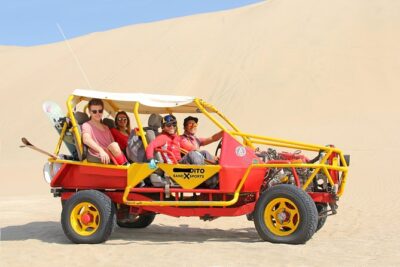
Professional Sandboard & Sandski Tour in Ica, Peru
Read our review →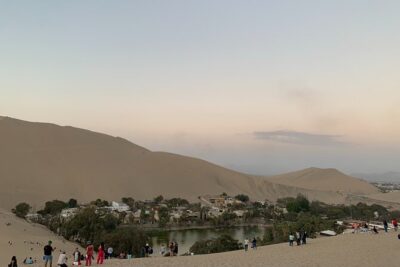
Private Tour to the Astonished Nazca Lines and Huacachina Oasis
Read our review →
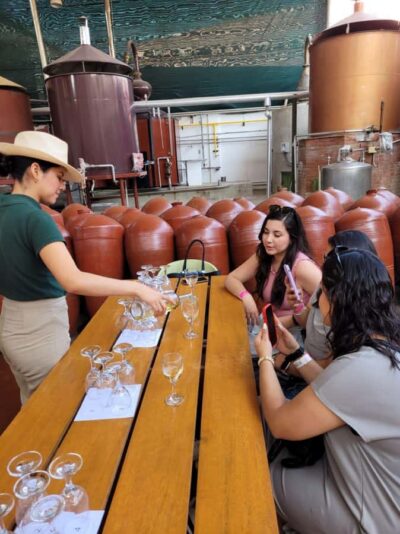
Pisco and Wine Route with tasting in 03 Wineries
Read our review →
Browse the lists this tour appears in