
Reviewed · PUNO & LAKE TITICACA TOURS
TRIP FROM PUNO TO CUSCO WITH THE ROUTE OF THE SUN
The Route of the Sun turns a long transfer from Puno to Cusco into a full day of Andean history. Instead of losing a day on the bus, you stop at Pucará, the high La Raya Pass, Raqchi, and the richly decorated church at Andahuaylillas, then arrive in Cusco with your sightseeing already underway.
I like the comfortable coach and the fact that the price includes entrance fees, a buffet lunch, and transfers at both ends. I also like the guides’ role in making the ride useful, especially guides such as Max, who explain the history in clear English and leave room for questions. The main drawback is time: five planned stops in about 10 hours can feel brisk, and long explanations may reduce your time at each site.
Key points to know before booking
- Pucará introduces you to a pre-Inca culture, with ceramics and stone figures linked to the ancient Pukara people.
- La Raya Pass reaches more than 4,335 meters, so bring layers and take the short stop at an easy pace.
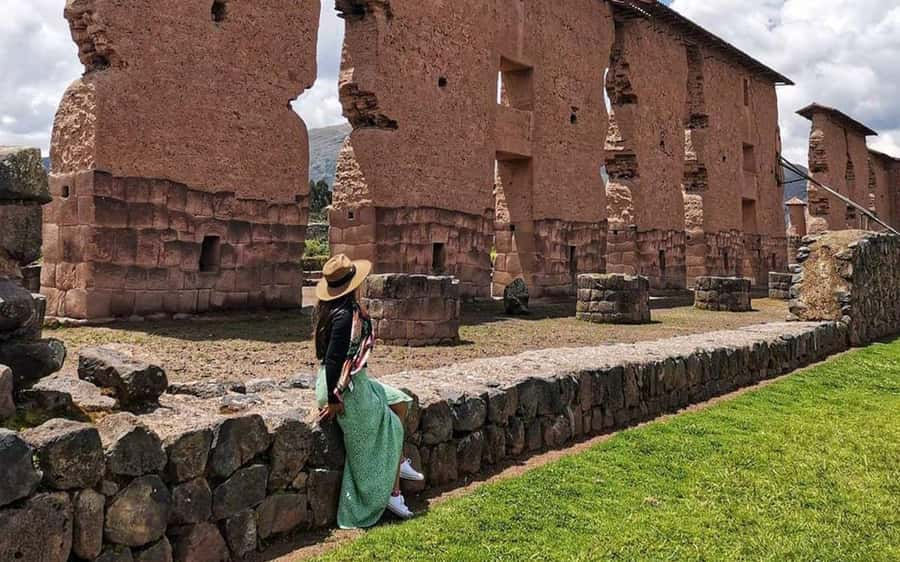
- Raqchi contains large Inca storehouses and the Temple of Wiracocha, making it one of the day’s strongest archaeological stops.
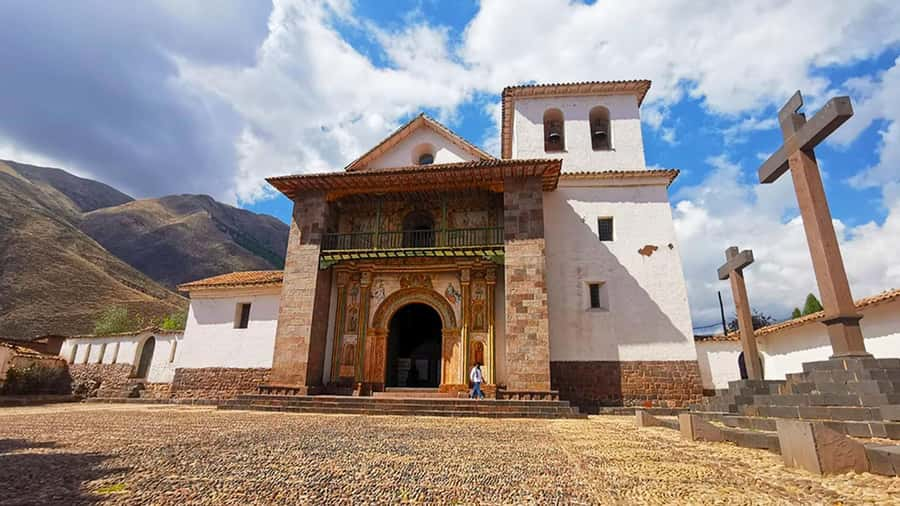
- Andahuaylillas is known as the Sistine Chapel of the Andes, thanks to its murals, gold leaf, and Cusco School paintings.
- The $114 price covers useful extras, including site entries, buffet lunch, bilingual guiding, and hotel transfers in Puno and Cusco.
- The coach matters on this route, with comfortable seats that make the long mountain journey less tiring.
Why this Puno to Cusco transfer works well
The practical value here is simple: you need to get from Puno to Cusco, and this trip gives you a structured way to see several important sites along the road. The drive itself would otherwise be mostly travel time. Here, the stops break up the journey and add context to the region’s pre-Inca, Inca, and colonial past.
You leave Puno at 6:00 in the morning. Pickup is from your hotel, and you should wait in the lobby about five minutes before the stated time. The driver calls at reception, so keep your phone available and make sure the hotel knows you are leaving early.
The journey lasts about 10 hours. You finish at the private bus station in Cusco and receive a transfer to your hotel. That last step is more helpful than it may sound. After a full day at altitude, arriving at a station and arranging a taxi on your own is one more task you do not need.
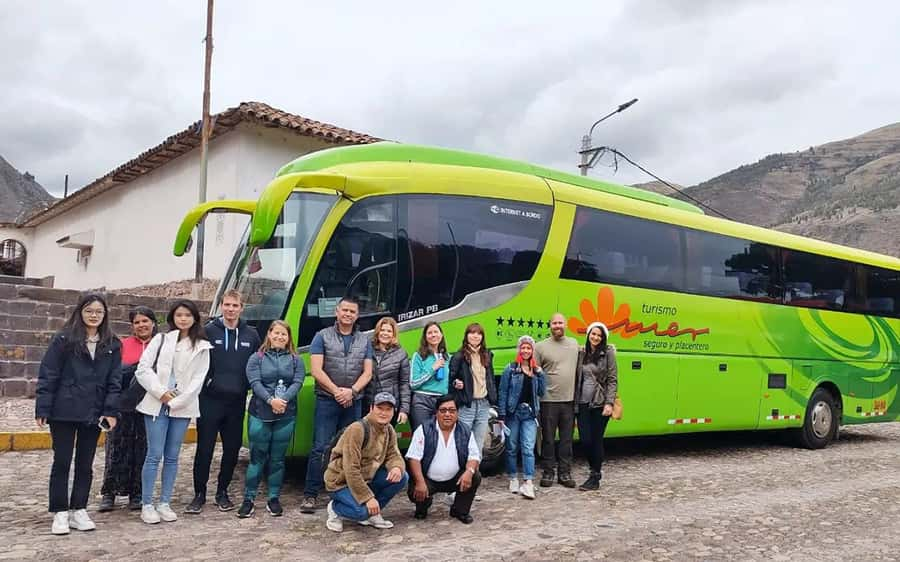
The bus is a major part of the experience. Several people specifically praised the spacious, comfortable seats, and that is important on a route with long stretches between stops. This is not a quick shuttle. A decent seat, a good guide, and a window view make the difference.
A few more Puno & Lake Titicaca days worth weighing up
- From Puno: Uros, Amantaní & Taquile Islands 2-Day Tour
★ 4.5 · 452 reviews - From Puno: Floating Islands of the Uros Half-Day Tour
★ 4.4 · 394 reviews - Lake Titicaca 2-Day Tour to Uros, Amantani and Taquile
★ 4.4 · 199 reviews
Pucará and the world before the Incas
The first major visit is the Lithic Museum of Pucará, near Puno. Pucará was an important culture long before the Inca period, and the museum gives you a useful reminder that Andean history did not begin with Cusco’s imperial rulers.
Inside, you see ceramics and stone sculptures, including zoomorphic figures. One notable piece is the Hatunñaqac, a figure whose name is translated as the supreme cutthroat. The museum stop is not simply a quick photo break. It gives you a first layer of history before the day moves into better-known Inca sites.
Your guide explains the objects and the culture behind them. This is where a bilingual guide adds real value, since labels alone may not give you enough context. Max, one of the guides associated with this trip, was praised for explaining history and culture clearly, while also allowing time for questions.
You should expect a relatively compact visit. The day contains several stops, and the schedule cannot give Pucará the same time as a stand-alone museum tour. Still, it is a worthwhile opening because it changes the way you look at the rest of the route. You begin to see the Andes as a succession of cultures, not one single Inca story.
La Raya Pass at 4,335 meters
The road then climbs toward Abra La Raya, the high pass marking the border between the Puno and Cusco regions. At more than 4,335 meters above sea level, this is the highest point of the journey.
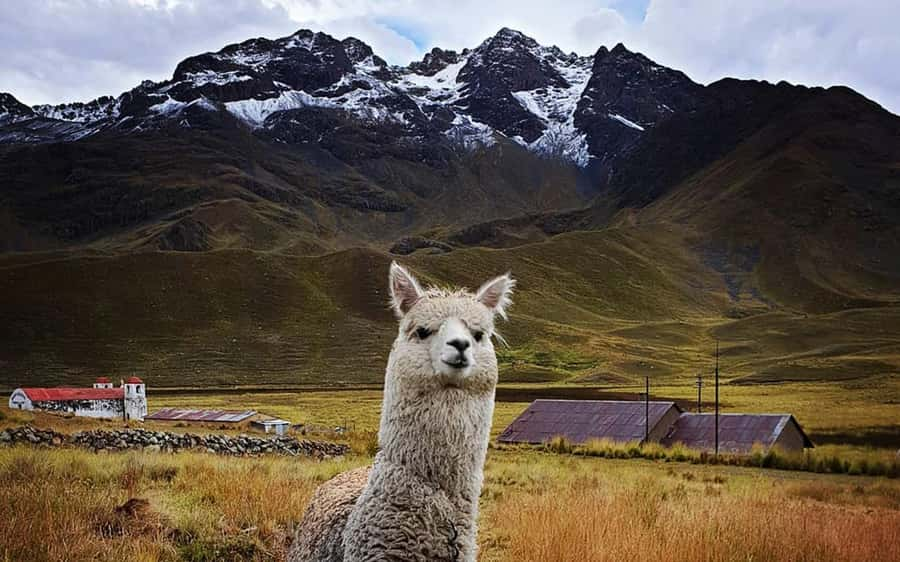
The stop is made for views, photographs, and a short walk. The snow-covered Chimboya peak is associated with the source of the Amazon River, an impressive fact to hear while standing in this stark high-altitude setting.
This is a place to keep your expectations practical. You are not stopping for a long hike. You have free time to look around, take photographs, and feel the height of the pass. The air can be cold, and the altitude may affect you even if you have felt fine in Puno.
Wear comfortable clothes and bring an extra layer. Comfortable shoes are useful, but you do not need special trekking gear for the stated stop. Move slowly, avoid rushing up slopes, and keep some cash with you for small personal expenses. Cold drinks are not included, and the small land port use tax is also separate.
La Raya is visually striking because of its openness and height, but the stop is brief. If you want a long, quiet mountain experience, this tour is not designed for that. If you want a clear break in the drive and a chance to stand at the regional divide, it does the job well.
Buffet lunch and a welcome break
Halfway through the trip, you stop at a local restaurant for a buffet lunch. The meal includes national and regional dishes, starters, fresh vegetables, desserts, and hot drinks.
For a day this long, lunch is more than a basic inclusion. It gives you time to sit down, stretch your legs, and eat without having to search for a restaurant in an unfamiliar place. Since the meal is included in the $114 price, you can also estimate your spending more easily.
The buffet is designed to let you sample several kinds of Peruvian food rather than commit to one dish. Exact menu items are not specified, so you should treat the meal as a broad national and regional selection, not a promised tasting menu.
Cold drinks are not included. Carry cash for those and for the S/1.90 land port use tax, listed as about $0.58 per person. The amount is small, but it is the sort of detail that can slow you down if you arrive without local currency.
Same base, a completely different kind of day:
- Puno: Full-Day Tour of Lake Titicaca and Uros & Taquile
★ 4.4 · 178 reviews - Puno: Full-Day Route of the Sun Tour to Cusco with Lunch
★ 4.7 · 131 reviews - Floating Islands of the Uros
★ 4.2 · 101 reviews - Cusco: Scenic Route of the Sun to Puno with Buffet Lunch
★ 4.8 · 101 reviews
Raqchi and the Temple of Wiracocha
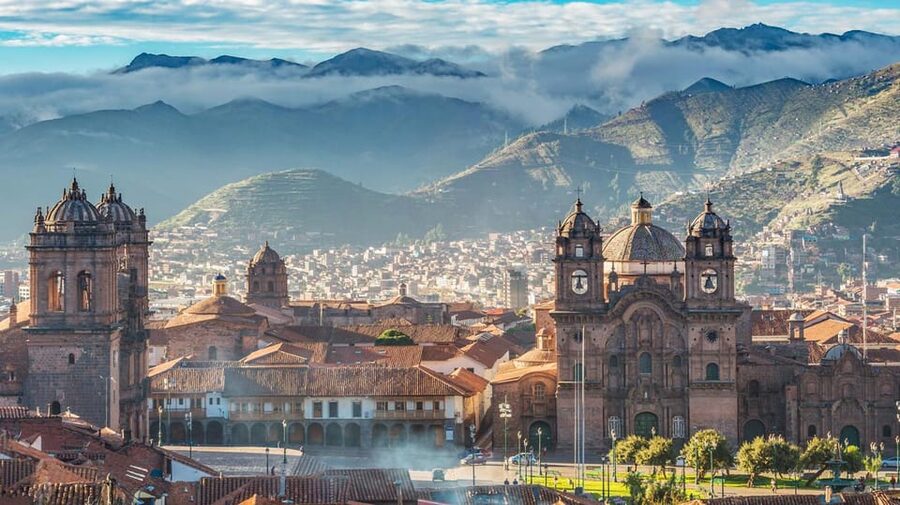
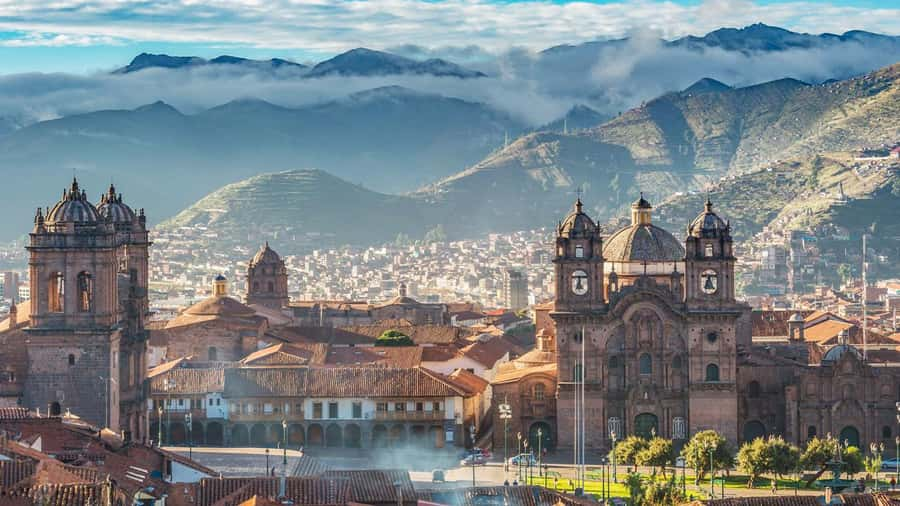
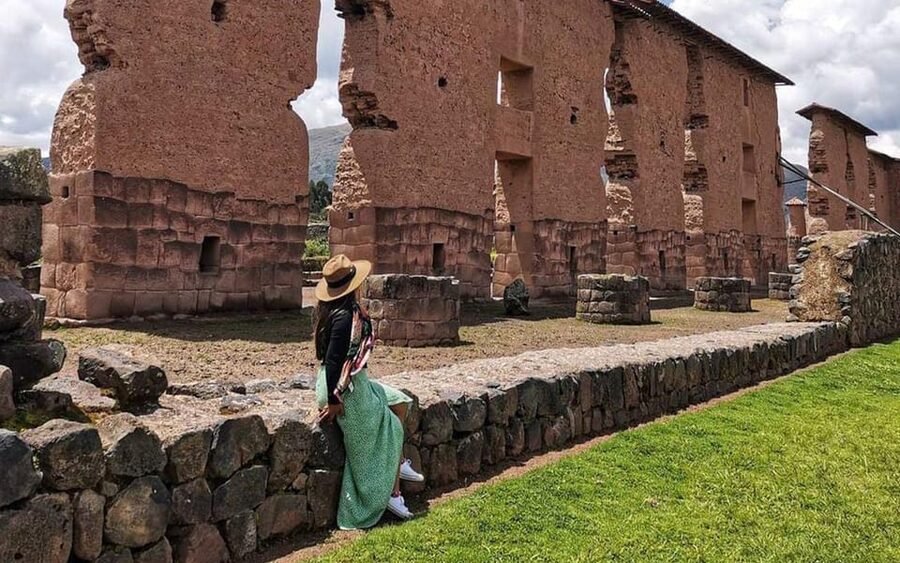
Raqchi is one of the most substantial archaeological stops on the route. The site is also known as the Temple of Wiracocha, dedicated to Wiracocha, the supreme Inca deity.
The complex is known for its stone and adobe buildings and its large number of colcas, or storehouses. These granaries help you understand the practical side of the Inca state. The empire depended not only on temples and ceremonies, but also on storing and moving food across difficult terrain.
Your guide walks you through the site and explains the buildings. That is useful here because the scale and remains can be hard to read at first glance. A few minutes of context helps you understand why the structures were built and how they fit into the wider Inca system.
Raqchi is also a good place for photographs, but do not expect unlimited time to explore every corner. The route has a fixed schedule, and the guide must keep the group moving toward Cusco. One person praised the balance between explanations and free time, while other feedback pointed to the opposite problem: long explanations can leave too little time to look around.
That tension is worth considering before booking. If you prefer a detailed archaeological visit with plenty of independent wandering, a separate day trip may suit you better. If you want an informed introduction while continuing toward Cusco, Raqchi is a strong part of the plan.
Andahuaylillas and the Sistine Chapel of the Andes
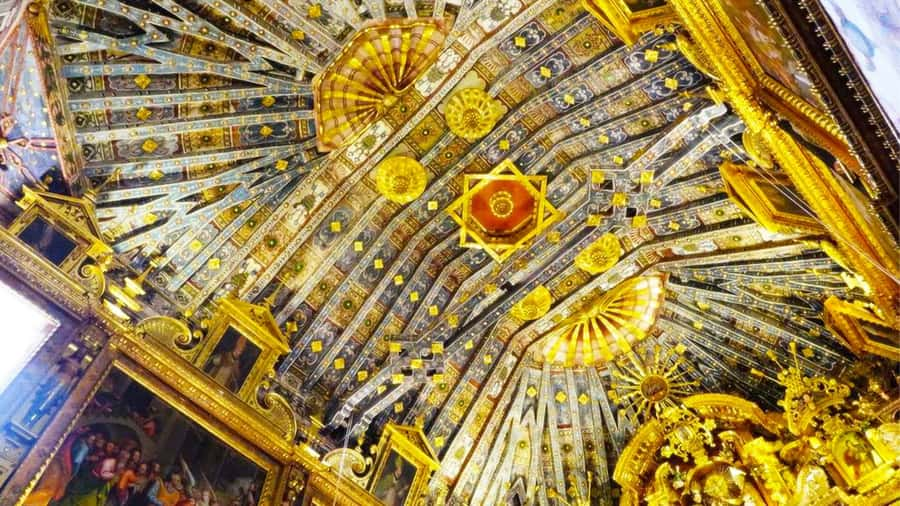
The final major sight is the church in Andahuaylillas. It is often called the Sistine Chapel of the Andes because of its elaborate interior decoration.
The church is known for murals, gold leaf work, and paintings from the Cusco School. After the open spaces of La Raya and the archaeological remains at Raqchi, this stop changes the mood completely. You move from high-altitude scenery and Inca construction into a richly decorated colonial religious interior.
A guide is especially useful here. The visual details can be overwhelming at first, and a good explanation helps you notice the paintings and decoration instead of simply walking through and taking a quick look.
Photography rules inside churches can vary, and the supplied information does not specify them, so follow the local instructions during the visit. Bring your camera for the exterior and approved areas, but do not assume every interior detail can be photographed.
The order of the final stops can depend on the day’s operation, but both Raqchi and Andahuaylillas are part of the route before you reach Cusco. This pairing gives the day a useful arc: early Andean cultures, Inca power and storage, then colonial art and religion.
What the $114 price really includes
At $114 per person, this is not the cheapest way to travel between Puno and Cusco. The price makes more sense when you count what is bundled into the day.
You receive hotel pickup in Puno, tourist transport, a professional English- or Spanish-speaking guide, entrance fees to all the listed tourist sites, buffet lunch, arrival transfer from the Cusco bus terminal, and transport to your Cusco hotel.
Buying each entrance separately would add work and uncertainty. The guide also saves you from treating the sites as disconnected photo stops. For someone already planning to travel from Puno to Cusco, the added cost pays for sightseeing, meals, and transfers in one booking.
The value is strongest if you want a guided introduction to the main Route of the Sun stops. It is weaker if you prefer to move at your own pace, skip museums, or spend a long time at one archaeological site.
A small group is possible, and one past departure happened to be particularly small. You should not treat that as guaranteed, but a smaller group can make questions and timing easier. The bus itself has received especially strong praise for its comfort and spacious seats.
The long day and how to prepare
The early start is fixed at 6:00 in the morning, and the day runs for about 10 hours. Add time for the final hotel transfer in Cusco, and you should plan for a full day from breakfast until evening.
Wear comfortable clothing and shoes. Bring a camera, cash, and a warm layer for La Raya. Since cold drinks are not included, cash also gives you an easy way to buy one during the day.
Altitude deserves attention. Puno is already high, and La Raya is higher still. The tour includes only short walks, but the height can make ordinary movement feel harder. Take your time, drink what is available, and avoid treating the stops like a race.
The fixed timetable is the biggest practical limitation. You will see several important places, but you will not have the freedom to linger whenever something catches your eye. Some people prefer that structure because it keeps the day organized. Others may feel that five stops are too much for one schedule.
The guide’s style also matters. Max was praised for clear explanations, friendliness, and a good balance between information and free time. The strongest experience will come when the guide keeps that balance. If your guide gives long talks at every stop, you may need to use your free minutes carefully.
Who should book this Route of the Sun journey
I would choose this tour if you are moving from Puno to Cusco and want the transfer to carry real historical value. It suits first-time visitors who want help understanding the sites, people who prefer not to arrange separate transport, and anyone who values a comfortable coach and a planned lunch.
It is also a good match if you want a broad introduction to Andean history in one day. You see a pre-Inca museum, a high mountain pass, an Inca complex, and a colonial church. That range is the tour’s main strength.
I would hesitate if you want long visits, private exploration, or a relaxed schedule. The day covers a lot of ground, and the stop times can feel short. A dedicated visit to Raqchi or Andahuaylillas would give you more freedom, but it would not solve the transport problem as neatly.
The free cancellation policy allows you to cancel up to 24 hours ahead for a full refund, and you can reserve now and pay later. Those terms are useful if your Peru plans are still changing.
Should you book it?
Book this tour if you need to travel from Puno to Cusco and want to turn the journey into a guided day of culture, archaeology, mountain scenery, and colonial art. The comfortable bus, included lunch, entrance fees, and hotel transfers give the $114 price solid practical value.
Skip it if you dislike early starts or feel frustrated by short visits. The Route of the Sun is a busy day, not a slow one. For most visitors making this exact journey, though, it is an efficient and worthwhile way to see Pucará, La Raya, Raqchi, and Andahuaylillas without arranging the pieces yourself.
FAQ
How long does the Puno to Cusco Route of the Sun tour take?
The experience lasts about 10 hours, beginning with pickup in Puno at 6:00 AM and ending in Cusco after the sightseeing stops and hotel transfer.
Where does pickup take place in Puno?
Pickup is included from your hotel in Puno. The stated pickup location is Av. Simon Bolivar 1671, and you should wait in the hotel lobby five minutes before pickup.
Which sites are visited during the journey?
The route includes the Lithic Museum of Pucará, Abra La Raya, Raqchi Archaeological Park, and the church in Andahuaylillas. A buffet lunch is also included at a local restaurant.
Is lunch included?
Yes. The buffet includes national and regional food, starters, fresh vegetables, desserts, and hot drinks. Cold drinks are not included.
Are entrance fees included?
Yes. Entrance to all the listed tourist points is included in the tour price.
What languages are available for the guide?
The live guide is available in English and Spanish.
Just added around Puno & Lake Titicaca
- Uros Floating Islands Tour in Puno★ 3.7 · 9 reviews
- Two Day Lake Titicaca Tour With Homestay★ 3.7 · 6 reviews
- Two-Day Tour to Uros with Amantani and Taquile from Puno★ 5.0 · 44 reviews
- Full Day Guided Tour of the Aymara Route from Puno★ 5.0 · 55 reviews
- Full-Day Tour of Uros, Taquile and Sillustani from Puno★ 5.0 · 41 reviews
- Full Day Lake Titicaca Tour to Uros and Taquile Islands★ 4.5 · 56 reviews
- Titicaca Lake 2 Day 1 Night from Cusco to Puno★ 4.5 · 33 reviews
- From Cusco to Lake Titicaca: 2-Day Homestay Tour★ 4.5 · 56 reviews
Puno & Lake Titicaca Tours, compared.
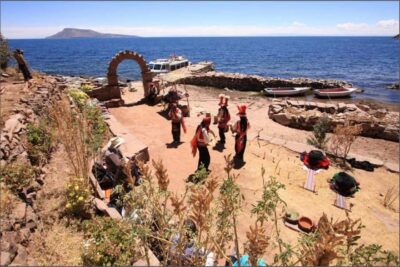
Lake Titicaca 2-Day Tour to Uros, Amantani and Taquile
Read our review →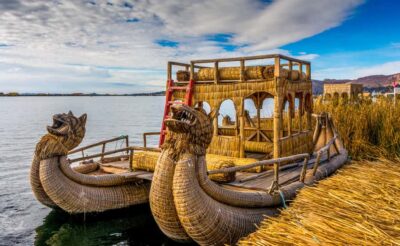
Full-Day Tour of Lake Titicaca and Uros & Taquile
Read our review →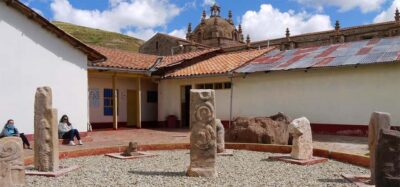
Full-Day Route of the Sun Tour to Cusco with Lunch
Read our review →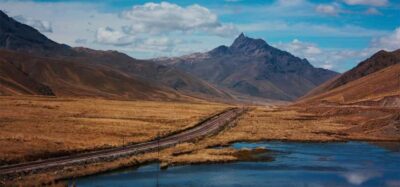
Scenic Route of the Sun to Puno with Buffet Lunch
Read our review →
Browse the lists this tour appears in