
Reviewed · TRUJILLO TOURS
Chiclayo: Chaparri Ecological Reserve Tour
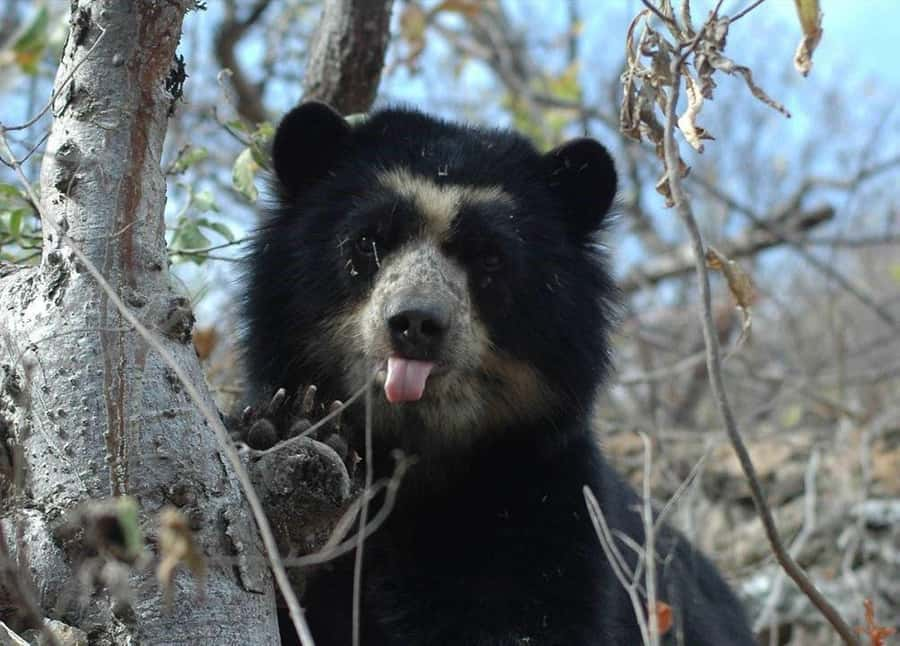
Chappari is Peru’s dry forest at its most rewarding: rare birds, sacred mountains, rescued bears, and rough rural roads packed into one long day from Chiclayo. You may spot pumas, tapirs, foxes, deer, or even signs of larger animals, but the most dependable wildlife comes in the form of birds and the bears at the rescue center.
I like the chance to see conservation work up close, especially the rescued spectacled bear Cuto. I also like the mix of trails, local beliefs, reptiles, waterfalls, and the final stop at Tinajones Reservoir. The drawback is the road into the reserve, which can be badly rutted, and wild bears or pumas are difficult to see.
Key points
- Chappari covers 34,142 hectares of protected dry forest around sacred Cerro Chaparri.
- Three walking routes focus on the Spectacled Bear, Huachuma or San Pedro tradition, and White-winged Guan.
- The bear rescue center cares for animals rescued from illegal captivity, including Cuto, a former circus bear.
- Birdwatching is a major strength, with parrots, parakeets, owls, woodpeckers, hummingbirds, and other dry-forest species.
- The S/30 entrance fee is extra, as are food and drinks, so the advertised $79 is not the complete cost.
- A Spanish-speaking guide and hotel or airport pickup are included from Chiclayo.
Why Chaparri is worth the long road from Chiclayo
Chappari Private Conservation Area protects a large stretch of northern Peru’s dry forest, an ecosystem that can look spare at first glance but supports a remarkable range of life. Cerro Chaparri is also regarded as a sacred mountain by local residents, so this is not only a nature outing. It connects wildlife protection with local beliefs and the traditional use of plants.
The journey begins in Chiclayo and heads about 80 kilometers southeast to Chongoyape. From there, the road continues toward the reserve with a local guide. The trip is part of the experience, but you should expect a full day rather than a quick side trip. The return to Chiclayo comes after the reserve and Tinajones Reservoir, so this is best treated as your main activity for the day.
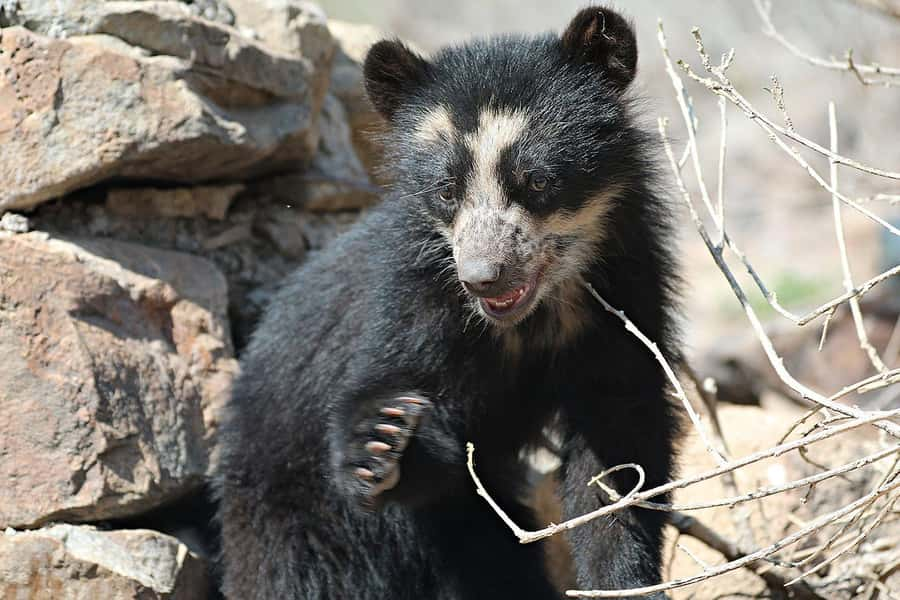
The reserve is home to spectacled bears, Andean condors, White-winged Guans, coastal foxes, guanacos, peccaries, deer, pumas, royal vultures, hummingbirds, reptiles, and many other species. The tour information also lists tapirs and jaguars among the iconic animals associated with the refuge.
That list should not become a wildlife guarantee. Wild animals keep their own schedule, and the provided experience notes that bears and pumas can be hard to see in their natural setting. You’ll get a better return by treating the outing as a dry-forest and conservation visit, with wildlife sightings as a bonus.
A few more Peru days worth weighing up
- Full Day Tour Huacas, Chan Chan & Huanchaco – Trujillo
★ 4.5 · 64 reviews - Piramids of Tucume Tour, Sican Museum and Lambayeque city tour
★ 5.0 · 30 reviews - Pyramids of the Sun and the Moon, Huanchaco and Chan Chan
★ 4.8 · 11 reviews
The drive through Chongoyape and into the dry forest
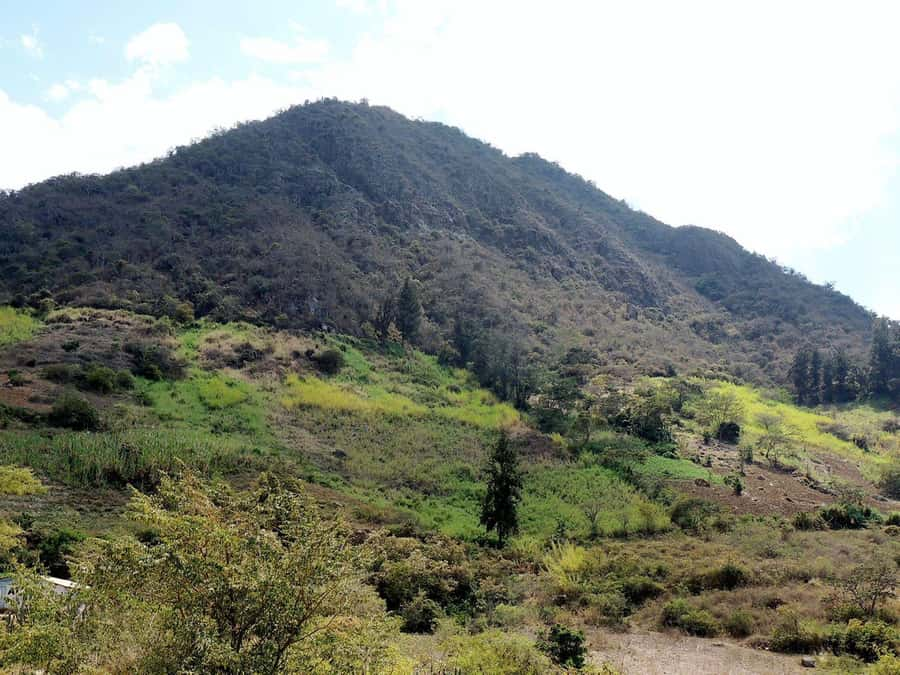
Your pickup is included from a hotel or the airport in Chiclayo. The vehicle then travels toward Chongoyape, passing through changing rural scenery before reaching the reserve. A local guide joins the excursion for the protected area, adding useful local context to the routes and conservation work.
One practical warning matters here: the road near the entrance can be very rough. A French visitor specifically noted the badly potholed route and advised trusting your back. That is a polite way of saying you should prepare for a bumpy ride. If you have back problems or dislike rough transport, ask for details before booking.
Bring water, snacks, sunscreen, and a hat. Comfortable shoes are important because the day includes walking trails, and a flashlight is listed among the suggested items. Sunglasses will help in the bright dry-forest conditions.
The road also gives you a chance to see a less polished side of northern Peru. One part of the journey included a stop or encounter connected with ancestral cooking, which added a memorable local touch. The exact food arrangements are not included, so do not count on meals being supplied. Food and drinks are your responsibility.
The Enchanted Garden and Cerro Chaparri
The main visit begins at the Enchanted Garden area inside Chaparri. The reserve covers about 34,142 hectares, giving you a sense of the scale of the protected zone even if your one-day route covers only a small part of it.
Cerro Chaparri carries spiritual meaning for local residents. The Huachuma or San Pedro route explains shamanic sessions, the meaning of the plant, and respect for the Apus, or mountain spirits. This section gives the outing a cultural layer that many wildlife excursions leave out.
You are not simply walking past trees and watching for animals. You are learning how people understand the mountain and why the area deserves protection. The guide explains the subject in Spanish, so basic Spanish ability will help you get the most from the interpretation. The experience does not list an English-language guide.
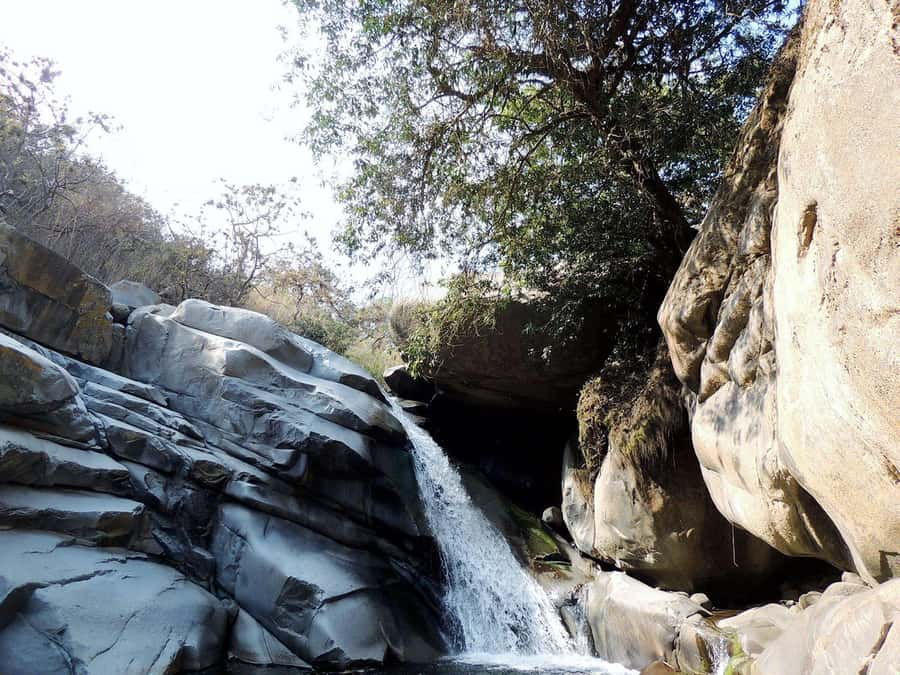
The dry forest changes with season and weather, so the amount of shade, water, and visible wildlife can vary. The mention of hidden waterfalls is appealing, but you should not assume a large waterfall or a long swim stop. The tour description promises access to natural features along the trails, not a guaranteed waterfall experience at a particular time.
Three routes with three different purposes
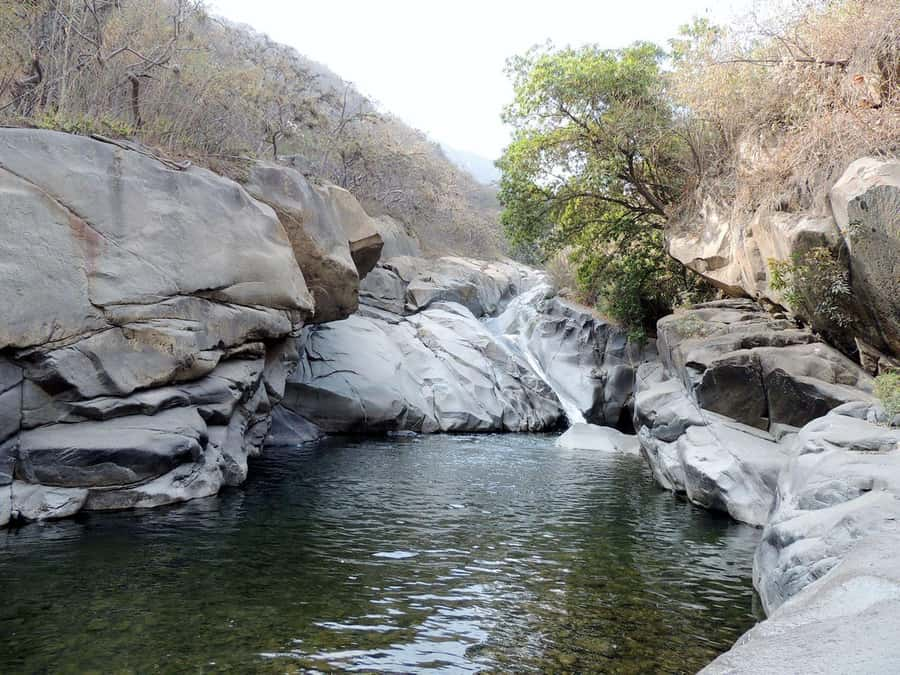
The walking program includes the Spectacled Bear route, the Huachuma or San Pedro route, and the White-winged Guan route. Each gives the day a different focus.
The Spectacled Bear route connects directly with Chaparri’s most important conservation work. Spectacled bears, also called Andean bears, are endangered and difficult to see in the wild. The route may offer tracks, habitat, or the chance to understand how the animals use the forest, even if no bear appears.
The Huachuma route focuses on local spiritual practice and the mountain’s cultural meaning. This is likely the most distinctive part of the day for visitors who want more than bird lists and animal spotting. You’ll hear about shamanic sessions and the respectful relationship between people, plants, and the Apus.
The White-winged Guan route highlights one of the reserve’s key conservation successes. The White-winged Guan is endangered, and Chaparri supports conservation and reintroduction projects for the species. The route also offers good possibilities for birdwatching, though sightings depend on conditions and luck.
The trails are described as winding, so wear shoes with a firm sole and expect uneven ground. There is no stated trail length or difficulty rating. If you need a precise idea of walking time or terrain, ask the operator before departure.
Same base, a completely different kind of day:
- Cusco: Humantay Lake Tour with Breakfast and Buffet Lunch
★ 4.9 · 2,976 reviews - From Cusco: Sacred Valley & Maras Salt Mines Tour with Lunch
★ 4.8 · 2,227 reviews - From Cusco: Moray, Maras Salt Mines & Chinchero Weavers Tour
★ 4.8 · 1,925 reviews - From Lima: Paracas and Huacachina Oasis Full Day Guided Tour
★ 4.7 · 1,780 reviews
Birdwatching is the safest wildlife bet
Chappari is a particularly good choice if you enjoy birds. The reserve’s dry forest supports species that can be hard to find elsewhere, including the Red-headed Parrot, Peruvian Owl, Emerald Parakeet, Bush Nightjar, Tumbes Swift, Short-tailed Starlet, Scarlet-backed Woodpecker, Peruvian Woodpecker, Tumbes Woodpecker, and eyebrow wren or nightingale.
You may also see hummingbirds, royal vultures, and other birds of prey. At Tinajones Reservoir, eagles and herons add a different group of water and open-country species to the day.
The guide can help you notice small birds that you might otherwise miss. One French visitor singled out the guide’s ability to find many small, beautiful birds. That is useful advice: bring patience, keep your eyes moving, and do not measure the day only by large mammals.
A flashlight is listed among the recommended items, which may help with early or shaded portions of the route. Binoculars are not listed as included, so bring your own if birdwatching matters to you. Since the tour is conducted in Spanish, knowing bird names in Spanish can also make identification easier.
The spectacled bear rescue center and Cuto
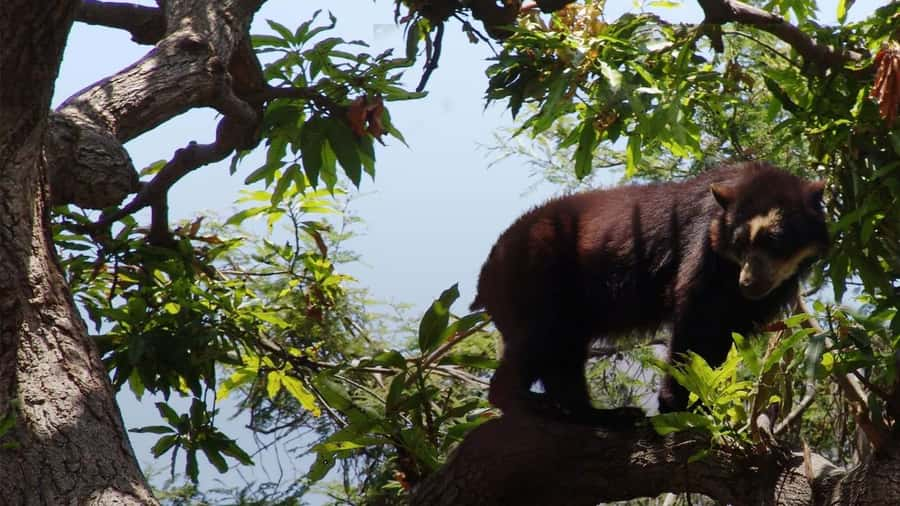
The rescue center is the emotional center of the excursion. It cares for spectacled bears rescued from illegal captivity and helps them regain natural behaviors before possible release into the wild.
You’ll meet Cuto, a permanent resident rescued from a circus. His presence shows the difficult side of wildlife protection. Not every animal can return to the forest, especially after a long period of captivity or human contact, so some must be cared for permanently.
The center’s aim is rehabilitation, not entertainment. Bears that can recover are taught to fend for themselves again before release into suitable habitat. The work also shows why buying wildlife as pets or keeping wild animals for display causes lasting harm.
This is where expectations need careful handling. The center offers a much more reliable bear encounter than the forest trails, but it is not the same as seeing a bear living entirely wild. If your main goal is a guaranteed look at an Andean bear, the rescue center is the practical part of the day. If your goal is a wild sighting, keep your hopes modest.
The French account also refers to seeing bears in the enclosure, including Cuto and a female. The exact animals present can change, so the important point is the conservation setting rather than a fixed animal list.
Reptiles, amphibians, and the meaning of Huachuma
The visit continues to a reptile house, where you’ll learn about snakes found in the area, along with amphibians and their ways of life. This adds variety to the outing and helps explain that dry forests are not empty during the hot, dry months.
Some people are less comfortable around snakes than birds or bears. If that is you, the reptile section may be more educational than enjoyable, but it remains useful for understanding local wildlife. The experience description does not name the individual snake species, so the guide will be your best source for identification.
The Huachuma section gives context to the mountain and the plant used in shamanic sessions. The emphasis is on meaning and respect for the Apus. This is not presented as a casual tasting activity or a staged ceremony, and you should not expect one unless separately arranged.
For me, this cultural explanation makes the reserve feel like a living place rather than a simple animal park. It also helps you understand why conservation here involves local communities, spiritual beliefs, and habitat protection at the same time.
The Interpretation Center puts the ecosystem together
The Interpretation Center explains Chaparri’s biodiversity and the need to protect the dry forest. After a day of separate sightings and stories, this is where the pieces fit together.
You’ll learn about endangered species, reintroduction efforts, and the value of the reserve. The White-winged Guan and Andean condor are especially important examples, as both are linked to conservation programs in the area.
This stop is helpful if you want a clearer picture of what your entrance fee supports. The park fee is listed separately at S/30, subject to change. It is modest, but remember to add it to the $79 tour price, along with your own lunch, snacks, and drinks.
The listed price includes tourist transport, an official tourism guide, and pickup from your hotel or airport. For a private conservation area located well outside Chiclayo, that package can be reasonable, particularly if you value having transport arranged rather than finding your own way to Chongoyape.
Tinajones Reservoir closes the day
After Chaparri, the route detours to Tinajones Reservoir. The reservoir supplies water to the Lambayeque region and gives you a broad change of scenery after the enclosed forest trails.
This is a good final stop because it adds open water and bird habitat to a day otherwise centered on dry forest. Eagles and herons may be visible, along with other birds. As with Chaparri, sightings are not guaranteed, but the reservoir gives you another chance to watch wildlife in a different setting.
The stop also breaks up the return drive to Chiclayo. You’ll have time to enjoy the view before heading back to the city. Since the outing lasts one day and includes several areas, the schedule may feel full. That is useful if you have limited time in the Lambayeque Region, but less appealing if you prefer a slow, unhurried nature walk.
Price, language, and planning details
The tour costs $79 per person. Add the S/30 park entrance fee, which is not included and may change, plus food and drinks. The cost makes the most sense for someone who wants a complete day with transport, a guide, several reserve stops, and a conservation center.
Pickup is included from a hotel or airport in Chiclayo. The tour is conducted in Spanish, with a live guide. The operator sends excursion details by WhatsApp and email the day before departure, which is useful because the exact pickup and organization details are not fully listed in advance.
You can cancel up to 24 hours before departure for a full refund, and the reserve-now, pay-later option keeps payment flexible. The activity also lists an express security check, though the practical value of that feature is less important than the included transport and guide for this particular outing.
The experience has a 4.8 rating from four published ratings, including one French visitor who praised the scenery, the guide’s passion, and the bird spotting. Another visitor from the United Kingdom said the day exceeded expectations. The small number of ratings means I would treat the score as encouraging, not conclusive.
Who should book the Chaparri day trip?
Book this if you want a nature day beyond Chiclayo and care about conservation, birds, local mountain beliefs, and dry-forest scenery. It is especially suitable for birdwatchers, wildlife enthusiasts, and visitors who want to support a protected area rather than spend the day in the city.
It is also a good fit if you value convenience. Hotel or airport pickup removes the need to arrange transport to Chongoyape, and the guide ties together the wildlife, culture, and conservation stops.
Think twice if you need an English-language guide, dislike bumpy roads, or want guaranteed sightings of pumas, jaguars, tapirs, or wild bears. The rescue center provides a more certain bear experience, but wild animals remain unpredictable.
My call: book it if you can accept a long, rough-edged day and see the reserve as a place to learn, walk, and watch birds rather than a safari with guaranteed big animals. Chaparri’s strongest rewards are the dry forest, the conservation work, the birds, and the feeling of reaching a protected corner of northern Peru that most short Chiclayo visits miss.
FAQ
How long is the Chaparri Ecological Reserve tour?
The experience lasts one day, including travel from Chiclayo, the reserve visit, the Tinajones Reservoir stop, and the return to Chiclayo.
Is pickup included?
Yes. Pickup is included from your hotel or the airport in Chiclayo.
What language is the tour conducted in?
The live tour guide and excursion information are in Spanish.
Is the Chaparri entrance fee included?
No. The park entrance fee is listed as S/30, and the price may change.
Are food and drinks included?
No. Food and drinks are not included. You should bring snacks and drinks for the day.
Can I cancel the booking?
Yes. You can cancel up to 24 hours before departure for a full refund. The activity also offers a reserve-now, pay-later option.
Just added around Peru
- Waqrapukara 1 day trekking + meals★ 3.9 · 3 reviews
- Zipline over the Sacred Valley Trip★ 5.0 · 11 reviews
- Visit Pisac from Cusco: Private Transport★ 4.6 · 9 reviews
- Visit to the Cochahuasi Animal Sanctuary with rescued animal★ 4.1 · 4 reviews
- Walking tour through the Historic Center of Arequipa★ 4.0 · 3 reviews
- Vinicunca Mountain Tour – Full Day Tour to Rainbow Mountain★ 3.4 · 4 reviews
- VISIT THE NATIONAL RESERVE OF PARACAS BY ATV★ 4.8 · 23 reviews
- Valle Sur Cusco | half day★ 4.3 · 3 reviews
Trujillo Tours, compared.

Full Day Tour Huacas, Chan Chan & Huanchaco – Trujillo
Read our review →
Piramids of Tucume Tour, Sican Museum and Lambayeque city tour
Read our review →
Pyramids of the Sun and the Moon, Huanchaco and Chan Chan
Read our review →Pyramids of the Sun and the Moon, Huanchaco and Chan Chan
Read our review →



Browse the lists this tour appears in