
Reviewed · COLCA CANYON TOURS
Colca Canyon Plus
Colca Canyon Plus packs Peru’s high country into two full days, from wild vicuñas at nearly 4,000 meters to condors gliding above the canyon. The real highlight is the overnight stay near Coporaque, where you get more than a quick viewpoint stop and have time for village walks, local food, and traditional dress.
I like the route’s variety: Salinas y Aguada Blanca National Reserve brings open high plains and volcano views, while the second day brings terraces, villages, and the Cruz del Cóndor viewpoint. I also like the small maximum group of 14, plus the well-placed hotel that saves you from making the long return to Arequipa after a single exhausting day.
The main caution is altitude. The route reaches 4,910 meters at Patapampa, and the walking tour in Coporaque is optional for a reason. You need moderate physical fitness, and lunch, dinner, and the $22 Cruz del Cóndor entrance fee are extra.
Key points at a glance
- 4,910-meter Patapampa: Reach the highest point of the trip for views toward Ampato, Sabancaya, Hualca-Hualca, Mismi, and the Cordillera de Chila.
- Wild vicuñas in Pampa Cañahuas: Stop inside Salinas y Aguada Blanca National Reserve to see these small Andean camel relatives in their natural setting.
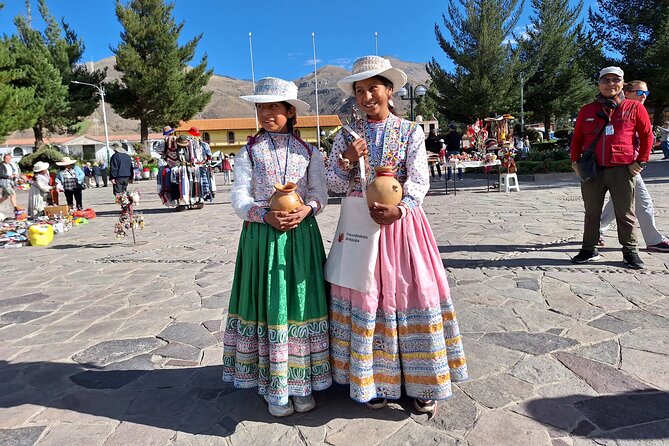
- A night near Coporaque: Stay at La Casa de Mamayacchi, with time for a local cooking activity, traditional clothing, village walks, and optional hot springs.
- Cruz del Cóndor at the right time: Leave early for the famous lookout, then add a short canyon walk and several terrace viewpoints.
- Small-group transport: The tour accepts no more than 14 people, a useful limit on a long road trip with frequent stops.
- Practical value: At $103.85 per person, the price includes transport, guide, breakfast, and one night of lodging, but not meals beyond breakfast or the main viewpoint admission.
Why two days works better than a rushed canyon visit
Colca Canyon is far enough from Arequipa that a one-day visit can feel like a road timetable with scenery attached. This two-day version gives you time to cross the high plains, sleep in the Colca Valley, and reach Cruz del Cóndor early without trying to squeeze every stop into one punishing day.
You leave Arequipa and spend the first day gaining altitude and then descending toward the canyon. The second morning begins before the day gets going, with breakfast followed by the drive to the condor viewpoint. You return to Arequipa around 4:00 p.m., so the schedule still uses most of the second day, but it avoids a second night away.
The tour costs $103.85 per person. That is a reasonable package price for tourist transportation, a professional guide, breakfast, and hotel accommodation. You should budget extra for lunch on both days, dinner on the first night, and the $22 entrance fee for Mirador Cruz del Cóndor.
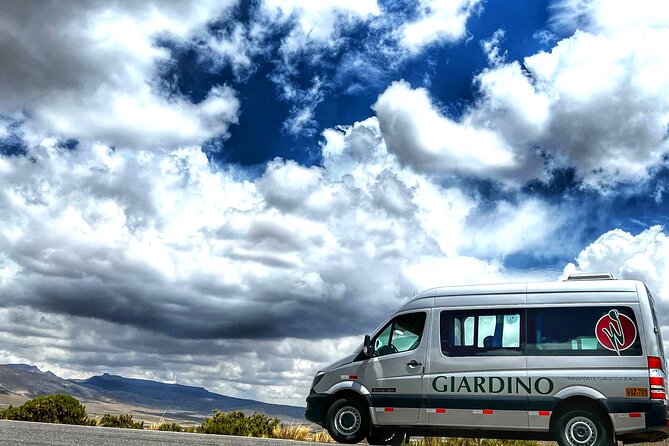
The group limit of 14 matters here. A small van or minibus can stop more easily at viewpoints, and a guide has a better chance to explain what you are seeing rather than simply point out the next stop. The exact vehicle is not specified, so I would still expect a long road day rather than a luxury ride.
A few more Colca Canyon days worth weighing up
- From Arequipa: Colca Canyon Full-Day Guided Tour with Meals
★ 4.5 · 982 reviews - 2-Day Tour Colca Canyon in Arequipa with end in Puno
★ 4.6 · 248 reviews - From Arequipa: 2-Day Colca Canyon Trekking Tour
★ 4.8 · 243 reviews
High plains and vicuñas at Salinas y Aguada Blanca
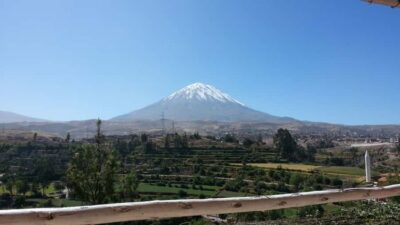
The first section leaves the city behind and opens into the high Andes. You’ll have views of Misti, Chachani, and Pichu Pichu volcanoes before reaching Pampa Cañahuas, part of Salinas y Aguada Blanca National Reserve.
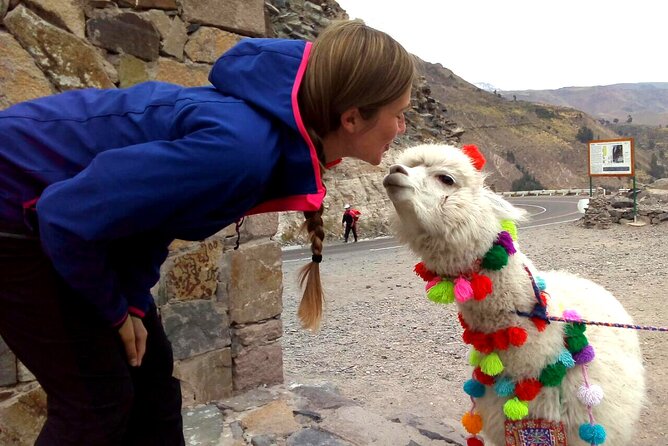
This is one of the most appealing parts of the first day because it is not just a roadside photo stop. The vehicle makes several stops to look for wild vicuñas, one of the four types of American camel. These animals live in the open reserve, so the sighting is part of the natural setting rather than a staged animal encounter.
The altitude here is about 4,000 meters. That number is not decoration. You may feel the change simply walking around for photographs, and the stop comes before the tour reaches its highest point. Keep your pace easy and follow your own comfort level.
The reserve also gives you early views of the volcanic country around Arequipa. The scenery is broad and spare, with the kind of clean horizon that makes even a short stop worthwhile. You get time to take pictures before continuing toward the canyon.
Puruña’s stone forest and an Andean craft stop
A short detour leads to the stone forest of Puruña. You can walk around its unusual rock formations and look across the reserve from a different angle. This adds a little variety to a day that could otherwise be dominated by long stretches of road.
The stop is especially useful if you like geological features and wide views more than formal monuments. There is time to explore, but the supplied schedule does not give a separate duration for the detour, so expect a brief visit rather than a long hike.
Back on the main road, the group stops at a local restaurant. You can have mate de coca, use the restroom, and see how local women work with alpaca fiber and Andean plants. This is a practical stop as well as a cultural one. The restroom matters on a high-altitude road day, and the demonstration gives you a clearer link to local materials than a quick souvenir shop would.
4,910 meters at Abra Patapampa
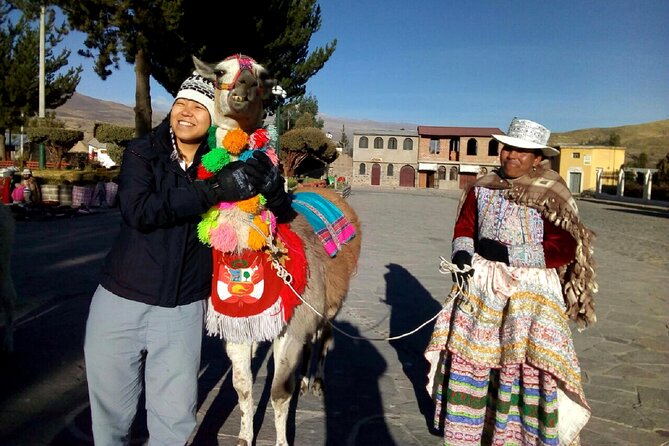
The road continues through Tocra, a high plain above 4,400 meters. Here you can see lakes, wetlands, wild birds, llamas, and alpacas. The wetland setting breaks up the dry high-country views and gives you another chance to see animals in an open environment.
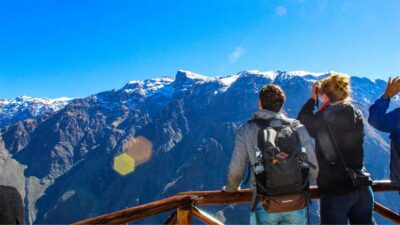
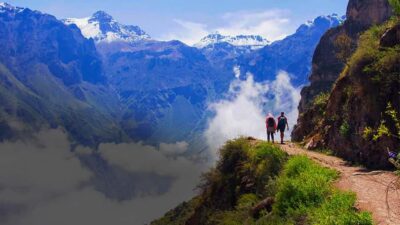
Then comes Abra Patapampa, also called the Viewpoint of the Andes. At 4,910 meters, it is the highest point on the tour. From here, the view reaches toward Ampato, Sabancaya, Hualca-Hualca, Mismi, and the Cordillera de Chila.
You should treat this as a viewpoint stop, not a place to linger at length. The tour description calls for about an hour, enough for pictures and a look around. At this height, the cold and thin air can make a simple walk feel harder than expected. The tour requires moderate physical fitness, but the optional nature of the later Coporaque walk lets you conserve energy.
This stop also helps you understand the scale of the region. Colca is not just a deep canyon cut into ordinary countryside. It is part of a much higher Andean world of volcanoes, wetlands, camelid herds, and broad open plains.
Same base, a completely different kind of day:
- From Arequipa: Full Day Tour of Colca Canyon with Meals
★ 4.4 · 146 reviews - Full-Day Colca Canyon Tour from Arequipa
★ 4.3 · 112 reviews - 2 Day 1 Night Trek / Colca Canyon
★ 4.5 · 92 reviews - From Arequipa: Colca Canyon Day Trip with Transfer to Puno
★ 4.6 · 90 reviews
Coporaque, a local night in the Colca Valley
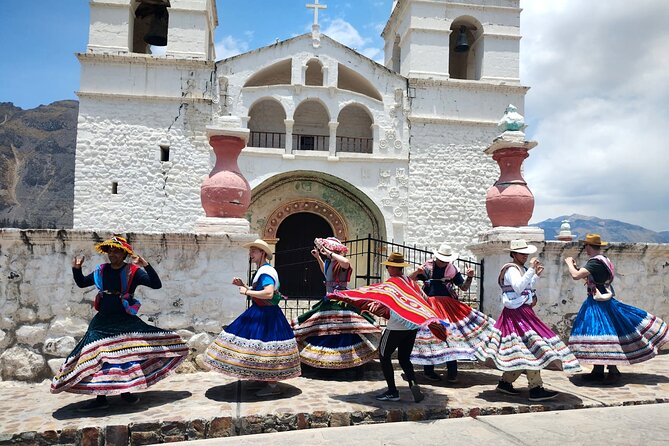
As you approach Chivay at about 3,651 meters, the route begins to reveal the multicolored terraces of the Colca Valley. You make a short visit to Chivay’s plaza, then continue along the right bank of the canyon to Coporaque.
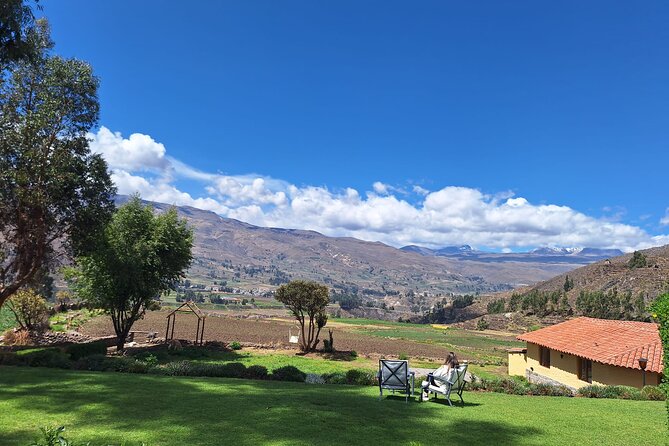
Your lodging is at La Casa de Mamayacchi. The hotel’s position outside the busiest center gives the overnight stop a more rural feel, and its location is one of the tour’s strongest practical features. You are already in the valley instead of spending the evening returning toward Arequipa.
Lunch is free time at the lodge, but it is not included in the tour price. With the guide’s help, you can take part in activities offered by the hotel, including learning to prepare a typical dish or trying traditional clothing from the Colca Valley.
These activities are simple, hands-on additions. They make the overnight stop feel like part of the region rather than just a place to sleep. The exact activity available may depend on the lodge’s schedule, so you should see them as included opportunities rather than a fixed cooking class.
The guide also offers an optional walk through Coporaque and the surrounding area. It takes about an hour and a half, and the route lets you see the town and this side of the canyon at a slower pace. Skip it if the altitude is bothering you. You are not losing the main purpose of the tour by resting.
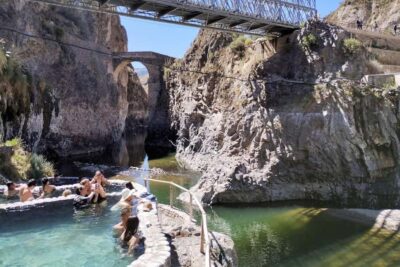
Thermal baths are available in town on request, with transport provided by the operator. Since this is not described as a scheduled group stop, ask your guide early if you want to try it. Your overnight accommodation is a double or twin room.
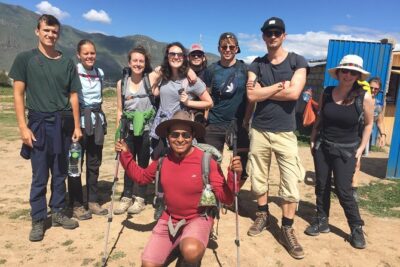
Guides can make a real difference in this part of the trip. Antonio San Cristobal is noted for his professional and friendly approach, while Mayan is described as cheerful and generous with explanations. The guide names may vary by departure, but the tour’s best version is one where your guide comes from the Colca area and can explain the valley from local experience.
Cruz del Cóndor and the morning flight of the condors
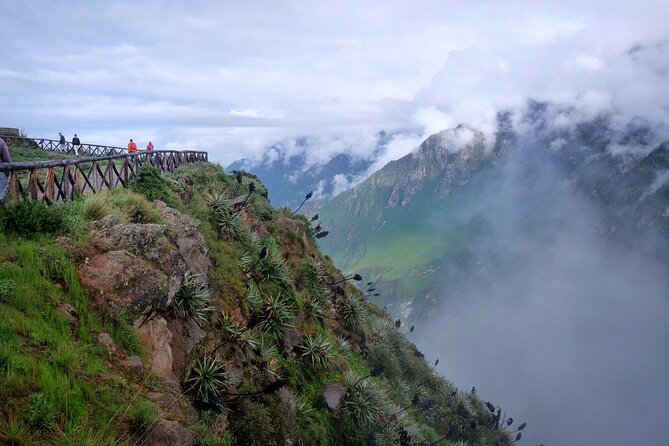
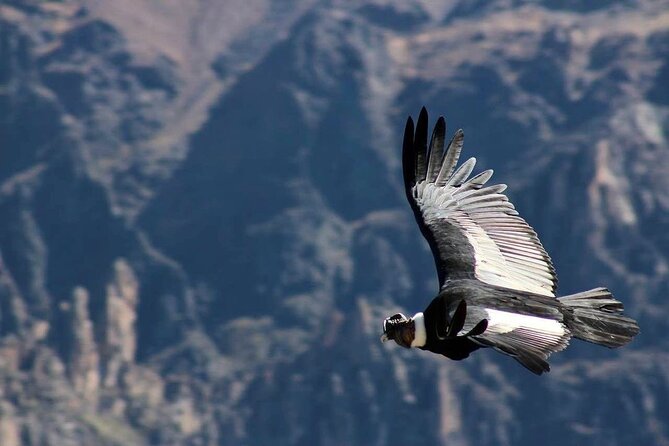
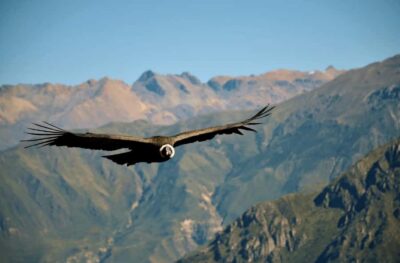
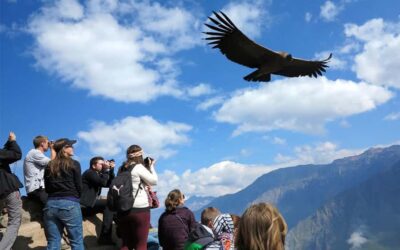
Day two starts with an early breakfast and a drive along the left side of Colca Canyon to Cruz del Cóndor. The early departure is important. The viewpoint is famous for Andean condors gliding over the canyon, and the tour gives you enough time to watch, take pictures, and enjoy the setting rather than making a quick stop.
Condors are the main reason many people book this route, but the canyon itself deserves equal attention. The viewpoint puts the depth and scale of Colca in front of you, while the birds give the scene movement. You may see the condors gliding on rising air currents, though no wildlife sighting can be guaranteed.
After the main viewpoint, your guide takes you on a short walk near the canyon, lasting about an hour. This is a useful addition because the view changes when you move away from the central lookout. You get more chances to look for condors and see the canyon from another angle.
The tour then continues through Pinchollo, a traditional village, and to the Antahuilque viewpoint. From there, you can see terraces that date back about 1,500 years. The terraces are not just decorative lines on the slopes. They show how people shaped steep mountain land for farming and made life possible in a difficult high-altitude setting.
At Choquetico, you stop to see a litomaqueta, a model of the canyon terraces carved into rock. This is a small but useful visual aid. The canyon can be hard to read from a distance, and a carved model helps you understand the pattern of villages, terraces, and slopes before continuing.
Maca, Yanque, and the return to Arequipa
The route back to Chivay passes through the traditional towns of Maca and Yanque. The schedule allows you to see several communities rather than focusing only on the main canyon lookout.
You arrive in Chivay around midday and have free time for lunch. Lunch is not included, so plan for this expense. The details provided do not specify a restaurant or a set menu, which gives you some flexibility but also means you should confirm the timing and payment arrangements with your guide.
After lunch, you board the transport for the return to Arequipa. Arrival is expected around 4:00 p.m., followed by transfer to your hotel. That arrival time is helpful if you have evening plans, though I would avoid booking a tight connection because road journeys in the Andes can run late.
There is also a transfer service from Chivay to Puno on Lake Titicaca. You need to ask the operator about this option. It could make the tour useful for a larger Peru route, letting you visit Colca Canyon between Arequipa and Puno instead of returning to Arequipa.
What the $103.85 price really covers
At $103.85, this is not an all-inclusive trip, but it covers the costly basics:
- Tourist transportation
- A professional guide
- One hotel night in a double or twin room
- Breakfast
- Transfers back to your Arequipa hotel
You need to pay separately for lunch, dinner, and the $22 Cruz del Cóndor admission. The first day’s lunch at La Casa de Mamayacchi is free time, not a covered meal, and the second day also includes an independent lunch stop in Chivay.
That makes the total cost higher than the headline price, but the package remains good value if you want transportation and lodging arranged for you. Driving this route independently would require handling a long mountain journey, timing the condor viewpoint, and finding accommodation in the valley.
The strongest value is the overnight stay. You gain a slower first day and an early start for the canyon without paying for a second full day of private arrangements. You also get the chance to add village activities and thermal baths, depending on what you choose.
Who should book this Colca Canyon tour?
I would choose this tour if you want a broad introduction to the Colca region without arranging buses, hotels, and viewpoint timing yourself. It suits you best if you enjoy scenery, wildlife, village visits, and short walks rather than a serious canyon trek.
It is also a good fit for anyone who values a local guide. The best parts of the route, including the terraces, traditional clothing, alpaca fiber work, and Andean plants, benefit from explanation. The guide’s role is not just to announce viewpoints but to give meaning to what you are seeing.
You should think twice if you struggle with high altitude, dislike long road days, or want a strenuous hike into the canyon. This is a scenic touring trip with an optional village walk, not a multi-day canyon trek.
Book at least three days before departure if you want the option of a full refund. Changes or cancellations inside that period are not refundable, and poor weather can lead to a rescheduled date or a full refund. The tour is commonly booked about 39 days ahead, so leaving it until the last minute may not be wise.
Should you book it?
Book Colca Canyon Plus if you want the condors, high volcano viewpoints, wild vicuñas, terraces, and a comfortable night in the valley in one compact trip. The small group limit, well-positioned lodging, and optional Coporaque activities give it more substance than a basic viewpoint transfer.
Skip it if you need every meal included, want a guaranteed wildlife sighting, or prefer a slow hiking trip. For most visitors with moderate fitness and two available days, this is a well-priced and sensible way to see the Colca region from Arequipa.
FAQ
How long is the Colca Canyon Plus tour?
The tour lasts approximately two days. You return to Arequipa around 4:00 p.m. on the second day and are transferred to your hotel.
What is the highest point on the tour?
The highest point is Abra Patapampa, also called the Viewpoint of the Andes. It is located at 4,910 meters.
Is the Cruz del Cóndor entrance fee included?
No. The entrance fee is $22 per person and is paid separately.
Are meals included?
Breakfast is included. Lunch and dinner are not included, so you should budget for both.
Where do you stay overnight?
The overnight accommodation is at La Casa de Mamayacchi in Coporaque, in a double or twin room.
Is the walk in Coporaque required?
No. The approximately 1.5-hour walk is optional and depends on how you feel at altitude.
How many people can join the tour?
The tour has a maximum group size of 14 people.
Can you cancel for a full refund?
Yes, if you cancel at least three full days before the experience start time. Cancellations or changes made less than three full days in advance are not refundable, and poor weather may lead to a different date or a full refund.
Just added around Colca Canyon
- 2 Day Trek Including Transfer to Puno / Colca Canyon★ 4.5 · 38 reviews
- Full Day Tour to Colca Canyon from Arequipa★ 4.0 · 34 reviews
- Colca Full Day★ 5.0 · 57 reviews
- Tour Fullday Colca Canyon with Breakfast and Typical Lunch★ 4.3 · 35 reviews
- Offer Price: Colca Canyon One Day in Arequipa with Breakfast★ 4.5 · 4 reviews
- Full Day Trip to Colca Canyon from Arequipa ending in Puno★ 4.5 · 4 reviews
- Full-Day Condor Viewpoint & Inca Sites Tour★ 5.0 · 3 reviews
- Full day excursion to Colca Canyon★ 4.2 · 6 reviews
Colca Canyon Tours, compared.
2-Day Tour Colca Canyon in Arequipa with end in Puno
Read our review →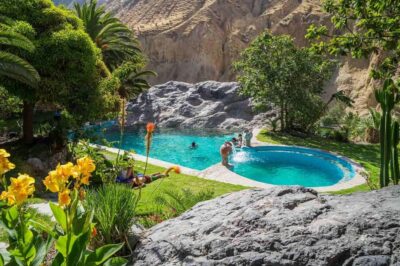
From Puno to Arequipa: 2 Days/1 Night Colca Canyon Tour
Read our review →Browse the lists this tour appears in