
Reviewed · BALLESTAS ISLANDS TOURS
PARACAS: BALLESTAS ISLANDS AND NATIONAL RESERVE
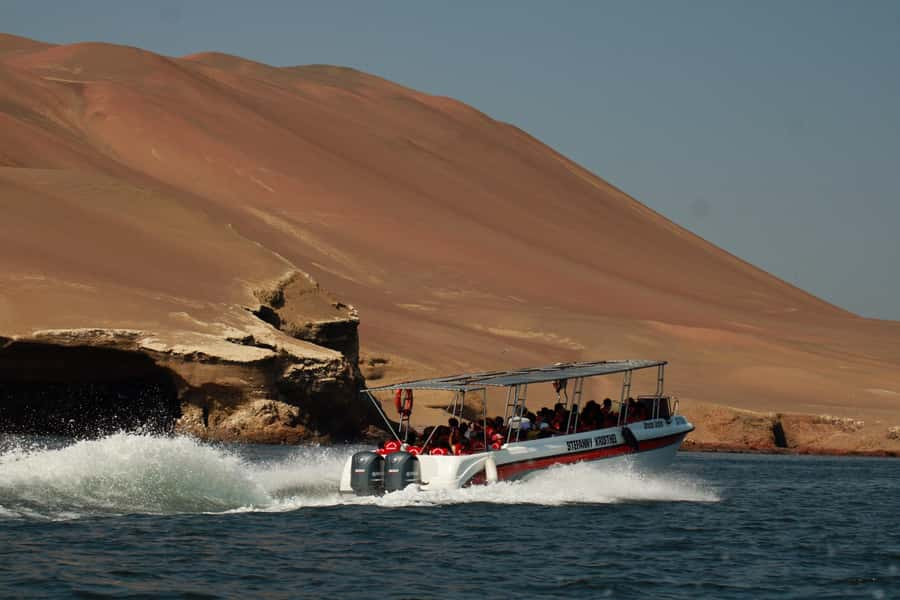
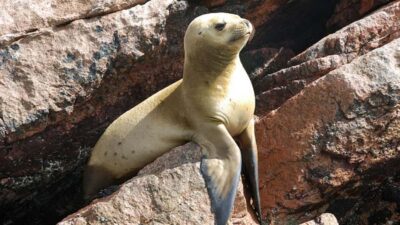
The Ballestas Islands are Peru’s answer to a wildlife park, except the animals set the schedule. From a modern boat, you may see sea lions, Humboldt penguins, pelicans, guano birds, terns, and even dolphins, all against bare rock and open Pacific water. I like the close look at marine life and the chance to see the enormous El Candelabro geoglyph from the sea.
I also like the smart split between boat and bus. You get two very different sides of Paracas: wildlife offshore in the morning, then beaches and viewpoints in the national reserve. The main consideration is the long day in strong sun, with about an hour of free time and several extra entrance fees beyond the $39 price.
Key points to know before you book
- El Candelabro is the first major sight: This 170-meter geoglyph is more than 2,500 years old and reaches about 1.2 meters deep in places.
- The Ballestas boat ride lasts two hours: You may see Humboldt penguins, sea lions, pelicans, guano birds, terns, and dolphins.
- The reserve section lasts four hours: A tourist bus links the flamingo viewpoint, Yumaque Beach, Playa Roja, the Itmos Peninsula viewpoint, and La Mina Beach.
- The scenery changes sharply: The islands offer wildlife and carved rock formations, while the reserve offers cliffs, bays, colored sand, and beaches.
- The listed price is not the final cost: Add the stated 11 soles SERNANP fee, 5 soles pier fee, and 11 soles national reserve fee, plus anything you eat or drink.
- Pickup is limited but useful: You can be collected from a downtown Paracas hotel or the bus station, with the meeting point beside Aquamarine hostel at Plazuela del Chaco.
Why the Ballestas Islands make a strong morning trip
The Ballestas Islands are made of rocky outcrops off the Paracas coast. Their appeal is not polished scenery or a long walk. You see them from the water, where rock faces rise from the sea and animals gather in places people cannot reach.
That distance matters. The boat lets you watch colonies without landing on the islands. The result is a simple, natural encounter: birds wheeling above the boat, sea lions on ledges, and penguins appearing among the rocks. You will want binoculars if you have them, but the tour is designed for ordinary sightseeing from the boat.
The tour begins at 8:00 a.m. and runs until about 10:00 a.m. A bilingual guide in English or Spanish accompanies the group. The exact guide’s name is not provided, so do not book this expecting a named specialist. What is clear is that the guide provides the commentary and helps identify the major sights.
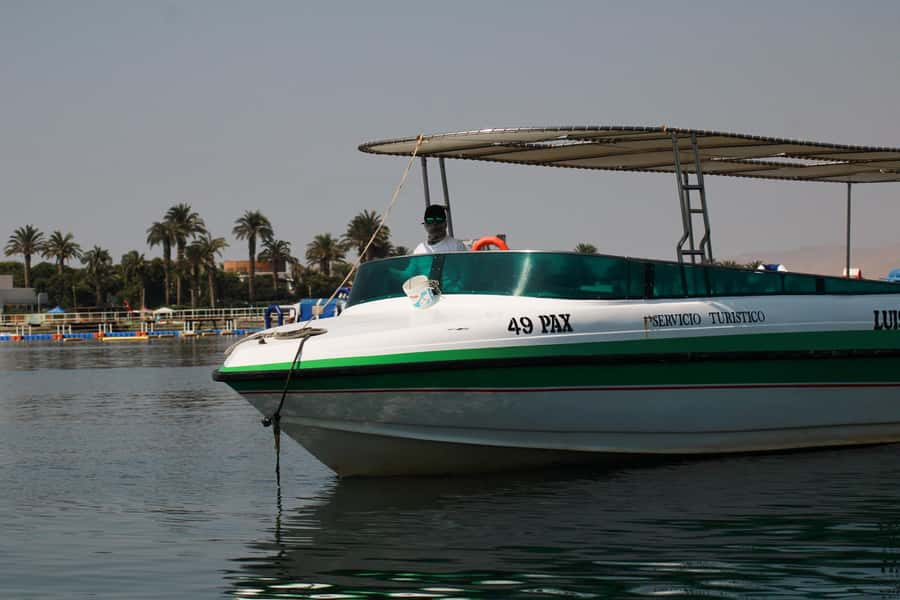
The boat is described as modern, and life jackets are included. That is reassuring, but you should still expect a real sea outing rather than a quiet harbor cruise. The water can make the boat move, and the open sun is part of the experience. Wear a hat that fits securely, use sunscreen, and keep phones and cameras protected from spray.
More Ballestas Islands boat trips:
- From Paracas: Ballestas Islands & Paracas National Reserve
★ 4.7 · 356 reviews - Paracas: Ballestas Islands Morning Boat Tour
★ 4.5 · 301 reviews - Ballestas Islands & Paracas National Reserve from Paracas
★ 4.4 · 228 reviews
El Candelabro, a giant mark in the desert
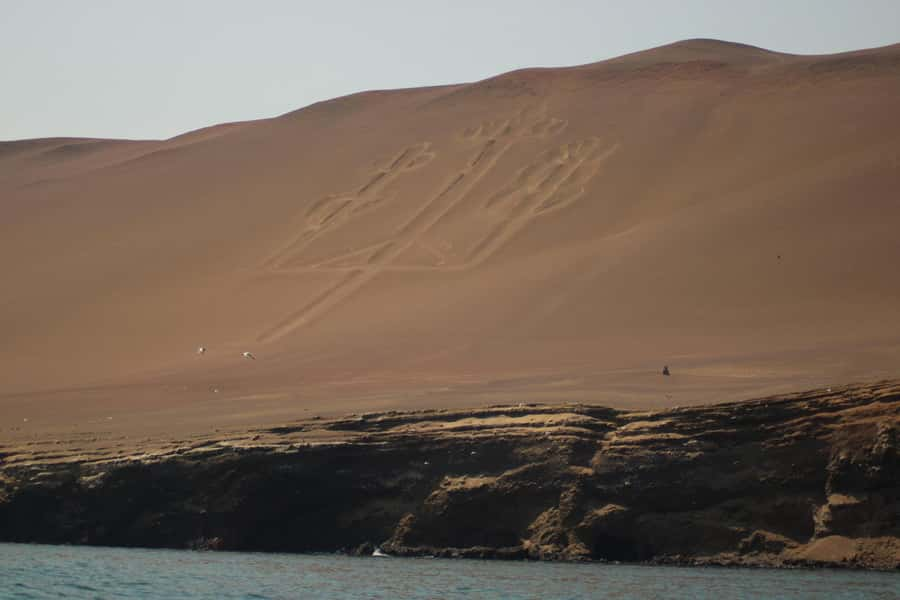
One of the first sights is El Candelabro, a huge geoglyph cut into a sandy hillside near the coast. It measures about 170 meters long and is roughly 1.2 meters deep. Its age is given as more than 2,500 years, and it is recognized as a cultural heritage site.
The boat provides the right angle for seeing it. From land, the scale and placement would be harder to appreciate. From the water, the figure reads as a giant mark on the otherwise bare coastal slope.
The name refers to its candelabra-like shape, though the meaning and purpose of the figure remain a subject of discussion. The useful point for you is that this is not a small carving to be rushed past. The guide should help you spot it and explain its cultural importance before the boat continues toward the islands.
Photography here depends on light, distance, and your place on the boat. You may not get a perfectly clear image, so treat the sight as part of the morning story rather than a guaranteed postcard shot.
The three islands and their rocky monuments
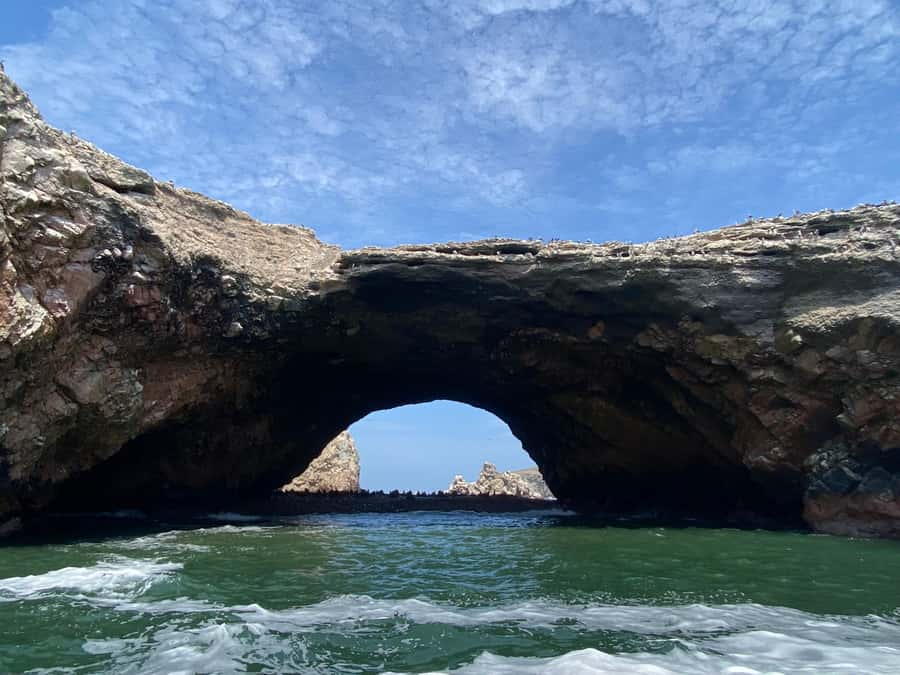
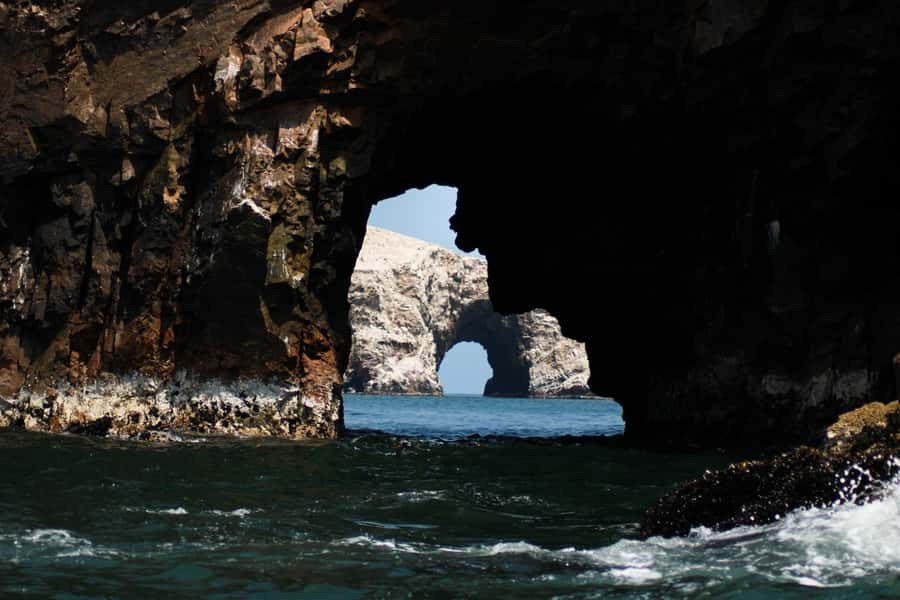
After El Candelabro, the boat moves toward the three islands commonly known as the Ballestas Islands. The rock formations have names such as Arco del Deseo, or Arch of Desire, and Perfil de Cristo, or Profile of Christ.
These formations give the ride some visual variety. You are not only watching animals. You are also looking for familiar shapes in cliffs and arches shaped by the sea. Some people enjoy matching the rock to its name, while others may find the names more amusing than convincing. Either way, they make useful landmarks during the ride.
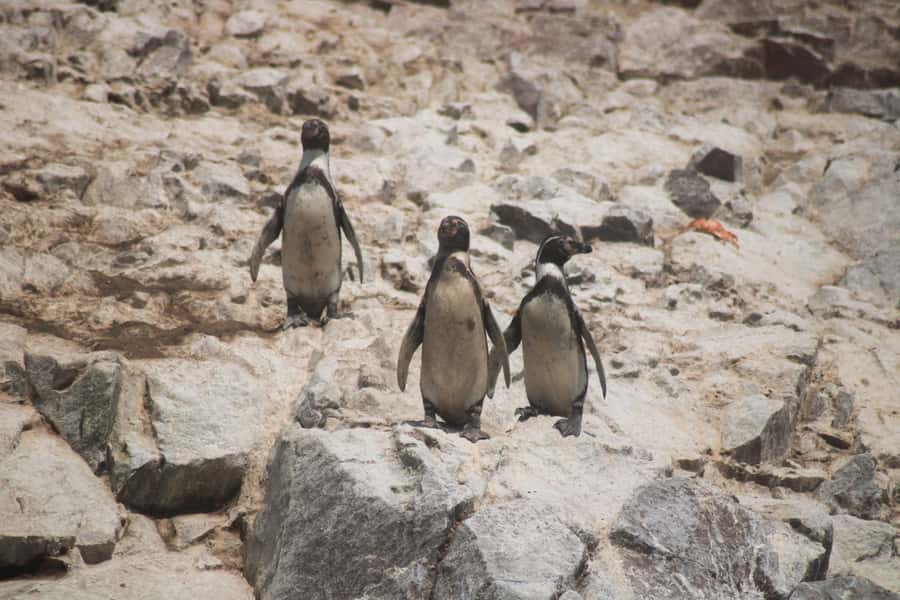
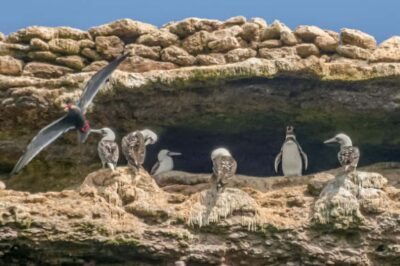
The islands are also home to large numbers of water birds. Guano birds, terns, Humboldt penguins, and pelicans are specifically included among the species you may see. Dolphins and sea lions are also listed, but wildlife is never a fixed performance. You might see several species at close range, or spend more time scanning the rocks and water.
The guano birds are especially tied to the character of this coast. Their presence helps explain why these islands have long mattered economically as well as naturally. You will notice that the setting is functional and wild, not landscaped or built for easy access.
Humboldt penguins are one of the tour’s strongest draws. They are smaller than the penguins many people picture, so keep watching the rocks and listen to the guide’s directions. If you expect a large colony to pose beside the boat, you may be disappointed. If you enjoy the search, the sight feels much more rewarding.
What the two-hour boat ride feels like
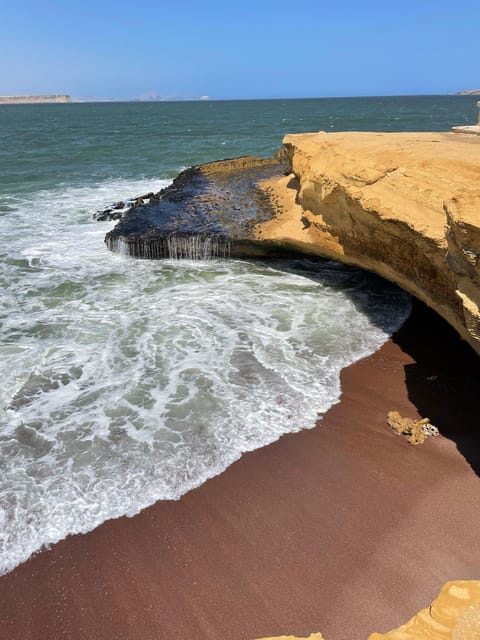
The first hour is likely to feel packed with sights because the boat covers El Candelabro, the island formations, birds, mammals, and sea views in one outing. The second hour gives the experience room to unfold, but your attention may be tested if animals are spread out or conditions make viewing less direct.
The tour is suitable for people who want wildlife without a strenuous hike. You remain on the boat, then return to Paracas at about 10:00 a.m. No island landing is described, so you should not expect to walk among the animals.
This is also a good reason to keep your camera ready but not glued to it. Sea lions and dolphins can appear quickly. A wide photo of the boat, cliffs, and water may tell the story better than a blurry close-up.
At the end of the boat trip, you have about 45 minutes for a drink or a walk along the boulevard. This break is practical rather than a major attraction. It gives you time to stretch, use the pause between tours, and buy something before boarding the bus.
The group meets again at the office at 10:45 a.m. The reserve tour begins at 11:00 a.m. That short gap means you should stay aware of the meeting time. Wandering too far from the boulevard could turn a relaxed break into a hurried return.
A few more Paracas days worth weighing up
- From Lima: Paracas and Huacachina Oasis Full Day Guided Tour
★ 4.7 · 1,780 reviews - Full Day Paracas Ica and Huacachina from Lima All Included
★ 4.5 · 623 reviews - From Lima: Day trip to Paracas, Ica and Oasis Huacachina
★ 4.6 · 409 reviews - Lima: Paracas and the Huacachina Oasis Guided Day Tour
★ 4.5 · 354 reviews
From the harbor to Paracas National Reserve
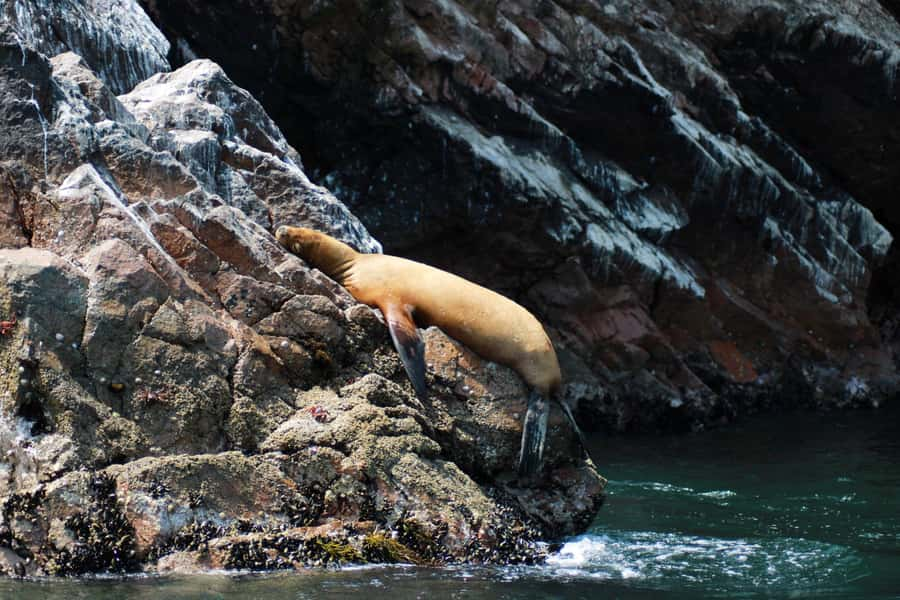
The second part lasts about four hours and uses a tourist bus. It visits several beaches and viewpoints inside the Paracas National Reserve, returning to Paracas around 3:00 p.m.
This is a different kind of sightseeing from the islands. The morning is about animals and offshore rock. The afternoon is about open coastal views, unusual colors, bays, cliffs, and beaches. The bus matters because the reserve stops are spread out, and you can see more than you could reasonably cover on foot during a single afternoon.
The first listed stop is the flamingo viewpoint. The stop is intended for wildlife viewing and photographs. Flamingos are not guaranteed to gather close, so bring patience and use the stop to take in the wider bay as well.
The reserve is dry and exposed. You should expect little shade at the viewpoints. A hat, water, sunscreen, and light clothing will make the bus section far more comfortable. Food and drinks are not included, so carry some or plan to purchase something during the 45-minute break.
Yumaque Beach and the curve of the bay
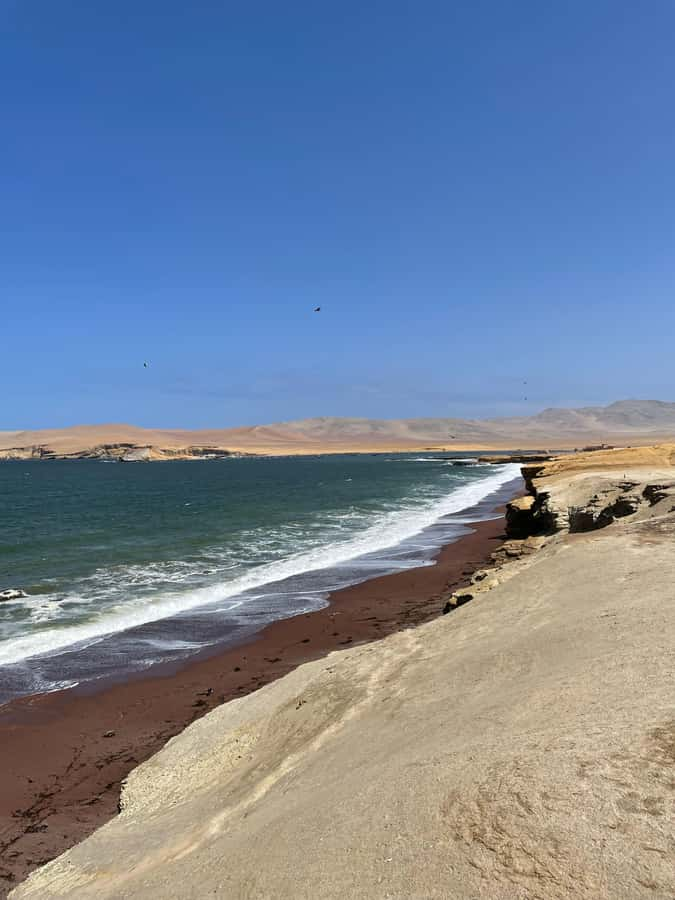
Yumaque Beach is described as a small, protected, crescent-shaped cove about 2 kilometers long. Its name comes from a Quechua word linked to taking your hand out.
The appeal here is the shape and shelter of the cove. It gives you a calmer-looking contrast to the open coast and rougher rock formations around the reserve. The stop is well suited to photographs, but the supplied details do not promise swimming, so do not build your plans around getting into the water.
Yumaque also helps you understand how the reserve works. The beaches are not all alike, and the bus ride connects places with different colors and moods. You get a wider view of the coast instead of spending the entire day at one beach.
Playa Roja, Paracas’s most unusual color
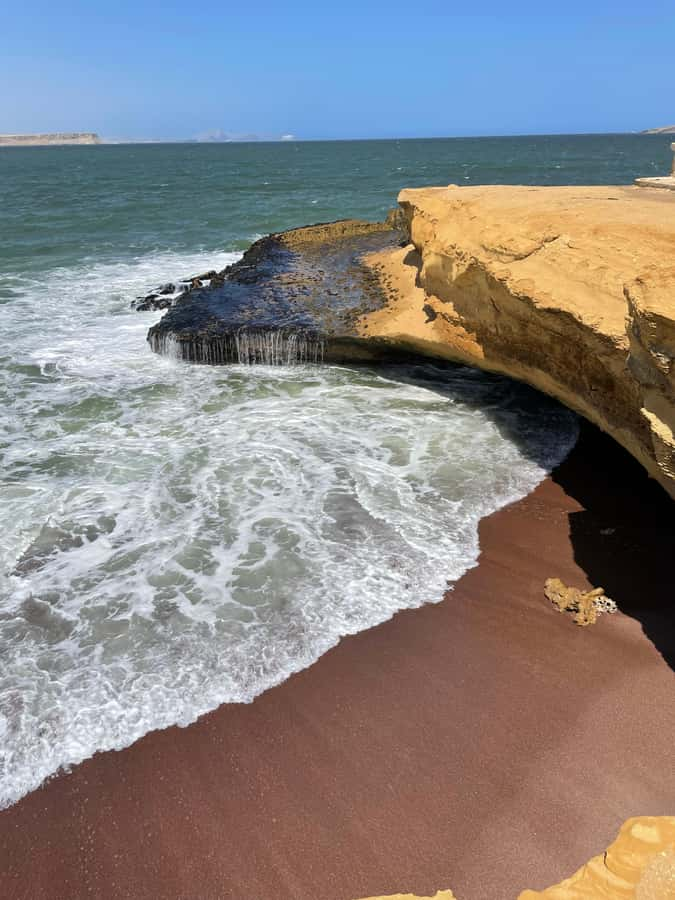
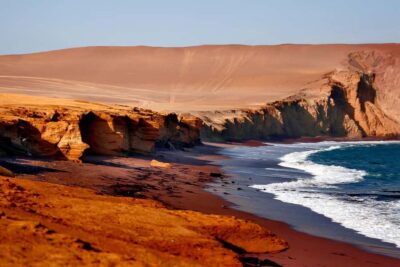
Playa Roja is likely to be the afternoon’s most memorable photo stop. Its sand takes on a reddish or pink tone from igneous rock called pink granodiorite, which breaks away from Santa María hill.
The color works best when set against the surrounding coast. Look beyond the beach itself and notice how the red tones sit beside the darker rock and pale desert. This is a short stop for photographs, not a conventional resort beach with facilities described in the tour details.
The beach’s unusual color is the reason to visit. If your priority is a long swim or a relaxed beach afternoon, Playa Roja may not meet that expectation. If you want a place that looks unlike an ordinary Pacific beach, it is a strong stop.
The Itmos Peninsula viewpoint and Paracas Bay
At the Itmos Peninsula viewpoint, you can look across the full bay of Paracas. The stop is designed for pictures and videos, with a broad view rather than a single object to inspect.
This is where the bus tour opens up. From the islands, you see the coast from water level. From the peninsula, you gain height and distance. The change makes the geography easier to read, especially after visiting the beaches below.
You may spend only a short time at the viewpoint, so decide in advance whether you want wide scenic photos, video, or a quiet look. The schedule includes several stops, and the group cannot linger indefinitely at each one.
La Mina Beach and turquoise water
La Mina Beach is one of the most famous beaches in Paracas, known for turquoise water, cliffs, and protection from the open sea. It offers the clearest contrast with Playa Roja: one is famous for unusual sand color, the other for water and coastal shelter.
The beach is a good final stop because it brings together the features you have seen all afternoon: rock, sea, cliffs, and a sheltered bay. The details do not specify a swimming period, facilities, or beach equipment, so treat it as a sightseeing stop unless your guide tells you otherwise.
You will likely find La Mina attractive for photographs, especially if the water is calm and the light cooperates. But keep your expectations practical. A four-hour reserve tour with several stops gives you a sample of the coast, not a full beach day.
What the $39 price really covers
At $39 per person, the tour offers a full seven-hour schedule, two different transport sections, a bilingual guide, a modern boat, life jackets, and pickup from a downtown Paracas hotel or the bus station. That makes it a useful package if you want both major Paracas experiences without arranging separate transport.
The listed price does not cover three stated fees:
- SERNANP tourist entrance fee: 11 soles
- Pier tourist entrance fee: 5 soles
- Paracas National Reserve tourist entrance fee: 11 soles
Together, those listed charges total 27 soles per person. Food and drinks are also extra. Check the final payment details before booking, since the wording presents both a SERNANP fee and a national reserve fee separately.
The value is strongest for a short stay in Paracas. You can see the islands in the morning and the reserve in the afternoon, rather than spending money and time on two separate bookings. The tradeoff is pace. You will follow a fixed schedule, with only 45 minutes between the two main activities and limited control over how long you spend at each beach.
The operator offers free cancellation up to 24 hours before the activity and a reserve-now, pay-later option. Those terms help if your Peru plans are still moving around. Give the operator your WhatsApp number with the country code so the team can contact you during the tour.
Meeting point, pickup, and the day’s rhythm
The stated meeting point is beside the Aquamarine hostel, on the corner of Plazuela del Chaco. Look for the guide or operator wearing clothing with the company name and logo.
Pickup is available from hotels in downtown Paracas or the bus station. If you are staying outside that area, do not assume pickup is included. Confirm the arrangement before you book.
The full schedule runs from 8:00 a.m. to 3:00 p.m., though the effective activity time is given as six hours because one hour is set aside for rest. That wording fits the 45-minute boulevard break and the transition between activities. Plan on spending most of the day outdoors.
Alcohol and drugs are not allowed. Babies under one year are not considered suitable for this activity. The provided information does not give a group size, boat capacity, or accessibility details, so ask the operator directly if those points affect your decision.
Who should book this Paracas tour?
I would choose this for a first visit to Paracas, especially if you have only one day and want the area’s two headline experiences. It suits you if you like wildlife viewing, coastal geology, short photo stops, and a structured day with transport already arranged.
It is also a practical option for a solo visitor or anyone arriving by bus. Hotel and bus-station pickup removes some of the local planning, while the bilingual guide makes the route easier to follow in English or Spanish.
You may want a different plan if you prefer slow beach time, swimming, or complete control over your schedule. The tour visits La Mina, Yumaque, and Playa Roja, but it is not presented as a beach holiday. The boat and reserve sections both depend on the group timetable.
Should you book the Ballestas Islands and National Reserve tour?
Book it if you want the best broad introduction to Paracas in one day: marine wildlife in the morning, colored beaches and bay views in the afternoon. The combination is the main reason to choose this experience, and the $39 base price is reasonable once you understand the extra 27 soles in listed entrance fees.
Skip it if you need long, quiet stops or a guaranteed animal sighting. The boat gives you a strong chance to see sea lions, penguins, birds, and possibly dolphins, but nature does not take reservations. Bring sun protection, water, and a camera, keep your WhatsApp active, and stay close to the meeting point during the short break.
FAQ
How long does the Ballestas Islands and Paracas Reserve tour last?
The scheduled tour runs for seven hours, from about 8:00 a.m. to 3:00 p.m. The effective activity time is listed as six hours, with about one hour set aside for rest and transition time.
What animals can I see at the Ballestas Islands?
The listed wildlife includes sea lions, Humboldt penguins, pelicans, guano birds, terns, and dolphins. Wildlife sightings are not guaranteed.
Is El Candelabro included?
Yes. The boat tour includes a view of El Candelabro, a geoglyph described as more than 2,500 years old, 170 meters long, and about 1.2 meters deep.
Which beaches are visited in the national reserve?
The reserve section includes Yumaque Beach, Playa Roja, and La Mina Beach. It also stops at the flamingo viewpoint and the Itmos Peninsula viewpoint.
Are entrance fees included in the $39 price?
No. The stated additional fees are 11 soles for the SERNANP tourist entrance, 5 soles for the pier tourist entrance, and 11 soles for the Paracas National Reserve tourist entrance. Food and drinks are also excluded.
Where do I meet the tour, and is pickup available?
The meeting point is next to the Aquamarine hostel on the corner of Plazuela del Chaco. Pickup is available from hotels in downtown Paracas or the bus station. Look for the operator’s clothing with the company name and logo.
Just added around Paracas
- VISIT THE NATIONAL RESERVE OF PARACAS BY ATV★ 4.8 · 23 reviews
- TREKKING GOLDEN SHADOWS★ 4.8 · 47 reviews
- Premium Trekking Golden Shades★ 5.0 · 59 reviews
- Buggy ride in Paracas National Reserve★ 4.0 · 38 reviews
- Paracas National Reserve Tour★ 5.0 · 30 reviews
- 7-Hours Tour in Paracas National Reserve with Pickup★ 4.5 · 48 reviews
- Ballestas Islands Group Tour from Paracas★ 4.5 · 38 reviews
- Ballestas Islands from San Martin Port CRUISESHIP TERMINAL★ 4.5 · 38 reviews
Ballestas Islands Tours, compared.
Ballestas Islands & Paracas National Reserve from Paracas
Read our review →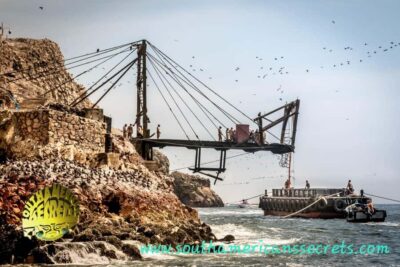
Ballestas & Huacachina Day Trip w/ Nazca Lines Flight
Read our review →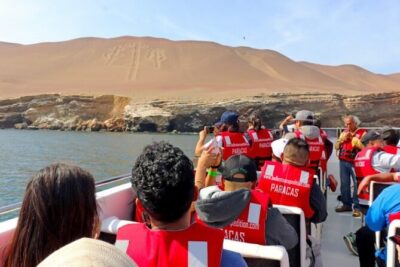
Paracas & Huacachina- Day to Islas Ballestas & Sandboard
Read our review →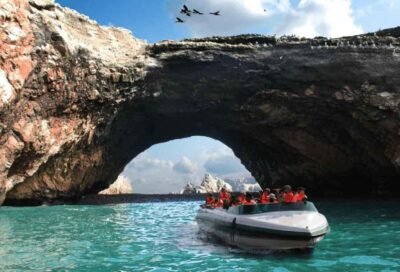
Ballestas Islands and Huacachina Sunset Day Trip
Read our review →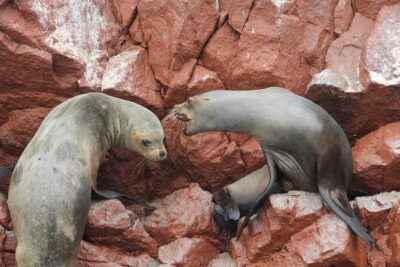
2-Hour Tour to the Ballestas Islands from Puerto San Martín
Read our review →Browse the lists this tour appears in