
Reviewed · NAZCA LINES FLIGHTS
Nazca: Overflight of the Nazca Lines
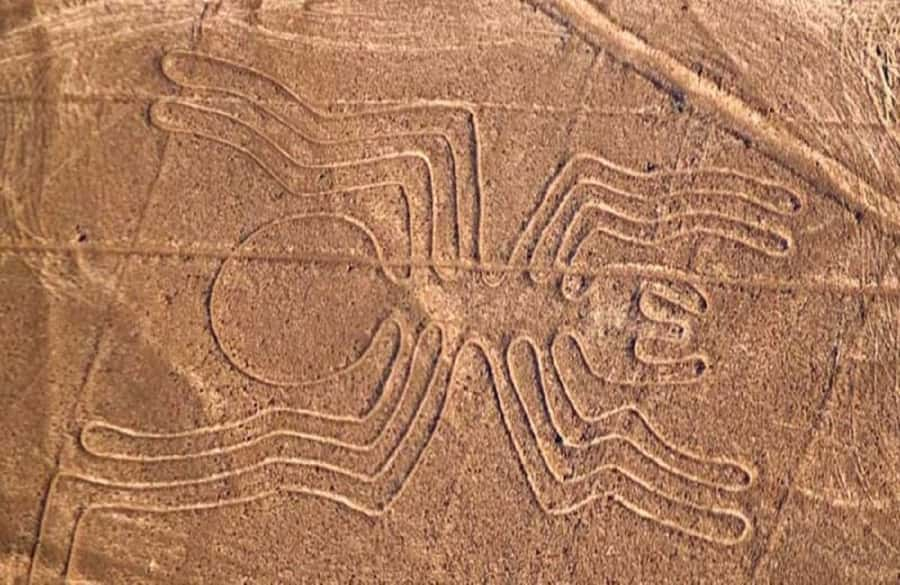
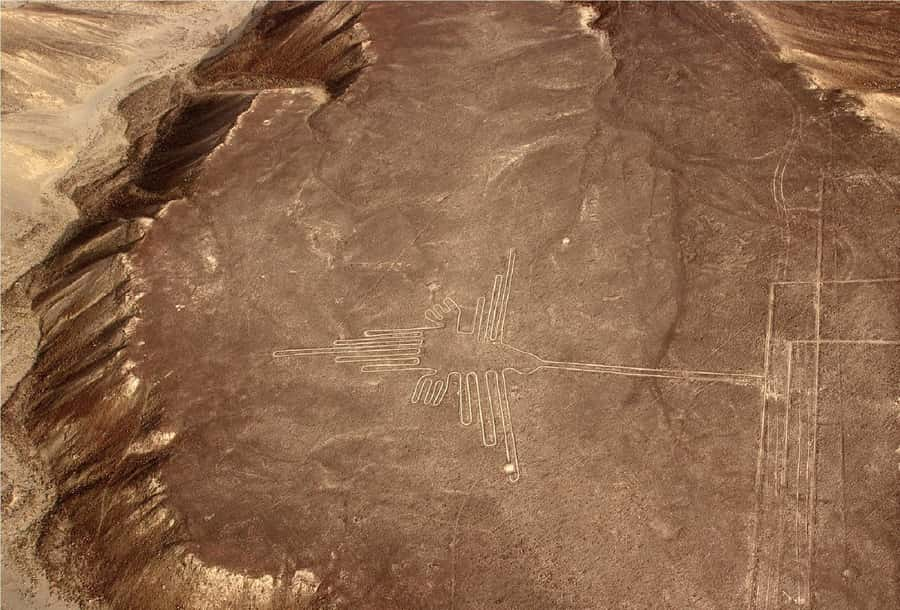
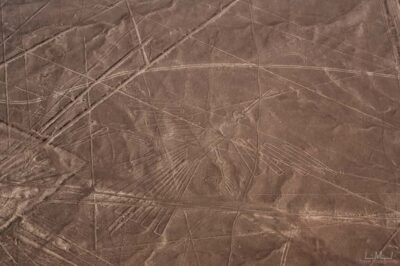
The Nazca Lines make sense only from above. On the desert floor, they can look like faint scratches. From a small aircraft, the whale, monkey, hummingbird, spider, and condor take shape across the bare plain. This is a short flight, but it gives you a rare view of one of Peru’s most puzzling archaeological sites.
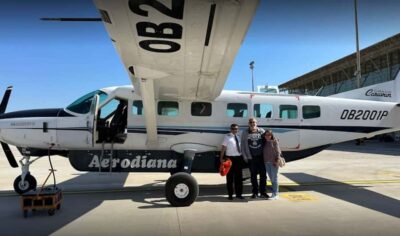
I like the small six-passenger aircraft, since every passenger gets a window and a clear view. I also like the useful extras: a documentary before the flight, a map of the lines, and a flight certificate afterward. The main drawback is motion sickness. The plane banks repeatedly so both sides can see the figures, and one passenger needed a sickness remedy during the final minutes.
Key things to know before you fly
- The 35-minute route covers 13 famous figures, including the astronaut, monkey, condor, spider, hummingbird, tree, hand, and albatross.
- The one-hour option adds the Palpa plains, with 21 figures in total, but at least four passengers must be ready to fly.
- The aircraft carries six passengers and two pilots, giving each person a panoramic view.
- Allow about 40 to 45 minutes before boarding for the airport procedure and safety briefing.
- The advertised price is $129 per person, but the airport tax of about $25 is paid separately in cash.
- Flights run from 9:00 a.m. to 4:00 p.m., with timing affected by weather and order of arrival.
Why the Nazca Lines are worth seeing from the air
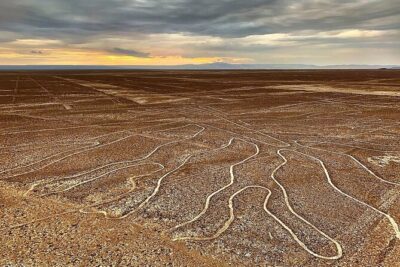
The Nazca Lines are enormous drawings made by removing the dark surface stones to reveal lighter ground beneath. The dry Ica desert has helped preserve them for centuries. Their scale is the trick: from ground level, you cannot easily understand what you are looking at.
The Nazca culture developed between the first and seventh centuries AD. Its people were skilled in colored pottery, textiles, metalwork, and farming. They also built aqueducts that brought water to fields in a very dry region. Their ceremonial center at Cahuachi lies in the Nazca River valley.
The first written reference to the lines dates to 1547, but Peruvian archaeologist Toribio Mejía Xesspe identified them in 1927. German archaeologist Maria Reiche began studying and protecting them in 1946, and her work helped bring international attention to the site.
You will hear several theories during the visit. Maria Reiche believed the lines formed a vast solar and lunar calendar. Other ideas connect them with ceremonies, water, gods, or even visitors from another world. No single answer has been proven. That uncertainty is part of the appeal, but a good guide should separate established facts from imaginative guesses.
The Nazca Lines are recognized as a UNESCO World Heritage Site. The flight gives you the best available sense of their design, even though you will only have a short time to look.
More Nazca Lines Flights in Nazca
- From Nazca: 35-Minute Flight Over Nazca Lines
★ 4.6 · 583 reviews - Fly Over the Nazca Lines with the Experts
★ 4.5 · 48 reviews - From Nazca: Flight in a light aircraft over the Nazca Lines
★ 4.4 · 12 reviews
From central Nazca to Maria Reiche Aerodrome
Your day begins with pickup from a hotel in central Nazca or from the bus station. The shared ride to the aerodrome takes about 12 minutes, followed by a return transfer of roughly 10 minutes after the flight.
This arrangement works well if Nazca is a stop between Lima and another destination. You do not need to arrange a separate taxi to the airport if you are staying in the center. If your hotel is outside central Nazca, the included transfer does not apply, so confirm the extra transport before booking.
At the aerodrome, expect a wait of about 40 to 45 minutes for registration, checks, the documentary, and the safety briefing. The flight times are not fully fixed in advance. Operations run between 9:00 a.m. and 4:00 p.m., but weather and arrival order affect the schedule.
That means you should avoid booking a bus connection immediately after the flight. The actual overflight may last 35 minutes, yet the airport procedure and possible waiting time make the full outing longer. If you have an important departure from Nazca, leave a generous buffer.
The six-passenger plane and what the flight feels like
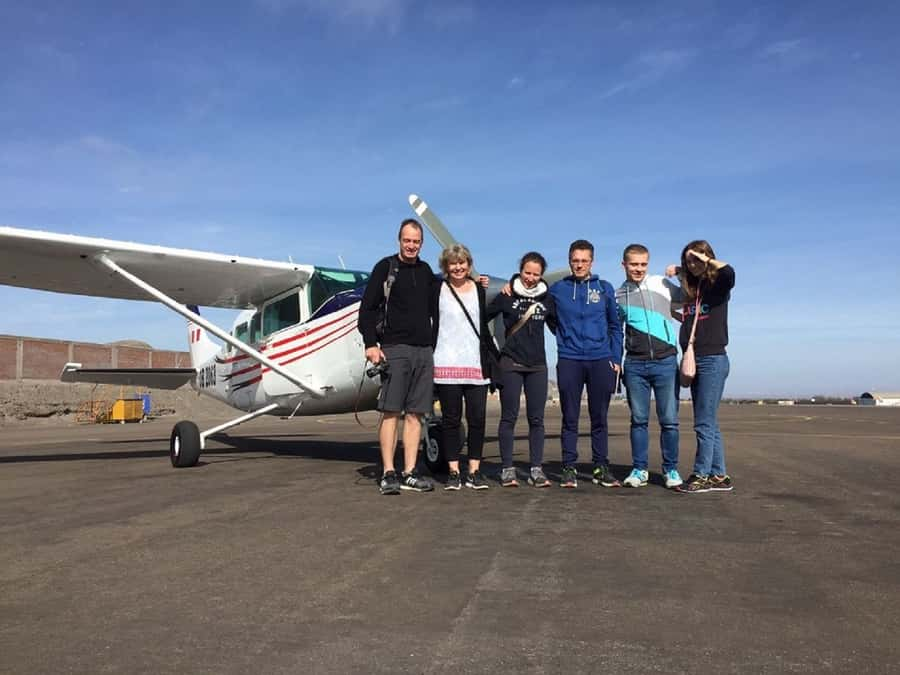
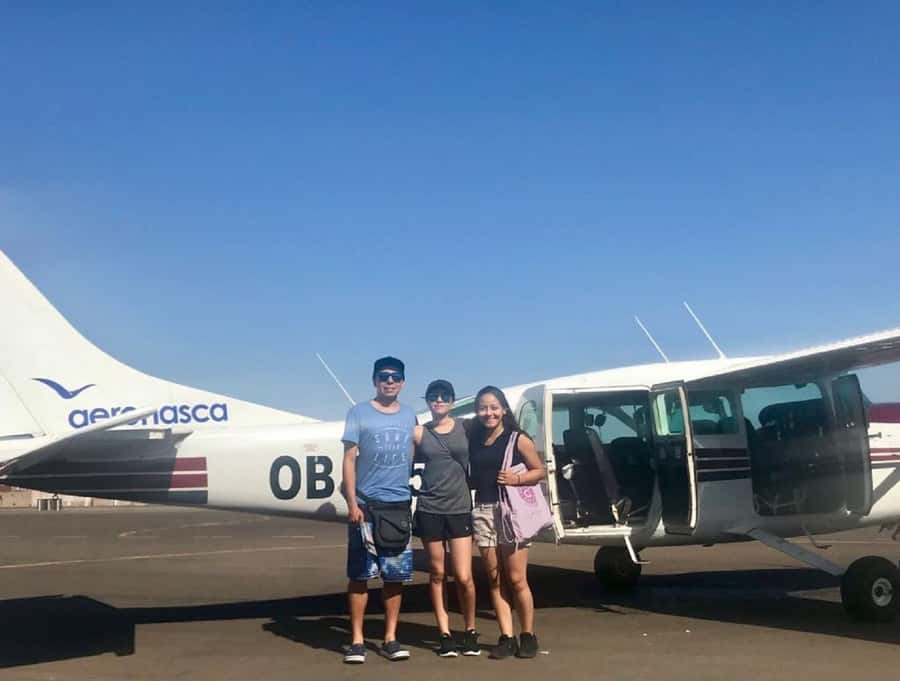
The aircraft has eight seats: two pilots and six passengers. The small cabin is useful here because the lines are scattered across a broad area, and the aircraft must turn to give both sides a view.
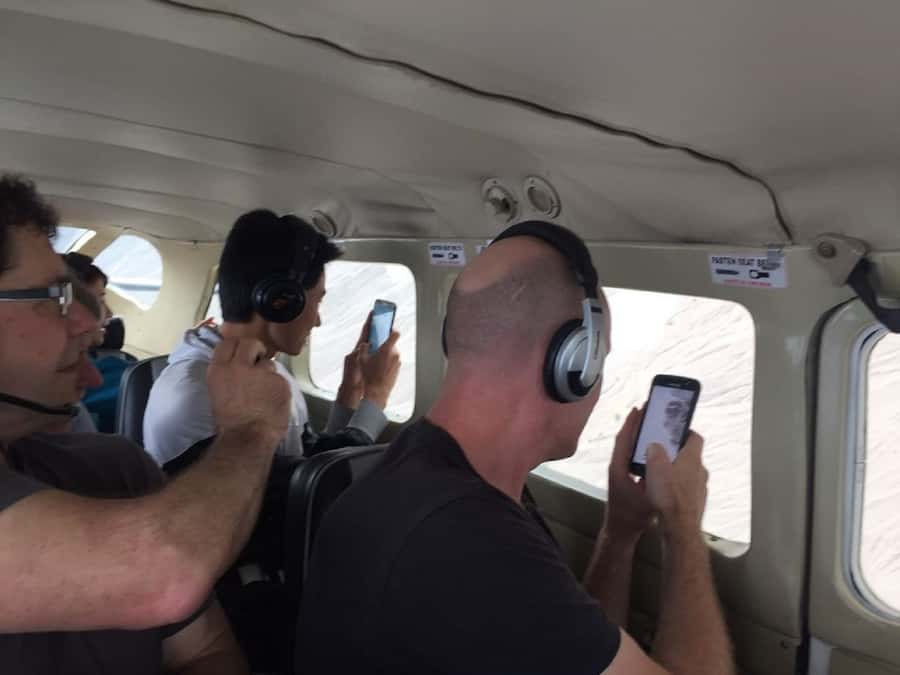
You should expect frequent banking and turning. This helps you find each drawing, but it can also make the ride uncomfortable. One passenger who normally does not get motion sickness became ill after taking photos and concentrating on the figures. I would bring motion sickness medicine if you are at all prone to nausea.
A camera or phone is useful, but do not spend the whole flight looking through a screen. The figures can appear quickly, and glare through the window may make photography difficult. Listen for the guide’s directions, look for the shape first, then take a picture if you have time.
The experience is not a quiet scenic flight. You are there to spot specific geoglyphs while the plane banks over them. That makes the viewing exciting, but also a little rushed. The guide provides assistance in English or Spanish, and the small group helps keep the explanations focused.
The 35-minute flight: 13 major geoglyphs
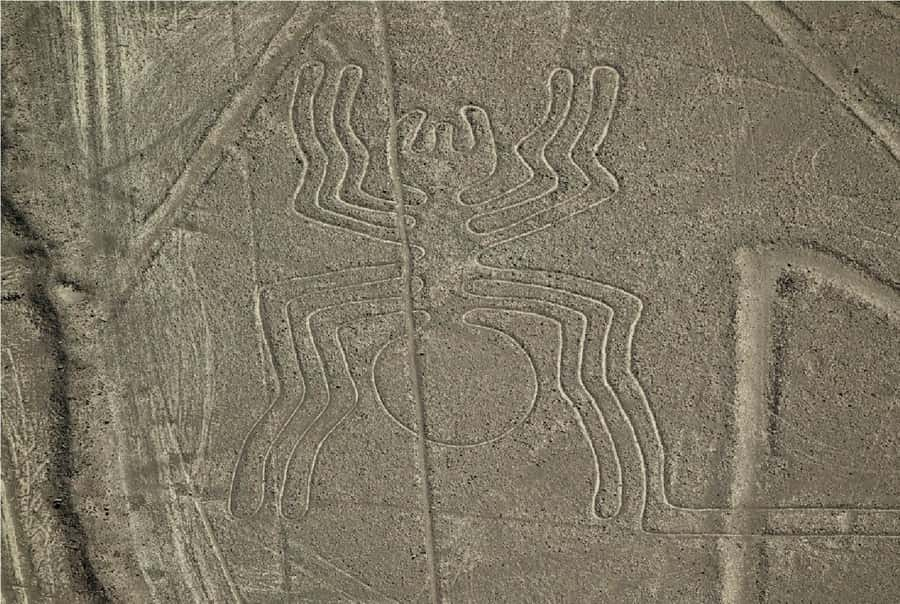
The shorter flight is the standard choice and requires at least two people when it begins after 1:00 p.m. It covers 13 major figures over the Nazca plains.
The exact order can vary, but the route includes:
- The whale
- The trapezoids
- The dog
- The astronaut
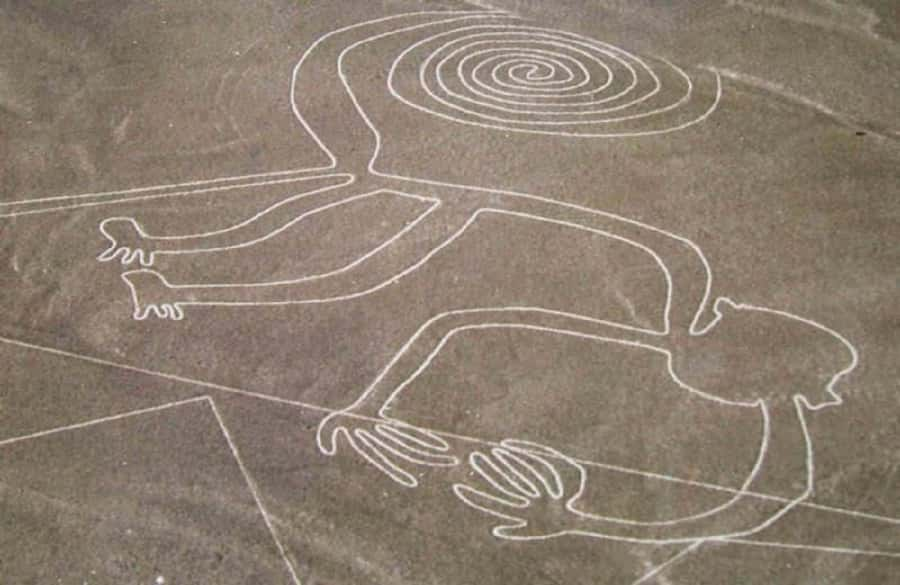
- The monkey
- The condor
- The compass
- The spider
- The hummingbird
- The parrot
- The tree
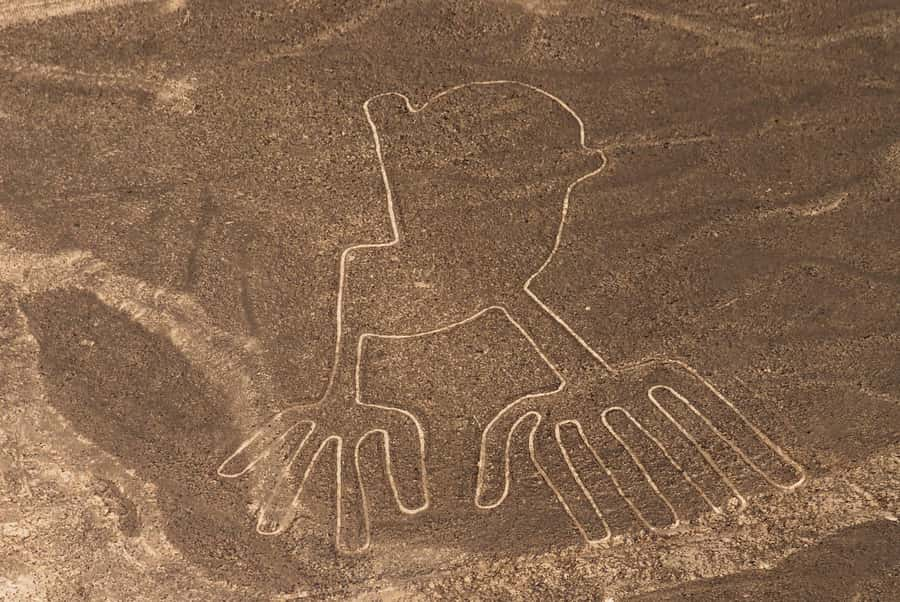
- The hand
- The albatross
Some forms are easier to recognize than others. The monkey and hummingbird are often satisfying because their outlines are distinctive. The astronaut is especially curious, with a human-like shape on a slope. The trapezoids are less like animals and more like giant geometric corridors stretching across the ground.
Do not expect every figure to look perfectly clear on your first glance. Sun angle, dust, shadows, and the aircraft’s turning angle all matter. The guide points out the shape, but you still need to train your eyes to follow the lines.
The 35-minute flight is enough if your main goal is to see the best-known figures without spending extra time in the air. It is also the sensible option if you are short on time or concerned about motion sickness.
Same base, a completely different kind of day:
- From Nazca: Cahuachi Pyramids Tour and Textile Workshop
★ 4.8 · 21 reviews - From Nazca: Chauchilla Cemetery Tour and Artisans Workshop
★ 4.9 · 20 reviews - From Lima: Full day flight over in the Nazca Lines
★ 3.7 · 11 reviews - Nazca: Maria Reiche Museum and Nazca Lines Viewpoint Tour
★ 4.5 · 6 reviews
The one-hour flight over Nazca and Palpa
The longer flight requires at least four passengers. It begins with the same 13 Nazca figures, then continues toward the Palpa plains for additional designs. You will see 21 figures in total.
The extra geoglyphs include the heron, crane, pelican, seagull, parrot, snail, llamas, iguana, lizard, snakes, and several birds. The Palpa area gives the longer option a different feel, since you are not simply repeating the first section. You get a wider look at the dry plains and more examples of the ancient drawing tradition.
The one-hour flight offers better value if you are especially interested in archaeology or want more time in the air. It is not automatically the best choice for everyone. A longer flight means more banking, more concentration, and more chance of feeling sick. You also need enough people to form the group, so the departure may be less predictable.
I would choose the one-hour route if the schedule is flexible and the additional figures matter to you. Choose 35 minutes if you mainly want the famous monkey, hummingbird, spider, condor, and astronaut.
What is included, and what costs extra
The $129 price covers the shared transfers from central Nazca, the overflight, the documentary, assistance in English or Spanish, a map of the lines, and a flight certificate.
The most important extra cost is the airport tax, about S/. 77, or approximately $25 per person. You pay it in cash before boarding. Bring soles or dollars, and do not assume the advertised tour price includes all airport charges.
There are also weight-related surcharges. Anyone over 209 pounds, or 95 kilograms, pays 50 percent more. Anyone over 253 pounds, or 115 kilograms, needs to pay for an additional seat. Give your weight when booking so the operator can plan the seating and tell you the correct price.
For the money, I see this as a reasonable special-occasion activity rather than a cheap sightseeing stop. You are paying for a brief flight in a small aircraft, not a full-day tour. The value comes from seeing something that cannot be understood properly from the ground, plus the convenience of transport and airport assistance.
Practical tips for a smoother overflight
Wear sunscreen and bring a hat for time at the aerodrome. The Nazca desert is dry and exposed, and you may spend time waiting before boarding.
Carry your passport. It is required for the flight process. Bring cash for the airport tax and any weight-related charge.
Keep your schedule open after pickup. Flights are affected by weather, and service is handled in order of arrival. After booking, the operator contacts you with the flight schedule, but the actual timing may still shift.
The best departure time is not guaranteed to be the best viewing time. Sun and weather conditions change, and the operation sets the schedule based on flying conditions. Your priority should be a safe flight and a clear enough view, not a particular hour.
Wear comfortable clothing and keep loose items secure. The information provided does not specify baggage rules, so ask the operator if you plan to bring anything larger than a small personal item.
Most important, prepare for motion. Take any usual motion sickness medicine before departure, according to its instructions. Try to look outside rather than down at your phone, and save photography for moments when the aircraft is steady.
Who will enjoy this experience most
This flight is a good match for you if you are passing through Nazca, have a strong interest in ancient cultures, or want to see the geoglyphs in the only practical way that reveals their full scale.
It also suits independent visitors who do not want a large tour group. The plane holds only six passengers, and transfers from the central bus station or central hotels keep the plan simple.
You may want to reconsider the flight if you are very sensitive to motion, dislike uncertain departure times, or need to connect to a bus on a tight schedule. The aircraft turns often, and the airport process takes longer than the flight itself.
Language is another small consideration. Assistance is offered in English and Spanish. One French-speaking passenger would have preferred a French guide, so you should not book this expecting French commentary. If you do not speak English or Spanish, read about the figures beforehand. Knowing the shapes makes them easier to find from the air.
Should you book the Nazca Lines overflight?
I would book it if seeing the Nazca Lines is a priority. The 35-minute flight gives you the essential figures, while the one-hour option adds Palpa and nine more designs when enough people are available.
Choose the shorter route for a focused first look, especially if your schedule is tight or you worry about motion sickness. Choose the longer flight if you have time, want the broader archaeological picture, and can accept the extra cost and physical demands.
Before confirming, budget for the $25 airport tax, bring your passport and cash, and leave plenty of time before your next bus. With those details handled, the flight offers a memorable view of one of Peru’s most unusual archaeological sites, even if the mystery behind the lines remains unsolved.
FAQ
How long does the Nazca Lines flight take?
The shorter overflight lasts about 35 minutes. The longer option lasts about one hour and includes additional figures over the Palpa plains.
How many people are required for each flight?
The 35-minute flight requires at least two people when it starts after 1:00 p.m. The 60-minute flight requires a minimum of four people.
How many passengers fit in the aircraft?
The aircraft has eight seats in total: two for pilots and six for passengers.
Is the airport tax included in the tour price?
No. The airport tax is about S/. 77, or approximately $25 per person, and must be paid in cash before boarding.
What identification should I bring?
Bring your passport for the flight procedure at the aerodrome.
Are transfers included?
Round-trip shared transfers are included from the bus station and hotels in central Nazca. Transfers from hotels outside central Nazca are not included.
Just added around Nazca
- Nazca : Mirador of Nazca Lines★ 4.9 · 5 reviews
- Nazca: Chauchilla Cemetery Archaeological Tour★ 5.0 · 3 reviews
- Nazca: Light aircraft flight over the Nazca Lines★ 3.7 · 4 reviews
- Nazca: Maria Reiche Museum and Nazca Lines Viewpoint Tour★ 4.5 · 6 reviews
- Nasca: Ocongalla Aqueduct Sandboarding in the Usaka desert★ 4.4 · 4 reviews
- From Nazca: Small plane flight over the Nazca Lines★ 4.8 · 6 reviews
- From Nazca: Cahuachi Pyramids Private Tour★ 4.3 · 3 reviews
- From Nazca: Flight in a light aircraft over the Nazca Lines★ 4.4 · 12 reviews
Nazca Lines Flights, compared.
Ballestas & Huacachina Day Trip w/ Nazca Lines Flight
Read our review →
Private Tour to the Astonished Nazca Lines and Huacachina Oasis
Read our review →
Nazca Lines & Ballestas Islands Private Tour Bus&Flight from Lima
Read our review →
The Nazca Lines & Huacachina Oasis from Lima – Private Trip
Read our review →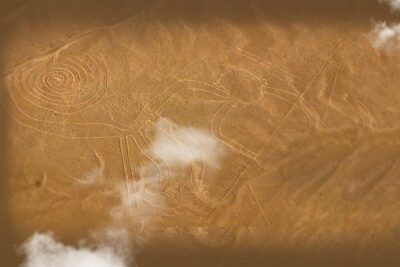
Nazca Lines and Dune Buggy (Huacachina) from Ica
Read our review →Browse the lists this tour appears in