
Reviewed · LIMA TOURS
Lima: Villa El Salvador Shanty Town Tour
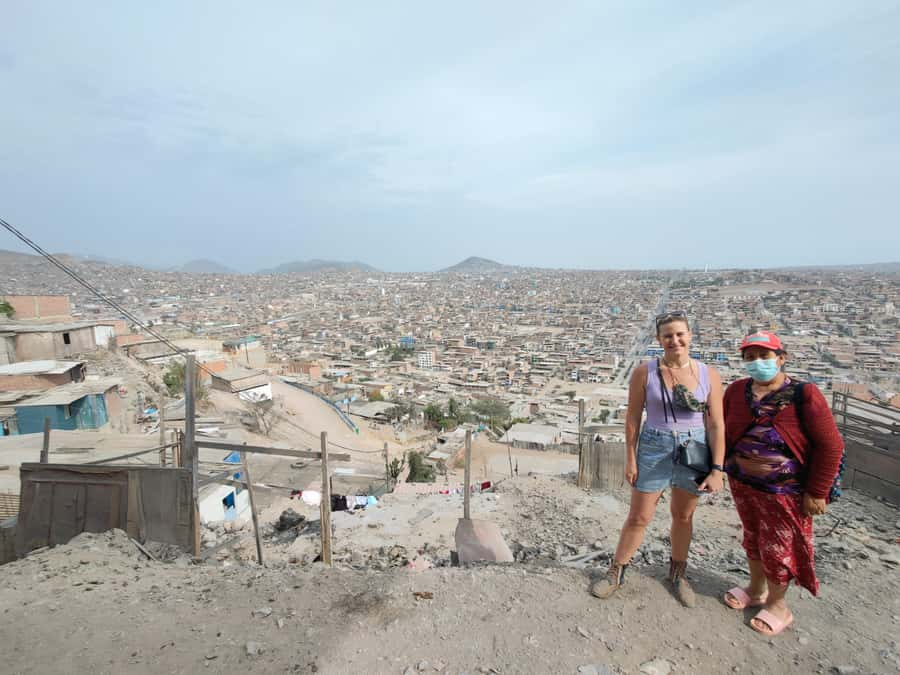
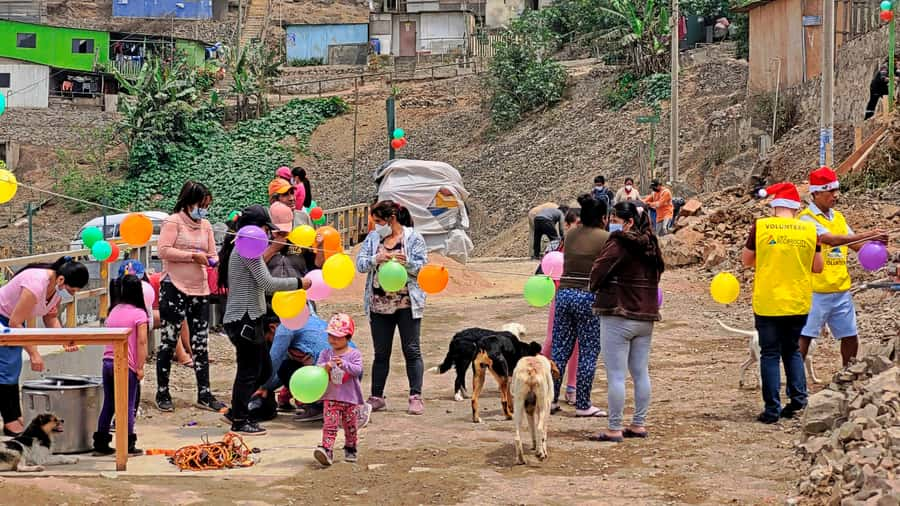
Villa El Salvador tells a side of Lima that most city tours skip. Founded in 1971 by families who arrived without water, drainage, or electricity, this hillside settlement grew through planning, local effort, and years of hard work. The visit takes you into the community rather than leaving you with a view from the highway. A local leader walks with you, explaining how the district developed, how its community system works, and what daily life looks like today.
I like two things here. First, the tour gives you real contact with residents through home visits, a market, and a community kitchen. Second, the yellow stairways and high viewpoints turn the walk into a lesson in how people created access and services on difficult ground. The main consideration is simple: this is a walking tour on steep stairs, and the focus on poverty and modest homes will not suit everyone.
Key points to know before booking
- Villa El Salvador grew from a 1971 settlement into a planned district of Lima.
- Residents are part of the visit, with home visits, local conversations, and a community kitchen.
- The yellow stairs lead to wide views over Lima, the Lurin Valley, and the Pacific Ocean.
- A kindergarten visit is available Monday through Friday, while weekend visits include children playing in the streets.
- The group is limited to eight people, which helps keep the walking tour personal.
- The $61 price includes hotel transport, a guide, tolls, and parking, but not food or drinks.
Why Villa El Salvador is worth seeing
Lima is often presented through its colonial center, Pacific beaches, museums, and restaurant scene. Those are worthwhile, but they leave out the city’s huge story of migration and self-built neighborhoods. Villa El Salvador helps fill that gap.
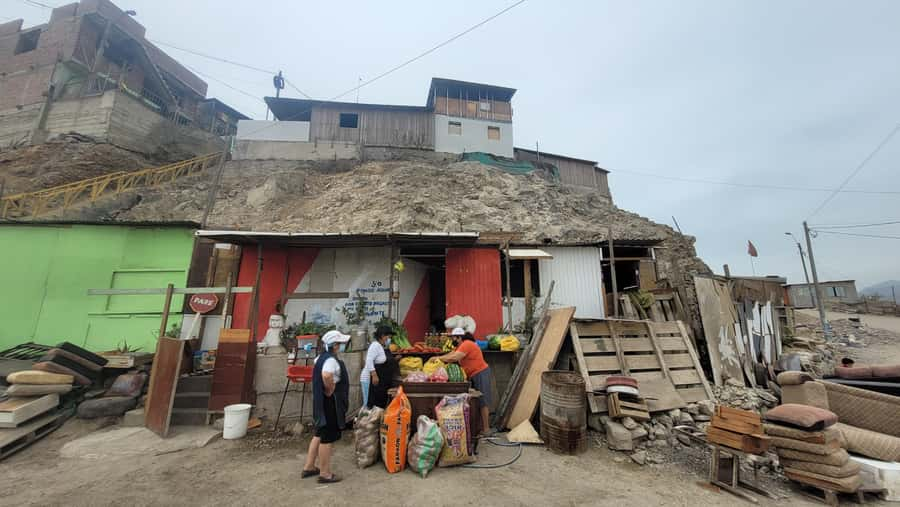
The district began in 1971, when families settled on land without basic services. There was no ready-made network of water, drainage, or electricity waiting for them. Over time, an urban planning system helped the community develop. The result is not a museum exhibit or a staged cultural village. It is a living district where people work, study, shop, worship, and raise families.
Your guide explains this story during the walk, including the community’s organization, politics, and religion. That context matters. Without it, you might see only unfinished walls, steep roads, and crowded homes. With it, you can better understand the planning and cooperation that helped Villa El Salvador become an established district of Lima.
The same broader pattern shaped other parts of the capital, including San Juan de Lurigancho and Villa Maria del Triunfo. This tour uses Villa El Salvador as a close-up example of how Lima expanded and how residents overcame a lack of basic services.
A few more Lima days worth weighing up
- Lima: Ultimate Peruvian Food Tour
★ 4.9 · 700 reviews - Lima’s Vibrant Heritage: Exploring the City’s Landmarks Half-day
★ 4.5 · 581 reviews - Private transfers from Lima Airport or to Lima Airport
★ 4.0 · 359 reviews
The 45-minute ride south from Lima
Pickup is available from centrally located hotels in Miraflores, San Isidro, and Barranco. The ride to Villa El Salvador takes about 40 to 45 minutes, depending on traffic and the exact pickup point. The tour then returns you to one of those same districts.
That transfer is useful because Villa El Salvador is about 16 miles south of central Lima. You do not need to work out a complicated local transport route or arrange a taxi for the visit. Tolls and parking are included, and the van carries no more than eight participants.
The small group size is a real advantage here. You can hear the guide more easily during the walk, ask questions about the district, and avoid turning the visit into a large procession through a residential area. It also gives the guide more room to adjust the pace, within reason.
The full activity lasts 210 minutes. About 45 minutes is spent traveling each way, leaving roughly 70 minutes for the guided visit itself. That makes this a focused introduction, not an all-day exploration of southern Lima. You see several important parts of the community, but you will not cover every neighborhood or public project.
Walking into the community with a local guide
Once you arrive, the walking portion begins in Villa El Salvador. A professional guide leads the route and explains the area as you move through it. The guide service is available in English or Spanish.
The quality of this part depends heavily on the individual guide. Maverick and Leonardo are specifically named as guides who explain how and why the community was built, including who settled it and how it developed. Nataly is also singled out for her warm, effective guiding. Names and assignments can change, but they give you a useful sense of the human side of the tour.
Expect the conversation to cover recent Peruvian history, local politics, religion, and the way residents organized their settlement. This is more useful than a list of dates. The guide helps connect the physical surroundings to the choices made by families and community leaders.
You also have a chance to speak with residents. That is one of the tour’s strongest features. The visit is not limited to looking at homes from a van window. You may enter local houses, meet neighbors, and see traditional homes from close range. The exact conversations will vary, so it is best to approach them with respect and curiosity rather than expecting a scripted performance.
The yellow stairs and wide Lima views
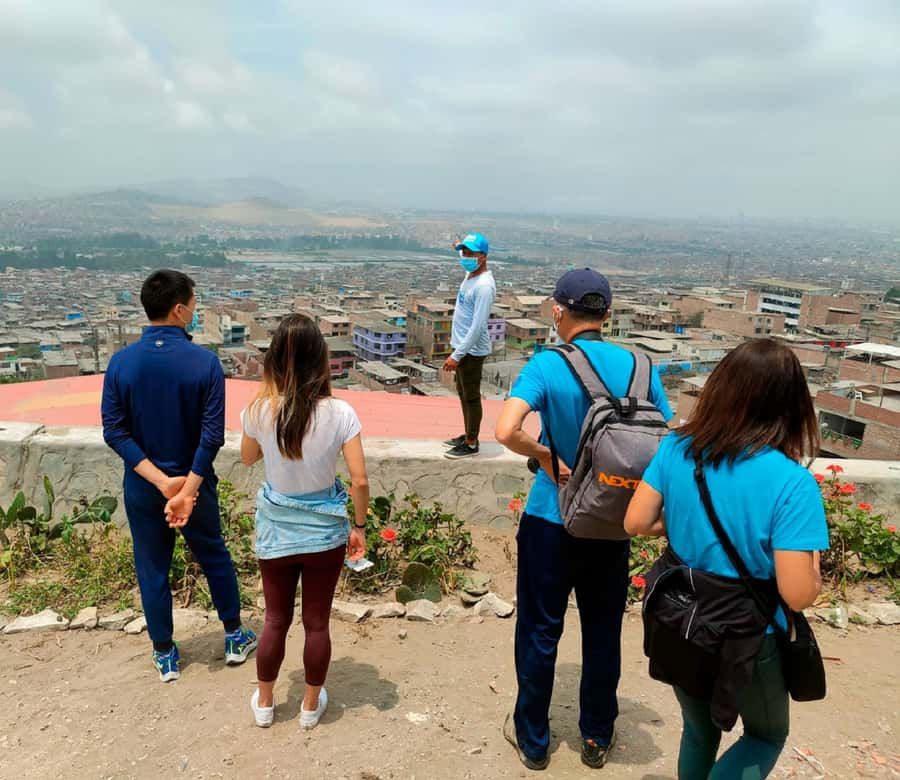
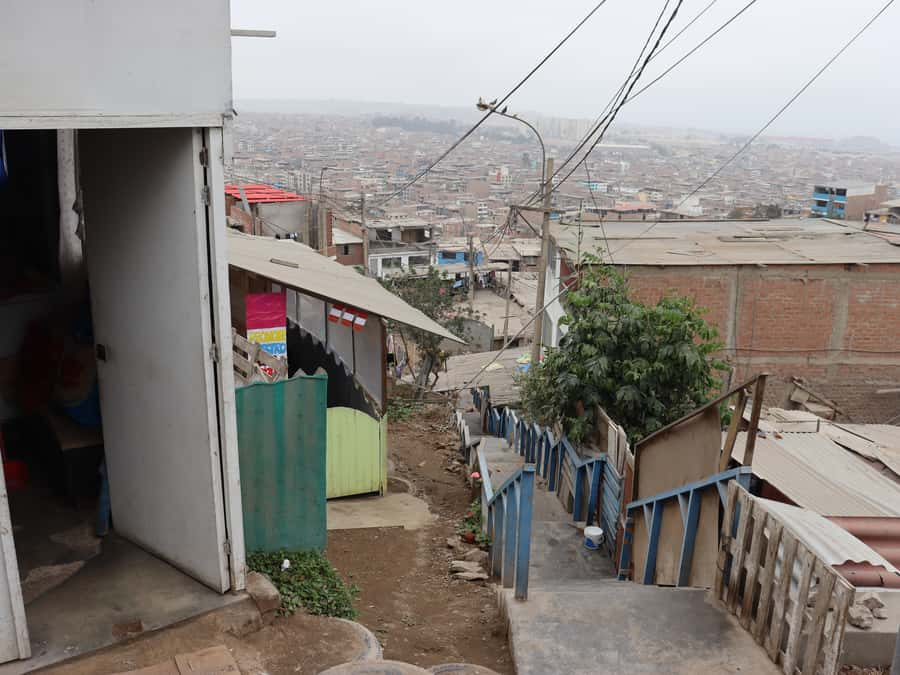
A highlight of the walking route is the set of yellow stairs. These stairs form part of an urban project intended to improve access to homes on the hillside. They are practical infrastructure first, but they also make a memorable route for visitors.
As you climb and descend, you get a clearer sense of the physical challenge faced by residents. A home may be close in a straight line, yet difficult to reach without proper steps. The stair project shows how a relatively basic improvement can change daily movement, safety, and access.
The higher points provide panoramic views toward Lima, the Lurin Valley, and the Pacific Ocean. Bring a phone or camera if you want pictures, but do not let the photo stop replace the explanation. The view makes more sense when you understand how the settlement grew below you.
You need to be comfortable climbing and descending stairs. The activity is suitable for all ages according to the tour information, but it is not suitable for wheelchair users. Anyone with limited mobility should consider the steps carefully before paying.
Same base, a completely different kind of day:
- Lima: The Charm of Barranco & Pre Inca Pyramid in Miraflores
★ 4.9 · 322 reviews - Lima: Pachacamac Ruins & Barranco Half-Day Guided Tour
★ 4.6 · 296 reviews - Pre Inca Temple of Pachacamac Half-Day Tour from Lima
★ 4.5 · 283 reviews - Lima: Magic Water Circuit Light Show Tour with Pickup
★ 4.9 · 251 reviews
Homes, neighbors, and the human side of the visit
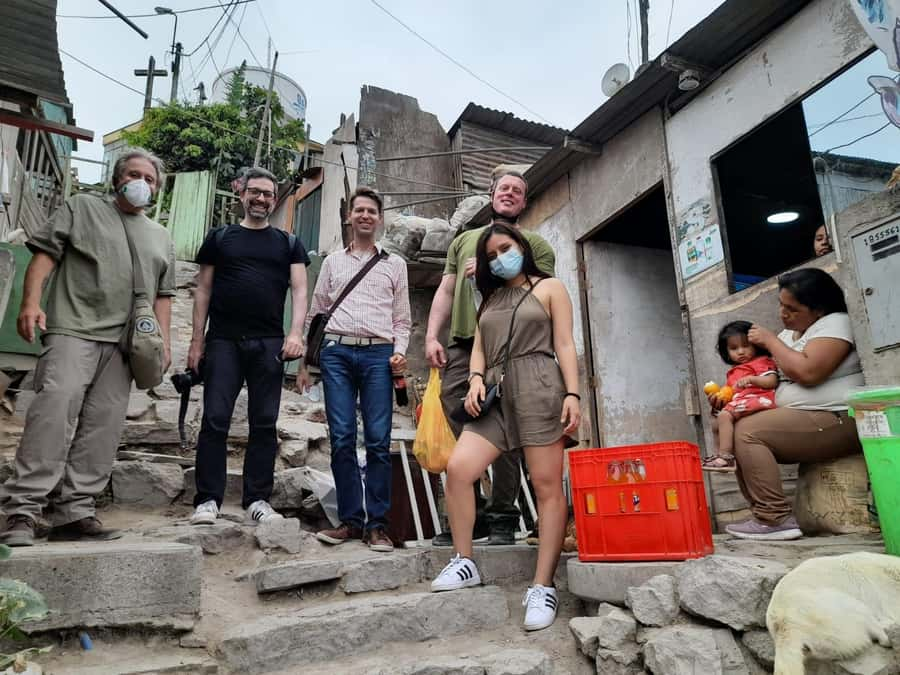
The home visits are what set this tour apart from a standard neighborhood history walk. You are given time to meet residents and speak with people who live in the community. That can make the district feel less like a topic and more like a place inhabited by families with ordinary routines.
The experience requires good manners. Ask before taking photographs, especially inside homes and around children. The tour information allows photographs with residents, but permission should remain clear and comfortable for everyone involved. A friendly attitude matters more here than taking a perfect picture.
The visit can feel personal because the group is small. With up to eight people, you are less likely to crowd a doorway or overwhelm a conversation. Still, this is a community visit, not a theatrical show. Listen more than you speak, follow the guide’s lead, and avoid treating modest living conditions as scenery.
This part also explains why the experience may feel different from a conventional sightseeing stop. You are not just hearing how residents overcame obstacles. You have a chance to speak with some of the people who live there. That interaction adds value, but it also means the tone depends on the residents and the guide on the day you visit.
The market and community kitchen
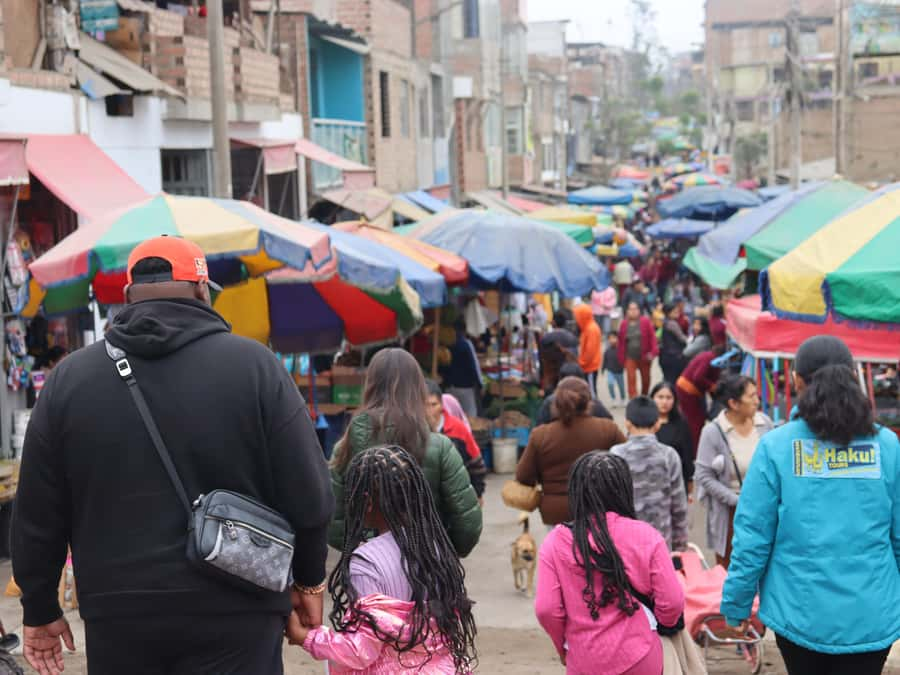
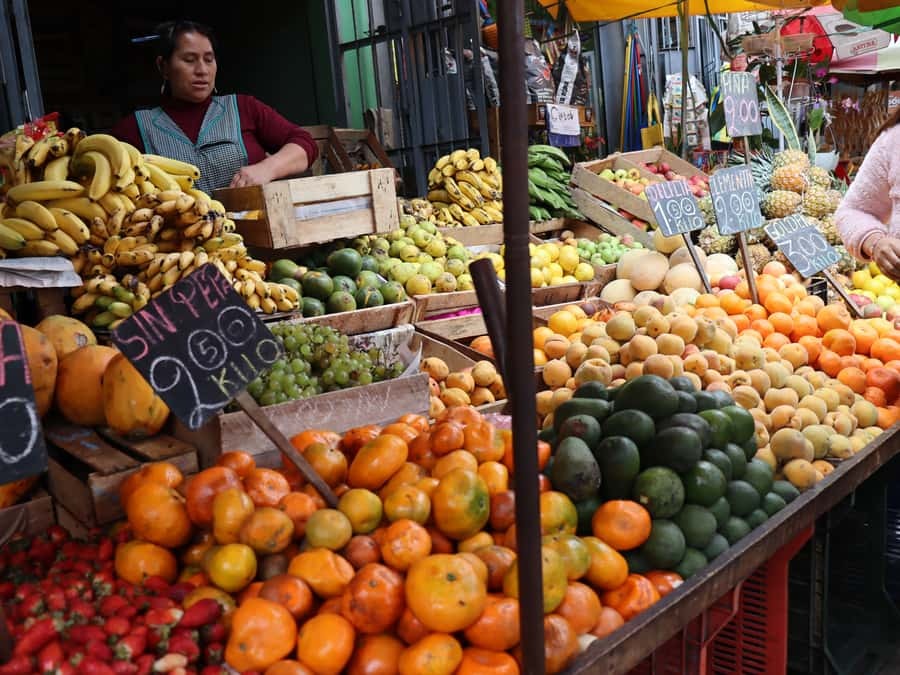
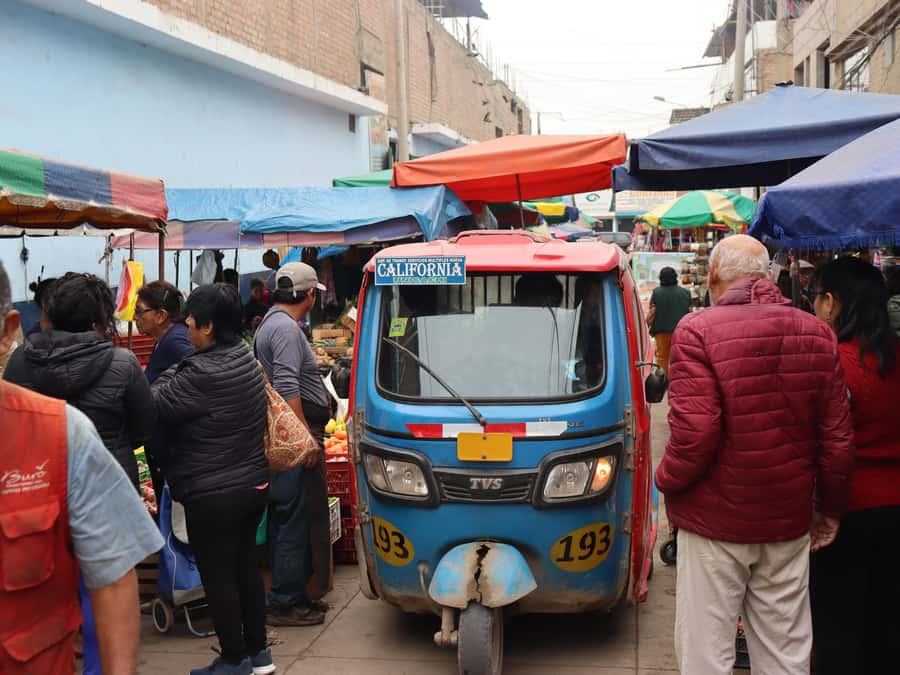
The local market offers a straightforward look at daily needs. You will see basic products rather than a market designed for sightseeing or souvenir shopping. It is a short but useful stop because it places the community’s history in an everyday setting.
A community kitchen is another important part of the route. The kitchen feeds people without enough resources, giving you a direct example of local support systems. This stop helps explain that community development is not only about roads, stairs, and electricity. It also includes ways for residents to help one another when household resources are limited.
Do not expect food to be included in the tour. Food and drinks are not part of the price, and no meal is promised at the community kitchen. Bring water, especially in warm weather, and carry any snack you may need before or after the walk.
Kindergarten visit on weekdays, street play on weekends
From Monday through Friday, the tour can include a kindergarten visit. This gives you a look at an important part of neighborhood life and shows how families use local services close to home.
On weekends, the kindergarten is not part of the route. Instead, you may meet children while they play in the streets. The schedule difference is worth noting when you choose your date. If seeing the kindergarten matters to you, plan for a weekday.
Because children may be present, be careful with photography and follow the guide’s instructions. The tour includes contact with the local community, but it is not a license to photograph people freely. A respectful approach keeps the visit more comfortable for residents and more meaningful for you.
What the $61 price really covers
At $61 per person, this is not the cheapest way to spend half a day in Lima. The price makes more sense when you count the included transport from and back to your hotel, the English or Spanish-speaking guide, tolls, parking, and the small group of no more than eight people.
A self-guided visit might cost less, but it would not provide the same explanation of Villa El Salvador’s settlement, community system, politics, and religion. You would also need to arrange transport from Miraflores, San Isidro, or Barranco and find your way around once you arrive.
The tour is good value if your main goal is understanding how Lima grew and meeting people connected to the district. It is less useful if you want shopping, a long meal, or a broad tour of southern Lima. The walking section lasts about 70 minutes, so the fee is partly paying for local access and interpretation rather than hours of sightseeing.
The tour requires at least two participants to operate. It offers free cancellation up to 24 hours before the start and allows you to reserve now and pay later. Those policies add flexibility, but the most important booking decision is still physical comfort and interest in the subject.
What to bring and how to prepare
Wear comfortable clothes and shoes that are suitable for stairs. Bring water, sunscreen, sunglasses, and a hat. Lima can be bright even when the sky looks gray, so sun protection is sensible during the outdoor walking section.
You should carry your passport, or a copy of it. Keep it secure during the transfer and walk. A small bag is easier than bulky luggage, especially on stairs and during home visits.
Give yourself extra time around pickup. The listed driving segments are about 45 minutes, and Lima traffic can affect the schedule. Pickup is limited to centrally located hotels in Miraflores, San Isidro, and Barranco, so confirm that your hotel falls within one of those areas.
The route includes climbing and descending stairs. If you have knee, balance, or mobility concerns, consider the yellow stairs and hillside walking before booking. Wheelchair users cannot take part.
Who will enjoy this tour most
I would choose this tour if you want to understand modern Lima beyond the historic center and tourist districts. It suits you if local history, urban growth, community organization, and direct conversation interest you more than polished attractions.
It is also a good fit if you prefer a small group. Eight people is enough for conversation but small enough to keep the visit manageable. English and Spanish guiding make it accessible to a broad range of visitors.
Families may appreciate the community and school elements, provided everyone can manage the stairs and understands the need for respectful behavior around residents and children. The activity is listed as suitable for all ages, but young children still need to be comfortable with walking and a fairly focused history discussion.
I would skip it if you want a relaxed sightseeing morning with little walking. I would also think twice if you feel uncomfortable visiting a low-income community or if your main interest is architecture, food, or shopping. This tour asks you to look closely at inequality and local effort, not just take attractive city photographs.
Should you book the Villa El Salvador tour?
Book it if you want a direct, human look at how Lima expanded and how residents built services in a place that began without basic infrastructure. The strongest parts are the local guide, conversations with residents, yellow stairs, city views, market, and community kitchen.
The experience is short, with much of the 210 minutes spent in the van. That is the tradeoff. You get a structured introduction rather than a long day in the district, and the $61 price is reasonable when hotel transport and a small group are important to you.
Choose a weekday if the kindergarten visit interests you. Bring water, protect yourself from the sun, and be ready for stairs. If you approach the homes, school, and residents with respect, this can be one of Lima’s more thought-provoking outings.
FAQ
Where does pickup take place?
Pickup is included from centrally located hotels in Miraflores, San Isidro, and Barranco.
How long does the tour last?
The activity lasts 210 minutes, or about three and a half hours. The van rides take about 45 minutes each way, with roughly 70 minutes for the guided visit.
What languages are available?
The live guide is available in English and Spanish.
How large is the group?
The tour is limited to eight participants.
What can I see in Villa El Salvador?
The visit includes a guided community walk, yellow stairs, panoramic views toward Lima, the Lurin Valley, and the Pacific Ocean, local homes, a market, and a community kitchen.
Is the kindergarten open on every tour?
The kindergarten visit is available Monday through Friday only. On weekends, you may meet children while they play in the streets instead.
Is the tour suitable for wheelchair users?
No. You must be able to climb and descend stairs, and the activity is not suitable for wheelchair users.
Just added around Lima
- Full Day Pilgrims★ 5.0 · 28 reviews
- Guided Tours in Colonial and Modern Lima★ 5.0 · 54 reviews
- Sandboarding and Off Road in Lima (National Park Lomas de Ancón)★ 5.0 · 54 reviews
- Tour Miraflores + Fotografía Profesional★ 5.0 · 47 reviews
- Lima Airport Transfers by SUV/Van★ 5.0 · 34 reviews
- Lima City tour and Catacombs Museum (04 hours) Private Tour with guide in Lima★ 5.0 · 32 reviews
- In Lima: Sandboarding Off Road Half Day!!★ 5.0 · 36 reviews
- Peruvian Experience: Interactive, Cultural & Gastronomic Guided Tour★ 5.0 · 42 reviews
Lima Tours, compared.

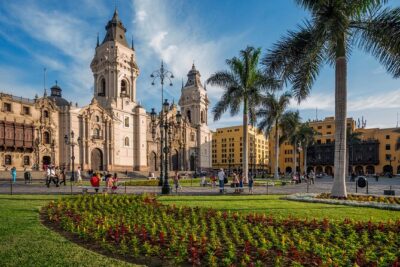
Lima’s Vibrant Heritage: Exploring the City’s Landmarks Half-day
Read our review →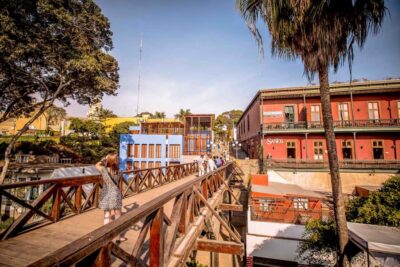
Pachacamac Ruins & Barranco Half-Day Guided Tour
Read our review →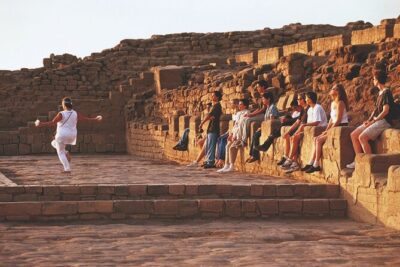
Pre Inca Temple of Pachacamac Half-Day Tour from Lima
Read our review →
Magic Water Circuit Light Show Tour with Pickup
Read our review →
Historic Center Street Food, Market, and Eateries Tour
Read our review →
Browse the lists this tour appears in