
Reviewed · MUSEUMS
Lima: Larco Museum Entry Ticket & Guided Tour with Pickup
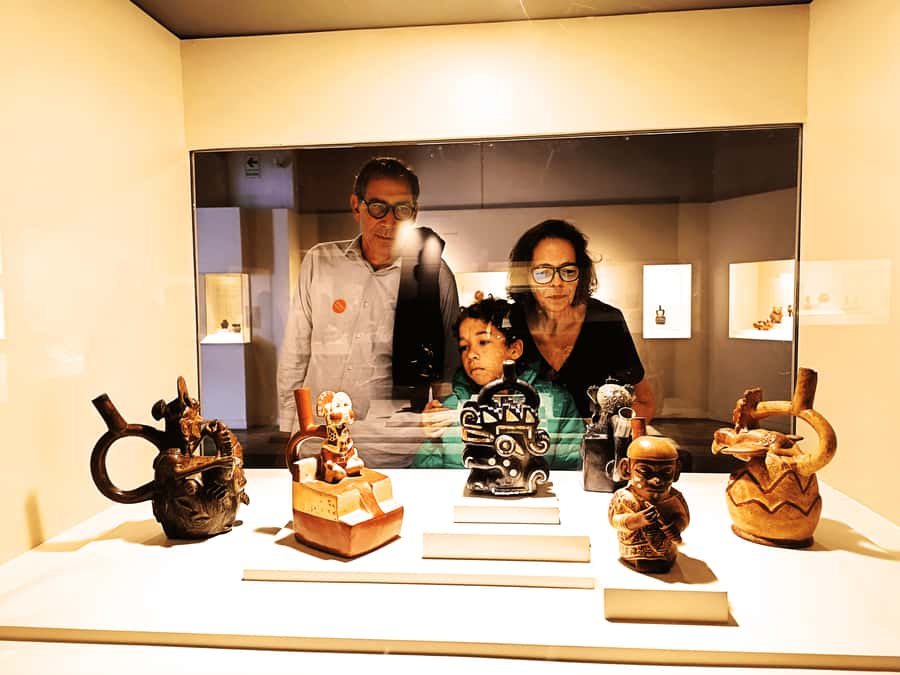
The most memorable part of this Lima museum visit is not simply the number of objects. It is the way ceramics explain ancient Peruvian beliefs, from offerings and human sacrifice to music, warfare, death, and fertility. The collection gives you a look at cultures that came before the Inca Empire, rather than treating Peru’s past as one single Inca story.
I like the hotel pickup and return from Miraflores, Barranco, or San Isidro, and I like the small group size, capped at 10 people. The main consideration is time: three hours is enough for a guided introduction, but not enough for a slow look at every room in a museum holding more than 45,000 pieces.
Key points
- More than 45,000 artifacts: See ceramics, textiles, gold, and silver arranged by period and theme.
- A guide-led cultural explanation: English and Spanish guides connect objects with Andean ideas about war, music, death, offerings, and fertility.
- A striking fertility room: The final section can be powerful, surprising, and not suited to every family.
- Easy district pickup: Transport is included from hotels in Miraflores, Barranco, and San Isidro.
- Small groups of up to 10: You get a more manageable setting for questions than on a large coach tour.
- A focused three-hour visit: Good for fitting the museum into a busy Lima schedule, though independent museum fans may want longer.
Why the Larco Museum Works So Well for a First Visit
Lima has plenty of museums, but the Larco Museum is a useful first stop because it gives you a broad view of ancient Peru in one place. Its collection follows the development of different civilizations from early periods through the rise of the Inca Empire. You do not need a detailed timeline in your head before arriving.
The arrangement is both chronological and thematic. That matters. A purely chronological museum can leave you remembering dates but missing the ideas behind the objects. Here, the rooms also group material around subjects such as offerings, war, music, death, and fertility. Your guide can help connect a small ceramic figure to the larger Andean worldview behind it.
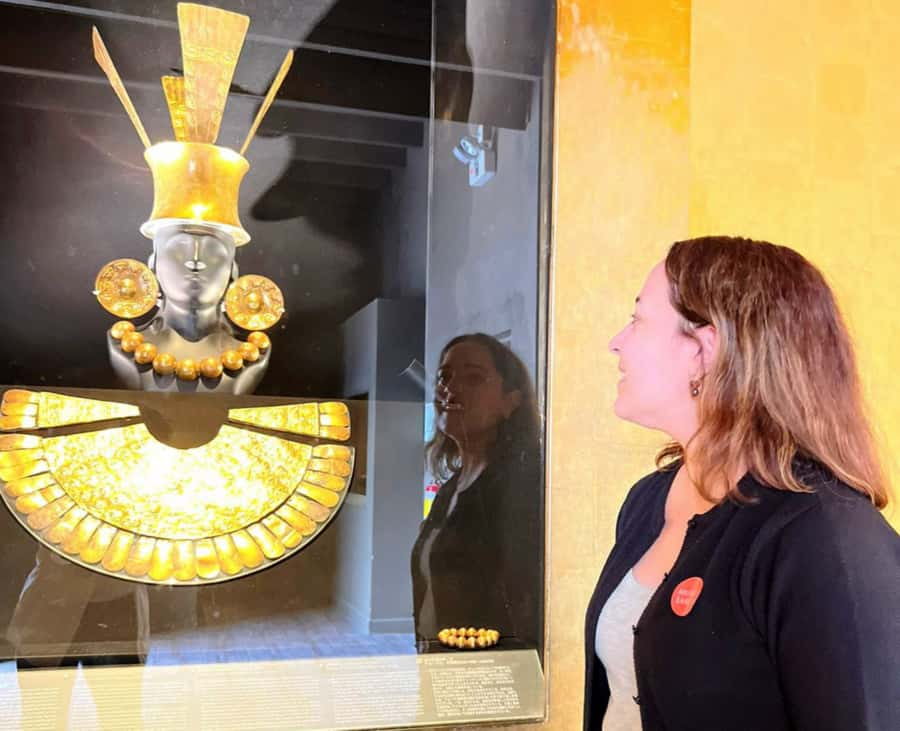
The collection includes more than 45,000 pieces, with ceramics at the center. You will also see textiles, gold, and silver. The objects are described as being in excellent condition and presented in a clear, orderly way, so the museum feels approachable rather than like a warehouse of ancient objects.
I would not expect this three-hour tour to explain every civilization in equal depth. Its strength is the overall picture. You leave with a better sense that ancient Peru was made up of many societies, traditions, and beliefs long before the Inca became the dominant power.
More Museum Tours in Lima
- Larco Museum, Pisco Old Tavern and Magic Water Circuit Evening Tour
★ 4.5 · 66 reviews - Pachacamac’s Inka Pyramids Tour including Museum Small-Group
★ 5.0 · 65 reviews - Lima in a Day: City Sightseeing Tour, Larco Museum and Magic Water Circuit
★ 4.5 · 63 reviews
Pickup From Miraflores, Barranco, or San Isidro
The experience begins at your accommodation in one of three Lima districts: Miraflores, Barranco, or San Isidro. You wait in the hotel lobby 15 minutes before the scheduled time. The driver and guide ask reception for your last name, so you do not need to wait outside looking for a van.
The ride to the museum takes about 25 minutes. That time can vary with Lima traffic, but the planned transfer is short enough that the museum visit remains the main event rather than an all-day transport exercise.
Pickup is included only in the three named districts. If you stay elsewhere, an extra fee may be available for pickup and return. Confirm that arrangement before booking, since the standard price does not cover every part of Lima.
The vehicle is a van, and the group is limited to 10 participants. This is a useful middle ground. You avoid the scale of a big bus tour, but you also do not pay for a fully private guide. A smaller group gives you a better chance to hear explanations and ask questions, especially in rooms where several objects are being discussed.
The First Rooms: Ceramics, Offerings, and Sacrifice
The first major focus is ancient ceramic art. These pieces are not presented as decoration alone. They help explain what people offered, why ritual mattered, and how communities understood relationships between the living, the dead, and the supernatural.
Your guide will focus on offerings and human sacrifice before the Inca period. That subject can be difficult, especially if you expect a simple art museum visit. The value of having a guide is that the objects are placed within their cultural setting. You can look at the shape, figures, and details while also hearing what they reveal about ritual practice.
The tour description specifically highlights some of the museum’s best ceramics in this section. That suggests a focused route rather than an attempt to cover every display. You will get interpretation of selected pieces, which is often more useful than rushing past hundreds of objects with only a label to read.
Still, keep your expectations balanced. The guide cannot give every object a long explanation in the time available. If you already know ancient Peruvian archaeology or want to examine pottery styles closely, you may feel the pace is brisk.
War, Music, and Death in the Andean Worldview
The tour then moves beyond ritual offerings to subjects that make the ancient societies feel more human. War, music, and death are not treated as separate curiosities. They are connected to how communities organized themselves and understood their place in the world.
Ceramics can show actions, figures, instruments, ceremonies, and symbols that are difficult to interpret at first glance. A guide helps you notice details you might otherwise pass without a second look. The best explanations are likely to be the ones that turn a quiet display case into a question: Who made this? What was it used for? Why was this image important?
Music is an especially useful theme in a museum of ceramics. Instruments and musical scenes can offer clues about celebration, ceremony, and public life. War, on the other hand, points toward power and conflict between communities. Death brings the focus back to burial customs and the connection between the living and the dead.
The tour presents these subjects through the Andean cosmovision, or worldview. That phrase is important because it signals a different way of organizing ideas about nature, society, and spiritual life. You are not simply looking at ancient objects in isolation. You are being asked to see them as part of a system of beliefs.
Guide Pamela has received especially strong praise for clear explanations, patient answers, and lively storytelling. If she is leading your departure, you can expect a guide who has been noted for explaining both individual objects and the wider history of Peru. The available information does not guarantee a particular guide, so your guide may be someone else, but English and Spanish service is included.
Same base, a completely different kind of day:
- Lima: Ultimate Peruvian Food Tour
★ 4.9 · 700 reviews - Lima’s Vibrant Heritage: Exploring the City’s Landmarks Half-day
★ 4.5 · 581 reviews - Private transfers from Lima Airport or to Lima Airport
★ 4.0 · 359 reviews - Lima: The Charm of Barranco & Pre Inca Pyramid in Miraflores
★ 4.9 · 322 reviews
The Fertility Room and Its Strong Final Impression
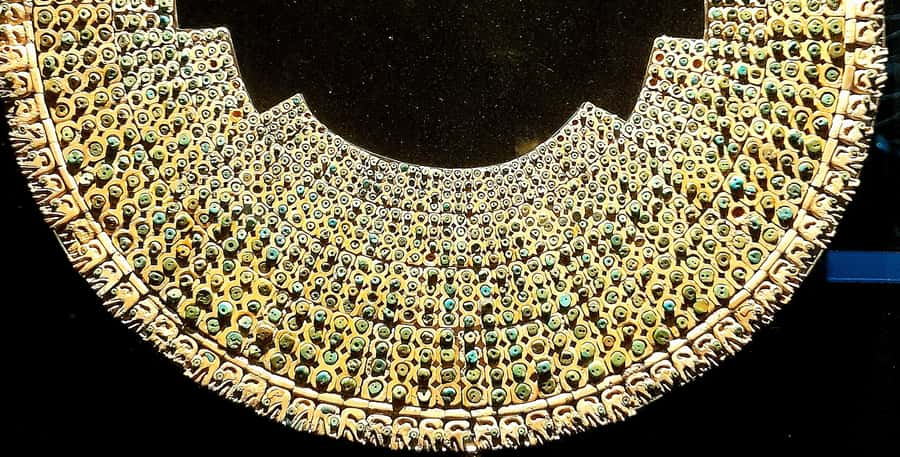
The tour finishes with the museum’s fertility room. This is one of the most talked-about parts of the visit because the objects are direct, unusual, and potentially provocative.
You should not expect a shy or sanitized presentation. The fertility displays are intended to show how ancient cultures represented reproduction and human sexuality. For some people, this room is one of the most memorable parts of the museum. For others, it may feel uncomfortable or unsuitable for younger children.
The room matters because fertility was not a side topic in ancient societies. It connected to family life, farming, survival, and the continuation of a community. A good guide can help you see the displays as cultural evidence rather than as isolated curiosities.
This final section also changes the tone of the visit. The earlier rooms may have centered on offerings, sacrifice, war, or death. The fertility room brings the body and the continuation of life into the same broad picture. It is an unusual ending, and it gives the tour a sharper edge than a standard parade of pottery.
If you are traveling with children, use your judgment. The information provided does not set an age limit, but the subject matter is clearly adult in parts. Families may prefer to discuss this with the guide before entering the room.
Two Hours Inside, Then Fifteen Minutes to Browse
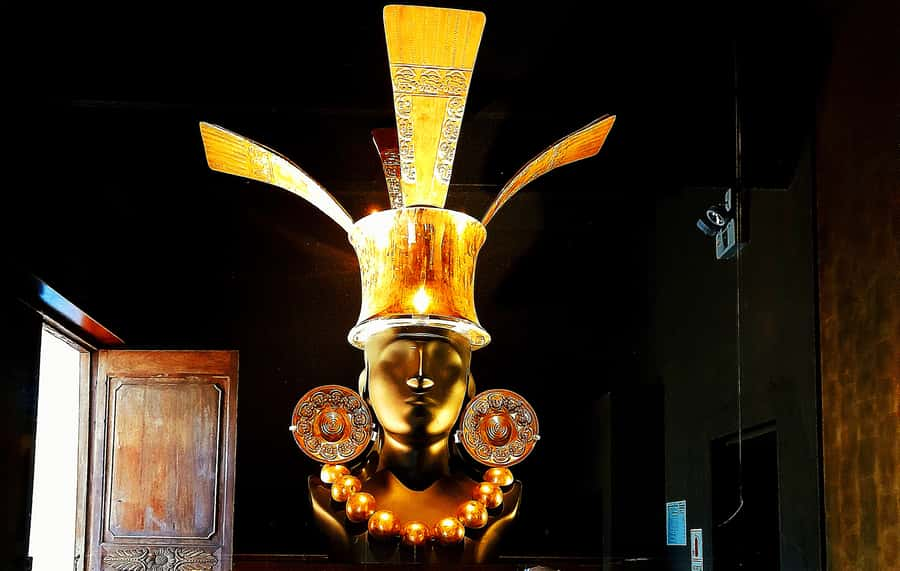
The museum portion is scheduled for about two hours, followed by around 15 minutes for shopping. That split tells you what kind of experience this is. The guided visit is the priority, while the shop is a brief add-on rather than a major stop.
Two hours can work well if you want a clear introduction without spending half a day indoors. You will see the main thematic areas, hear context from a guide, and still have time for another Lima activity afterward.
It is not enough time for every object. With more than 45,000 pieces, the museum could easily occupy a full morning or longer for a person who reads every label. You will need to accept that the guide chooses what to emphasize.
The 15-minute shopping stop gives you a chance to look for a museum-related souvenir, but do not build your schedule around a long retail visit. Afterward, you return to the van for the trip back.
What the $54 Price Includes
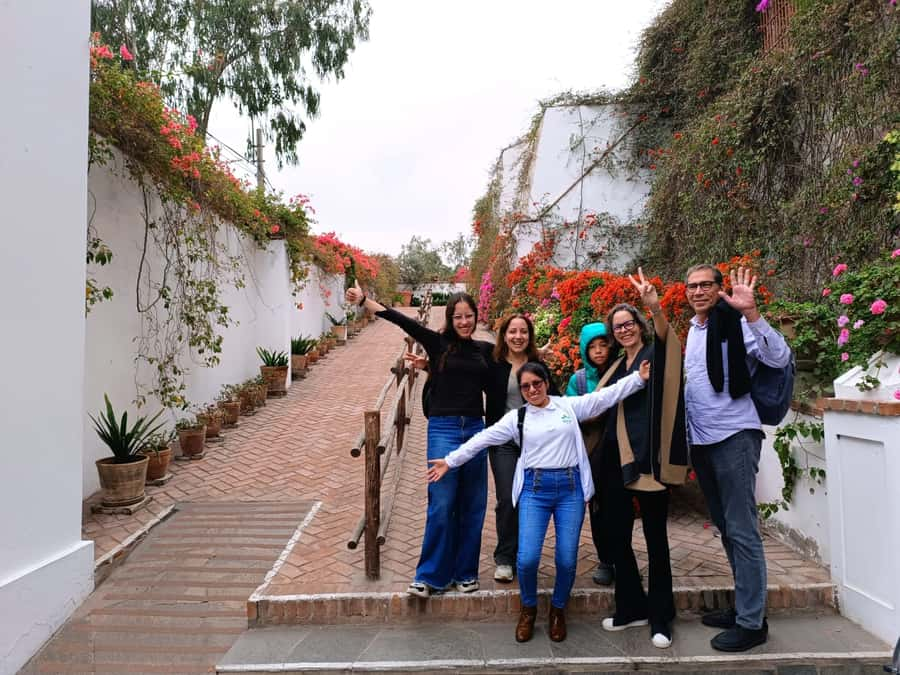
The price is $54 per person. That is not the cheapest way to enter a museum in Lima, but the comparison is not simply between $54 and a basic admission ticket.
Your payment covers Larco Museum entry, a bilingual English or Spanish guide, a professional driver, hotel pickup and return in the three covered districts, a small-group format, and a bottle of water. You are paying for interpretation and transport as much as for the door ticket.
I think the price makes the most sense if you are staying in Miraflores, Barranco, or San Isidro and want a straightforward half-day plan. You avoid arranging a separate taxi or ride service, and you have someone explaining the collection as you go.
The value is less clear if you are already close to the museum, prefer to explore at your own speed, or want to spend several hours studying individual objects. Independent museum visitors may find a basic ticket more suitable, provided they are comfortable arranging their own transport and making sense of the displays.
There is no meal included. The tour lasts three hours, so plan food before or after it. Return drop-off is available at your hotel or, if you prefer, at a restaurant or another location within Miraflores, Barranco, or San Isidro.
Who Will Get the Most From This Tour
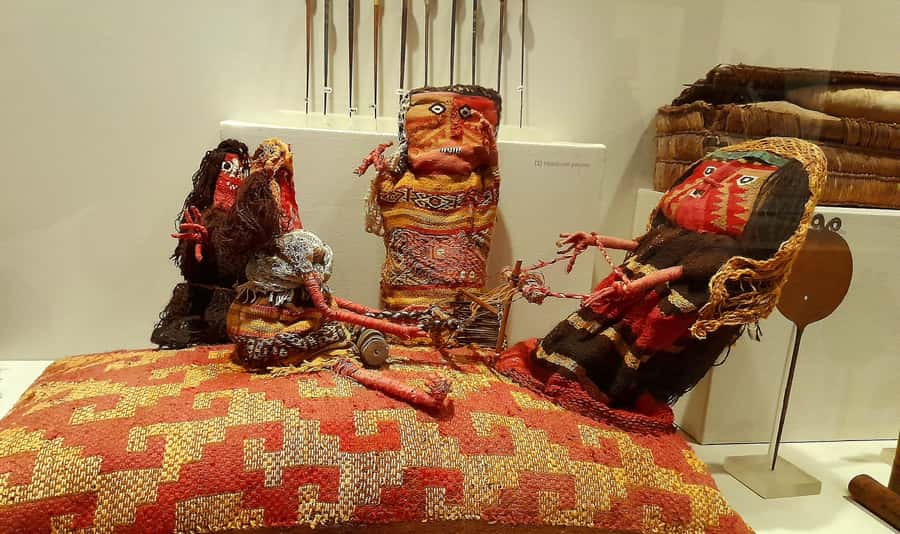
This experience suits you if you want ancient Peruvian culture explained in plain language. It is especially useful if the words Moche, Nazca, Chimu, and Inca are still a blur. The chronological layout and guided themes can give you a working framework for later archaeological sites and museums.
It also suits anyone who wants to reduce Lima logistics. Pickup, entry, transport, and return are handled together. That can be worthwhile after a long flight or during a short stay when every spare hour matters.
The small group is another advantage for people who like to ask questions. The limit of 10 is not a promise of a private conversation at every display, but it is far more manageable than a large coach group.
You may prefer another option if you dislike guided pacing. Two hours inside is fixed enough that you will not have unlimited time in favorite rooms. Serious collectors, students, and museum regulars may want an independent visit with more time for close study.
The fertility room also makes this a better match for adults and families who are comfortable discussing ancient representations of sexuality. If that subject is likely to cause discomfort, ask the guide about the route before the final section.
Practical Details Before You Reserve
The tour offers free cancellation up to 24 hours before departure, and you can reserve now and pay later. Starting times depend on availability, so check the schedule before you build the rest of your day around it.
The activity is wheelchair accessible according to the available details. English and Spanish guiding is offered. Make sure your booking reflects the language you want.
Arrive in your hotel lobby 15 minutes before pickup. Reception should know your last name, since the guide and driver will ask for it there. This is a small step, but it prevents confusion in a large hotel.
The included drop-off areas are Miraflores, Barranco, and San Isidro. If you choose a restaurant or another location instead of your hotel, keep it within those districts unless you have arranged an extra-fee transfer.
The overall rating is 4.9 from 23 reviews, with repeated praise for the guides’ explanations, enthusiasm, organization, and storytelling. Pamela is singled out by name in several comments, especially for patiently answering questions and making the history interesting. One four-star assessment still described the museum as worth visiting and the guide as good, which fits the main picture: the museum is the strong constant, while the exact quality of your visit depends partly on the guide assigned to your group.
Should You Book the Larco Museum Tour?
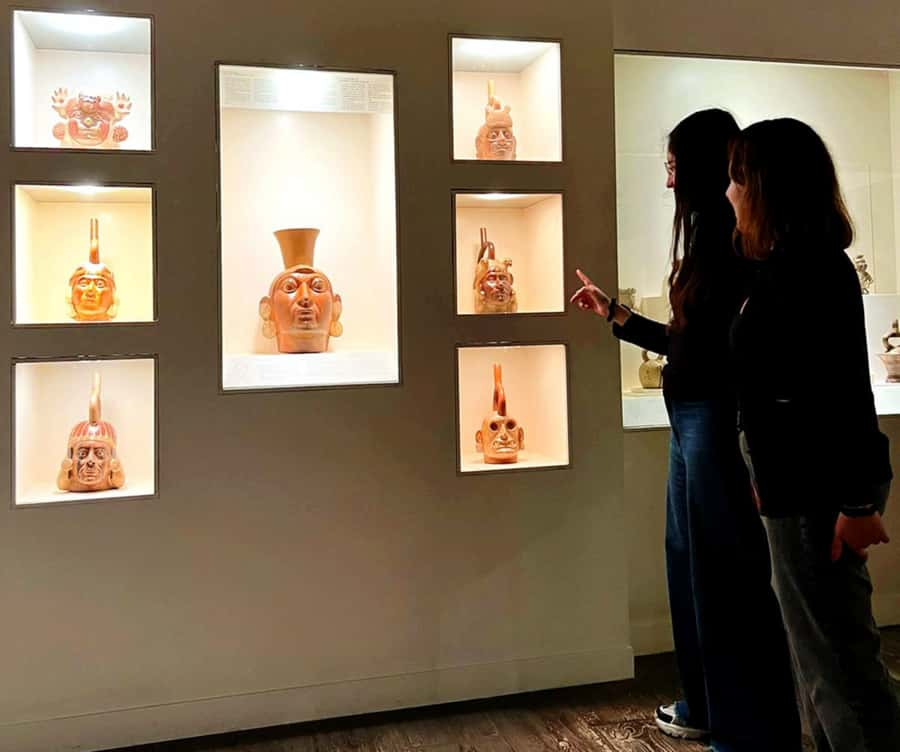
Book it if you want a well-organized introduction to ancient Peru, hotel transport, and a guide who can explain the meaning behind the ceramics. The combination of a 10-person limit, bilingual service, entry ticket, and return transfer gives the $54 price a reasonable case, especially from Miraflores, Barranco, or San Isidro.
Skip it if you want several quiet hours to study the collection independently or if you are looking for a low-cost museum admission without transport. The three-hour format is efficient, but it necessarily leaves much of the 45,000-piece collection unexplored.
For most first-time Lima visitors, I would choose this tour when the schedule is tight and the context matters. The offerings, sacrifice, war, music, death, and fertility rooms give you more than a quick look at beautiful pottery. They provide a compact introduction to the ideas that shaped ancient Peru.
FAQ
How long does the Larco Museum tour last?
The full experience lasts three hours. The planned ride to the museum takes about 25 minutes, the museum visit lasts about two hours, shopping takes about 15 minutes, and the return ride takes about 25 minutes.
What is included in the price?
The price includes hotel pickup and return in Miraflores, Barranco, or San Isidro, Larco Museum entry, an English or Spanish-speaking guide, a professional driver, and a bottle of water.
Does the tour include meals?
No. Meals are not included.
Where is pickup available?
Pickup is included from accommodations in Miraflores, Barranco, and San Isidro. Pickup from another district may be arranged for an additional fee.
Where can I be dropped off?
You can return to your hotel or request a restaurant or another location in Miraflores, Barranco, or San Isidro.
What languages are available?
The live guide service is available in English and Spanish.
How large is the group?
The tour is a small-group experience limited to 10 participants.
Is the museum visit wheelchair accessible?
The activity is listed as wheelchair accessible.
How early should I wait for pickup?
Wait in your hotel lobby 15 minutes before the scheduled pickup time. The driver and guide will ask reception for your last name.
Can I cancel the booking?
You can cancel up to 24 hours in advance for a full refund. The activity also offers reserve-now, pay-later booking.
Just added around Lima
- Guided Tours in Colonial and Modern Lima★ 5.0 · 54 reviews
- Full Day Pilgrims★ 5.0 · 28 reviews
- Sandboarding and Off Road in Lima (National Park Lomas de Ancón)★ 5.0 · 54 reviews
- Tour Miraflores + Fotografía Profesional★ 5.0 · 47 reviews
- Lima Airport Transfers by SUV/Van★ 5.0 · 34 reviews
- Lima City tour and Catacombs Museum (04 hours) Private Tour with guide in Lima★ 5.0 · 32 reviews
- In Lima: Sandboarding Off Road Half Day!!★ 5.0 · 36 reviews
- Peruvian Experience: Interactive, Cultural & Gastronomic Guided Tour★ 5.0 · 42 reviews
Museums, compared.
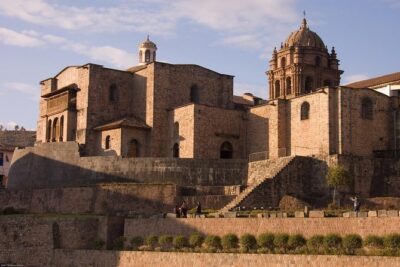
City Tour in Cusco & visit Museum South American Camelid Private.
Read our review →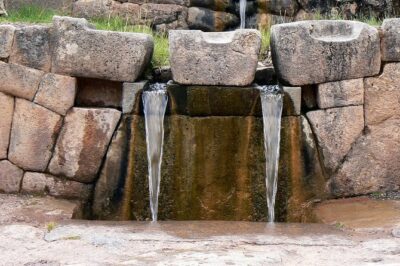
City Tour in Cusco & visit Museum South American Camelid
Read our review →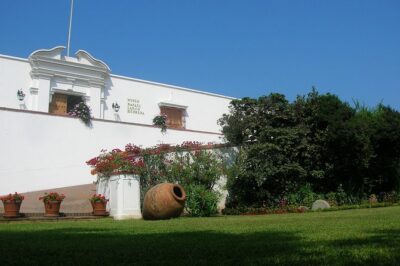
Larco Museum, Pisco Old Tavern and Magic Water Circuit Evening Tour
Read our review →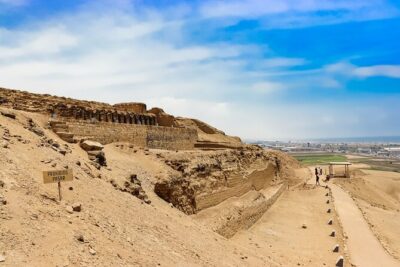
Pachacamac’s Inka Pyramids Tour including Museum Small-Group
Read our review →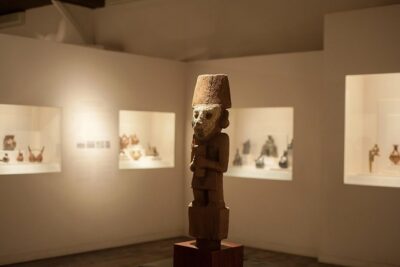
Lima in a Day: City Sightseeing Tour, Larco Museum and Magic Water Circuit
Read our review →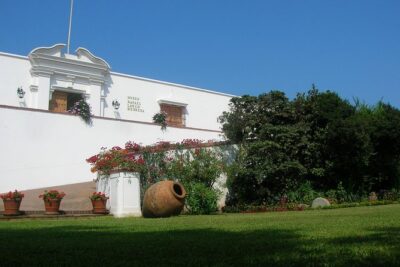
Lima´s Vibrant Heritage & Larco Museum of Cultures Half Day Tour
Read our review →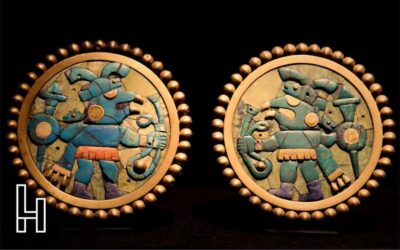
Pachacamac Inka Pyramids & The Larco Museum Tour
Read our review →
Huaca Ruins and Larco Museum at Night with Dinner
Read our review →Browse the lists this tour appears in