
Reviewed · LIMA TOURS
8-Days Peru, The Rise of the Inca Empire
Machu Picchu is the headline, but the real strength of this eight-day route is the way it links Lima, Cusco, and Puno without making you arrange every transfer yourself. You move from Spanish colonial churches to Inca stonework, then onward to Lake Titicaca and its reed islands.
I like two things here: the route keeps moving forward, ending in Puno instead of sending you back to Cusco, and the package includes the awkward pieces, such as airport pickups, the Voyager train, the Cusco to Puno bus, and hotel transfers. The main caution is organization. Daily schedules and hotel details may arrive late, so you need to ask for a full plan before departure.
Key points to know before booking
- Machu Picchu is a long day: Expect train travel, a bus up to the ruins, a guided visit, lunch, and the return journey.
- The trip ends in Puno: This is useful if you plan to continue toward Bolivia or return to Lima.
- Morning flight to Cusco is required: You need to arrive in Cusco by noon at the latest, and an earlier arrival is the safer choice.
- Small group size: The maximum is 15 people, though transport arrangements can still vary by day.
- Altitude matters: Cusco, the Sacred Valley, La Raya, Puno, and Lake Titicaca are all high-altitude destinations. Bring medicine if your doctor recommends it.
- Machu Picchu tickets are strict: Route 2 is given priority, but route 3B or 1B may be offered if route 2 is unavailable. Tickets cannot be refunded or changed after issue.
Lima begins with churches, courtyards, and ancient Peru
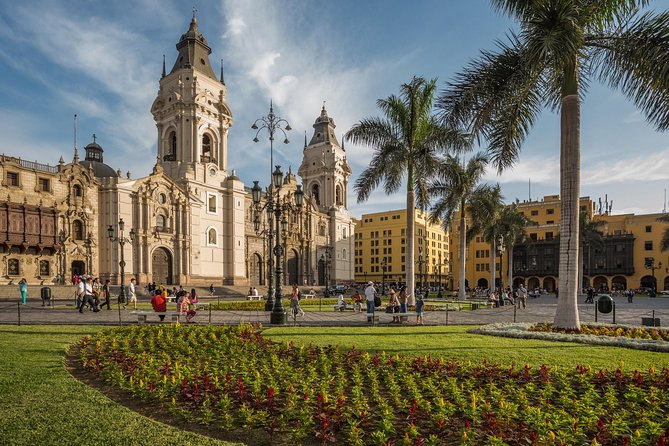
Your first day starts at Jorge Chávez International Airport, where an arrival transfer takes you to your Lima hotel. The four-hour city tour focuses on the historic center, a UNESCO World Heritage Site, and gives you a useful introduction to Peru before the highlands begin.
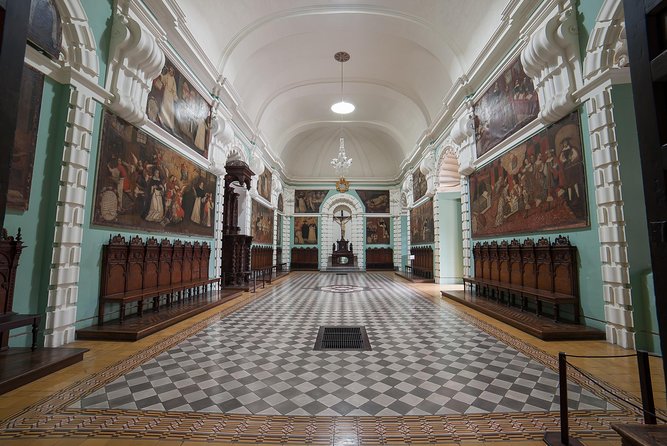
At the Convent of Santo Domingo, you see the colonial city built over an earlier cultural world. The site also carries an important academic connection: the University of San Marcos was founded here, making it the oldest university in the Americas. The choir stalls, old library, and tombs connected with San Martín de Porres, San Juan Masías, and Santa Rosa de Lima add human detail to the visit.
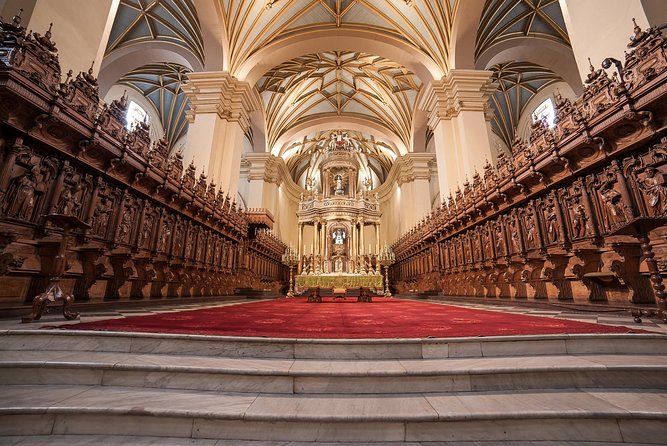
Across the Plaza Mayor, the Cathedral of Lima brings you face to face with colonial religious art and architecture. The Government Palace and Municipality frame the square, so this is not simply a church visit. It is a compact lesson in how Spanish power reshaped the center of Lima.
The Larco Museum changes the focus from colonial Peru to the civilizations that came before it. Its collection includes goldwork, textiles, ceramics, and the well-known erotic pottery. The open storage area is especially useful because you can see a large number of objects rather than only a few polished highlights.
I like this opening because it avoids jumping straight to Machu Picchu. The museum gives you context for the symbols, animals, rituals, and farming traditions that appear again in the Andes. The drawback is that the first day is not light. After an international flight, four hours in the historic center followed by two hours at the museum may feel demanding.
A few more Lima days worth weighing up
- Lima: Ultimate Peruvian Food Tour
★ 4.9 · 700 reviews - Lima’s Vibrant Heritage: Exploring the City’s Landmarks Half-day
★ 4.5 · 581 reviews - Private transfers from Lima Airport or to Lima Airport
★ 4.0 · 359 reviews
Cusco puts Inca stone beside Spanish power
Day two begins with a transfer to the airport and a flight from Lima to Cusco. The flight is not included, and the timing matters. Book a morning departure, since arriving around noon is considered too late for the planned program.
Cusco sits at high altitude, so do not treat this as an ordinary city transfer. You may feel the change as soon as you arrive. Keep the first hours calm, drink water, and follow medical advice if you are prone to altitude sickness.
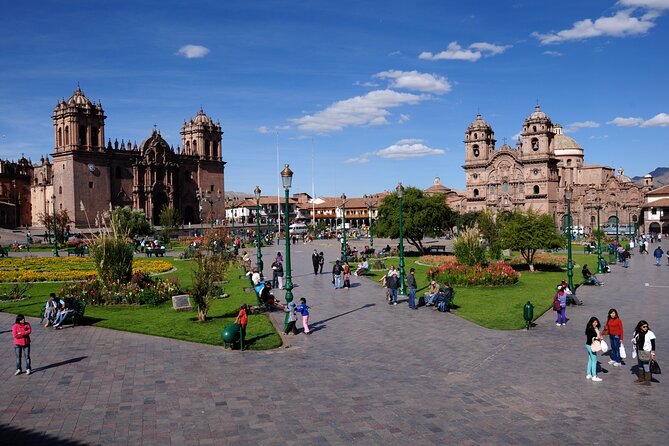
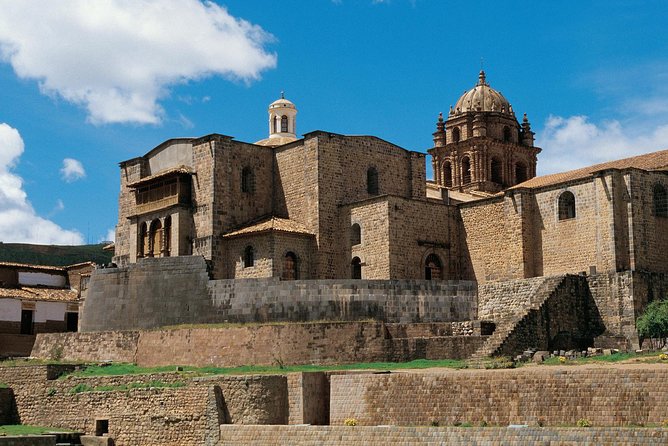
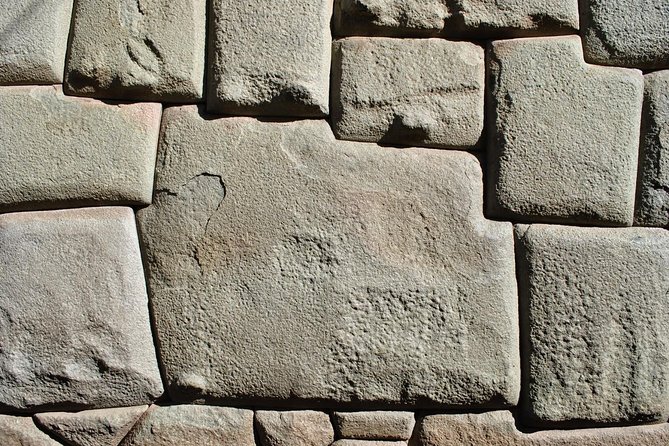
The first major stop is Qorikancha, once the Temple of the Sun and one of the most important religious sites in the Inca Empire. Spanish authorities built the Convent of Santo Domingo over its foundations, creating the familiar Peruvian contrast of Inca stone below and colonial architecture above. Much of the gold is gone, but the precisely cut stonework remains.
The Cathedral of Cusco provides the Spanish side of that story. It holds colonial paintings from the Cusco School, where European artistic methods were blended with local symbols and ideas. The original cross associated with the first Spanish conquistadors is also displayed. Ornate altars and carved choir stalls make this a more detailed visit than a quick photo stop.
The afternoon goes uphill to Sacsayhuaman Archaeological Park. Massive stones, some more than four meters high, fit together without mortar. From here, you also get broad views over Cusco. The nearby sites add variety: Q’enqo is a ceremonial rock complex, Tambomachay is associated with springs and water channels, and Puca Pucará was a military outpost.
This half-day outing works well after Qorikancha and the cathedral because it moves from the city center to the highland edge. It is not just a collection of ruins. You see religious, military, and water-related sites in one afternoon. Still, the elevation and uphill setting can make the day feel harder than the stated two-hour stop time suggests.
The Sacred Valley mixes farms, ruins, and living craft
Day three heads into the Sacred Valley along the Urubamba River. The valley mattered to the Incas because of its farming conditions, climate, and position between mountain ranges. Today, the appeal is the combination of open countryside, terraces, villages, and archaeological sites.
Pisac is the first major stop. Its ruins sit high above the valley and include terraces, religious buildings, and carefully planned stonework. The height gives you a broad view over the colonial village below. This is one of the clearest places on the route to see how the Incas used steep slopes for farming.
After the ruins, you go down to Pisac village and its artisan market. Textiles, ceramics, silver jewelry, and other handmade goods are available. This is a good place to buy something connected to the region, but compare prices and quality before committing. A market visit can easily become a shopping stop if you are not careful with your time.
The Inkariy Museum brings Peru’s earlier cultures into the picture through displays and representations of pre-Hispanic societies. It is a different kind of visit from Pisac. The ruins show original structures in their setting, while the museum helps explain the range of cultures that existed before and alongside the Inca Empire.
The day also includes lunch and the Yucay Live Culture Center. You can watch demonstrations of weaving, dyeing, adobe making, and traditional chicha preparation. Llamas and alpacas are part of the visit. I value this stop because it connects archaeology with skills still practiced in Andean communities, rather than presenting the past as something sealed behind glass.
Moray and Maras show clever use of mountain resources
Day four focuses on two of the Sacred Valley’s most unusual sites. Moray consists of large circular terraces cut into the earth. They are commonly understood as an Inca agricultural experiment, with different temperature conditions across the levels. The site gives you a concrete sense of how carefully the Incas studied altitude and farming.
At Salinas de Maras, thousands of small salt ponds spread across the mountainside. Salty spring water flows into the pools, then evaporates in the sun. Families still work the pans, continuing a practice that began before the Inca period.
The salt terraces are highly photogenic, especially because the pale pools contrast with the reddish hills around them. But the visit is also practical. You are looking at a working source of local income, not only an old site arranged for sightseeing.
These two stops make a good short day, though the supplied timing can be read in different ways. Moray is listed as one hour and Maras as two hours, with transport between them. Your exact pickup schedule should be confirmed in advance, particularly since the daily plan may not be delivered until the evening before.
Same base, a completely different kind of day:
- Lima: The Charm of Barranco & Pre Inca Pyramid in Miraflores
★ 4.9 · 322 reviews - Lima: Pachacamac Ruins & Barranco Half-Day Guided Tour
★ 4.6 · 296 reviews - Pre Inca Temple of Pachacamac Half-Day Tour from Lima
★ 4.5 · 283 reviews - Lima: Magic Water Circuit Light Show Tour with Pickup
★ 4.9 · 251 reviews
Machu Picchu requires careful timing
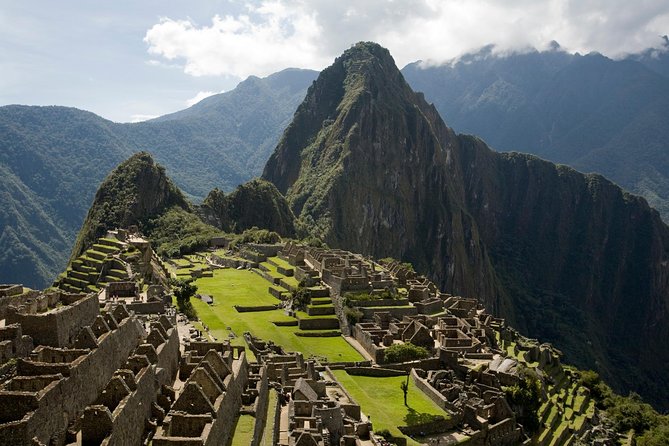
Day five is the most anticipated part of the trip and also the part most sensitive to timing. You board the Voyager train at Ollantaytambo, arrive at Machu Picchu station, and take the uphill bus toward the ruins. The road follows the Urubamba River through a steep canyon, adding a dramatic approach before you reach the entrance.
Inside Machu Picchu, you see terraces, stairways, ceremonial spaces, and urban areas spread across the ridge. The visit is not simply a viewpoint and a photograph. The scale becomes clearer as you walk through the different levels and see how the builders used the mountain.
A buffet lunch at Sanctuary’s Lodge restaurant is included. Afterward, you return by train and transfer to your Cusco hotel. The itinerary describes this as a full ten-hour day, so pack lightly and expect a long period of movement.
Machu Picchu now uses specific visitor circuits. Route 2 is the priority for this package, but if it is unavailable, route 3B or 1B may be offered for your approval before the ticket is issued. Read the option carefully. The circuit affects what you see and how you move through the site.
There is an important operational warning here. One reported arrangement left a person waiting about 26 hours at Hotel Ferre in Machu Picchu Pueblo before the afternoon train back to Cusco, with no scheduled activity during that gap. The published plan describes a return the same day, so this kind of mismatch is exactly why you should request your train times, hotel name, and next-day schedule in writing before departure.
Also remember that the Machu Picchu admission ticket cannot be refunded or amended once issued. If you need a different date, you must buy a new ticket. This makes accurate passport details and flight information especially important.
The road to Puno adds churches, ruins, and high-altitude views
Day six uses a tour bus from Cusco to Puno. This is not the fastest way between the cities, but it turns a long transfer into a sightseeing day. The route includes Andahuaylillas, where you visit a notable chapel, followed by Raqchi and the Temple of Wiracocha.
Raqchi is known for its long walls and narrow streets, giving you another look at Inca building methods outside Cusco. Lunch is included during the journey. At La Raya Pass, the road reaches the natural boundary between the Cusco and Puno regions, with high mountain views along the route.
Before reaching Puno, you visit the Pucara Museum. There is also an opportunity to buy one of the area’s traditional bull-shaped ceramics. The bus arrives in Puno late in the afternoon.
This transfer is valuable if you want a sense of changing regions, but it is still a seven-hour day on the road. You should choose this package because you want the stops, not because you want the quickest connection.
Lake Titicaca ends the journey on a human scale
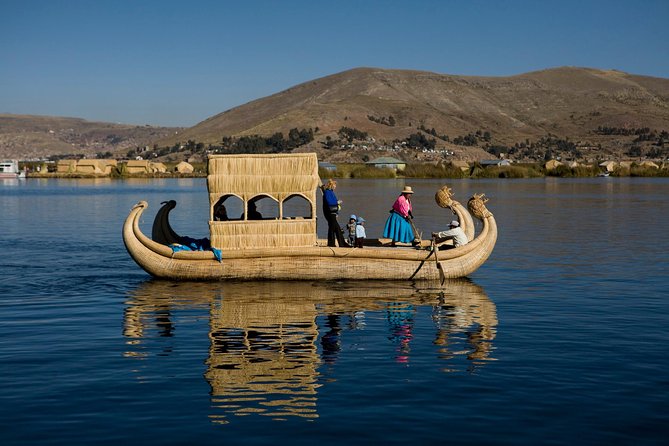
Day seven takes you onto Lake Titicaca, beginning with the Uros floating islands. These islands are made from totora reeds, a plant that grows around the lake. The visit explains how the islands are built and maintained, and how the Uros community lives with the lake as both home and resource.
The boat continues to Taquile Island, where local traditions and distinctive clothing remain central to daily life. You can walk around the island and take in wide views across the water before eating a typical included lunch.
The excursion lasts about six hours and returns to Puno in the afternoon. It is a fitting final day because the trip shifts from monumental sites to living communities. The main limitation is pace: after Machu Picchu, the bus journey to Puno, and the altitude, you may want a quiet evening rather than another full outing.
What the $1,280 price really covers
At $1,280 per person, this package offers good value for someone who wants a fixed route with transport and hotels arranged. It includes seven nights of selected accommodation, seven breakfasts, three lunches, airport transfers, the Lima city tour, the Cusco sites, Machu Picchu, the Cusco to Puno bus, and the Uros and Taquile excursion.
The Voyager train ticket is included, as is the Sanctuary’s Lodge buffet lunch. Those are useful inclusions because arranging Machu Picchu transport on your own can be complicated and expensive.
The price does not include flights. You must separately purchase the international flight into Lima and the domestic flight from Lima to Cusco. Most food and drinks are also extra, so budget beyond the headline price for lunches and dinners not specified in the package, drinks, market purchases, and personal expenses.
The maximum group size is 15 people. That is small enough for a more manageable guided visit, though this is still a multi-provider route with flights, trains, buses, hotels, and local excursions. Ask for the complete schedule before paying if you need a tightly controlled itinerary.
Free cancellation is available up to 24 hours before the local start time. Changes made inside that period are not accepted, and the Machu Picchu ticket has its own stricter rule once issued.
Who should book this Peru route?
I would choose this tour if you want to see the major Inca and colonial sites without arranging every ticket and transfer yourself. It suits a first visit, especially if you want to finish in Puno and continue toward Bolivia.
It is less suitable if you prefer slow travel, carefully selected hotels, or full control over each afternoon. The route is busy, altitude changes are real, and schedule communication needs attention. Ask for hotel names, train times, flight connections, and the complete daily plan before you go.
FAQ
Where does the tour begin and end?
The tour begins at Jorge Chávez International Airport in Lima and ends in Puno.
Are flights included?
No. International flights and the flight from Lima to Cusco are not included.
What time should the Lima to Cusco flight arrive?
You need a morning flight. Arrival in Cusco around noon is considered too late for the planned activities.
Is Machu Picchu admission included?
Yes. The Machu Picchu excursion and admission ticket are included, along with the Voyager train and a buffet lunch at Sanctuary’s Lodge restaurant.
Which Machu Picchu circuit will I receive?
Route 2 is given priority. If it is unavailable, route 3B or route 1B may be offered before the ticket is issued.
Can I change my Machu Picchu date after the ticket is issued?
No. The admission ticket is not refundable, and date changes or amendments are not accepted. A new ticket is required for a different visit date.
How many hotel nights and breakfasts are included?
The package includes seven nights of accommodation and seven breakfasts.
Just added around Lima
- Guided Tours in Colonial and Modern Lima★ 5.0 · 54 reviews
- Full Day Pilgrims★ 5.0 · 28 reviews
- Sandboarding and Off Road in Lima (National Park Lomas de Ancón)★ 5.0 · 54 reviews
- Tour Miraflores + Fotografía Profesional★ 5.0 · 47 reviews
- Lima Airport Transfers by SUV/Van★ 5.0 · 34 reviews
- Lima City tour and Catacombs Museum (04 hours) Private Tour with guide in Lima★ 5.0 · 32 reviews
- In Lima: Sandboarding Off Road Half Day!!★ 5.0 · 36 reviews
- Peruvian Experience: Interactive, Cultural & Gastronomic Guided Tour★ 5.0 · 42 reviews
Lima Tours, compared.

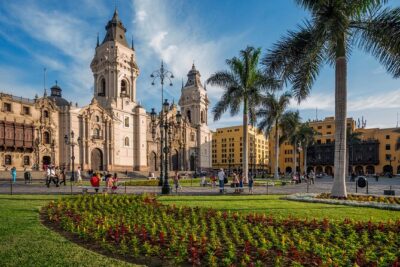
Lima’s Vibrant Heritage: Exploring the City’s Landmarks Half-day
Read our review →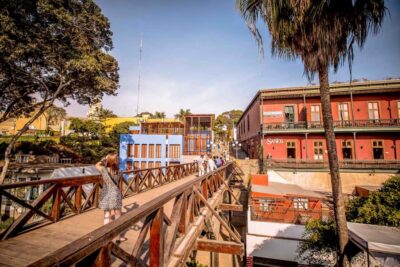
Pachacamac Ruins & Barranco Half-Day Guided Tour
Read our review →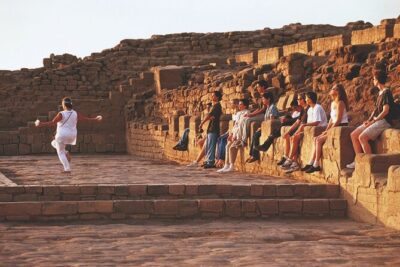
Pre Inca Temple of Pachacamac Half-Day Tour from Lima
Read our review →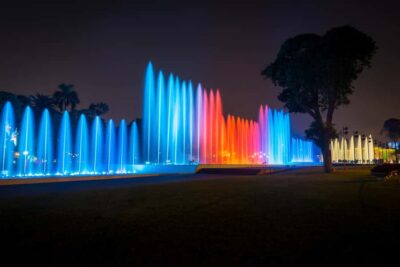
Magic Water Circuit Light Show Tour with Pickup
Read our review →
Historic Center Street Food, Market, and Eateries Tour
Read our review →
Browse the lists this tour appears in