
Reviewed · LIMA TOURS
8-Day Peru Ancestral Energies
Machu Picchu is the headline, but the real strength of this eight-day route is how much Peru it links together: Lima’s colonial center, Cusco’s Inca foundations, the Sacred Valley, and the high waters of Lake Titicaca. You get a ready-made plan, local guides, hotels, ground transport, and key admission tickets without having to stitch the trip together yourself.
I like the practical progression from Lima to Cusco, then through the Sacred Valley before Machu Picchu. I also like the mix of grand sights and ordinary places, especially San Pedro Market, Chinchero’s weaving center, Taquile Island, and the church at Andahuaylillas. The main concern is altitude and pace: you reach Cusco quickly, travel as high as 4,800 meters at La Raya, and finish in Puno, so this is not a gentle, low-key holiday.
Key points to know
- A full Peru route in eight days: Lima, Cusco, the Sacred Valley, Machu Picchu, Puno, Uros, and Taquile Island are all included.
- A useful small-group size: Shared tours are capped at 15 people, which should make guide explanations and transfers easier to manage.
- Flights are not included: You must arrange Lima to Cusco and Juliaca to Lima flights, with the Cusco flight scheduled in the morning.
- Altitude becomes serious: Cusco, the Sacred Valley, and especially La Raya require sensible pacing and preparation.
- Machu Picchu needs careful planning: Route 2 is the preferred circuit, but Route 3B or 1B may be offered if Route 2 is unavailable.
- The price covers a lot, but not everything: At $1,264 per person, you receive seven hotel nights, transport, tours, breakfasts, four lunches, and admission tickets, but flights and some taxes are extra.
What the $1,264 price really buys
At $1,264 per person, this tour offers solid value if you want a guided Peru trip with the major pieces already arranged. Seven nights of lodging, airport and hotel transfers, shared transportation, admission tickets, breakfast each morning, four lunches, and the round-trip train to Machu Picchu are included.
That price does not cover the Lima to Cusco or Juliaca to Lima flights. You also need to account for the listed airport taxes of $32 per person for the international, Lima to Cusco, and Puno arrangements. Food and drinks outside the specified meals are extra.
I see the value mainly in the logistics. Machu Picchu requires timed admission, a train, a bus up to the ruins, and careful coordination. Lake Titicaca also involves boat transport and several stops. Handling those details yourself can take time and attention, while this plan puts them under one booking.
The trade-off is flexibility. You are following a fixed schedule, using shared transport, and moving hotels several times. If you prefer long café stops, extra museum time, or spontaneous changes, an independent trip may suit you better. If you want the main route without having to manage every connection, the cost is easier to justify.
A few more Lima days worth weighing up
- Lima: Ultimate Peruvian Food Tour
★ 4.9 · 700 reviews - Lima’s Vibrant Heritage: Exploring the City’s Landmarks Half-day
★ 4.5 · 581 reviews - Private transfers from Lima Airport or to Lima Airport
★ 4.0 · 359 reviews
Lima begins with colonial Peru and ancient art
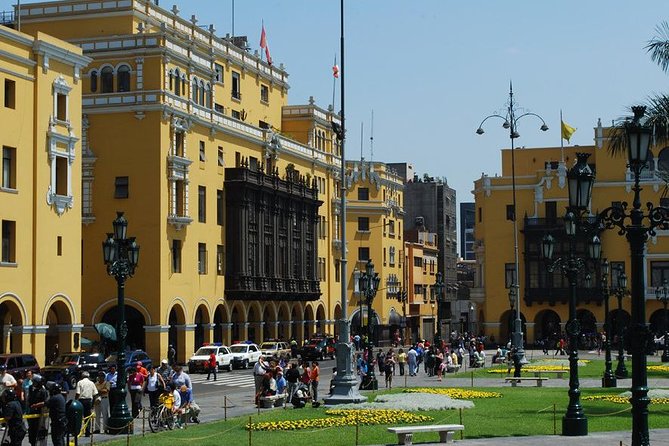
Your first day starts at Jorge Chávez International Airport, where you are transferred to your hotel before visiting central Lima. The five-hour city program focuses on the Historical Center, with the Convent of Santo Domingo, Universidad Mayor de San Marcos, Plaza Mayor, the Government Palace, the Municipality, and Lima Cathedral.
This is a useful opening because Lima gives you context before the Inca sites appear. The architecture here reflects the Spanish colonial period, while the Larco Museum brings Peru’s older cultures into view through gold objects, textiles, and ceramics.
I especially like the inclusion of the Larco Museum. It gives you a broader understanding of Peru than a quick city square visit can provide. The tour also keeps the first day fairly contained, which matters after an international flight.
The airport transfer and city touring are included, but your international arrival time will affect how comfortable this day feels. The description calls for a five-hour visit, so an early arrival should leave more breathing room than a late one. Keep your first day simple, drink water, and save some energy for the early flight to Cusco.
Cusco mixes market life with Inca stonework
Day two requires a morning flight from Lima to Cusco. This timing is important: the booking instructions say arrival by noon is too late, so do not schedule a leisurely midday departure from Lima.
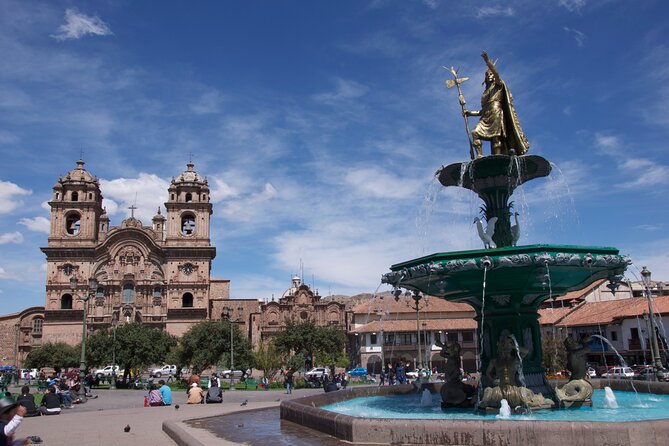
After an airport welcome and hotel transfer, the four-hour Cusco walk begins at San Cristóbal Square. From there, you get a broad view over the city before heading to San Pedro Market. This market supplies much of Cusco and offers a practical look at local produce, ingredients, and daily commerce.
Next comes Qorikancha, the Temple of the Sun. Its walls once carried gold, and the site helps explain how the Inca sacred center was later incorporated into colonial Cusco. From San Blas, the traditional artisans’ neighborhood, the route continues along Hatun Rumiyoc.
The famous Twelve Angled Stone is one of those places that rewards a close look rather than a long visit. You will also pass the former palace of Inca Roca, now the Archbishop’s Palace, before reaching the Plaza de Armas and Cusco Cathedral.
I like this afternoon because it gives you several kinds of Cusco in a short time: a working market, Inca masonry, an artisan district, a grand square, and colonial religious art. The drawback is that your body is also adjusting to altitude. The program is only four hours, but the walking and elevation can still feel demanding.
Sacsayhuaman shows the scale of Inca engineering
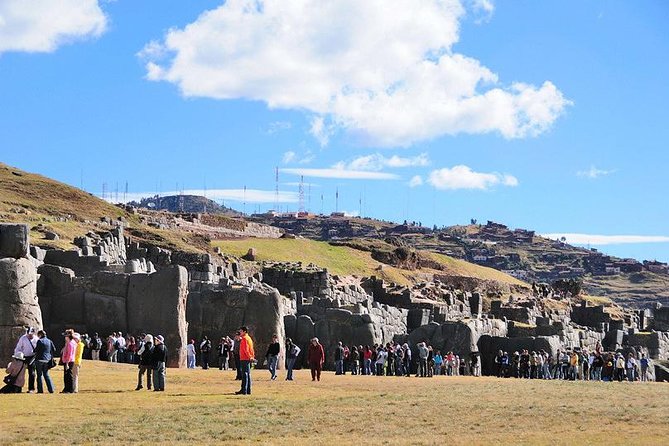
The third day visits the archaeological sites above Cusco. Sacsayhuaman is the major stop, with huge stone construction set among open Andean scenery. The size of the stones gives the place its impact, even before your guide explains how the site fit into the wider Cusco complex.
You then continue to Q’enqo, an Inca ceremonial site with an altar built into rock. Puca Pucará follows as a lookout point, and the visit ends at Tambomachay, associated with water and Andean religious beliefs.
The morning takes about four hours, leaving your afternoon free in Cusco. That free time is valuable. You might use it for a quiet meal, a rest at the hotel, or a gentle walk if your body has adjusted well.
I appreciate that this day is not overloaded with afternoon touring. At this altitude, a little empty time is not wasted time. It gives you room to recover before the Sacred Valley and Machu Picchu, which are more demanding days.
Same base, a completely different kind of day:
- Lima: The Charm of Barranco & Pre Inca Pyramid in Miraflores
★ 4.9 · 322 reviews - Lima: Pachacamac Ruins & Barranco Half-Day Guided Tour
★ 4.6 · 296 reviews - Pre Inca Temple of Pachacamac Half-Day Tour from Lima
★ 4.5 · 283 reviews - Lima: Magic Water Circuit Light Show Tour with Pickup
★ 4.9 · 251 reviews
Chinchero and Moray open the Sacred Valley
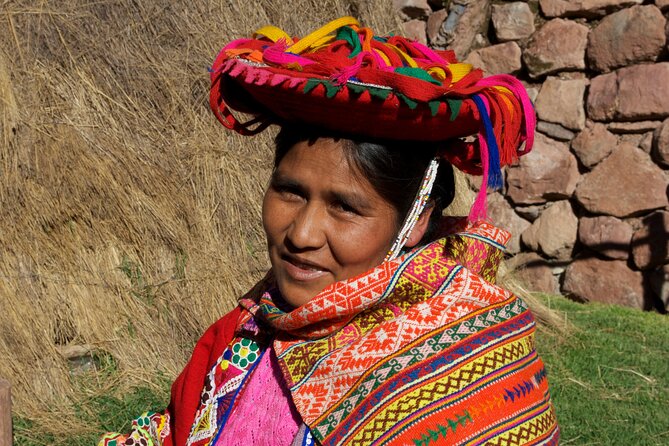
Day four moves into the Sacred Valley, beginning at Chinchero. The village is known for its weaving women, and the tour includes a short stop at a textiles center where you can see traditional dyeing and spinning with alpaca wool.
That stop adds useful human context to the archaeological sites. You are not only looking at stones and terraces. You are also seeing techniques that remain part of local cultural life.
The route continues to the Inca plaza and a colonial church before reaching Moray. Moray’s concentric agricultural terraces are often explained as a place for testing different growing conditions. The circular forms make it one of the more unusual Inca sites on this route.
Lunch is included, followed by Ollantaytambo, described as the last living village of the Incas. The visit includes the Temple of the Ten Windows, the Bath of the Princess, and the Sun Temple. From higher points in Ollantaytambo, you get the views that make this stop especially memorable.
You spend the night in the area, rather than returning to Cusco. That is a smart arrangement because Ollantaytambo is the departure point for the Machu Picchu train the next day. It avoids an unnecessary backtrack and gets you closer to the early rail connection.
The day is listed at about five hours, not counting every meal and transfer. Expect a full outing with several stops. The textile center may be interesting, but it can also feel like a shopping-oriented pause to some people. You should see it as part of the cultural program, not as a replacement for a longer archaeological visit.
Machu Picchu is the day that needs the most care
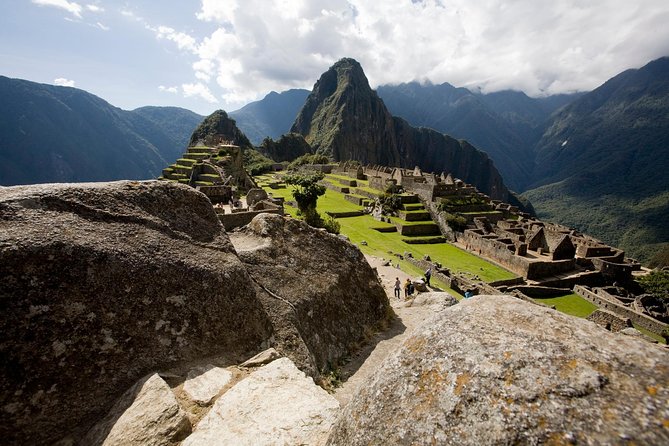
From Ollantaytambo, you board the selected train to Machu Picchu. At the station, staff help you connect with the bus that climbs the winding road above the Urubamba River canyon.
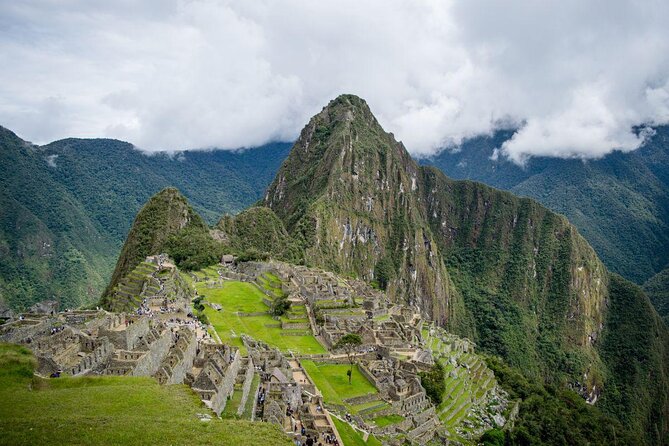
The visit to Machu Picchu includes terraces, stairways, ceremonial areas, and urban sections. A guide helps you make sense of the site, which is important because the ruins can otherwise become a series of impressive but disconnected views.
Lunch is included, and the full day takes about six hours. After the visit, you return by train and transfer to your Cusco hotel.
The most important point is the current circuit system. Route 2 is given priority, but it is not guaranteed. If it is unavailable, Route 3B or Route 1B may be offered for your approval before the ticket is issued. These routes do not provide the exact same visit, so read the route information carefully when asked to confirm.
The Machu Picchu admission ticket is not refundable, and its date cannot be changed. If your plans shift after the ticket is issued, you must buy another ticket for a new date. That makes accurate flight planning and passport details especially important.
I like that the train, bus connection, guide, lunch, and return transfer are included. The weakness is the limited flexibility once tickets are confirmed. You also need to be prepared for a busy day with several transport stages, not just a quiet walk through ruins.
The road to Puno brings a sharp altitude change
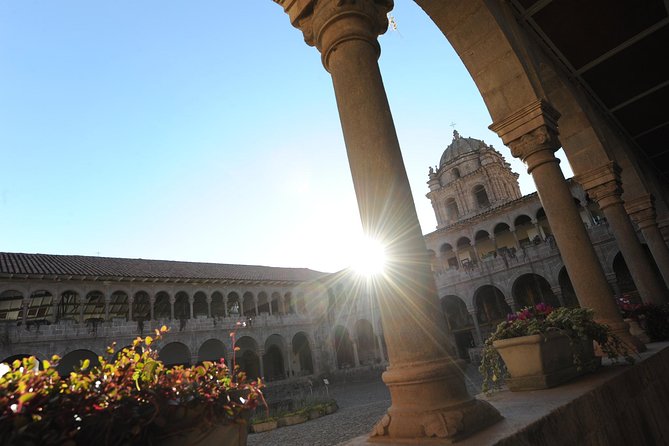
Day six transfers you by tourist bus from Cusco to Puno. The route follows the Vilcanota River and crosses the high Andean plateau. It includes several worthwhile stops, but this is also the day when altitude demands the most respect.
At Andahuaylillas, you visit the Church of the Apostle Saint Peter, known for its 17th-century wall and ceiling paintings. The church is often called the Sistine Chapel of the Americas. The visit adds colonial art to a route that has so far focused heavily on Inca remains.
At Racchi, the Temple of the God Wiracocha provides another look at Inca construction. The remaining columns and walls hint at the former scale of the complex. The route then reaches La Raya, the high point at 4,800 meters above sea level, where the waters divide between the Titicaca basin and rivers flowing toward the Amazon.
That elevation is not a minor detail. If you have suffered from altitude sickness before, bring medicine or ask your doctor for advice before departure. Even people who feel fine in Cusco should treat La Raya seriously, as the height is much greater.
Lunch is included, followed by the Site Museum of Pucara, associated with the small Pucara bulls. You arrive in Puno and transfer to your hotel.
The day is described as about four hours, but the route includes multiple stops and a long intercity transfer. Expect a substantial travel day. The reward is a change of region and culture, but this is not the day to plan strenuous extra activities.
Uros and Taquile show two sides of Lake Titicaca
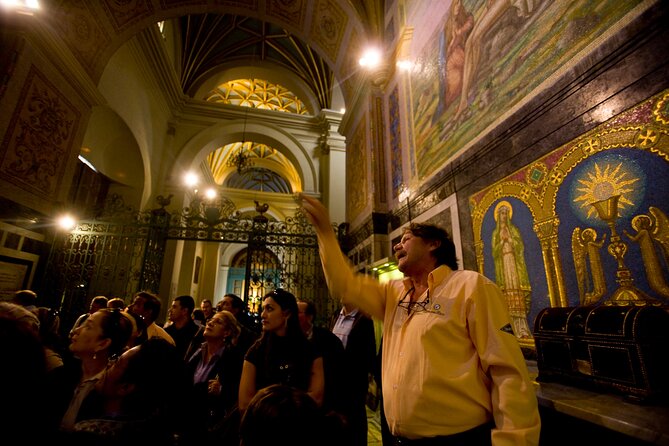
On day seven, you board a motorboat from Puno to the Uros islands. The Uros communities build and maintain their floating islands using traditional techniques, and the visit explains how these islands function and how the community has adapted to visitors.
The experience also has a clear commercial side. The community makes its living partly from visitors, so you should expect a presentation shaped around tourism. That does not make it worthless, but it is best approached with open eyes rather than as a completely untouched encounter.
The boat continues to Taquile Island, home to a Quechua community in a region that is mainly Aymara. The community has kept its clothing, customs, music, and dances, and you have lunch at a community restaurant. The meal is simple and designed to provide energy for the day.
A walk around the island brings broad views over Lake Titicaca. The return boat takes you back to Puno, followed by a hotel transfer.
This is another full outing at high altitude, and the walking may feel harder than the distance suggests. Still, Taquile gives the lake portion more depth than a quick boat ride alone. You see a living community and have time on land, rather than spending the whole day seated on a boat.
The final transfer ends in Juliaca, not Lima
Day eight is a departure transfer to Inca Manco Cápac International Airport in Juliaca, about 36 kilometers from Puno. This matters when you book your onward flight. The tour does not end in Lima, and the Juliaca to Lima flight is not included.
You should leave enough time for the road transfer to the airport and confirm your departure details in advance. The tour requires your passport name, number, expiry date, country, and flight information for both international and domestic journeys.
Transfers from airports to hotels are included, along with the departure transfer. The precise flight schedule still belongs to you, so do not treat the final day as an unplanned extension in Puno.
Guides, transport, and group size
The tours use shared transport and English-Spanish speaking guides, with a maximum of 15 participants. That is a useful limit for a route involving markets, archaeological sites, trains, boats, and repeated hotel transfers.
The supplied feedback gives special credit to the guides and drivers for being punctual, helpful, and able to answer questions promptly. Those qualities matter here more than flashy commentary. A missed pickup or unclear train connection can disrupt an entire day, so reliable coordination has real value.
You should expect different guides or drivers across different parts of the route rather than one person accompanying you from Lima through Puno. The provided information does not name individual guides, so you should not book this expecting a single personal escort.
Seven nights of accommodation are included, subject to availability and the hotel category selected. The train ticket to Machu Picchu also depends on that selected category. Read the hotel options carefully before paying, since lodging level can affect the overall value.
Who should book this Peru route
I would recommend this tour to you if you want the classic southern Peru circuit but do not want to arrange each train, transfer, hotel, and entrance ticket yourself. It suits first-time visitors who value a clear schedule and want English-Spanish guide support at major sites.
It is also a good fit if you want more than Machu Picchu. Lima, San Pedro Market, Chinchero, Moray, Andahuaylillas, Pucara, Uros, and Taquile give the trip a wider frame.
I would hesitate if you dislike early departures, shared transport, fixed dates, or frequent changes of place. I would also think carefully if you have a history of altitude problems. The route reaches 4,800 meters and moves quickly from sea-level Lima into the Andes.
Cancellation is free up to 24 hours before the experience start time for a full refund. Changes or cancellations inside that window are not accepted, and Machu Picchu admission has its own stricter, nonrefundable rules.
Should you book 8-Day Peru Ancestral Energies?
Book it if you want a well-organized first visit that connects Peru’s biggest sights with several smaller cultural stops. The price is reasonable for the included hotels, meals, ground transport, guides, admission tickets, and Machu Picchu train, provided you budget separately for both flights, listed taxes, and extra meals.
Before booking, check three things: your morning Lima to Cusco flight, your Machu Picchu circuit, and your ability to handle high altitude. If those details work for you, this is an efficient and varied way to see southern Peru in eight days. If you want slower travel or more control over your schedule, build the same route independently.
FAQ
Does the tour include flights between Lima, Cusco, and Juliaca?
No. Flights from Lima to Cusco and from Juliaca to Lima are not included. The Lima to Cusco flight must arrive in the morning, and arrival by noon is considered too late.
Where does the tour begin and end?
The tour begins at Jorge Chávez International Airport in Lima. It ends with a departure transfer to Inca Manco Cápac International Airport in Juliaca, about 36 kilometers from Puno.
How many hotel nights and breakfasts are included?
Seven nights of accommodation and seven breakfasts are included. Hotels are subject to availability and depend on the selected hotel category.
Is the Machu Picchu train included?
Yes. A round-trip railway ticket to Machu Picchu is included according to the selected hotel category. The tour also includes assistance with the bus connection to the archaeological site.
Which Machu Picchu circuit will I use?
Route 2 is the priority circuit. If it is unavailable, Route 3B or Route 1B may be offered for your confirmation before the ticket is issued.
What should I know about altitude?
The route includes Cusco, the highlands around La Raya, and Puno. La Raya reaches 4,800 meters above sea level. If you have suffered from altitude sickness, bring medicine or ask your doctor for advice before departure.
Just added around Lima
- Guided Tours in Colonial and Modern Lima★ 5.0 · 54 reviews
- Full Day Pilgrims★ 5.0 · 28 reviews
- Sandboarding and Off Road in Lima (National Park Lomas de Ancón)★ 5.0 · 54 reviews
- Tour Miraflores + Fotografía Profesional★ 5.0 · 47 reviews
- Lima Airport Transfers by SUV/Van★ 5.0 · 34 reviews
- Lima City tour and Catacombs Museum (04 hours) Private Tour with guide in Lima★ 5.0 · 32 reviews
- In Lima: Sandboarding Off Road Half Day!!★ 5.0 · 36 reviews
- Peruvian Experience: Interactive, Cultural & Gastronomic Guided Tour★ 5.0 · 42 reviews
Lima Tours, compared.

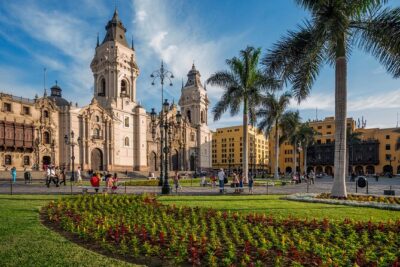
Lima’s Vibrant Heritage: Exploring the City’s Landmarks Half-day
Read our review →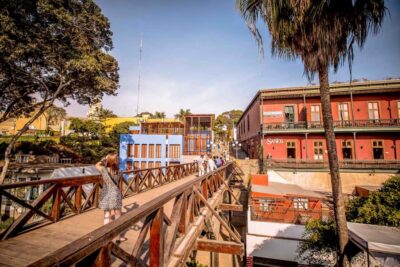
Pachacamac Ruins & Barranco Half-Day Guided Tour
Read our review →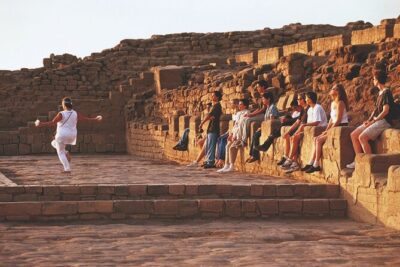
Pre Inca Temple of Pachacamac Half-Day Tour from Lima
Read our review →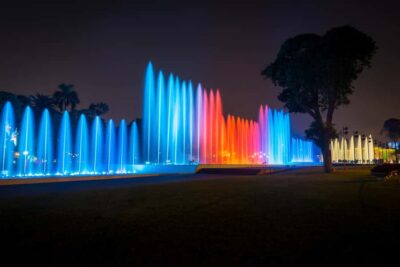
Magic Water Circuit Light Show Tour with Pickup
Read our review →
Historic Center Street Food, Market, and Eateries Tour
Read our review →
Browse the lists this tour appears in